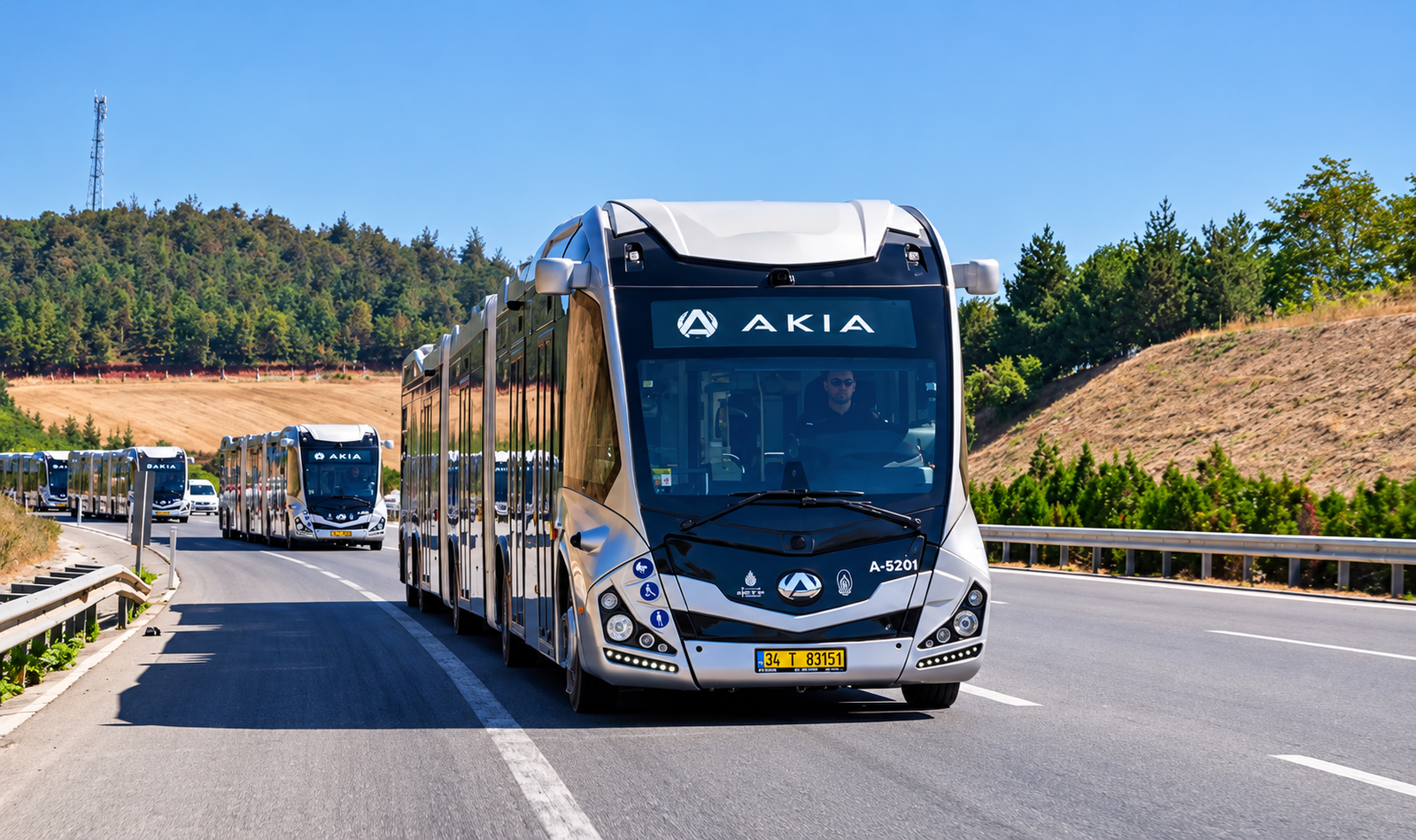
Istanbul Metrobüs fleet to be expanded with another 100 bi-articulated AKIA buses
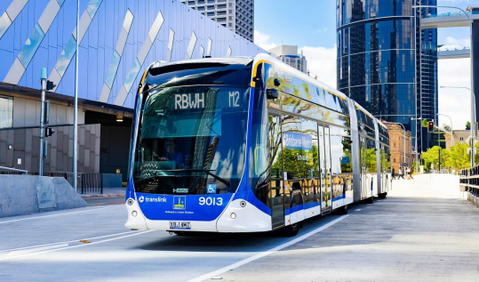
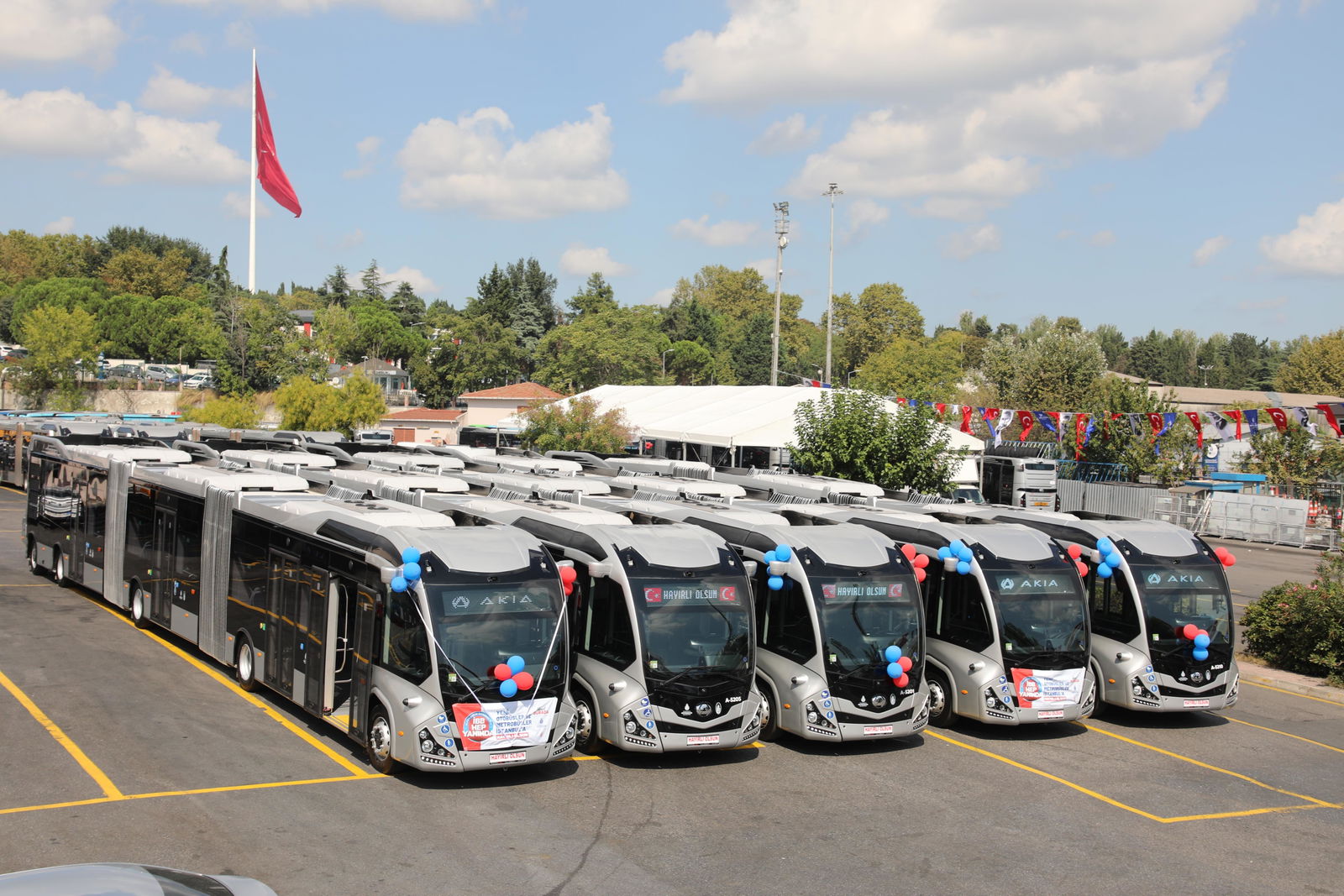
The renewal of the Istanbul Metrobüs bus fleet is continuing with another major vehicle procurement: İETT (İstanbul Elektrik Tramvay ve Tünel İşletmeleri), which is owned by the Istanbul Metropolitan Municipality and is responsible for organising and operating the city’s bus transport, has ordered a further 100 25-metre bi-articulated AKIA Ultra LF25 buses for the BRT network linking the European and Asian sides of the city. The first ten vehicles of the new batch were ceremonially handed over on 21 September and entered service on 9 October. The manufacturer plans to complete delivery of the remaining 90 vehicles within six months. As a result of the procurement, the Istanbul fleet of AKIA Ultra LF25 models will grow from the previous 132 to 232 units, further reinforcing the role of these particularly high-capacity buses in one of the world’s busiest BRT systems.
Istanbul’s Metrobüs began operation in September 2007 and, over the nearly two decades since, has become one of the most important backbone routes of public transport in the Turkish metropolis. The system, currently around 52 kilometres long and serving 44 stops, runs along the D.100 main road, largely on a carriageway physically segregated from road traffic, and creates a direct link between Istanbul’s European and Asian districts by crossing the Bosphorus. A distinctive feature of the network is that, owing to its central-platform stops and conventional buses with passenger doors on the right-hand side, vehicles on the BRT alignment run on the left, contrary to the traffic arrangement generally used in Turkey.
The importance of the Metrobüs is clearly illustrated by the fact that the network carries an average of around 789,000 passengers a day, while during the busiest periods vehicles operate at headways of just 15–20 seconds. Approximately 680 buses are available to serve the system, of which around 550 operate in traffic each day. Operations place particularly high demands on vehicle capacity, reliability and passenger exchange, while expectations of drivers are also high. Around 1,400 specially selected and trained bus drivers worked in the Metrobüs division, which operates as an independent organisational unit within the transport company, as only drivers with appropriate professional experience may work on the BRT routes. Due to the exceptionally intensive service and consistently high passenger loads, vehicles offering substantially greater capacity than conventional articulated buses are playing an increasingly prominent role in İETT’s fleet-renewal strategy.
For a long time, the backbone of the Metrobüs fleet consisted of various articulated Mercedes-Benz types, including 19.5-metre-long, four-axle CapaCity buses acquired between 2007 and 2009, of which a total of 250 were delivered to Istanbul. Fleet renewal has already begun in several phases in recent years: 100 examples of the Turkish Otokar’s 21-metre Kent XL have entered service, while the Dutch APTS Phileas bi-articulated buses previously used have meanwhile been withdrawn from service. Their place has been taken in part by the high-capacity AKIA vehicles.
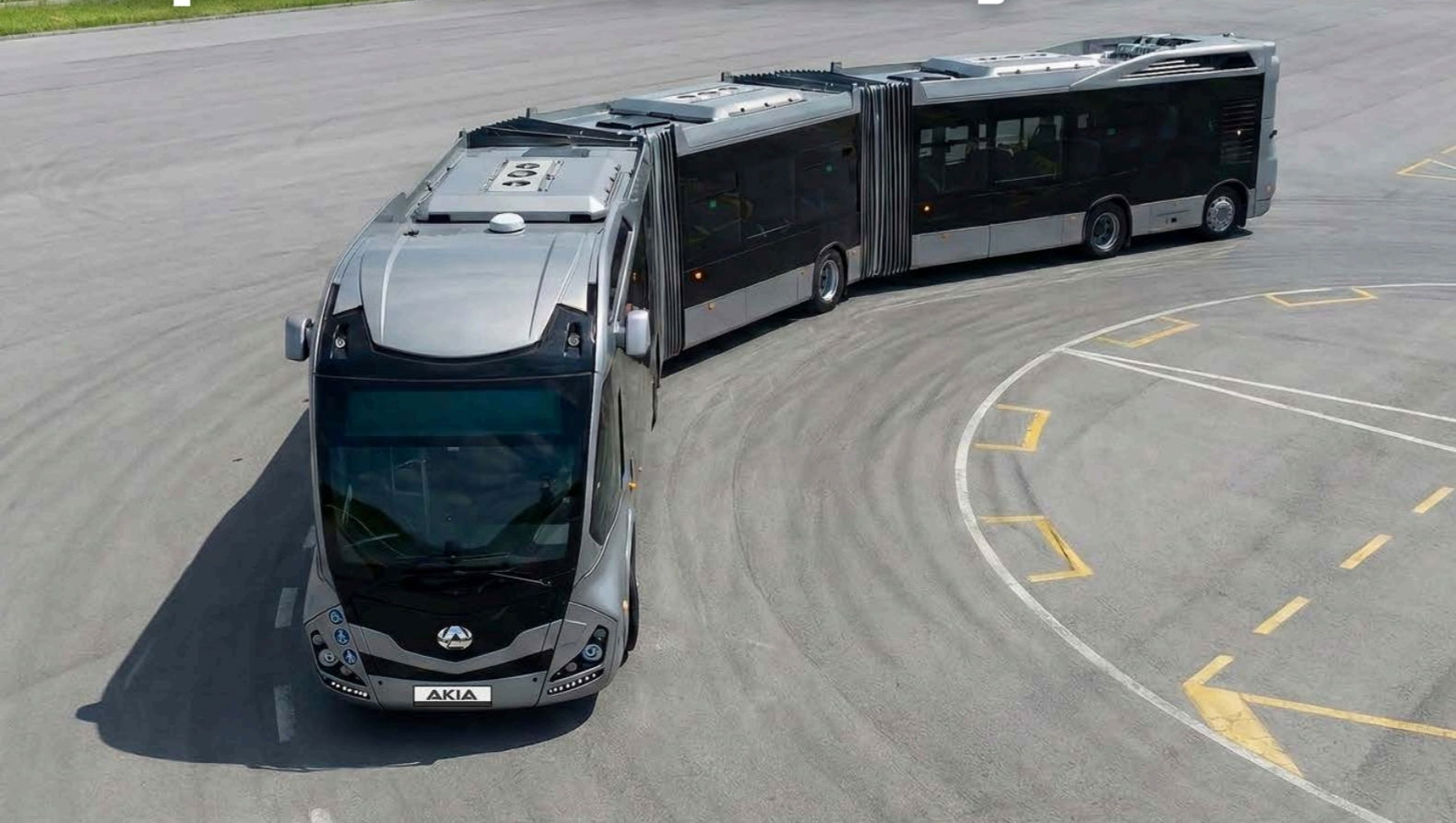
Bus manufacturer Ulaşım İç ve Dış Ticaret A.Ş., originally established as a Turkish–Iranian joint venture and operating under the AKIA brand, unveiled the Ultra LF25 model at the Busworld Turkey trade fair in April 2016. A particular feature of the bi-articulated design is that it has five axles rather than the four customary in this category. The first substantial Istanbul order was placed in 2021, when İETT agreed with the manufacturer to procure 60 units. The vehicles gradually entered service from April 2022, followed by an order for a further 72 buses in December of the same year. Deliveries of the second batch were completed by early 2024, meaning that a total of 132 Ultra LF25s operated on Istanbul’s BRT network before this year’s order.
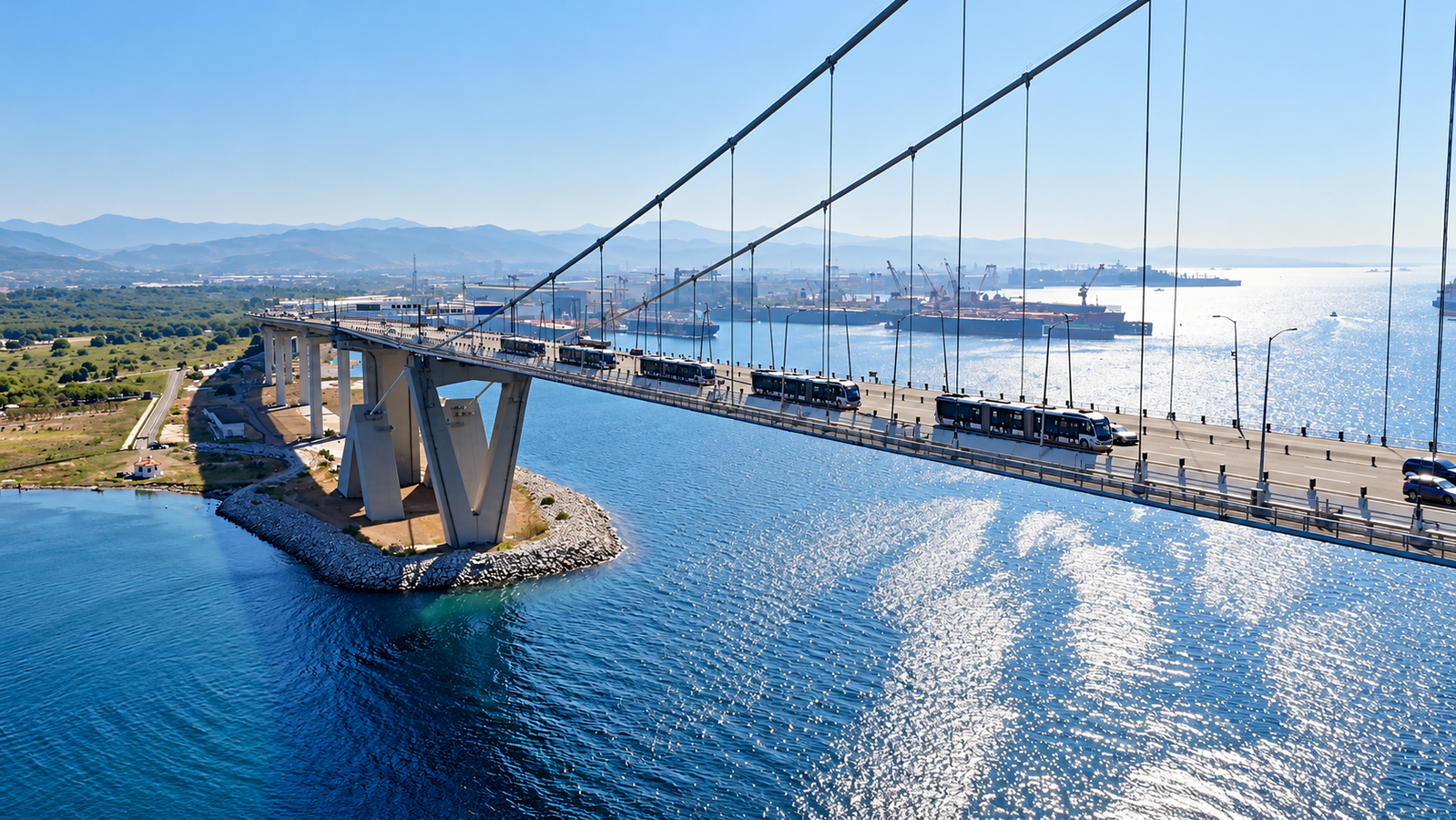
The Magyarbusz [Info] editorial team also has personal experience of the type: during the 2022 Busworld Turkey trade fair, at İETT’s invitation, we visited the Metrobüs control centre and bus depot at Edirnekapı, where we were able to learn about the operation of the system and its fleet. As part of the professional programme, we travelled aboard an AKIA Ultra LF25, then still considered a novelty, across the Bosphorus as far as the Söğütlüçeşme terminus on the Asian side. We previously reported on the visit in a detailed on-site feature.
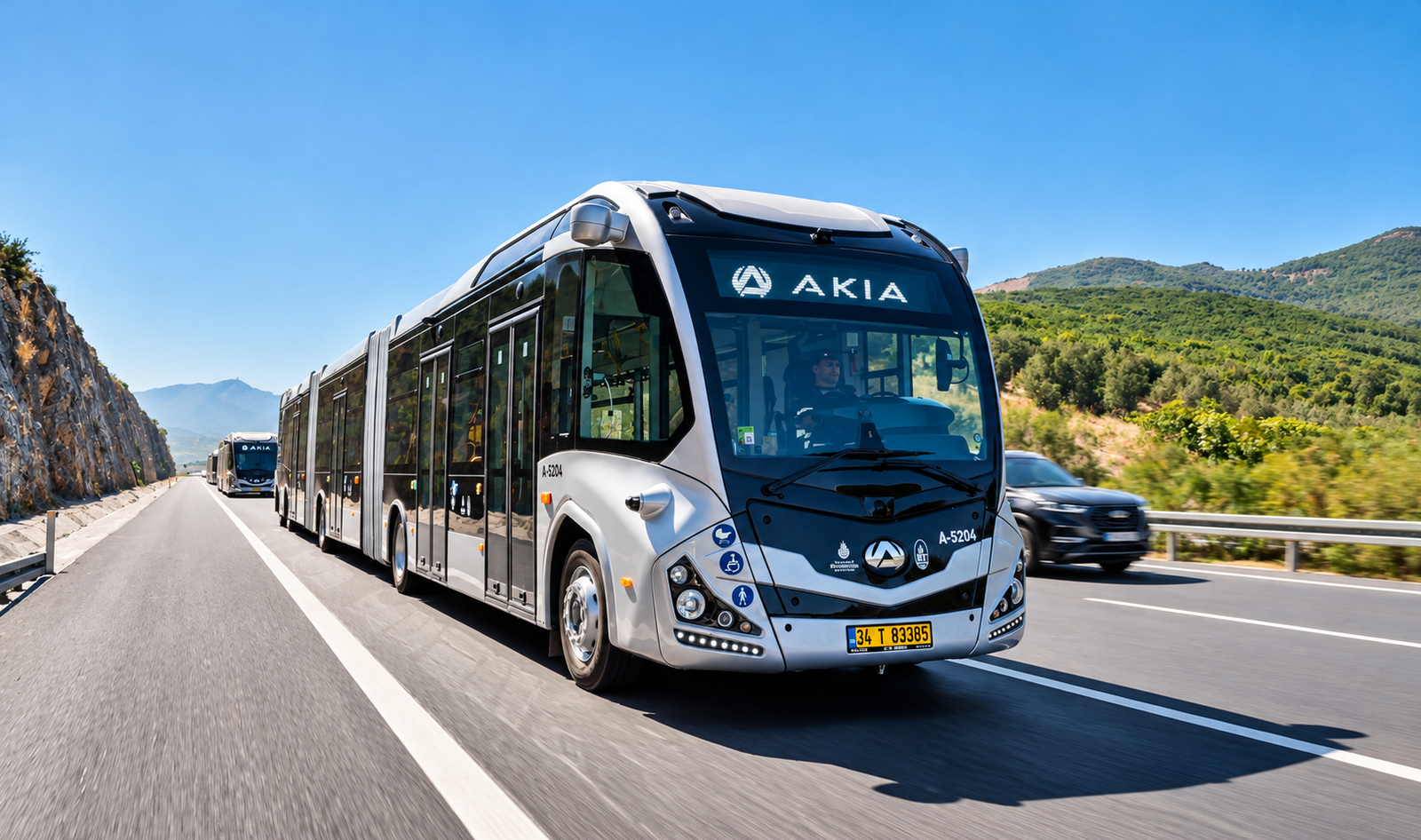
In fundamental design terms, the buses now ordered are identical to the earlier batches. The model is a precisely 25-metre-long, 2,550-millimetre-wide and 3,400-millimetre-high, three-section, five-axle vehicle with an official capacity of 281 passengers. Of these, only 29 are seated, while the remaining 252 passengers may travel standing, clearly showing that the type has been optimised primarily for BRT operation with exceptionally high passenger volumes and rapid passenger exchange. The vehicles offer a low-floor passenger compartment throughout their entire length, while their driver’s cab is separated from the passenger area across its full width.
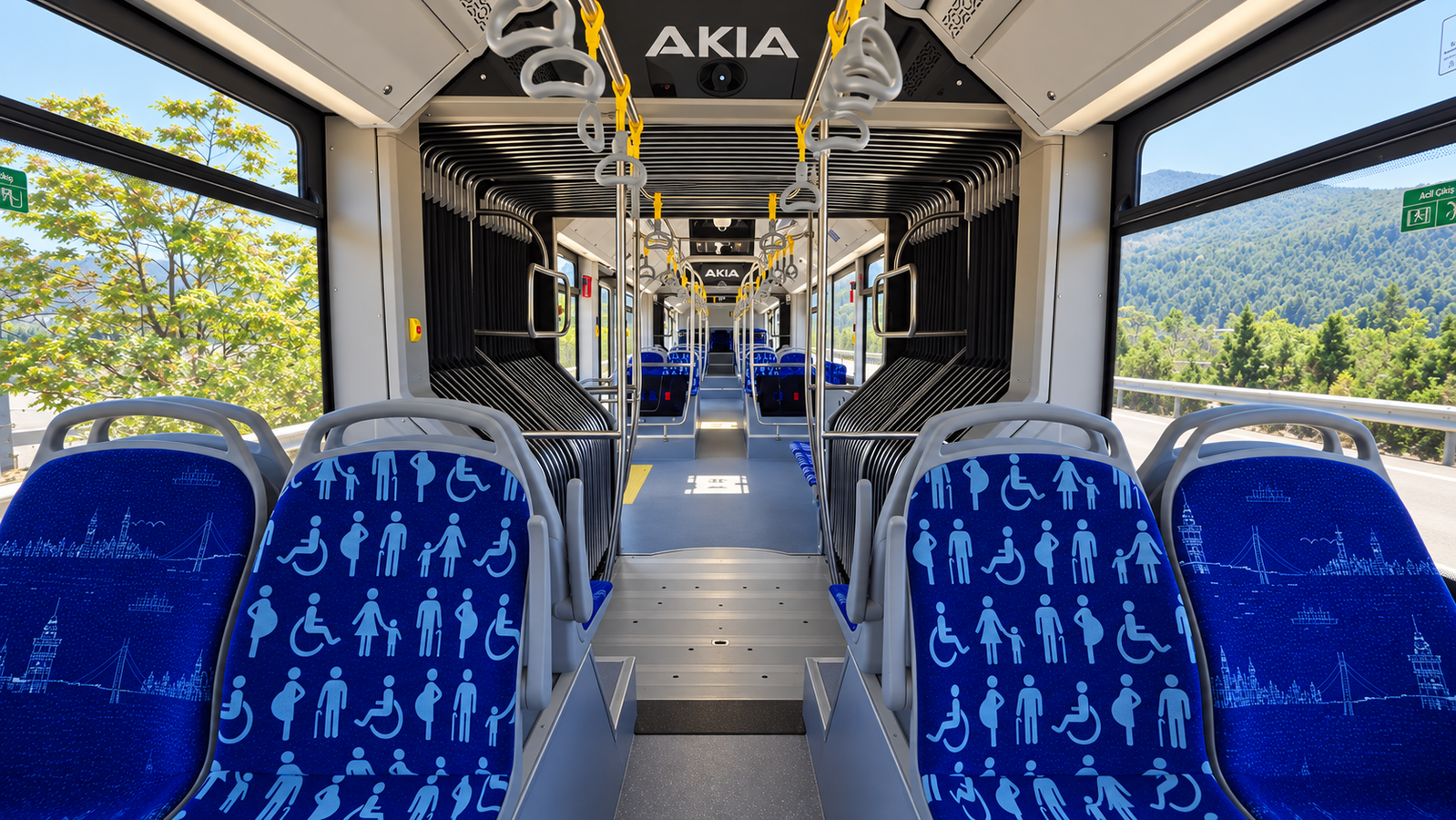
The buses’ diesel propulsion system is based on a Mercedes-Benz powerplant. In its technical brochure, the manufacturer lists the 12.8-litre, 370 kW OM471 engine, although earlier versions of the type have also been reported as using the 10.7-litre, 315 kW OM470 LA engine. Power is transmitted via an Allison T525R automatic gearbox. Confirmed technical documentation covering all details of the precise engine configuration of the current batch is not yet available.
One important new feature of the buses built in 2026 is their more advanced driver-assistance and safety systems. Compared with earlier batches, the vehicles’ equipment may include, among other features, a digital mirror system, a 360-degree camera system, blind-spot monitoring, a lane-departure warning system, tyre-pressure monitoring and driver alertness monitoring. The developments are aligned with the active-safety requirements set out in the European GSR II regulation, which are becoming increasingly important not only for conventional urban buses but also for high-capacity BRT vehicles.
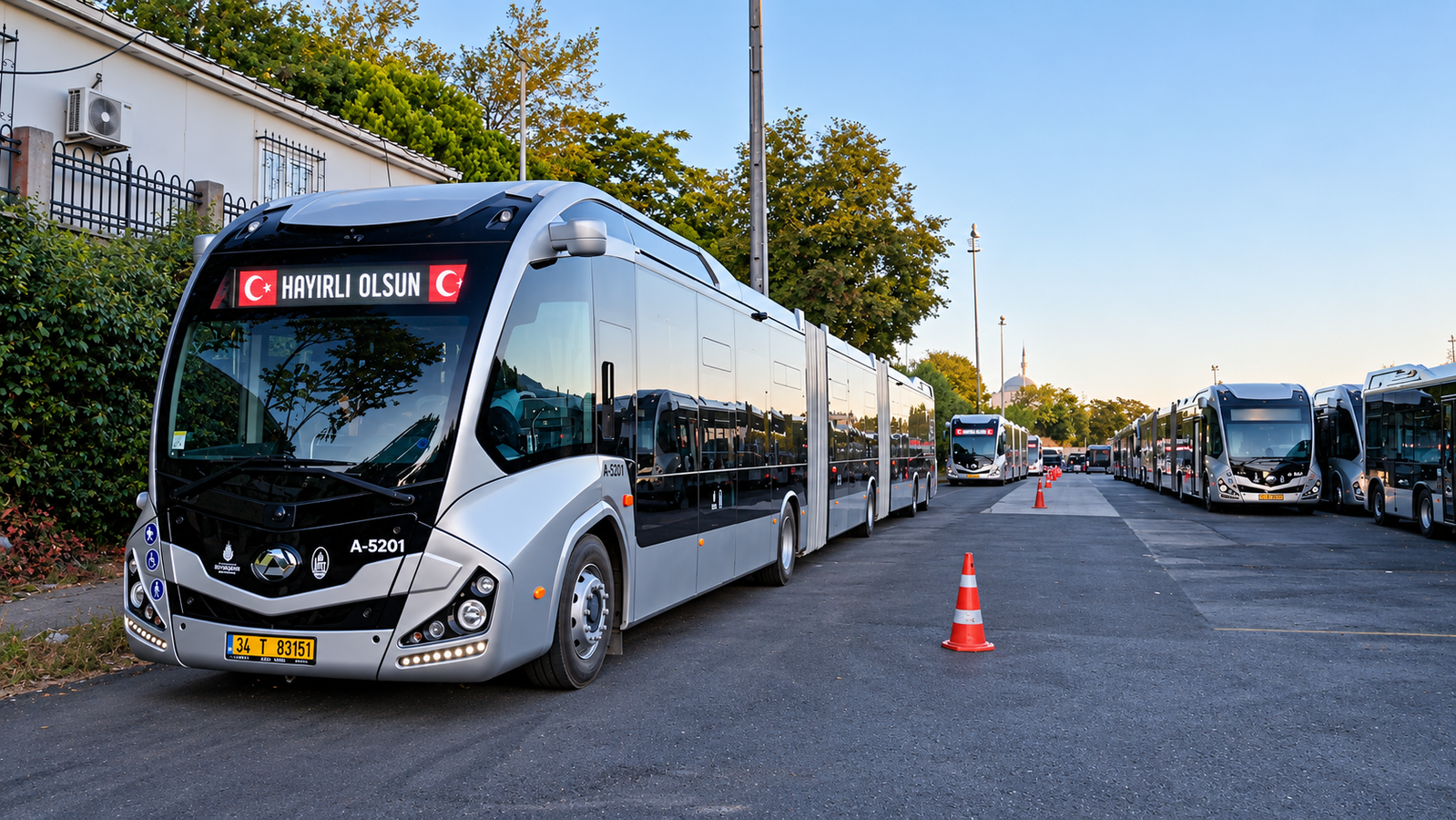
With completion of the latest delivery of 100 vehicles, the AKIA Ultra LF25 could become one of the most significant vehicle types on Istanbul’s Metrobüs. Based on the manufacturer’s stated capacity of 281 passengers, the 232 units together would be capable of carrying more than 65,000 passengers simultaneously. This is, of course, a theoretical capacity, since the entire fleet does not operate at the same time, but the figure nonetheless clearly illustrates the type’s role in Istanbul’s public transport.
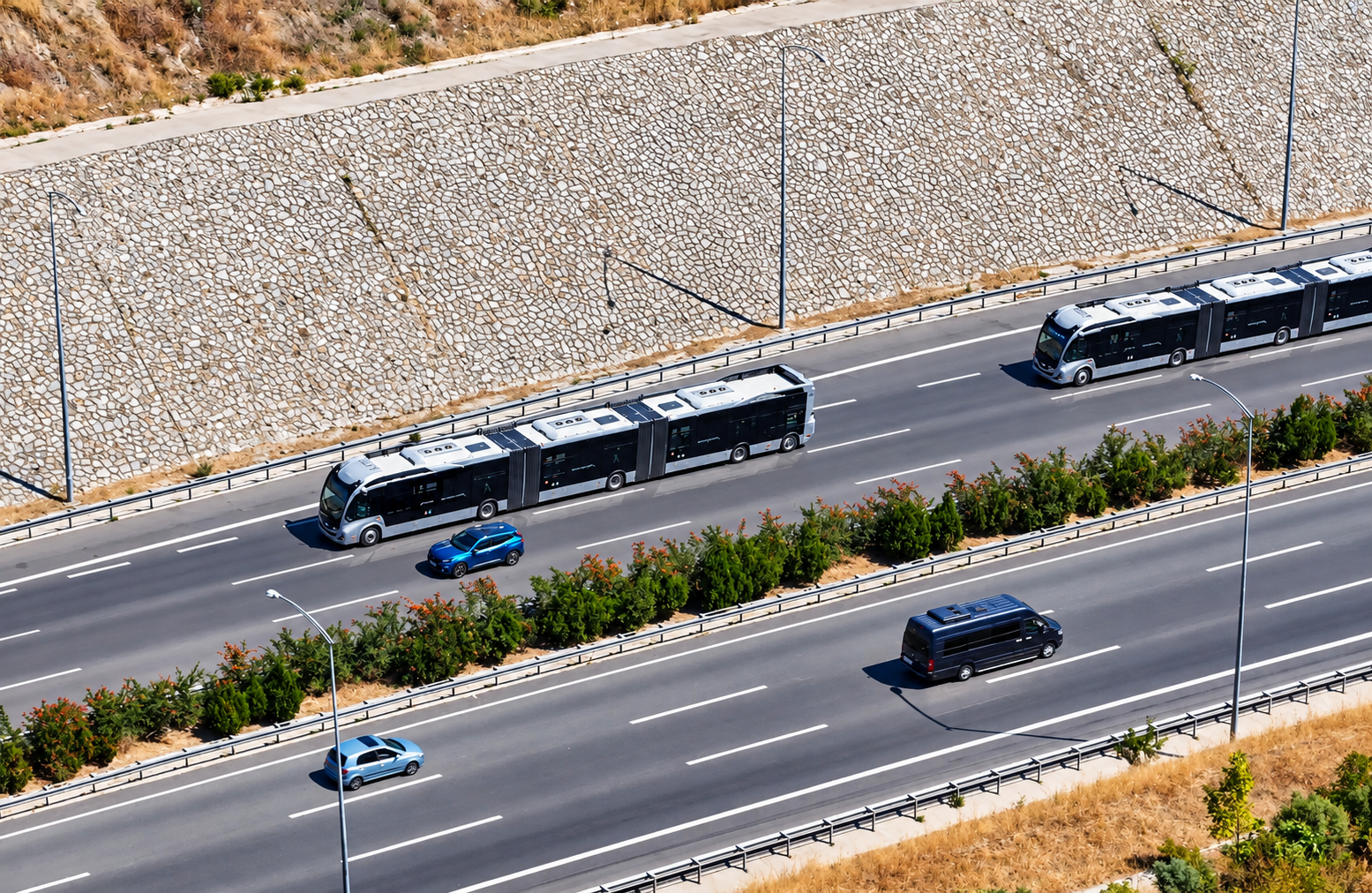
The order also indicates that high-capacity diesel buses are still intended to play a decisive role on the exceptionally intensive Metrobüs network. While battery-electric vehicles are appearing in an increasing number of BRT systems worldwide, the primary aims of the current fleet renewal in Istanbul remain maintaining transport capacity, replacing ageing vehicles and improving the operational reliability of the high-traffic corridor. The arrival of these 100 bi-articulated buses represents a significant step forward in this process.