More than a museum: how Volvo preserves its past and presents its future in Gothenburg
Two years ago, a new chapter began in the presentation of Volvo’s almost century-old history. At the end of 2023, the Swedish manufacturer closed its Gothenburg museum, which had operated for decades, before giving part of its heritage a new home a few months later in a substantially larger facility with an entirely different approach. Opened in April 2024, the World of Volvo is a fitting reflection of the pride with which Volvo regards its own past and achievements. At the same time, the facility is far more than a conventional vehicle museum: it serves as a brand centre, interactive exhibition space, event venue and meeting place, giving at least as much emphasis to the present and future as to the past.
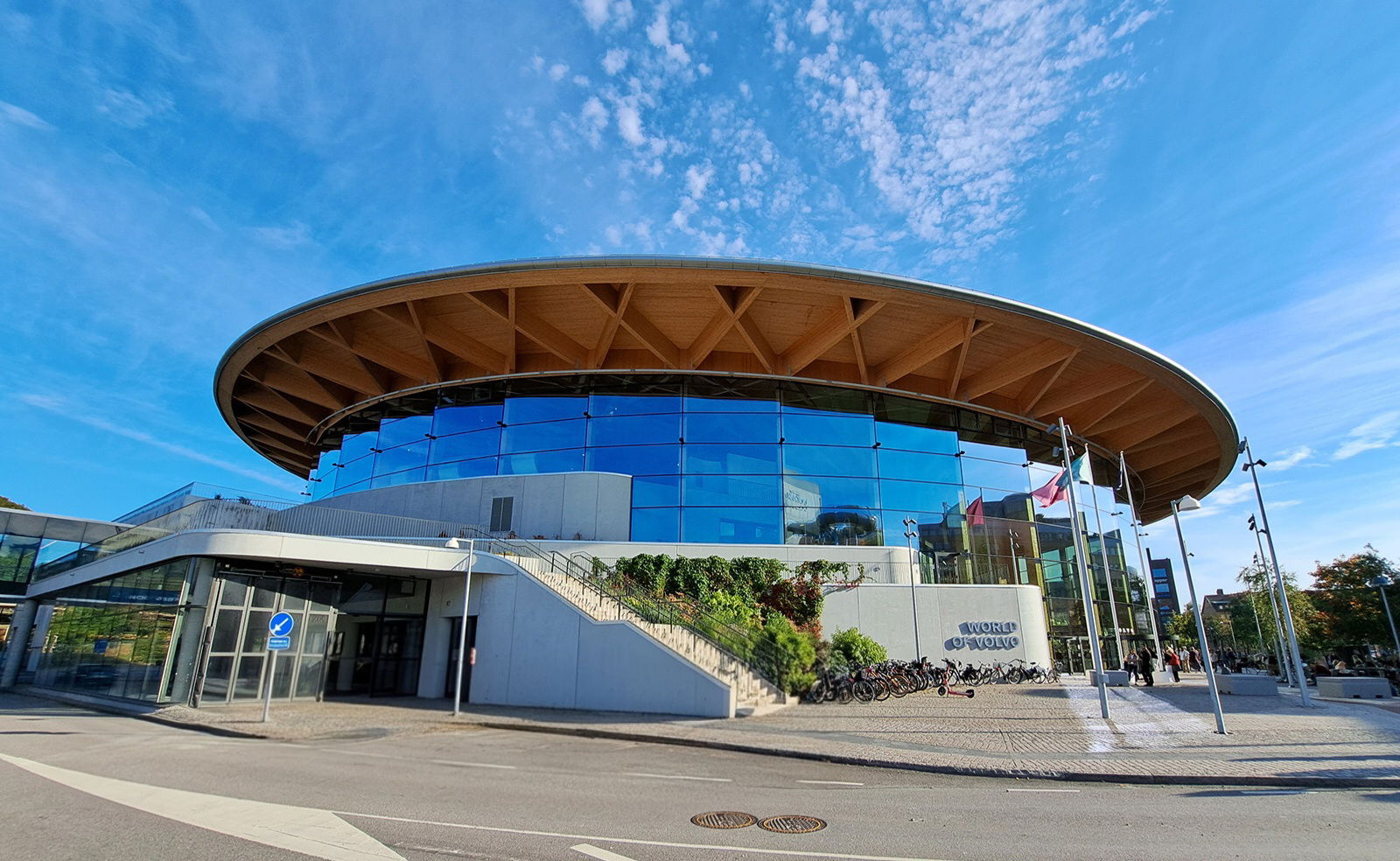
Located in central Gothenburg, the World of Volvo opened its doors on 14 April 2024, the 97th anniversary of Volvo’s founding. The approximately 22,000-square-metre facility is a joint venture between Volvo Group and Volvo Cars, despite the fact that the two companies have not belonged to the same corporate group for more than a quarter of a century. The passenger car business was sold to Ford in 1999, while Volvo Cars has been part of China’s Geely since 2010. Beyond their shared historical roots, the two Volvos remain closely linked through the brand name: Volvo Trademark Holding AB, which owns the Volvo trademarks, is jointly owned in equal shares by Volvo Group and Volvo Cars. The World of Volvo therefore brings their common heritage together under one roof: its 4,500-square-metre exhibition draws on the histories of both companies. From the outset, however, the aim was not simply to relocate the former Volvo Museum.
Opened in 1995, the Volvo Museum in Arendal guided visitors through the brand’s history with a traditional chronological exhibition until December 2023. Its collection included hundreds of passenger cars, trucks, buses, as well as marine and aircraft engines. The entire vehicle collection was retained after the museum’s closure, but only a selected part of it can be seen at the World of Volvo at any one time. The vehicles on display are regularly rotated, so the composition of the exhibition changes from time to time. The new concept is not based on presenting as many historic vehicles as possible: classic Volvos are displayed alongside interactive and digital solutions, as well as the company’s current and future technologies.
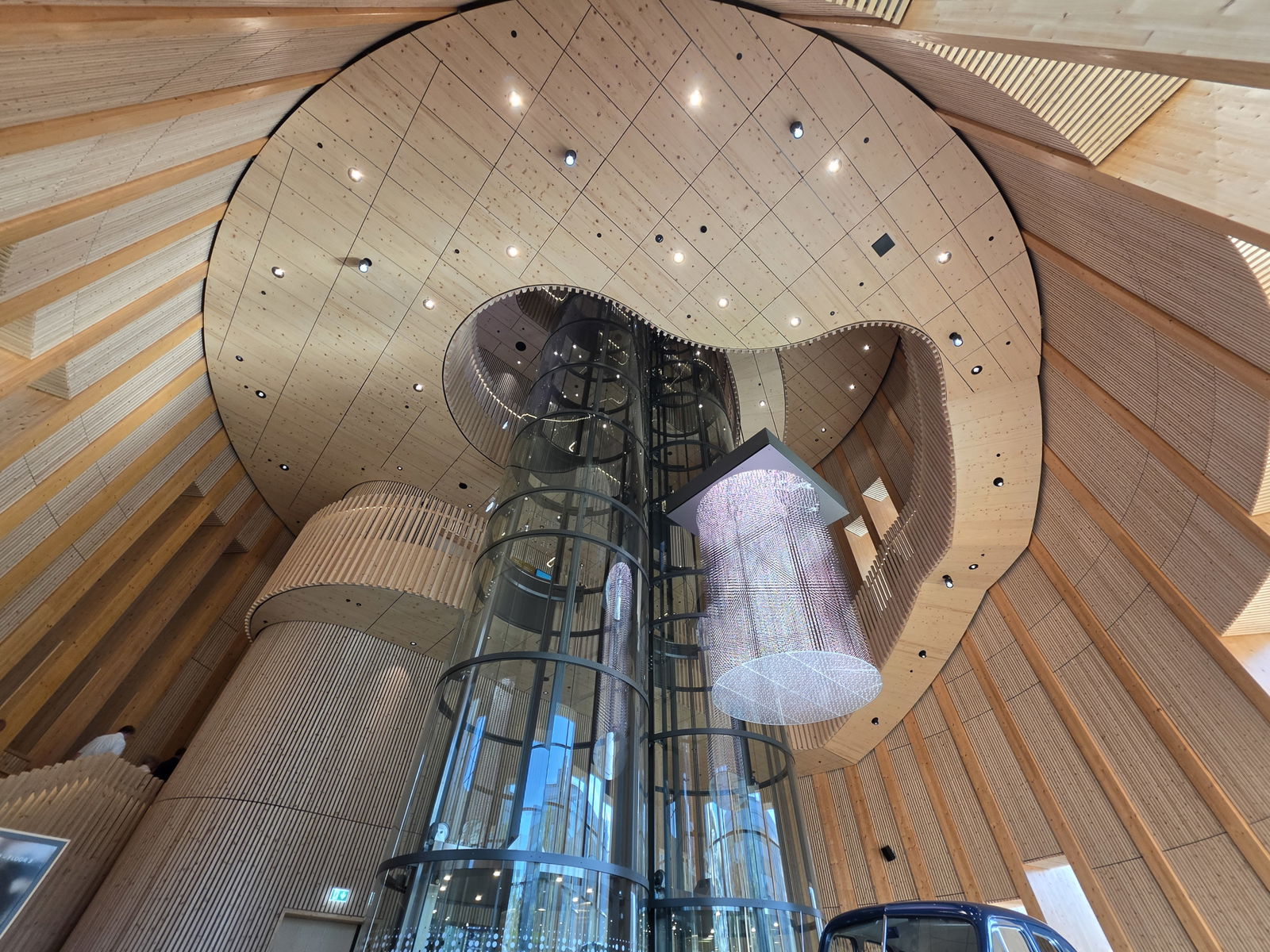
The building itself forms part of the story that the World of Volvo seeks to tell. The complex was designed by Danish architectural practice Henning Larsen, with the Scandinavian landscape, proximity to nature and the representation of Swedish cultural traditions playing a defining role in its concept. The building’s circular form symbolises a world without boundaries, while its design seeks to blur the line between exterior and interior spaces.
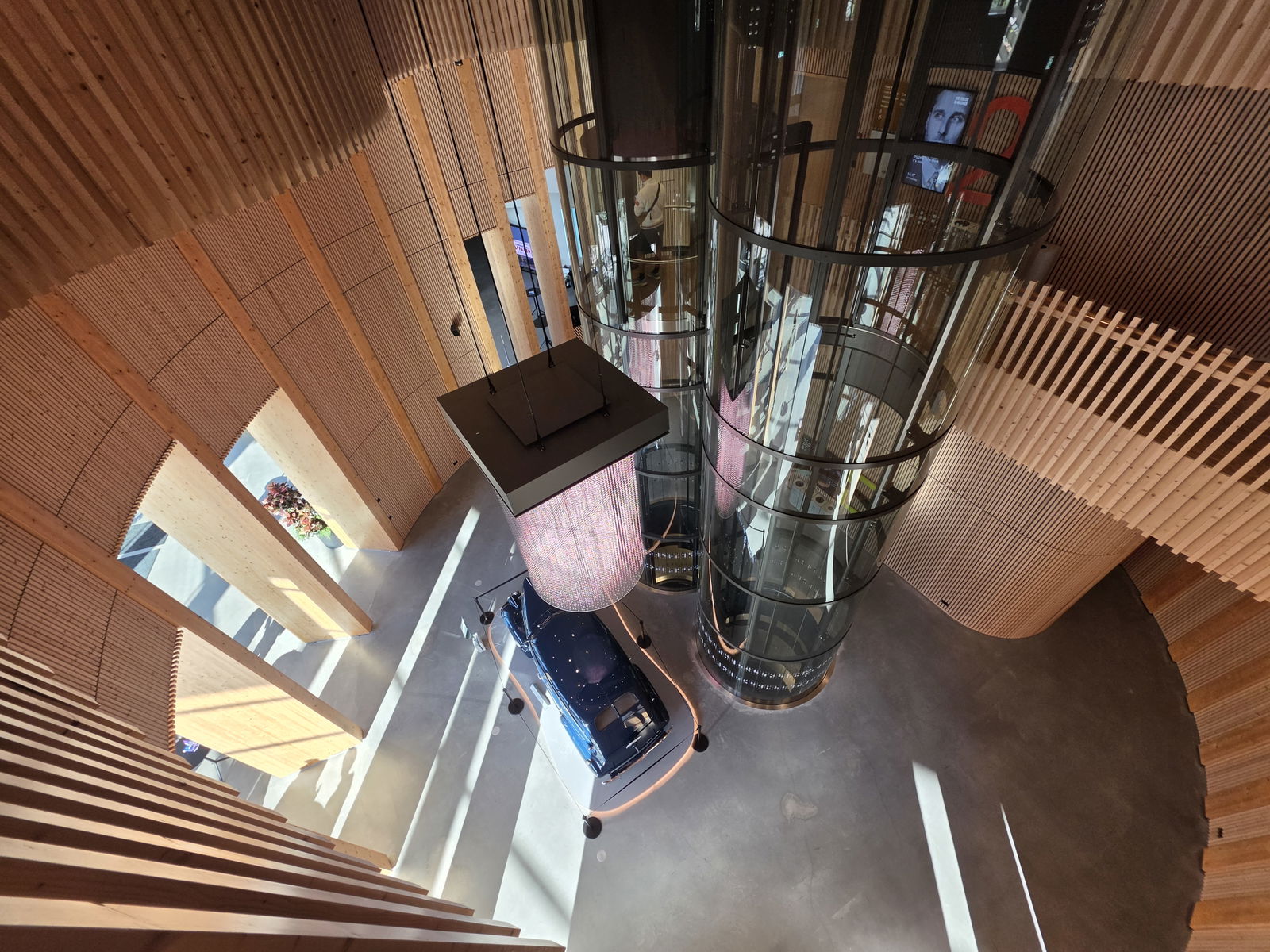
The choice of materials was also deliberate. The World of Volvo was built on foundations made of lower-carbon concrete, while its load-bearing structure consists of glued laminated timber beams and cross-laminated timber CLT elements. Wood and glass are the building’s defining materials: large glazed surfaces admit natural light into the interior, while the striking timber structure reinforces its Scandinavian architectural character.
The designers also deliberately broke with the tradition of sequential, regular museum spaces. There are no repetitive rooms at the World of Volvo, nor is the layout dominated by right angles; the varied spaces, natural light and constantly changing surroundings are intended to create the feel of a vibrant meeting place. This nature-oriented approach continues outside the building, where the design draws on the Swedish tradition of “allemansrätten”, or free access to nature.
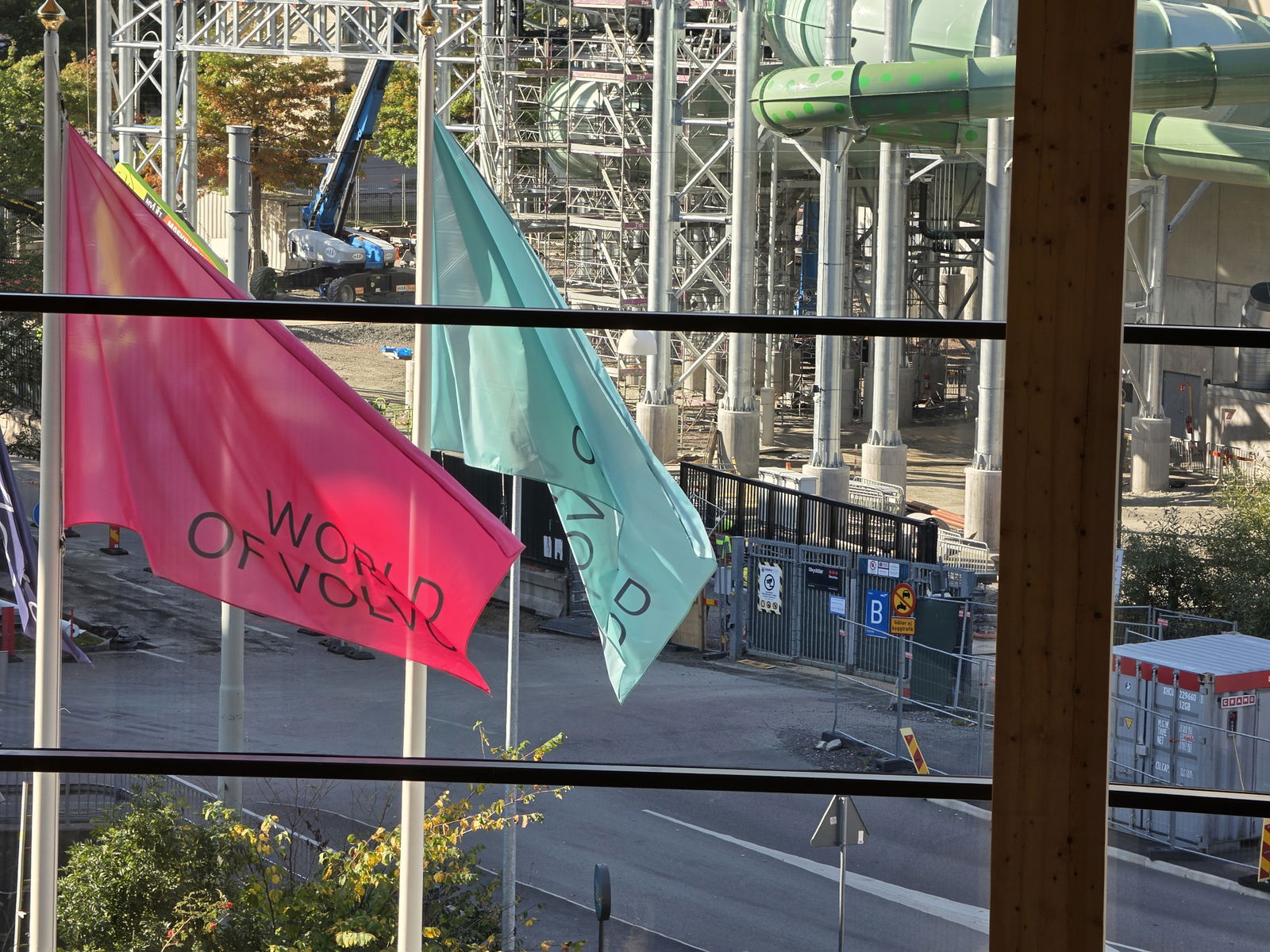
Beneath the surface is a five-storey car park with around 1,500 spaces. Environmental impact reduction was likewise emphasised in the construction of the facility, which is operated by the City of Gothenburg’s parking company: lower-carbon concrete was used, while around ten per cent of the parking spaces were made suitable for charging electric vehicles.
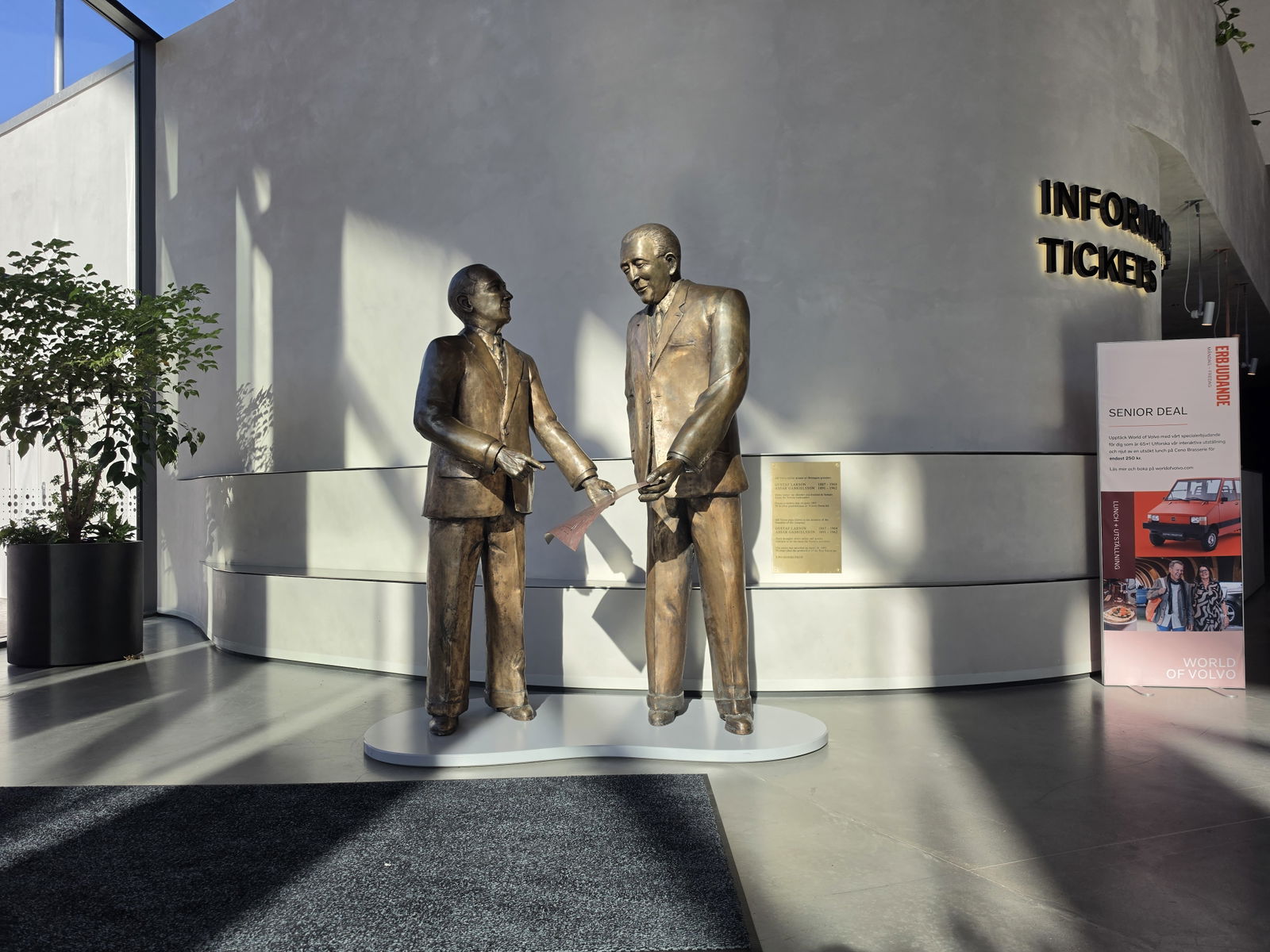
The story presented by the World of Volvo has its roots in Sweden of the 1920s, almost a century earlier. Volvo’s birth is associated with two men: economist Assar Gabrielsson and engineer Gustaf Larson. Both worked for ball-bearing manufacturer SKF and believed that Sweden’s conditions justified the production of a domestic car designed for local road and climatic conditions.
The Volvo name itself existed long before the first Volvo car was born. In 1915, SKF registered the name Volvo, derived from the Latin verb volvere, meaning “to roll”, originally intending it as the brand name for a new line of ball bearings. The choice therefore literally referred to the rolling movement of bearings. SKF also established a subsidiary called AB Volvo for this purpose, but ultimately decided against the planned marketing of Volvo-branded bearings and ceased the company’s operations in 1920. The name and company nevertheless remained, which proved useful a few years later for Assar Gabrielsson and Gustaf Larson’s car project. During the early stages of development, the prototypes were still referred to as GL or Larson, but practical and economic considerations ultimately led to the choice of the already available Volvo name. SKF had already registered it, so there was no need to create and trademark an entirely new brand name.
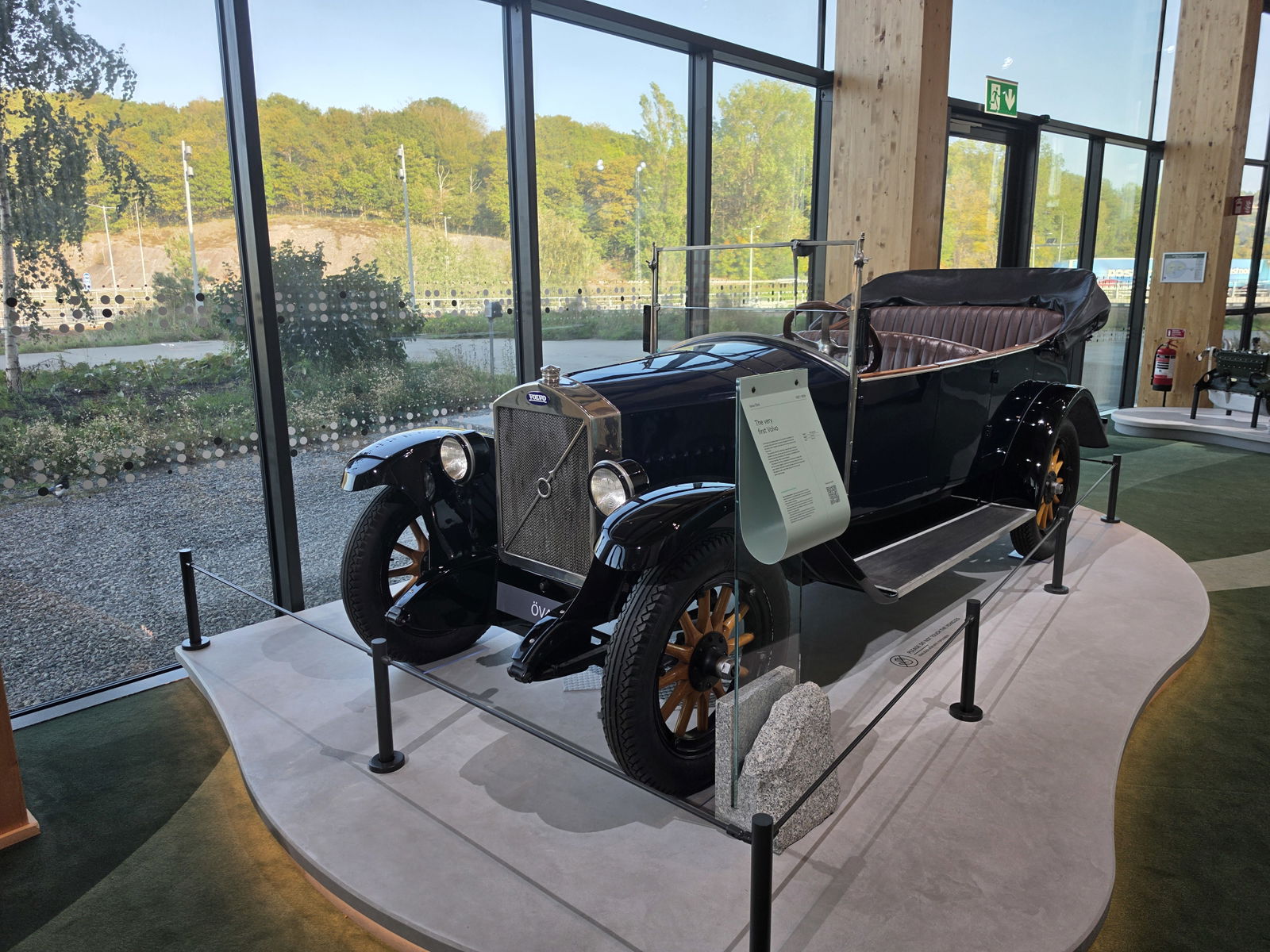
When SKF’s management gave its backing to the creation of a Swedish car in 1926, the dormant AB Volvo was revived for the programme, and the Volvo name intended for bearings ultimately became the name of a new car brand. The first production Volvo, the ÖV 4 – better known by its nickname, Jakob – rolled out of the Lundby plant in Gothenburg on 14 April 1927. Volvo regards this date as its own birthday, which is why the opening of the World of Volvo was scheduled for 14 April 2024, exactly 97 years after the first car was built.
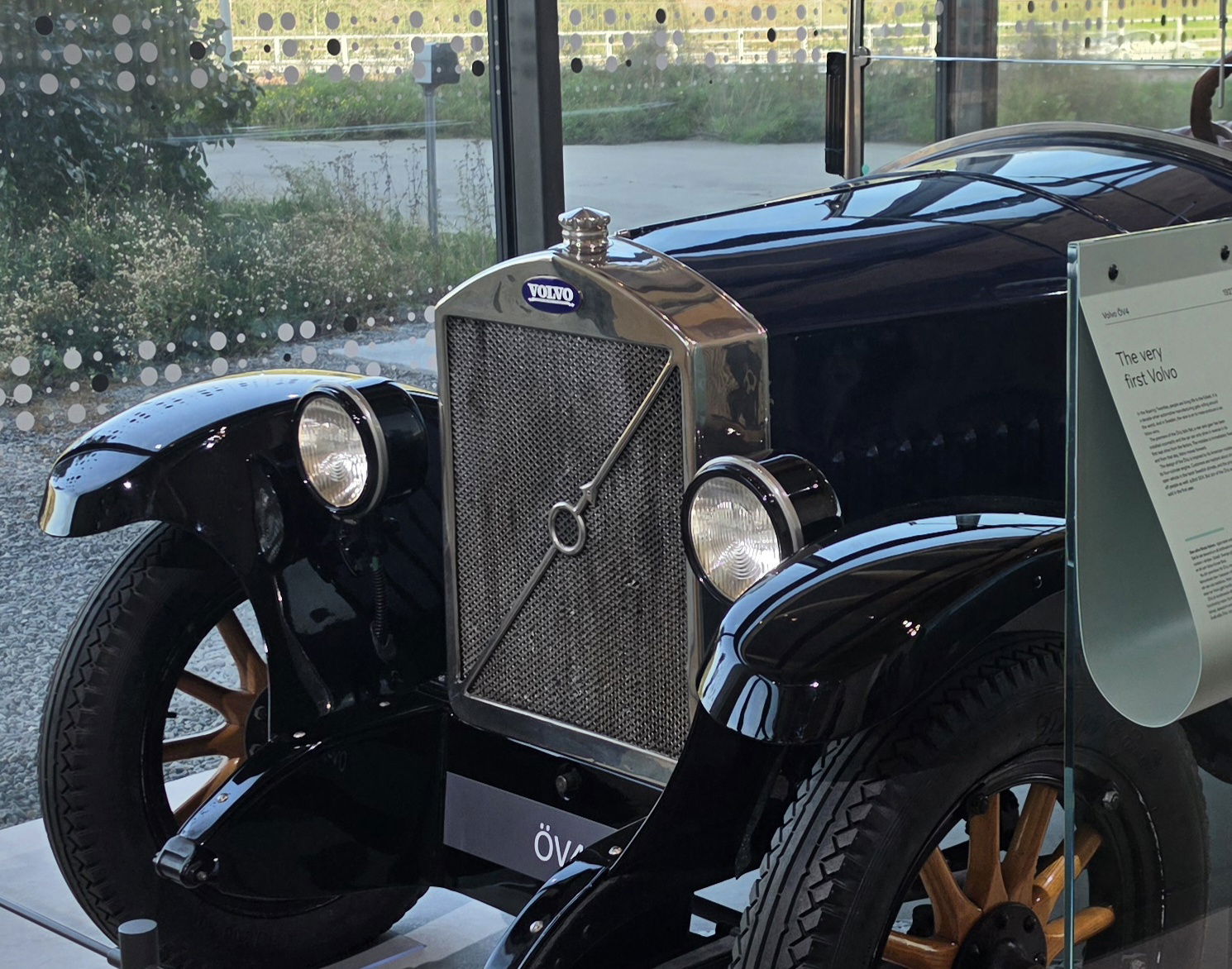
Volvo’s best-known visual symbol to this day also appeared with the first Volvo. The so-called iron mark, depicted as an arrow pointing upwards to the right from a circle, has been the symbol of iron for centuries; by using it, Volvo sought to refer to the traditions of Swedish iron and steelmaking, as well as the strength and durability associated with them. Since antiquity, the same symbol has also been associated with Mars, the Roman god of war, and later with the planet Mars.
Although Volvo began with SKF’s support, within a few years it gradually developed into an independent vehicle manufacturer. As part of this process, it acquired the Hisingen plant from SKF in 1930, where its vehicles were built, and continuously expanded its own industrial base. The ownership relationship with the parent company was finally severed in 1934, when AB Volvo bought out SKF’s remaining stake in the company. A year later, in 1935, Volvo shares were listed on the Stockholm Stock Exchange, beginning a new and now fully independent chapter in the history of the former SKF subsidiary.
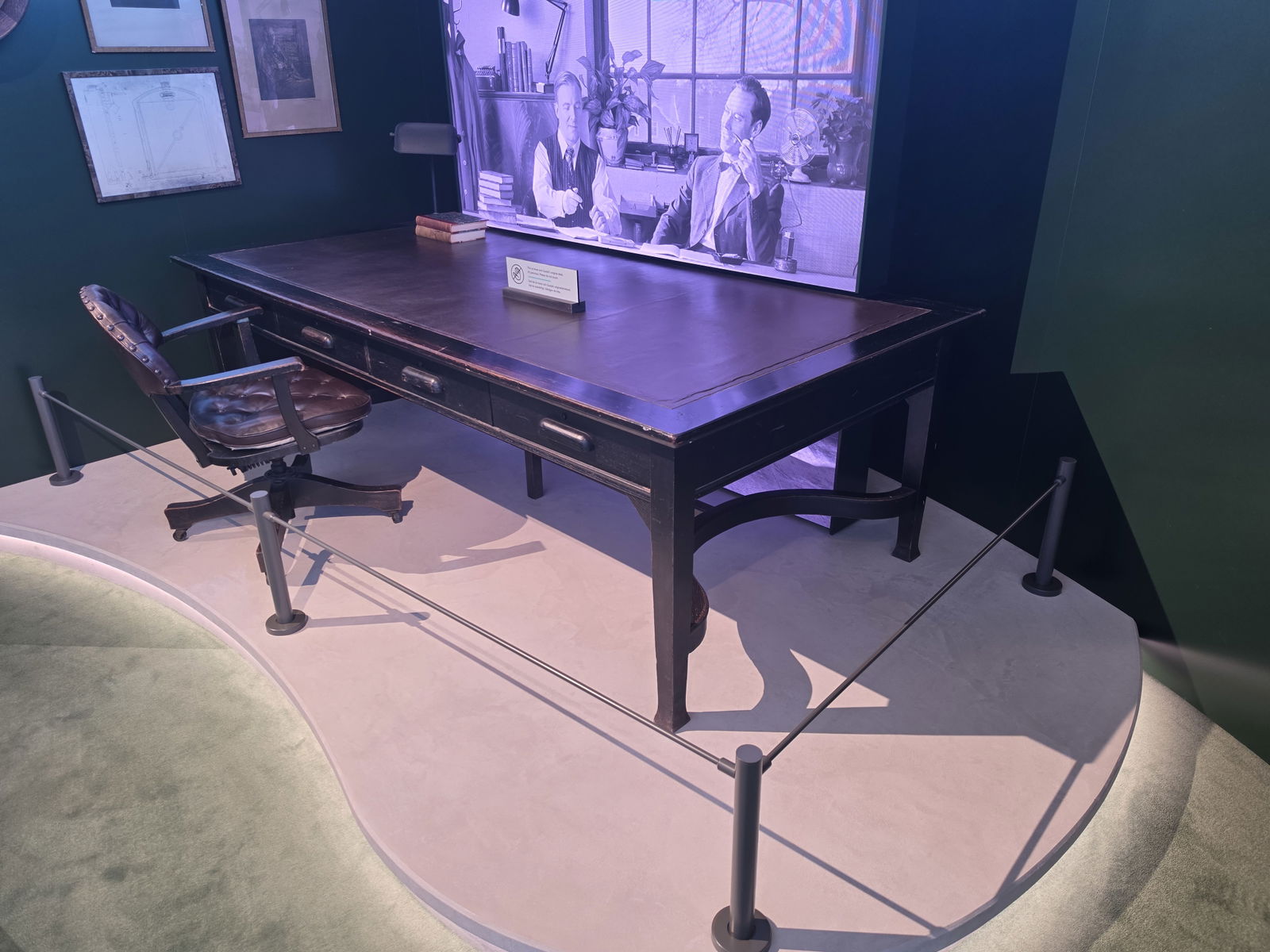
One of the most tangible reminders of the early days is still part of the World of Volvo collection. The desk at which Gabrielsson and Larson worked on bringing the new Swedish car to fruition has been preserved. The exhibited object clearly illustrates that the history of Volvo, which today encompasses passenger cars, trucks, buses, construction equipment, driveline systems and numerous related services, began as a far more modest undertaking.
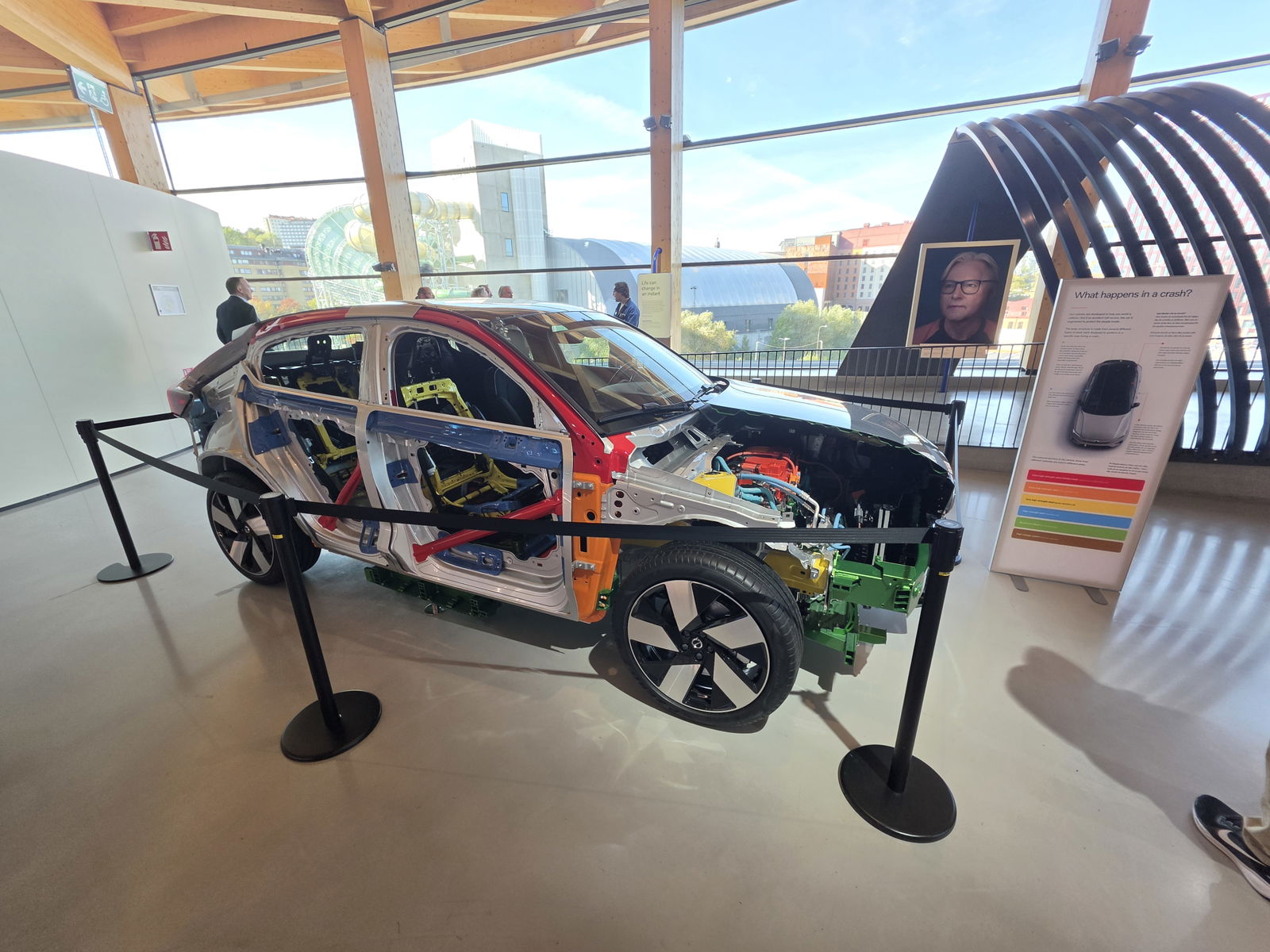
Upon entering the exhibition space, however, the focus shifts to one of the most defining values in Volvo’s history: safety. The subject is represented not merely through the brand’s best-known technical innovations: the World of Volvo also shows how the protection of people became a development philosophy spanning decades. Its roots reach back to the company’s earliest years. Gabrielsson and Larson established early on the principle that, because vehicles are driven by people and carry people, their safety must be the foremost consideration in design.
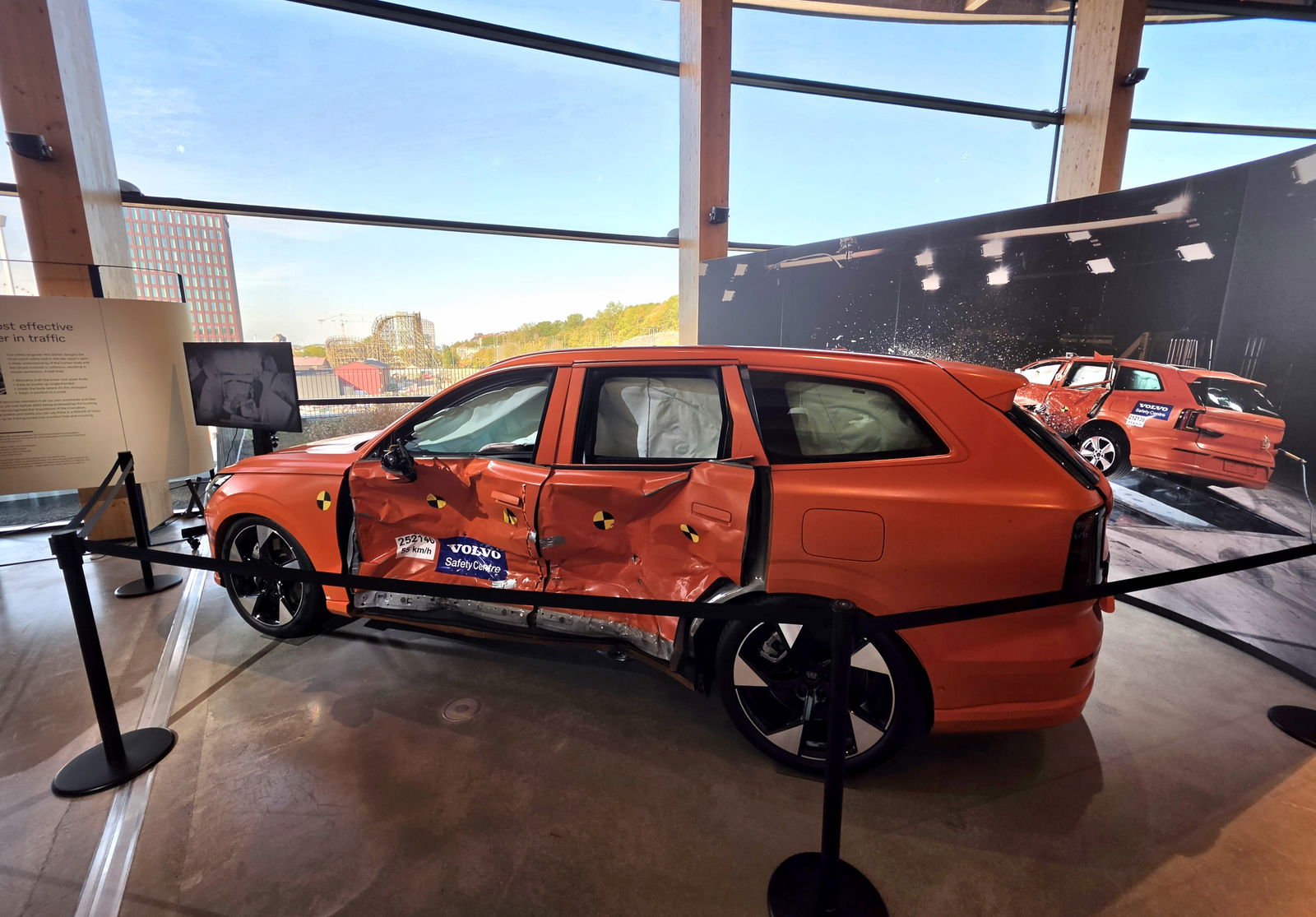
The first major milestones appeared as early as the 1940s: the PV 444, introduced in 1944, featured a safety passenger compartment and a laminated windscreen. The best-known safety development in Volvo’s history, however, arrived in 1959, when engineer Nils Bohlin created the modern three-point seat belt. Bohlin had previously worked on the development of ejector seats at Saab’s aircraft division; at Volvo, he was given precisely the opposite task: devising a solution that would safely keep people in their seats in the event of a collision.
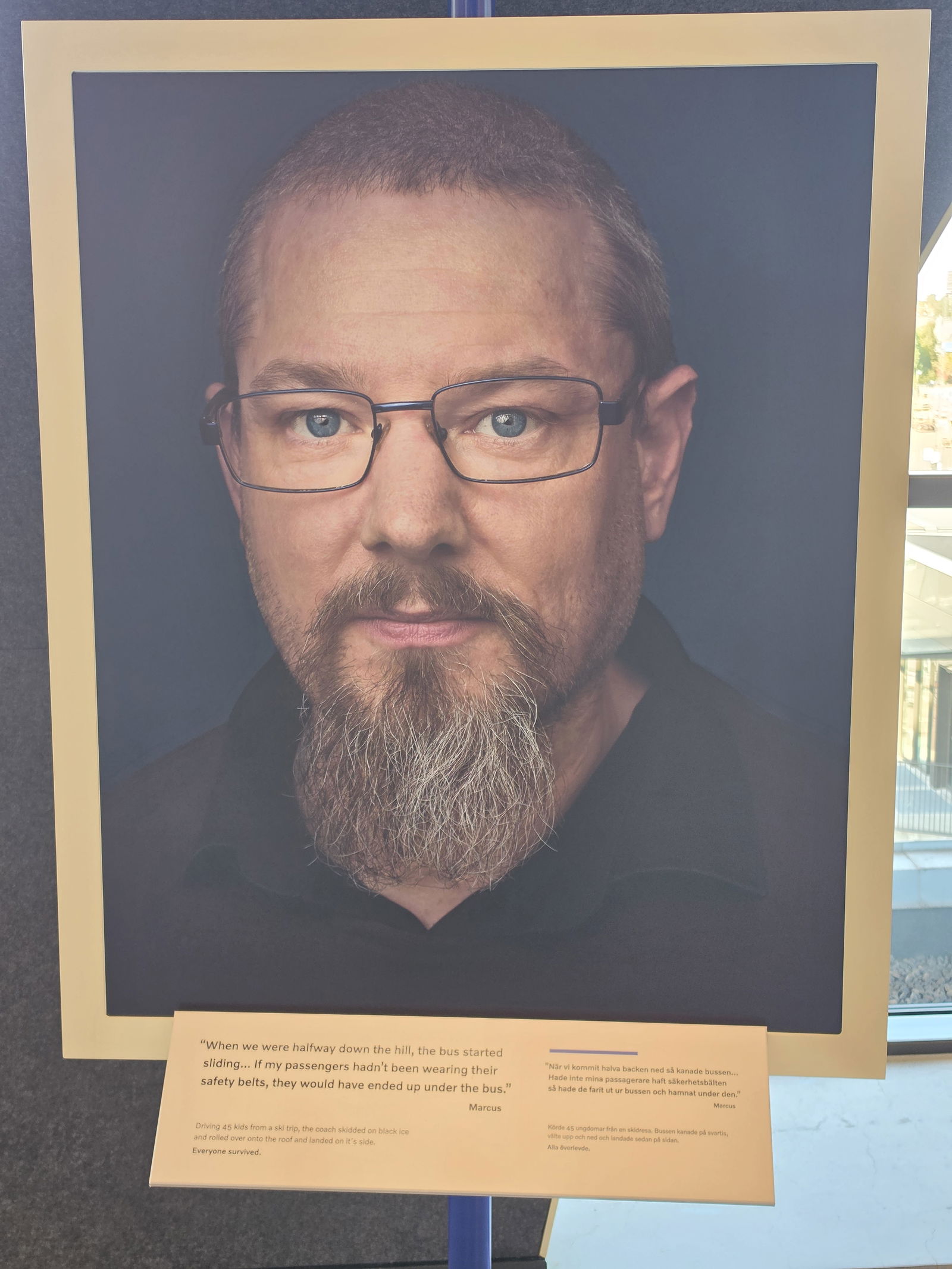
That same year, Volvo began fitting the three-point belt as standard equipment in its front seats, but the significance of the invention extended far beyond the company. Volvo decided to make the patent freely available to other vehicle manufacturers so that the solution could become as widespread as possible. The three-point seat belt has since become a fundamental safety device throughout virtually the entire automotive industry and, according to Volvo’s estimate, has saved at least one million lives worldwide.
The series of safety developments did not, of course, end there. During the 1960s and 1970s, energy-absorbing crumple zones, a split braking system, head restraints and rear three-point seat belts were introduced, among other features, while increasing attention was also paid to child protection. Volvo was already experimenting with a prototype rear-facing child seat in 1964, and introduced a booster seat for children in 1978.
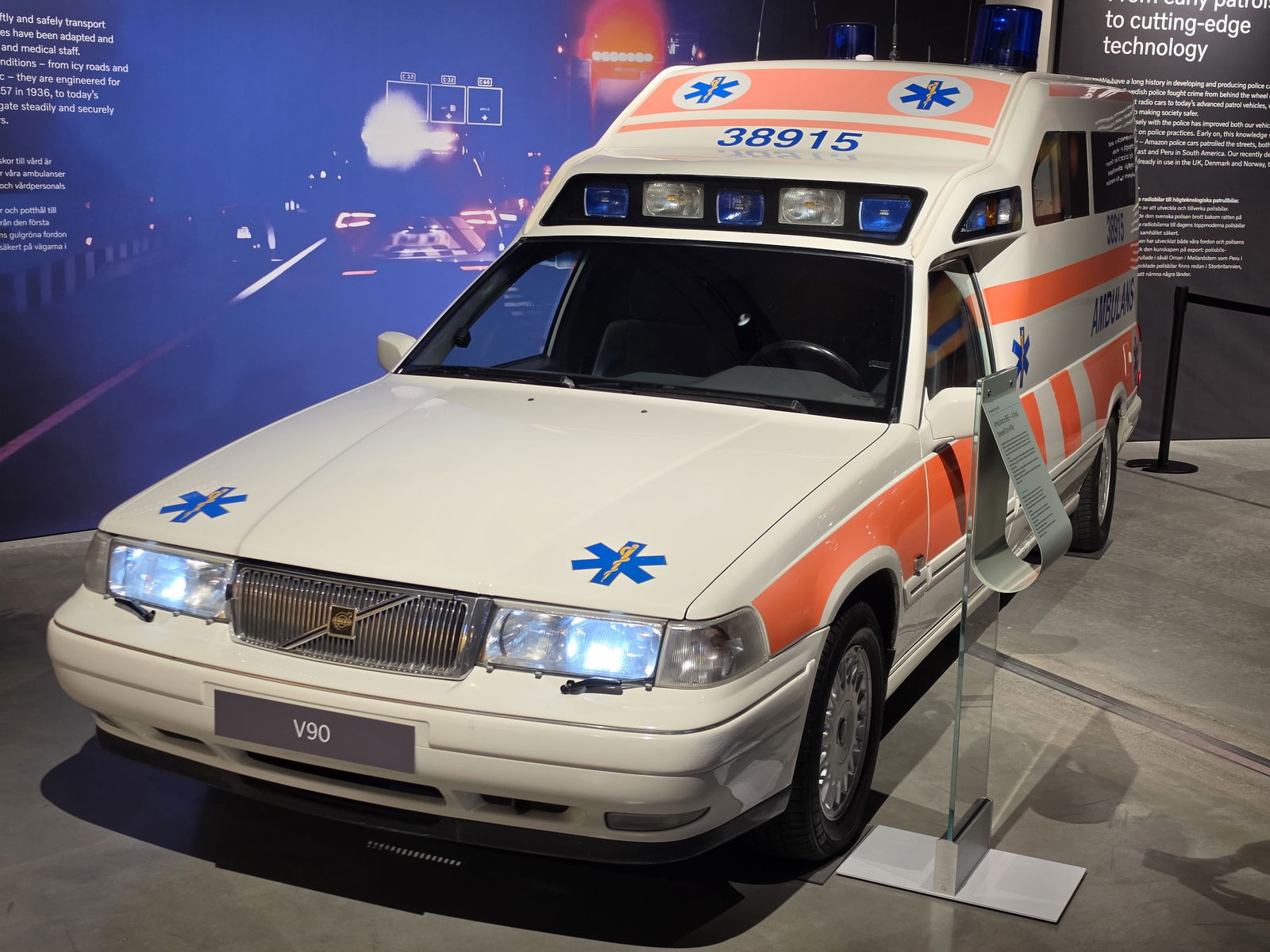
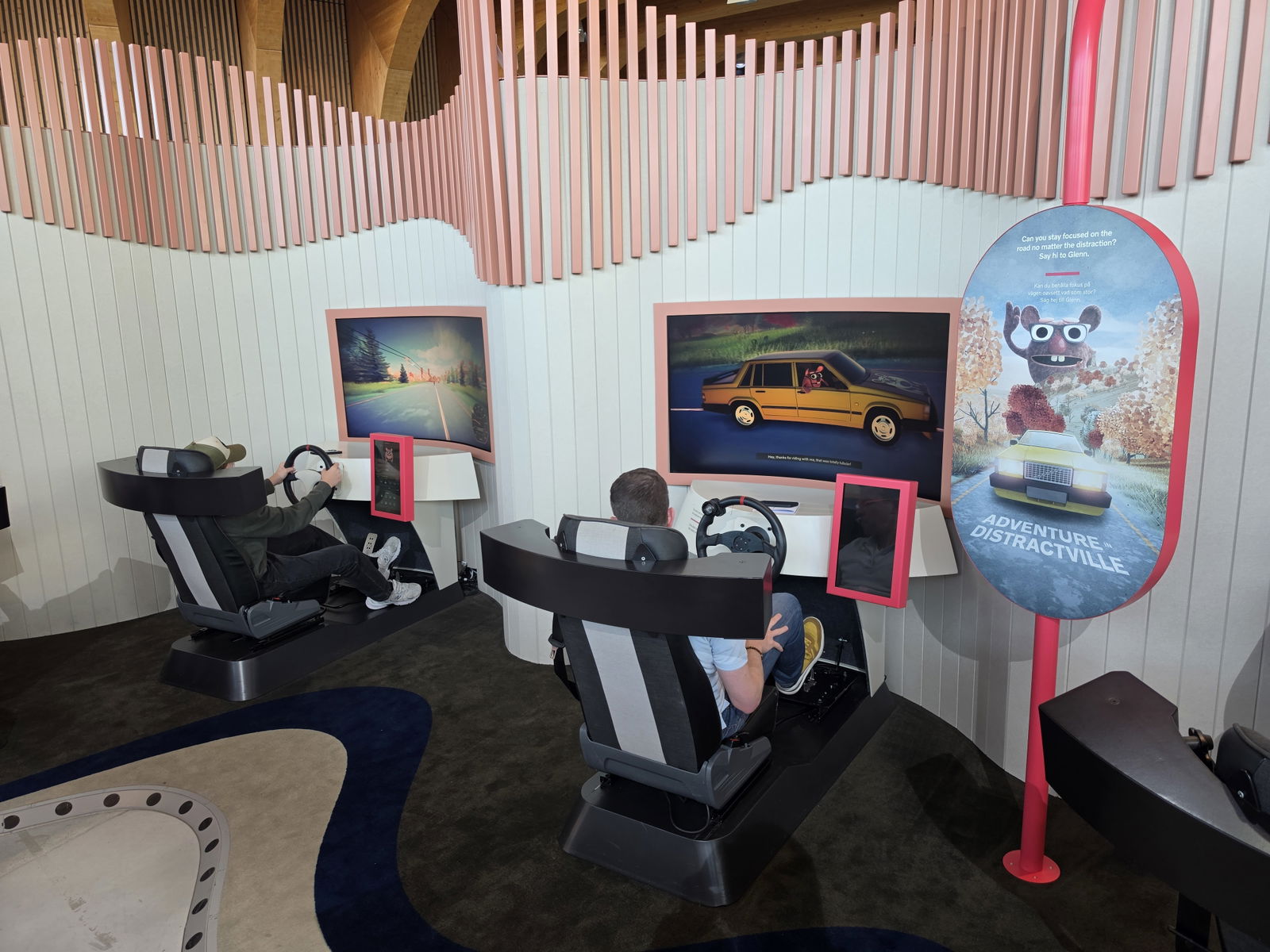
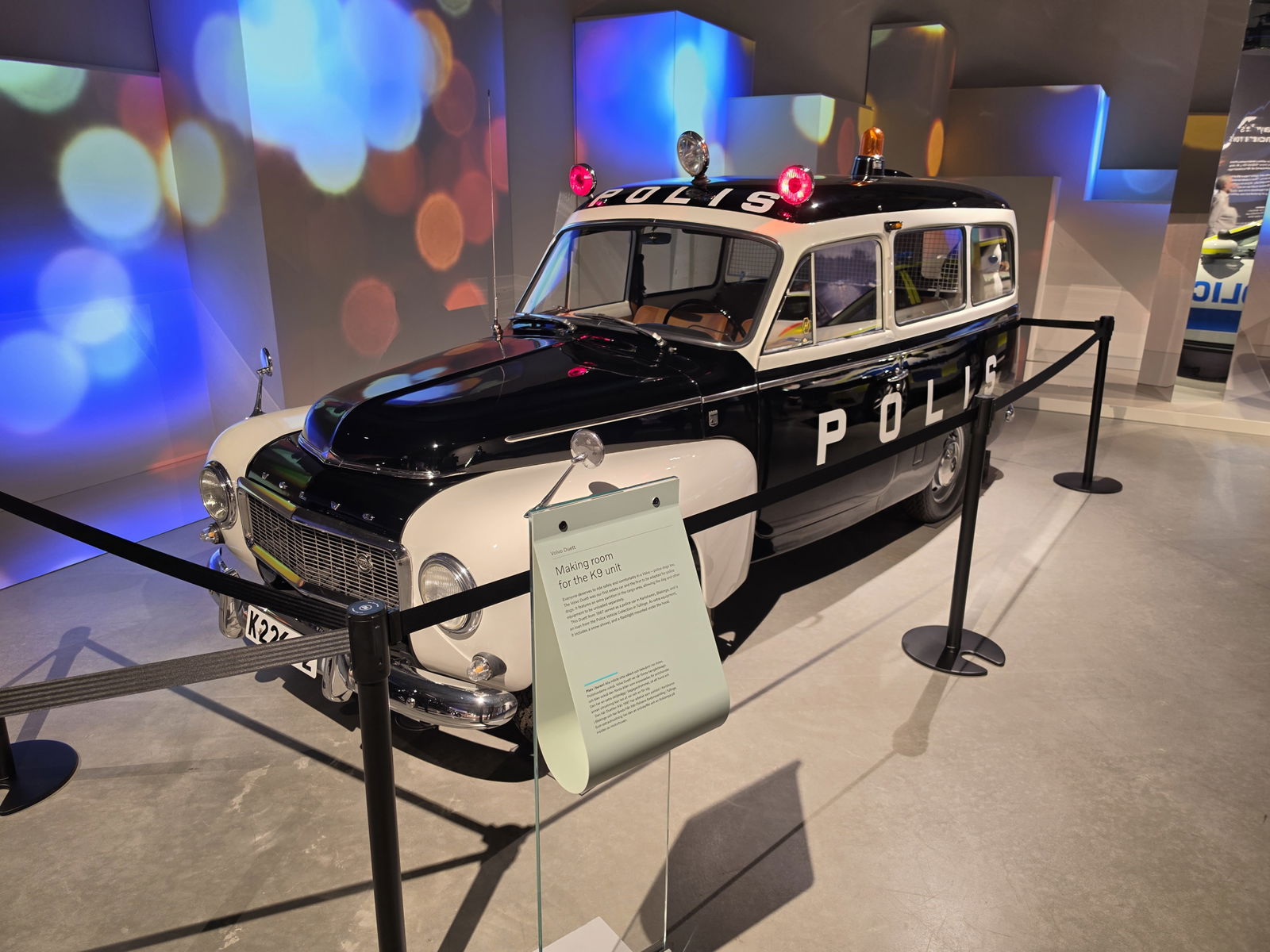
The World of Volvo does not present safety exclusively through historical objects. Through interactive elements and driving simulations, it also demonstrates the role of human attention and reaction time in avoiding accidents. The temporary exhibition “In Case of Emergency” approaches the same subject from another perspective: through fire engines, police vehicles and other special vehicles produced by Volvo for almost a century, it shows how the brand’s history has become linked with rescue work and the protection of human life. The exhibition also offers a glimpse of almost nine decades of police vehicles. Among the oldest is a 1939 Volvo PV56, one of the Swedish police’s early radio-equipped patrol cars, as well as a 1967 Volvo Duett adapted for canine police units.
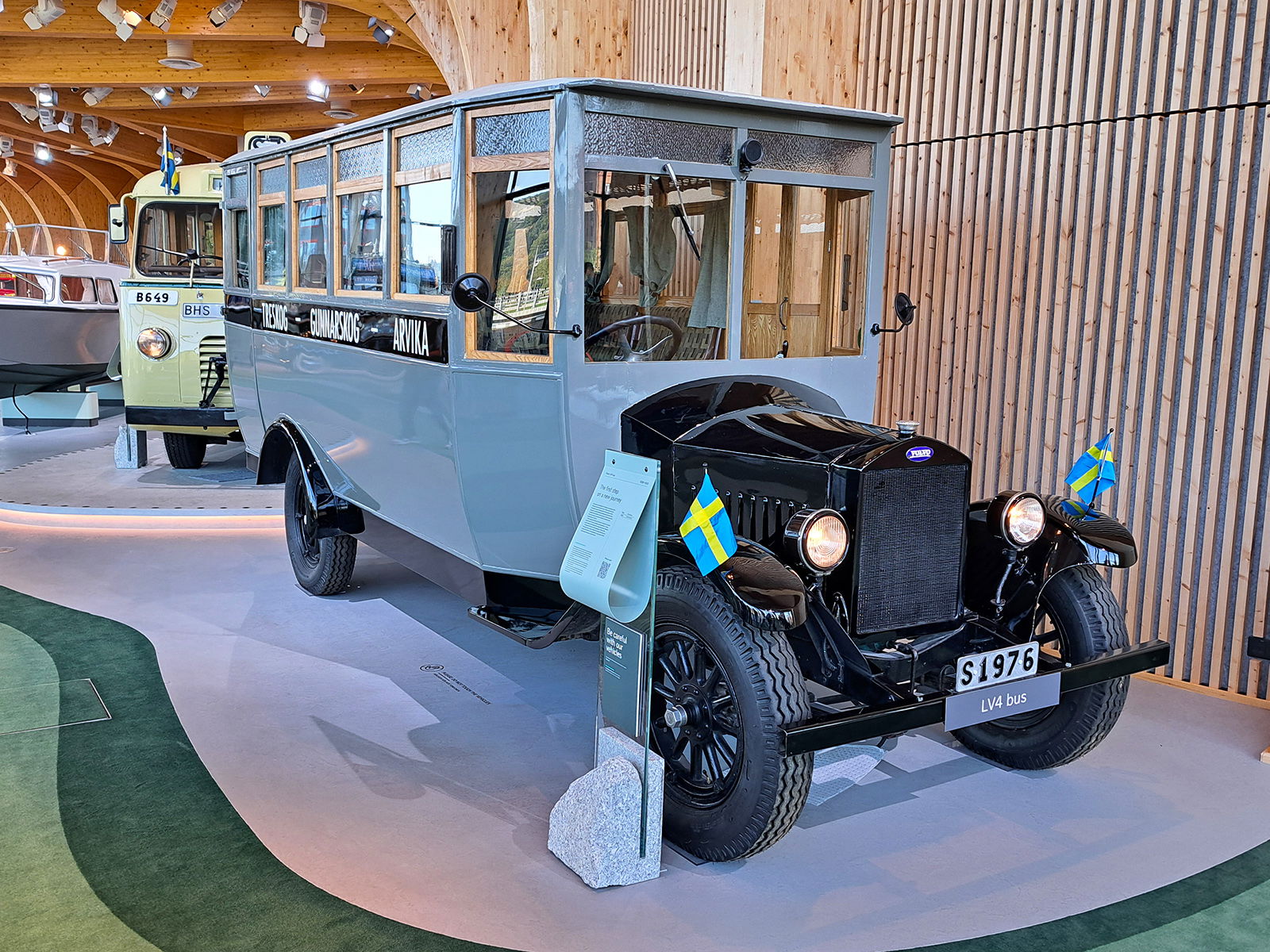
From a bus perspective, one of the World of Volvo’s most important exhibits is also the starting point of the story. Volvo’s first bus appeared at the end of 1928, barely a year and a half after the first passenger car was built. The LV4 still clearly reflects the characteristics of bus production at the time: Volvo supplied the chassis and driveline, while the body was built by an independent coachbuilder, Arvika Vagnsfabrik. Capable of carrying just 15 passengers, the vehicle was fitted with the same 1.9-litre four-cylinder petrol engine used in the ÖV4 passenger car and the first Volvo trucks. Its output of 28 horsepower may seem modest by today’s standards, but this was less of an issue at a time when buses were permitted a maximum speed of 20 km/h.
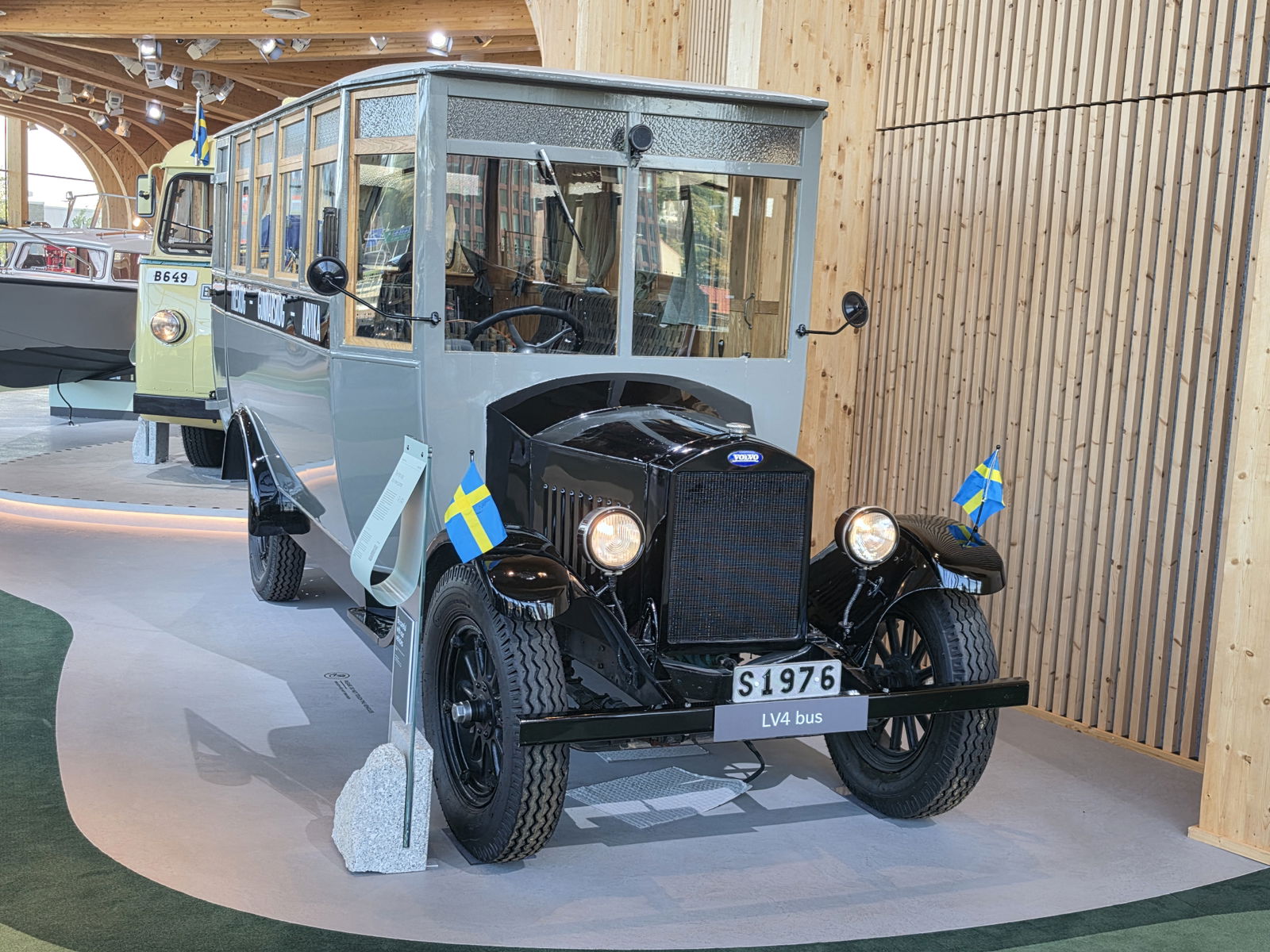
Only two such buses with four-cylinder engines are known to have existed, and only one of them has survived. The example now displayed at the World of Volvo operated in Värmland before being found and restored decades later by Bernt Olsson in Säffle. The vehicle is special not only because of its age: its hand-crafted wooden ceiling, mesh luggage racks and mechanically operated driver’s door clearly demonstrate how far bus technology has progressed over the past almost hundred years.
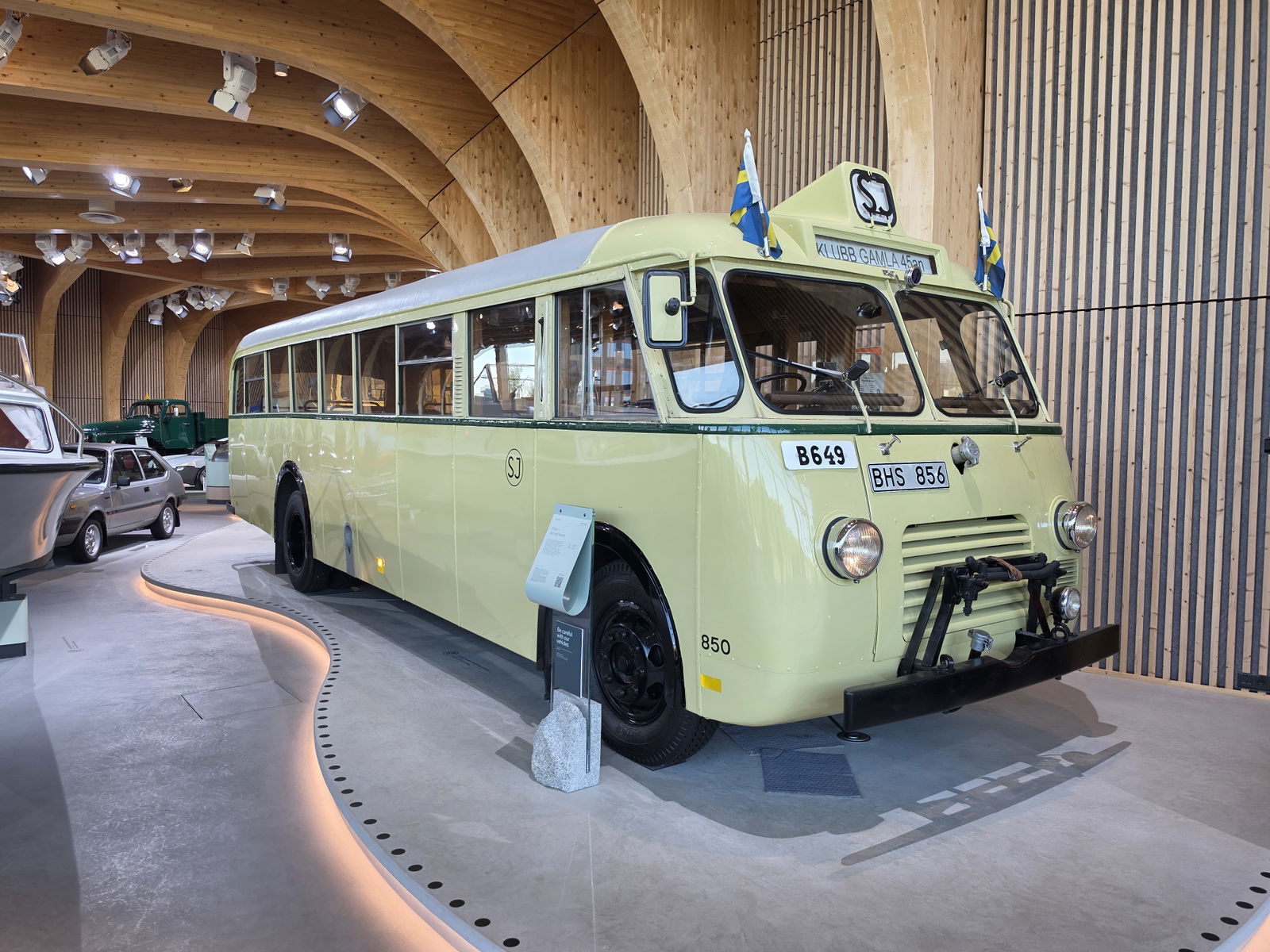
The next era of development is represented by the Volvo B513 on display. The type appeared in 1945, directly after the end of the Second World War, and was already fitted with a diesel engine. Moreover, the vehicle preserved at the World of Volvo is no ordinary example: with chassis number 2, it was the first B513 delivered to a customer, as the vehicle with chassis number 1 served as a prototype. Its 6.1-litre six-cylinder diesel engine produced 95 horsepower, and a total of 3,841 examples of the type were built between 1944 and 1952. The body of the bus on display was built by Svenska Karosseri Verkstäder of Katrineholm, and it was originally ordered by the railway-affiliated Svenska Omnibus AB; following the nationalisation of that company, it passed to the bus division of Swedish State Railways, SJ.
The almost two decades between the two vehicles brought enormous technical progress, but one fundamental characteristic remained: for a long time, Volvo was present in the bus market primarily as a manufacturer of chassis and drivelines, while the bodies of finished vehicles were built by various coachbuilding companies. This arrangement played a defining role not only in Sweden, but also later in Volvo’s international expansion.
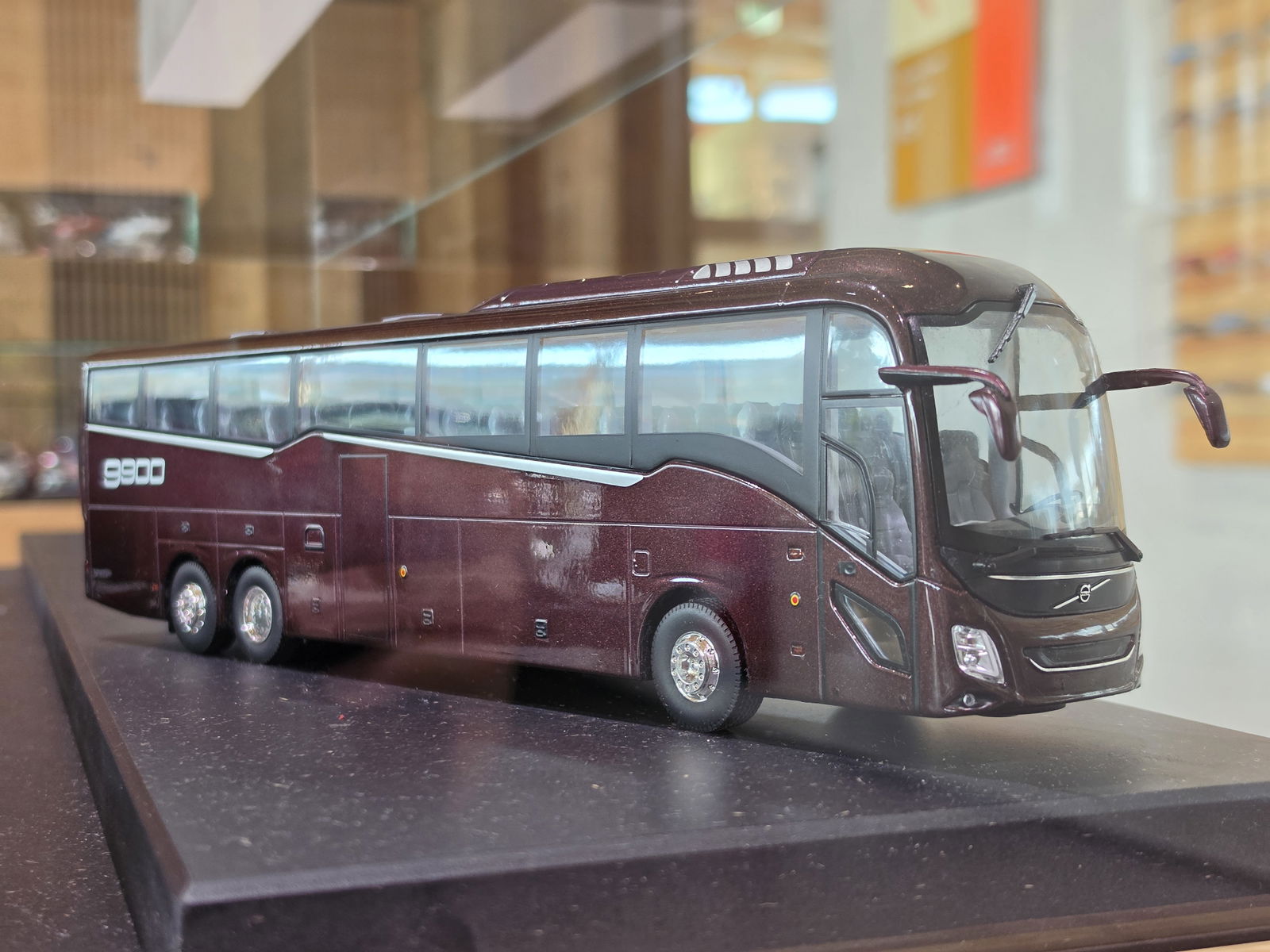
A Hungarian player also appeared among the collaborating coachbuilders. Ikarus and Volvo established a partnership in the second half of the 1960s, one of whose best-known results was the Ikarus 657. Developed for Swedish requirements, the type was built on a Volvo B715-18 chassis, while its body was produced by Ikarus’s Special Vehicle Production Unit. The relationship did not end there: further Volvo-chassis designs also appeared among the models produced by Ikarus and Ikarus EAG for various Scandinavian markets.
Over time, however, Volvo sought to bring an increasing share of body production under its own control. To this end, it acquired Sweden’s Säffle Karosseri in 1981, Germany’s Drögmöller and Denmark’s Aabenraa Karrosseri in 1994, and then gained a majority stake in Finland’s Carrus in 1998. Alongside the model previously based primarily on chassis and external coachbuilding partners, complete buses built at plants belonging to Volvo increasingly came to play a greater role. Interestingly, the story has in part come full circle in recent times. In 2023, Volvo Buses announced that it would reshape its European business model and close its Wrocław bodybuilding plant. The company once again placed the emphasis on the development and manufacture of chassis and driveline systems, while offering complete buses in cooperation with external coachbuilding partners. The decision was driven by the European bus business’s loss-making operations for years and the need to improve long-term competitiveness. Thus, after almost a hundred years, Volvo has in a sense returned to the same basic model represented by the 1928 LV4: the Swedish manufacturer provides the technical basis, while the body is built by a specialised partner.
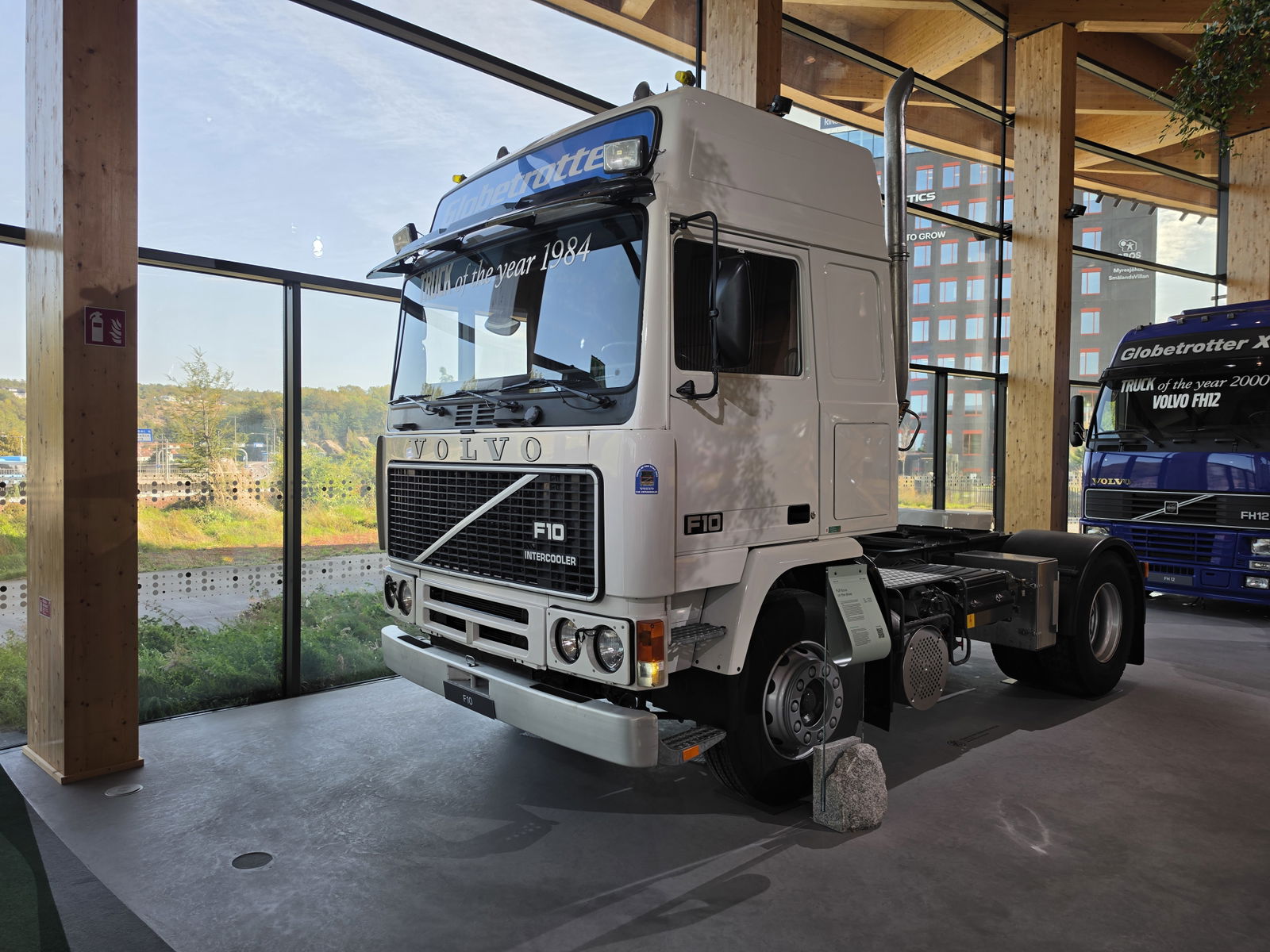
Alongside buses, Volvo’s other defining commercial-vehicle business, truck manufacturing, is naturally also prominently represented at the World of Volvo. The company took its first steps in this field in 1928, the same year as the first bus appeared, when the LV Series 1, Volvo’s first truck, was introduced. The vehicles on display include two important milestones in the Swedish manufacturer’s subsequent development.
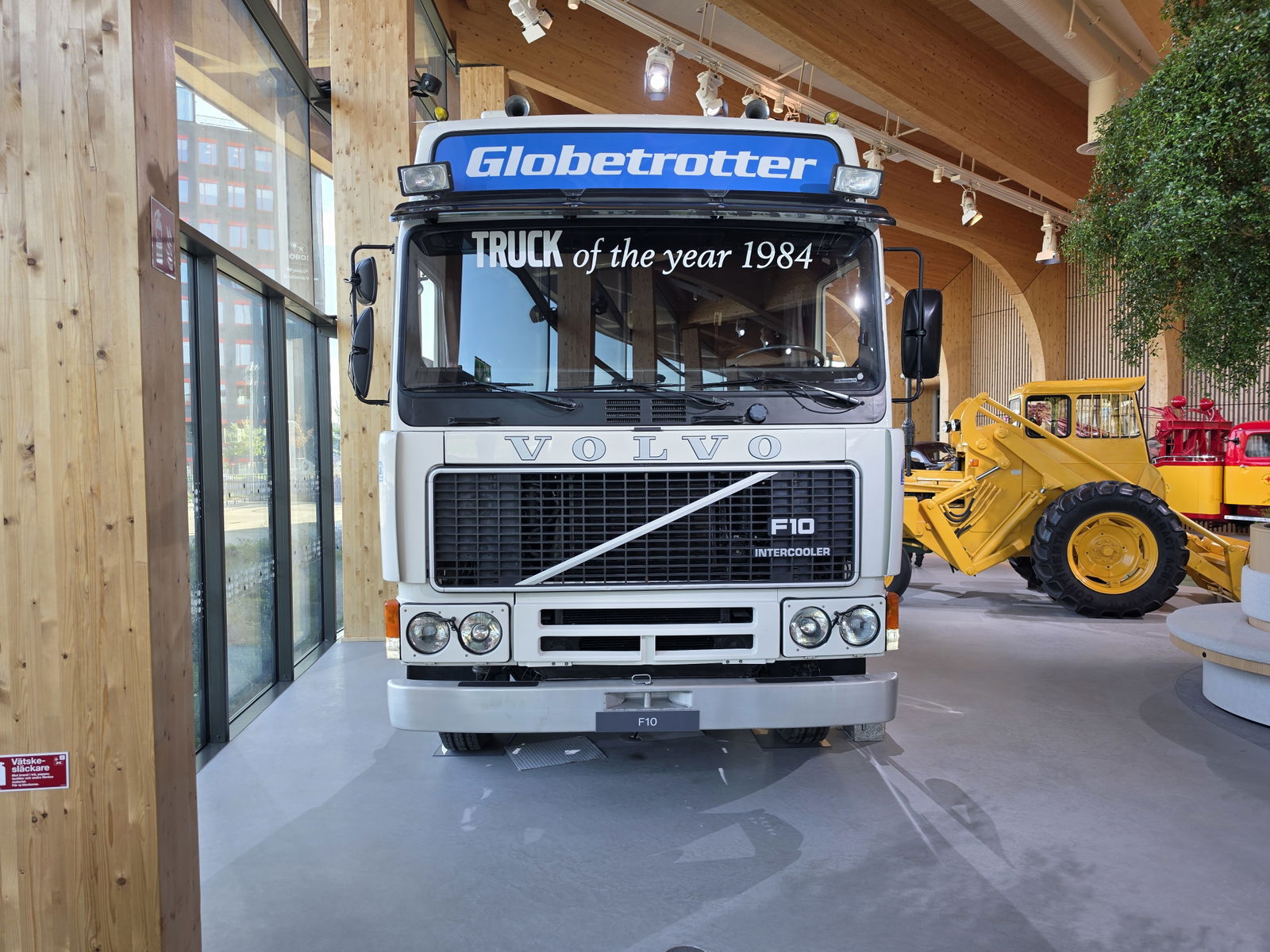
One is a Volvo F10, representing the F10/F12 family introduced in 1977. The model family marked a significant advance not only technically, but also in terms of drivers’ working conditions, as driver comfort and safety played a prominent role in its development. Volvo’s historical overview highlights the F10/F12 series as one of the developments of the 1970s that placed the company at the forefront in quality, safety and environmental protection.
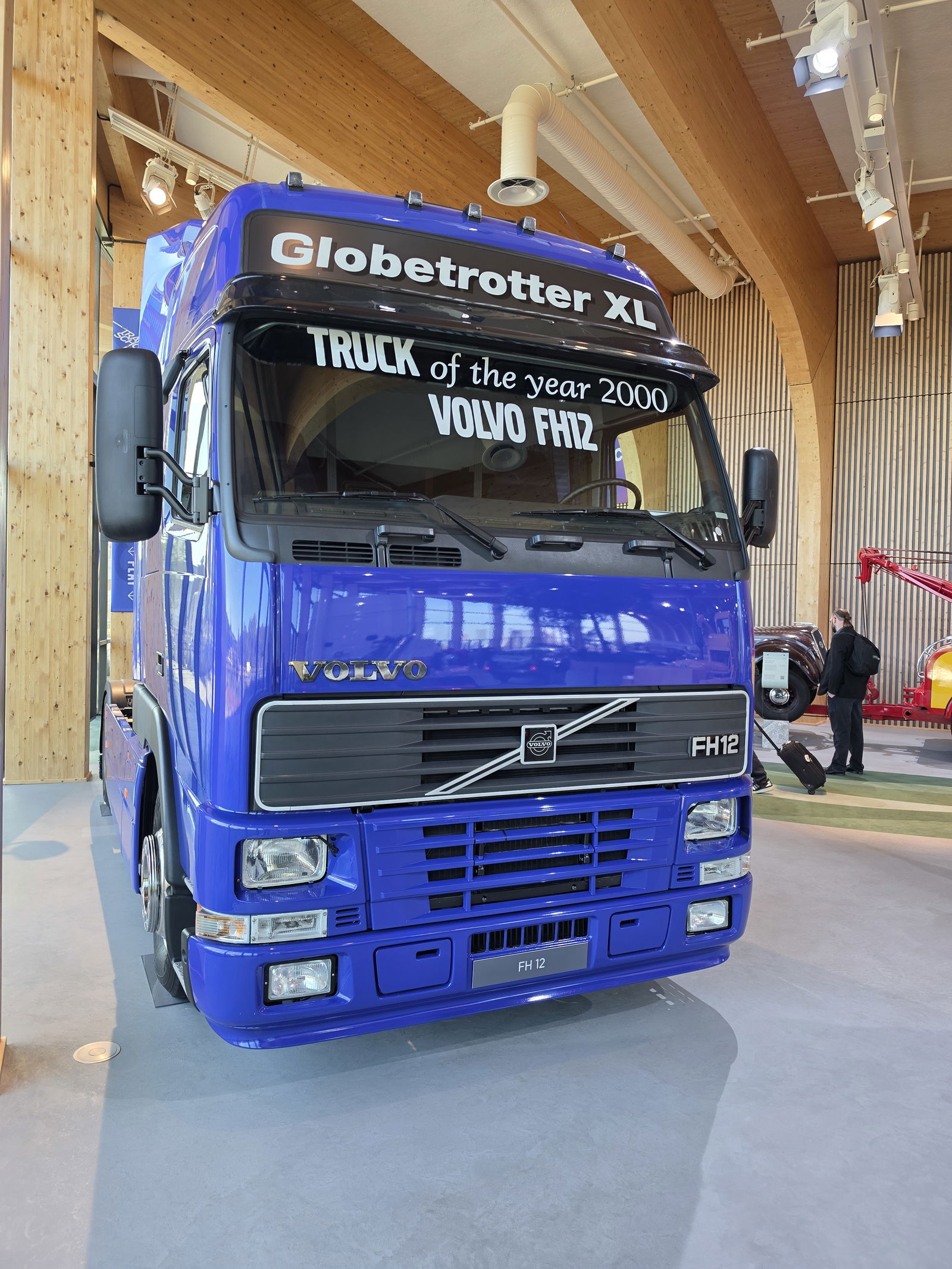
Alongside it, representing a much more modern era, is a Volvo FH12. Introduced in 1993, the FH generation put Volvo’s heavy truck range on a new footing. One of its most important innovations was the D12 diesel engine, also launched in 1993, which represented a new technical standard with electronic engine management and Volvo’s own VEB engine brake. The FH proved such a successful design that, more than three decades later, its designation remains a defining name in Volvo’s heavy truck range.
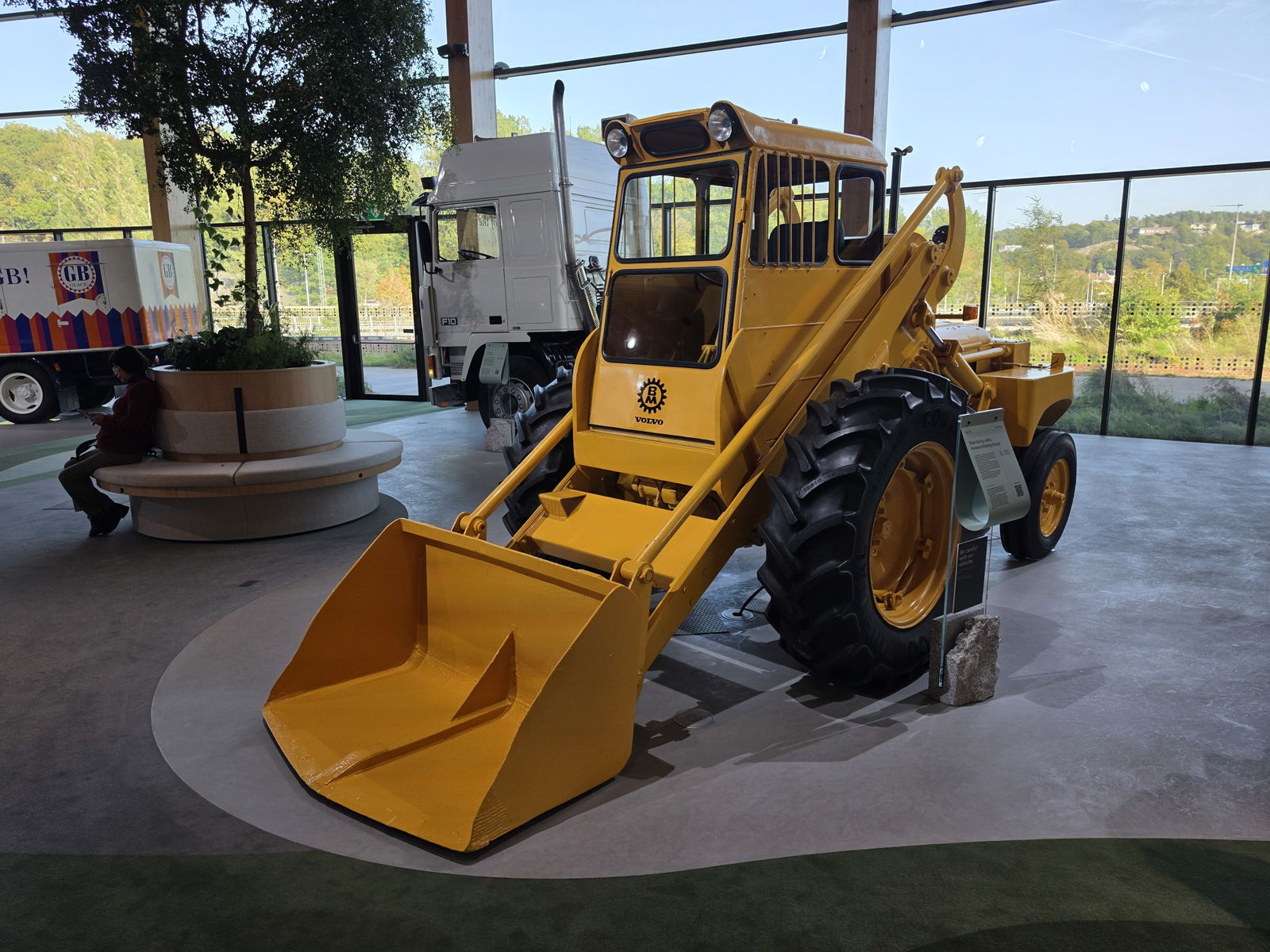
At the same time, World of Volvo also serves as a reminder that the company’s history does not end with road vehicles. Volvo acquired one of the most important predecessors of its construction equipment business, AB Bolinder-Munktell, in 1950, and four years later the H10 was born: the company’s first wheel loader, an example of which can also be seen in the exhibition. The design was based on a conventional tractor turned around: the loading equipment was positioned above the larger wheels, enabling heavier loads to be handled and greater breakout force to be achieved. The H10 was also the world’s first wheel loader to feature a work attachment mounting frame and a lifting mechanism providing parallel movement.
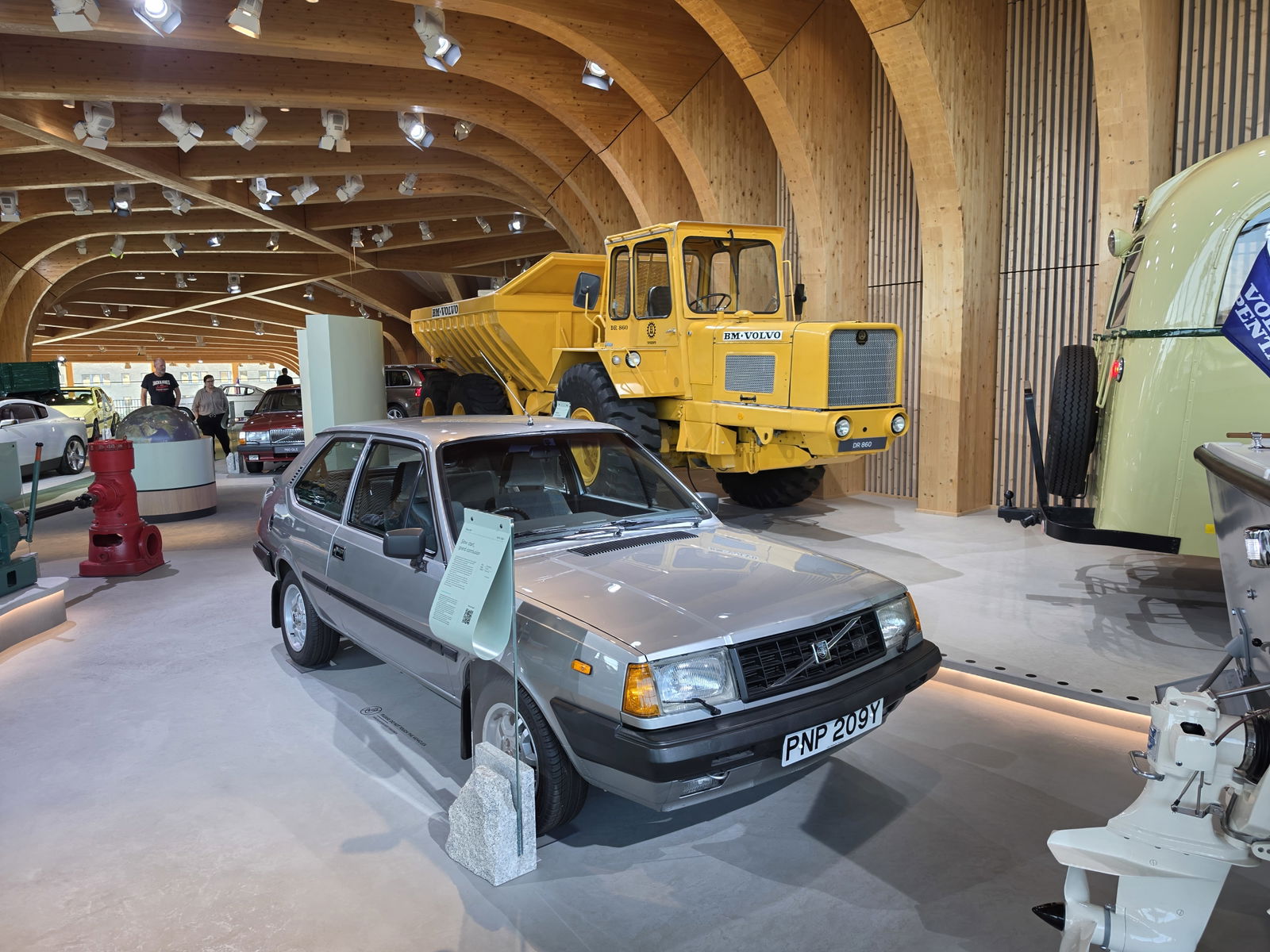
The next era of construction equipment development is represented by a BM-Volvo DR860 articulated hauler. Volvo and Bolinder-Munktell introduced the world’s first series-produced articulated hauler in 1966, while the subsequent DR860 was built between 1967 and 1969. With an unladen weight of 11.4 tonnes, the machine could carry 15 tonnes or 10.5 cubic metres of payload; its Volvo D50A diesel engine produced 110 SAE horsepower at 2,400 rpm, and it had a 6×4 drive configuration.
AB Bolinder-Munktell adopted the Volvo BM name in 1973 and, from 1977, focused its activities exclusively on the development, manufacture and sale of construction equipment. This business developed into today’s Volvo Construction Equipment, now one of the Volvo Group’s key companies.
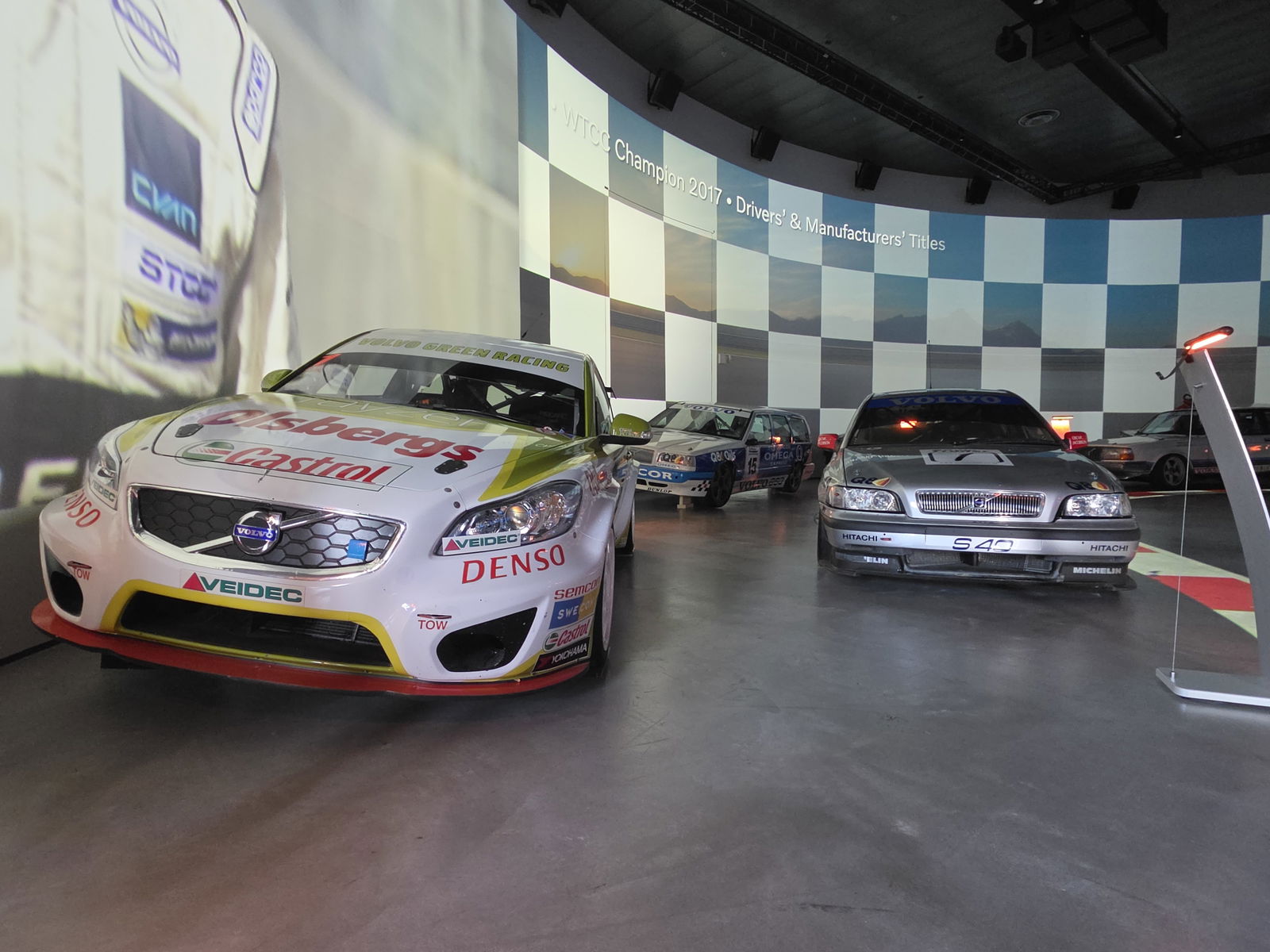
A very different side of Volvo’s history is presented by World of Volvo’s “Volvo in Motorsport” exhibition, which recalls the Swedish brand’s achievements in rallying, car racing and truck racing. The story stretches back to the late 1920s, when the very first Volvo ÖV4 was already appearing in various competitions. Over the following decades, motorsport was not only about performance, but also became a unique testing ground for technical development, durability and safety.
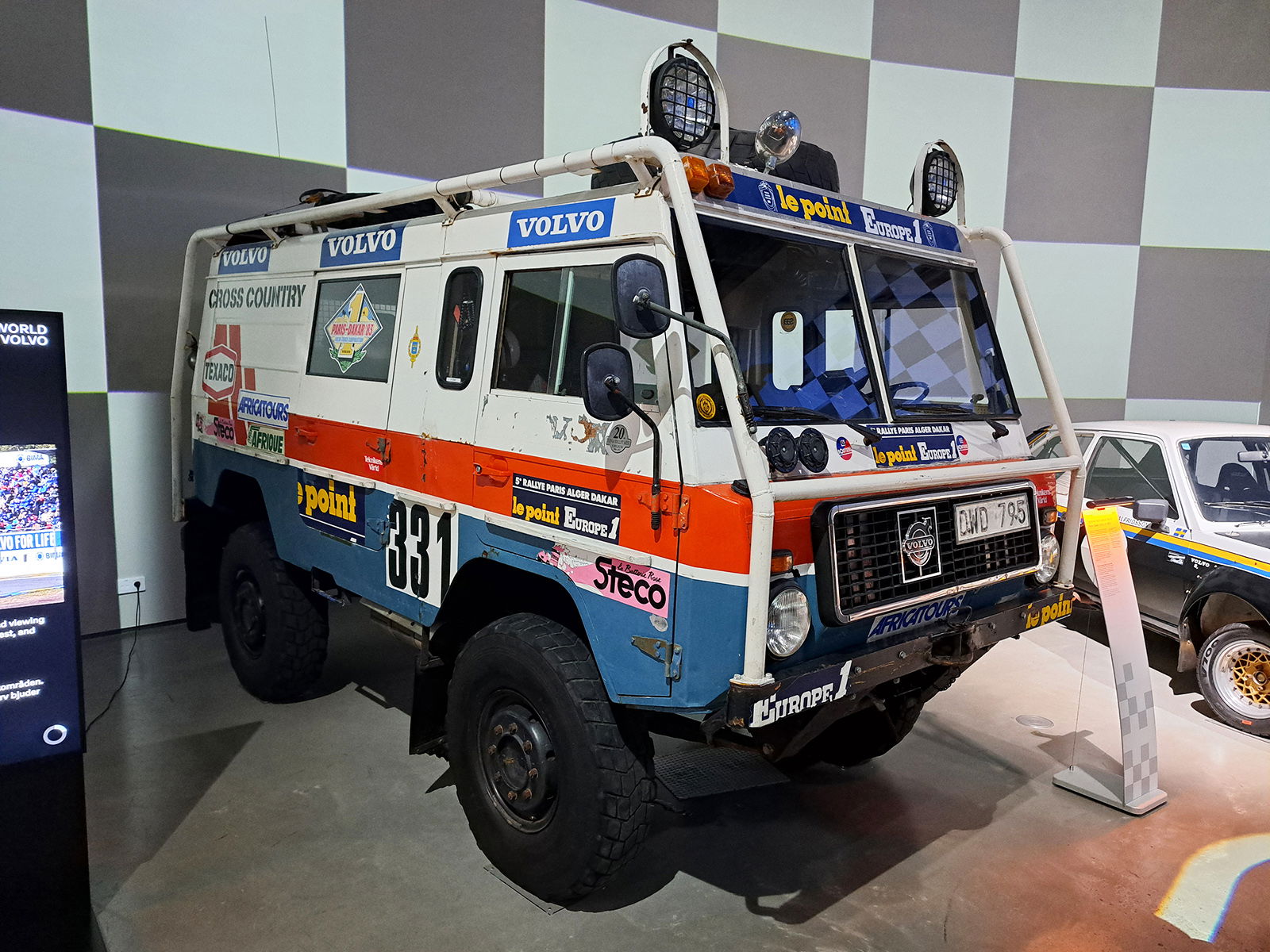
One of the exhibition’s most interesting exhibits is a Volvo C303 off-road vehicle that competed in the 1983 Paris–Dakar Rally. Developed for military purposes and equipped with portal axles, the C303 proved its exceptional off-road capabilities in one of the world’s toughest endurance events: Hasse Henriksson, Sture Bernhardsson and John Granäng started the 1983 Dakar in this vehicle.
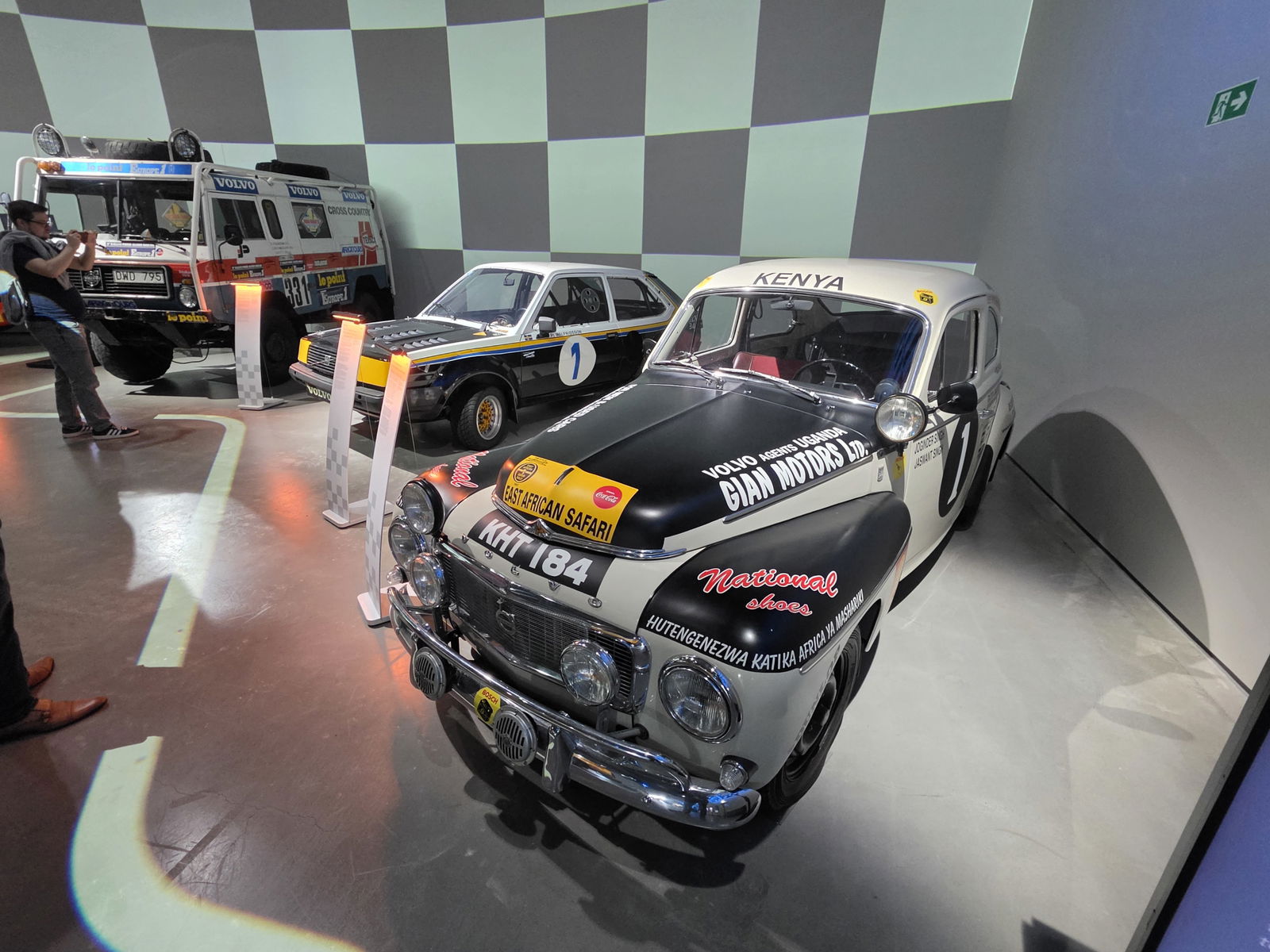
An earlier chapter of Volvo’s rallying past is recalled by the 1965 East African Safari Rally. Joginder and Jaswant Singh entered the exceptionally demanding African event in a second-hand Volvo PV544, which they eventually won by a margin of more than an hour.
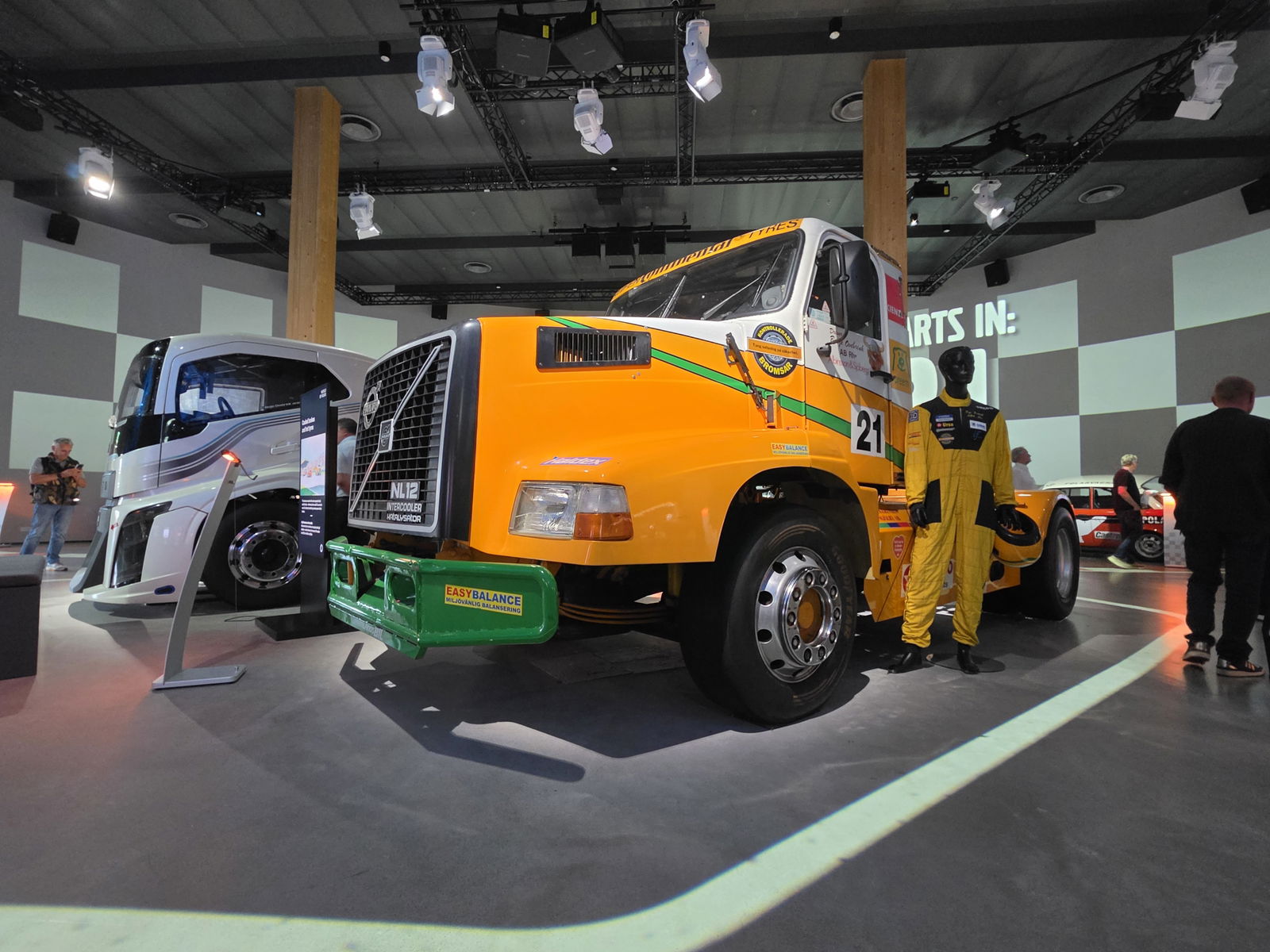
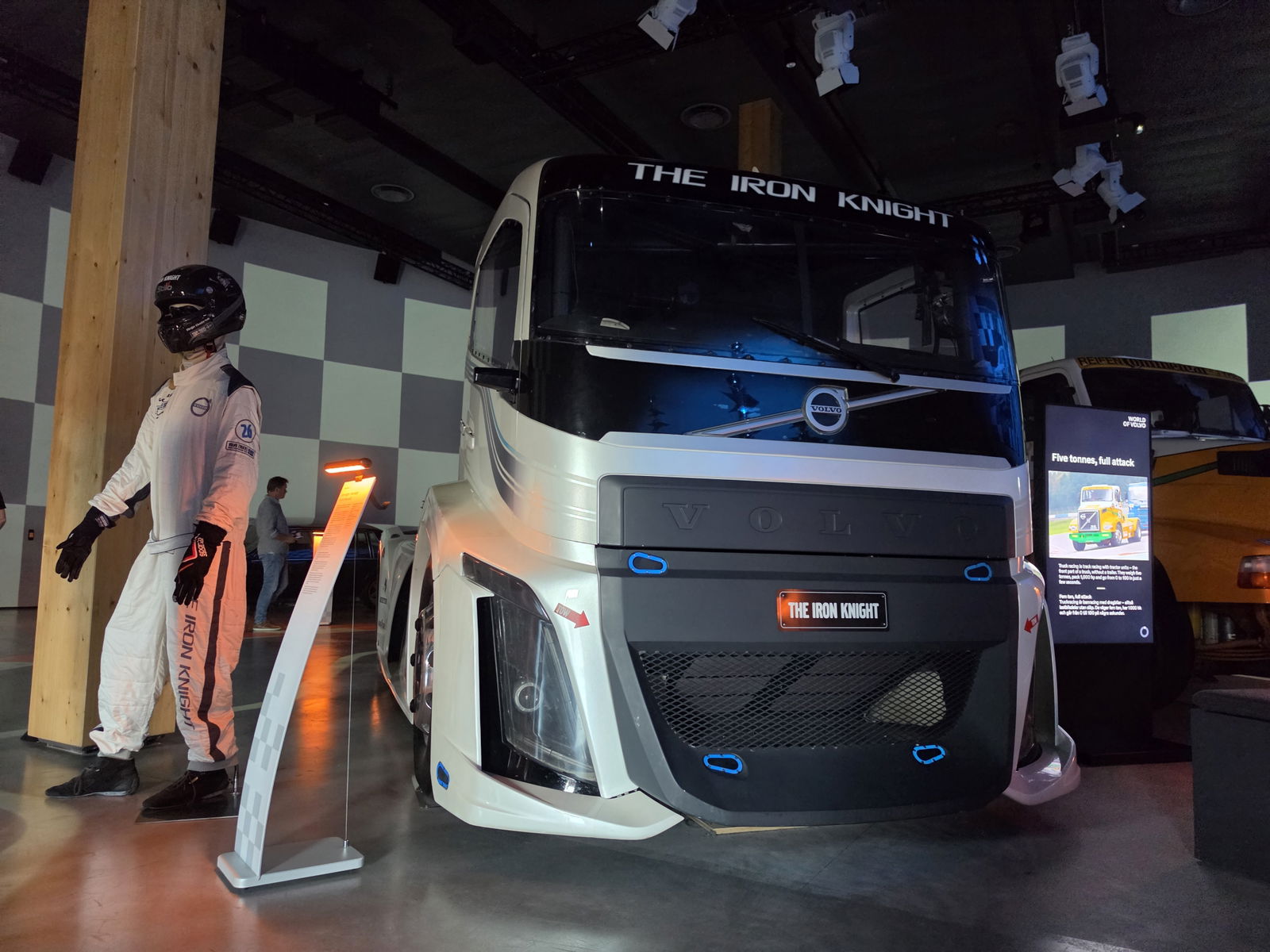
Heavy vehicles were not left out of motorsport either. One of the exhibition’s most spectacular exhibits is the heavily modified Volvo NL12 racing truck named “Bettan”, which competed in the 1990s with an output of 1,000 horsepower. At the other extreme is the The Iron Knight record vehicle: this special truck, built by Volvo engineers, reached 276 km/h and set speed world records.
Alongside the historic vehicles, World of Volvo presents several concept cars that, in their own time, pointed towards the direction in which the Swedish manufacturer might develop. They are particularly interesting because many solutions that were still considered experimental when they were unveiled appeared on production Volvos years later.
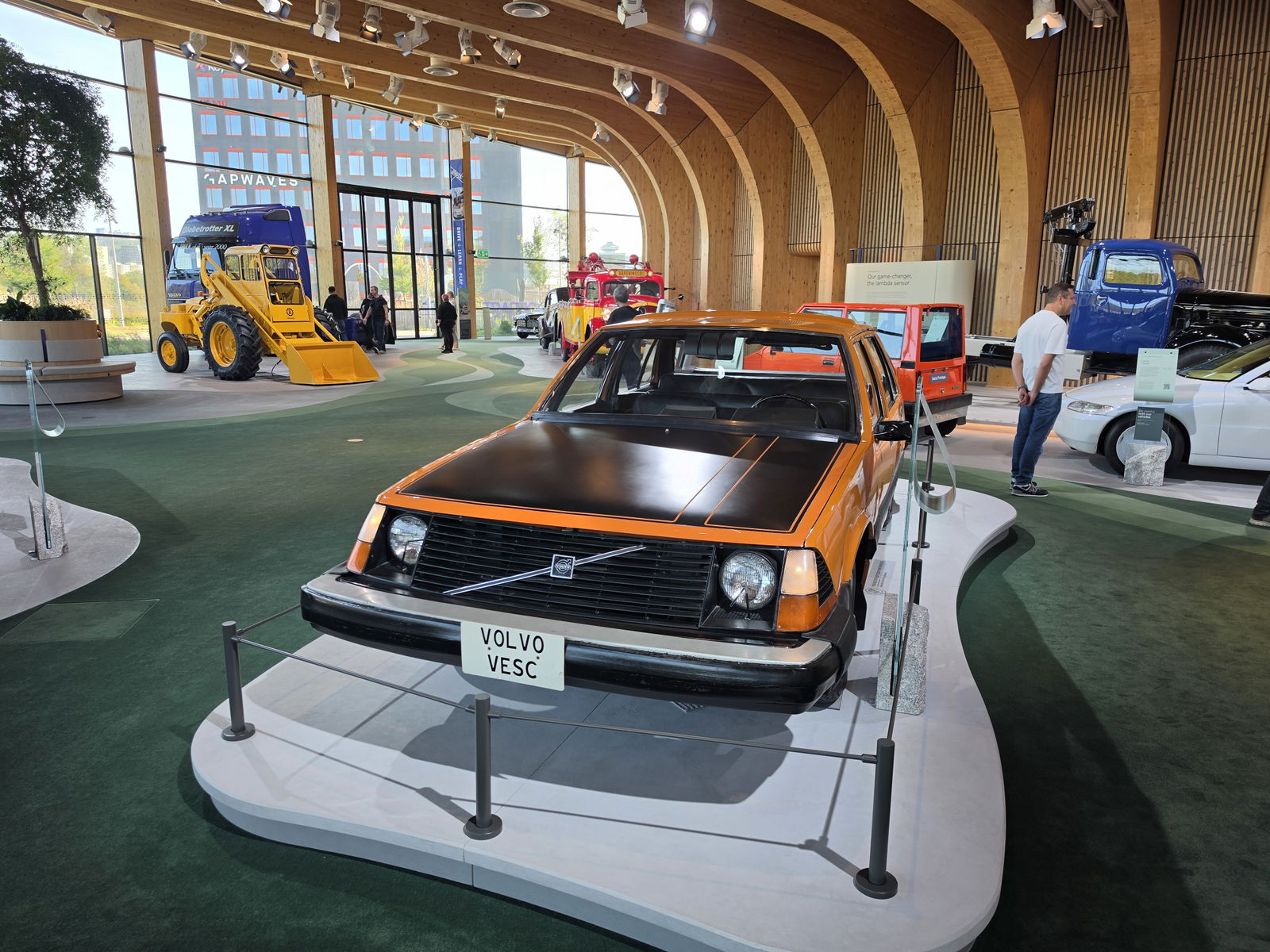
Among them is the Volvo Experimental Safety Car, or VESC, introduced in 1972, which essentially served as a mobile laboratory for testing future safety solutions. The concept featured numerous technologies that were still almost futuristic at the time: a precursor to ABS, airbags, a steering column that retracted in a collision, reinforced side protection, automatic seatbelts and a fuel supply system that was automatically cut off in the event of an impact.
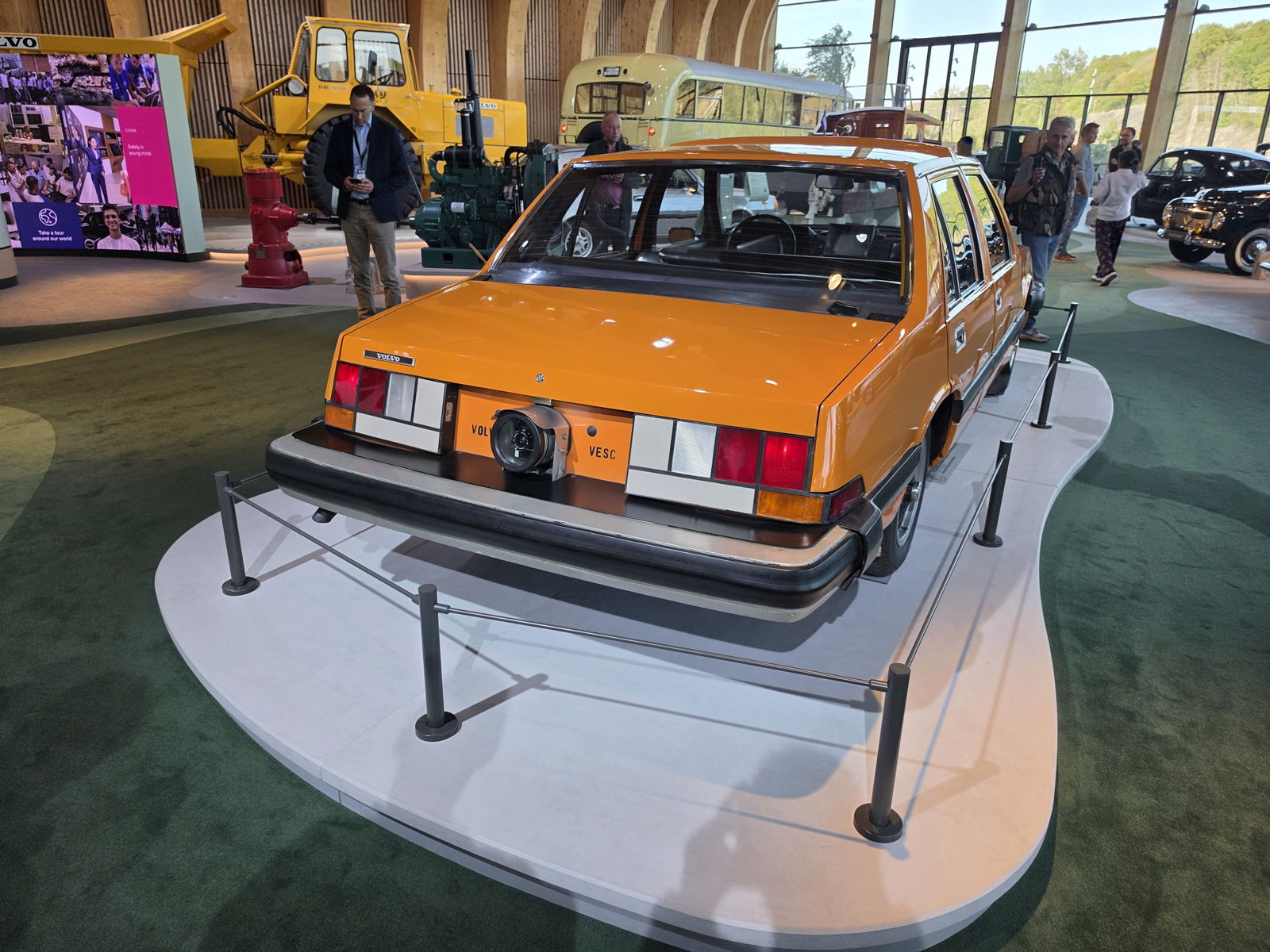
A particularly striking feature was the reversing camera, whose image the driver could view on a cathode-ray tube monitor built into the dashboard – all this in 1972, decades before similar systems became more widely available in production passenger cars. Manoeuvring was also assisted by an acoustic reversing warning system. The VESC was also fitted with telescopic bumpers that could protect the bodywork from permanent deformation in minor impacts at speeds of up to 16 km/h. The concept was forward-looking in stylistic terms too: many of its details already foreshadowed the Volvo 240, introduced in 1974.
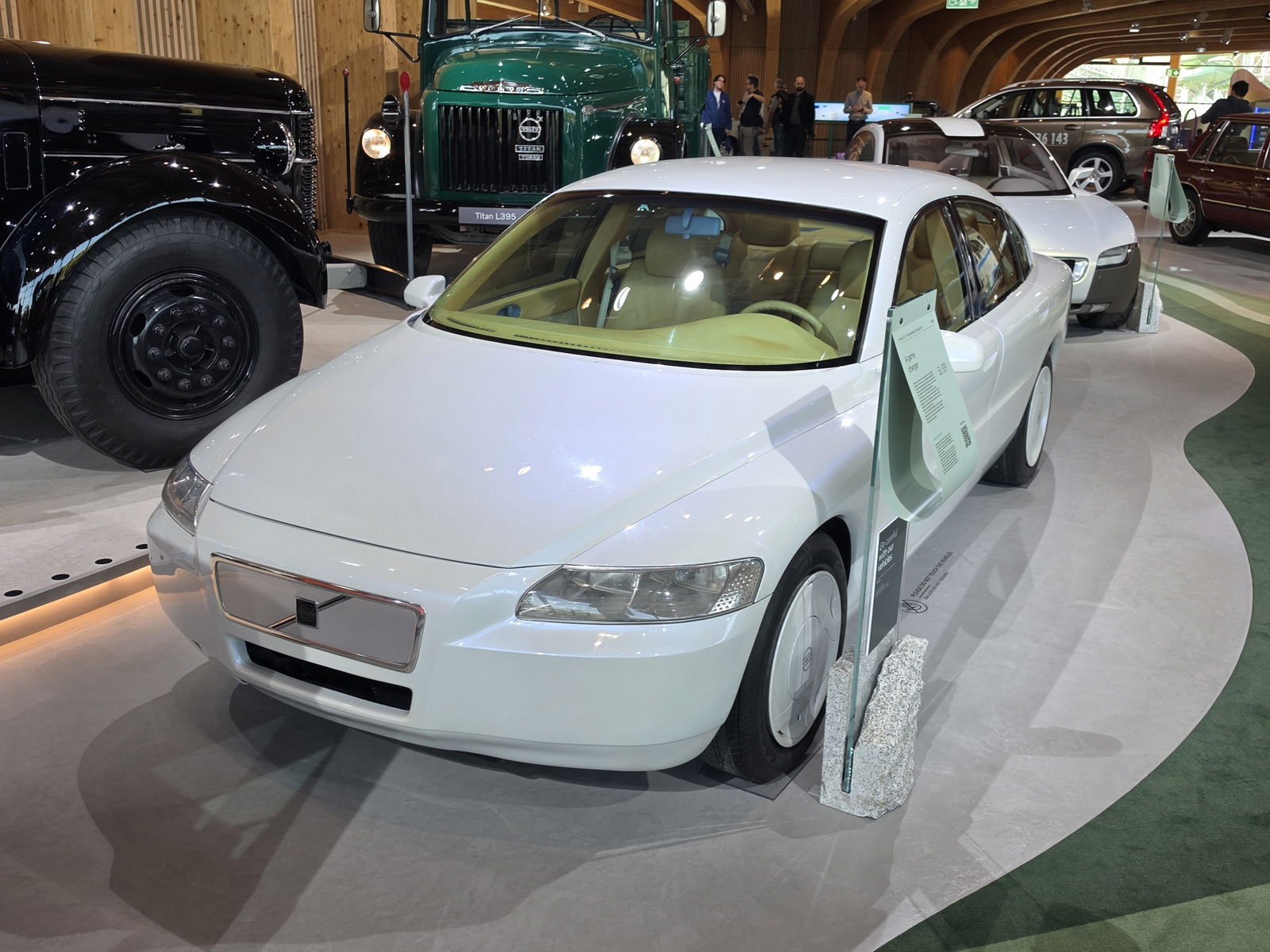
Two decades later, another Volvo concept focused not only on safety, but on reducing environmental impact. Introduced in 1992, the Environmental Concept Car, or ECC, explored the possibilities for the passenger car of the future through an aerodynamic body, lightweight design solutions and an alternative powertrain. Its styling did not remain merely conceptual either: several of the ECC’s defining design features later reappeared on the first-generation S80, introduced in 1998.
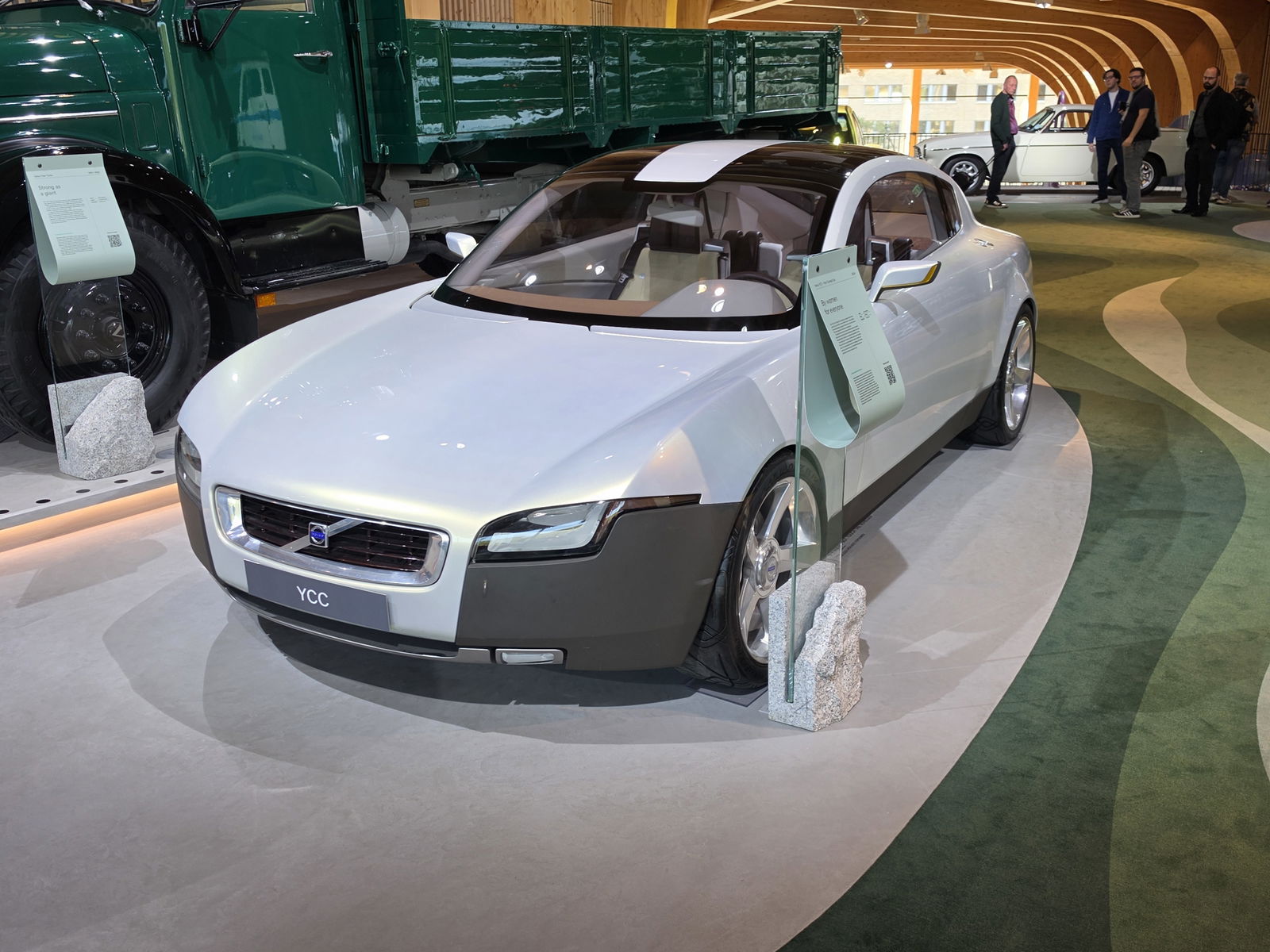
Another interesting example of forward-looking thinking is the YCC, or Your Concept Car, introduced in 2004. The project was distinctive in that the key decisions in shaping the concept were made by an all-female development team. The aim was not simply to create a striking concept car, but to examine how a car’s design might change if designers treated the practical needs of female buyers as a central consideration from the very start of development.
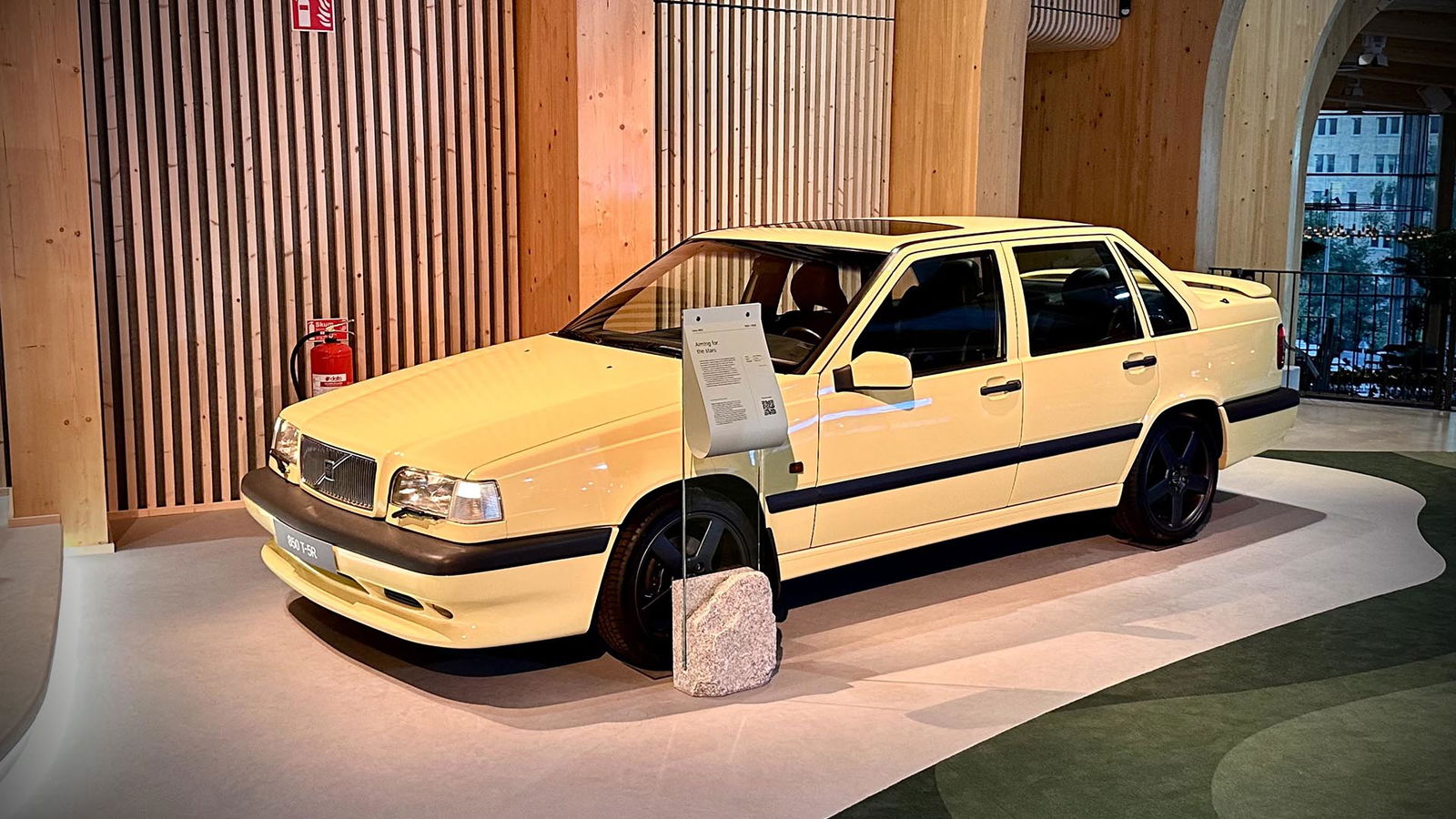
Alongside the concept cars, the exhibition also includes production models that themselves brought significant technological change to Volvo’s history. These include the 850, introduced in 1991, which was backed by one of the Swedish industry’s largest development programmes to date: the project cost around SEK 16 billion. Its origins stretched back to 1978, when Volvo management encouraged its engineers to set aside the company’s immediate difficulties and think at least ten years ahead. This was the source of the programme’s Galaxy name.
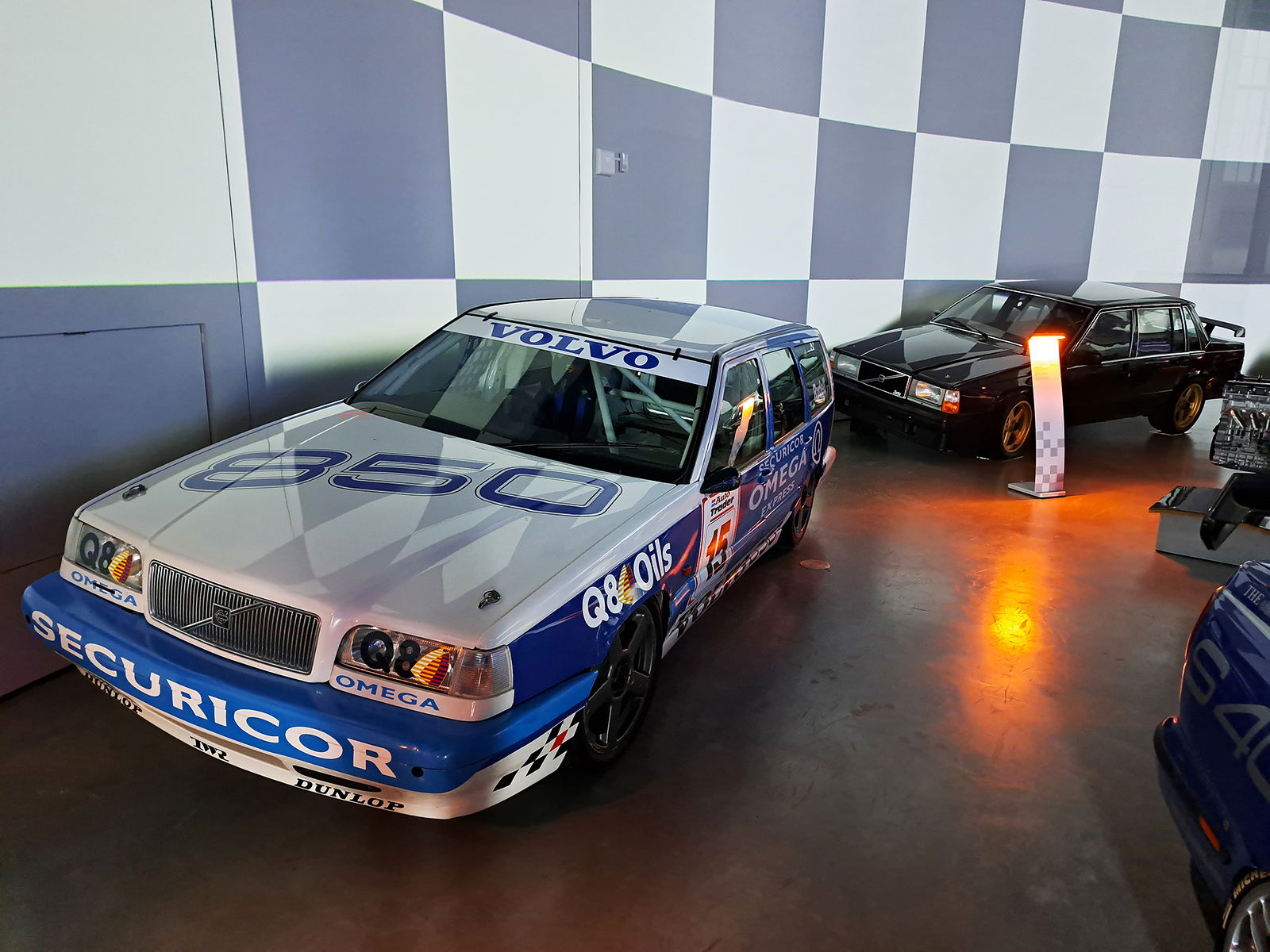
The 850 ultimately broke with Volvo’s previous engineering traditions in several respects. It was the company’s first large front-wheel-drive model, with a transversely mounted five-cylinder engine, an exceptionally compact three-shaft manual gearbox and Delta-Link rear suspension. In safety terms, the introduction of the integrated SIPS side-impact protection system was also a milestone. The model later became one of the symbols of Volvo’s sportier side: in 1994, the manufacturer entered the British Touring Car Championship with the 850 estate version.
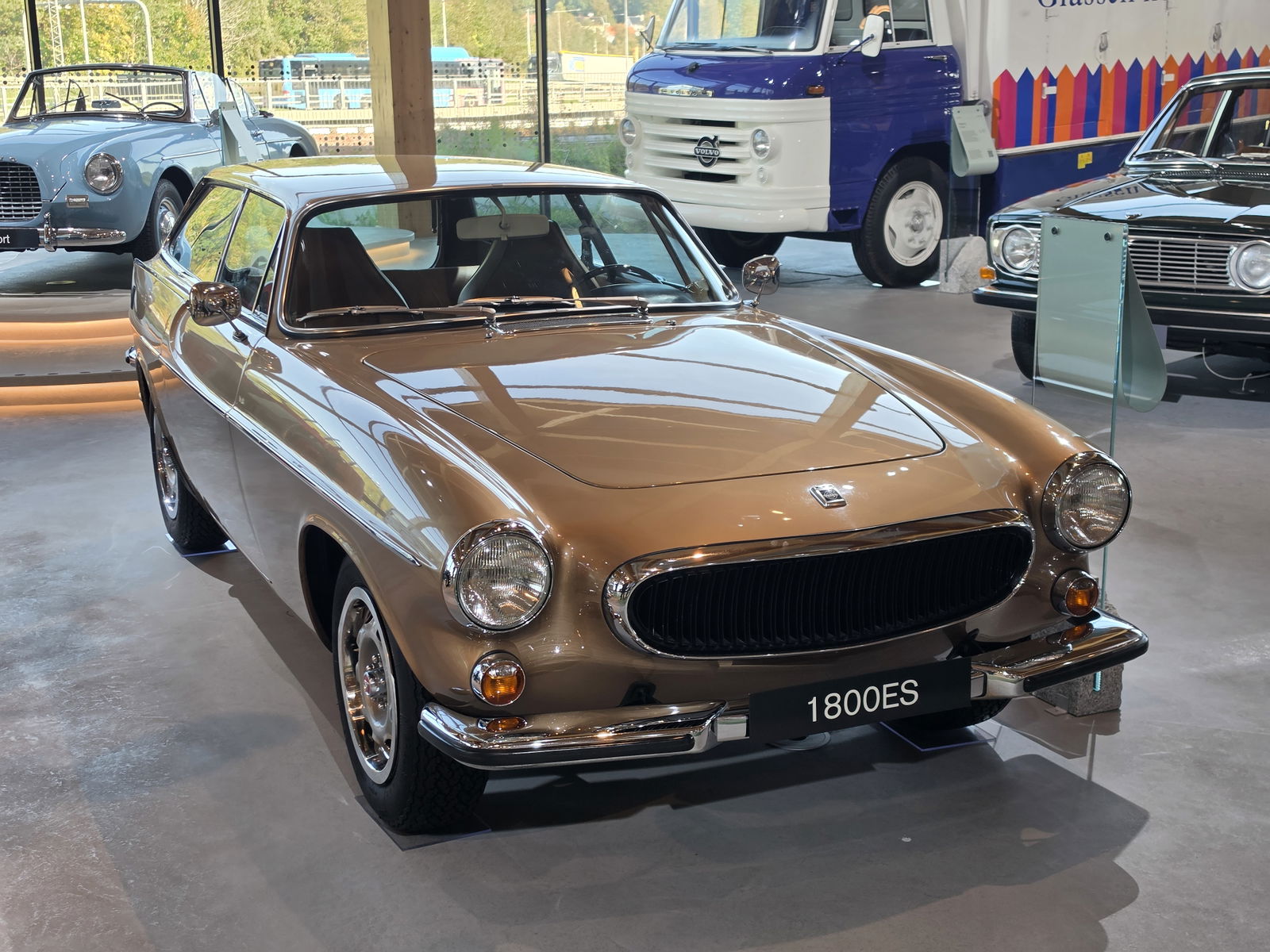
Naturally, it is impossible to present the World of Volvo collection in its entirety in a single article. Volvo’s almost century-long history alone would fill volumes, while the exhibited passenger cars, buses, trucks and construction equipment, the concept vehicles, the motorsport memorabilia, and the countless technical developments and historical curiosities would each deserve a separate chapter. In this feature, we have therefore sought primarily to highlight the vehicles and stories that clearly convey the multifaceted heritage brought together today by the exhibition in Gothenburg. The regularly changing selection also means that World of Volvo may reveal further parts of this almost century-long history on a future visit.