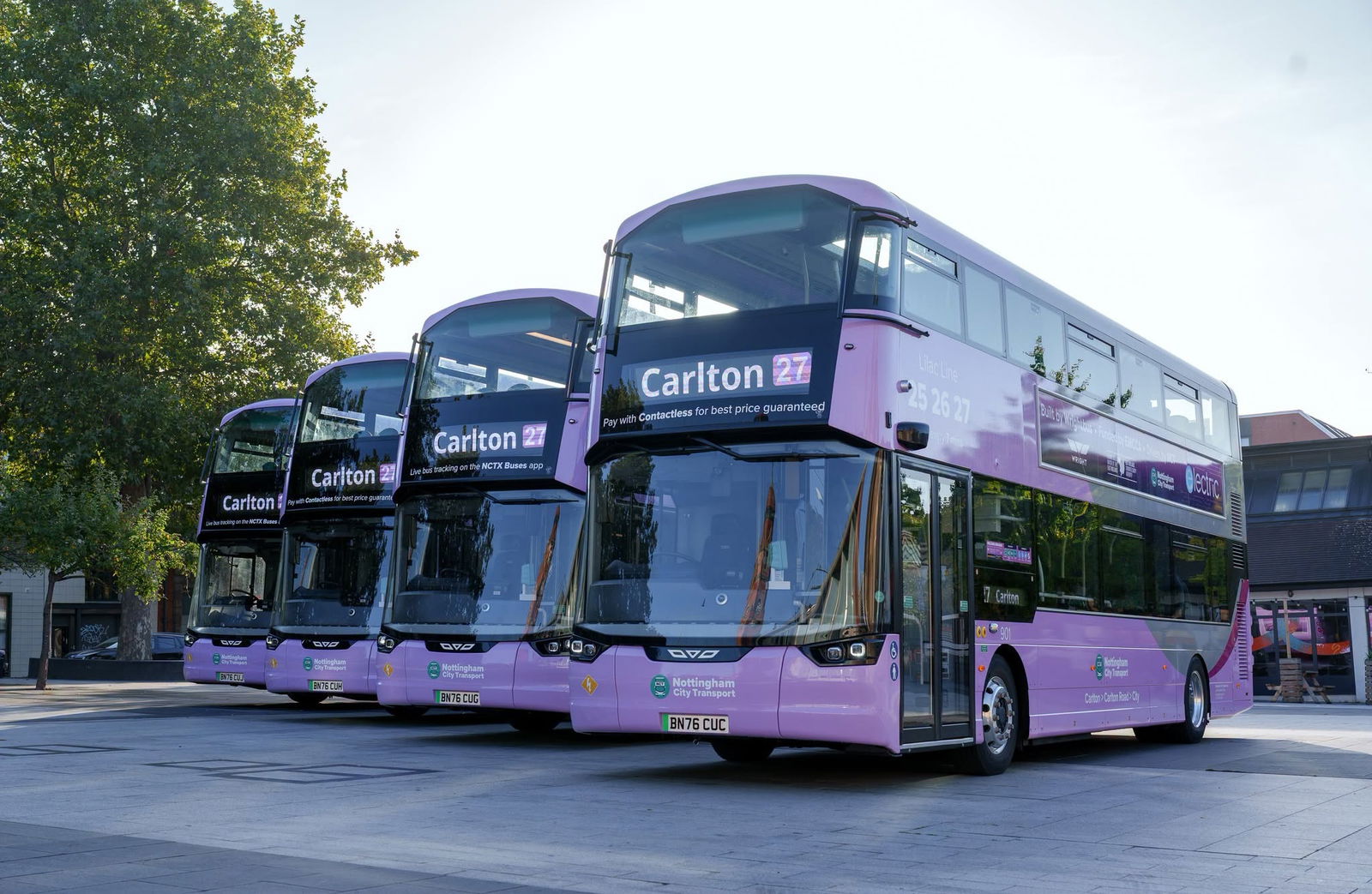
Wrightbus delivers Nottingham’s first electric double-deckers
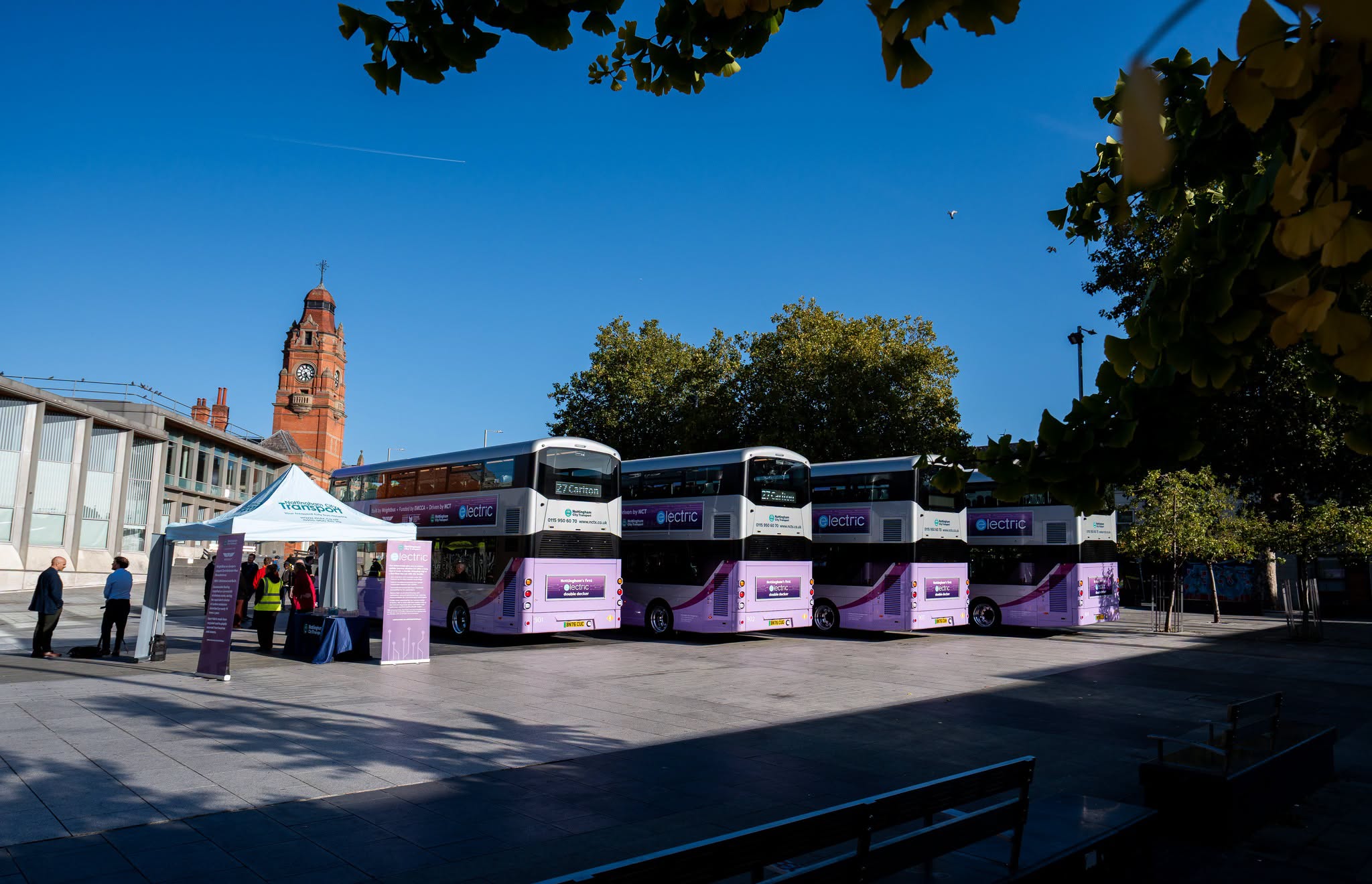
At a public press event held in Sneinton Market Square, Nottingham, on 14 October, Nottingham City Transport (NCT) ceremonially received its first six Wrightbus StreetDeck Electroliner Gen 2.0 electric double-deck city buses. The new vehicles will enter service later this year on Lilac Line 27, linking Nottingham city centre (City) with Carlton. Electric double-deck vehicles previously carried passengers on the Carlton Road route for 33 years, until 1965, although these were trolleybuses at the time.
The acquisition of the new Wrightbuses was made possible by £4.5 million in funding provided by the East Midlands Combined County Authority (East Midlands Combined County Authority, EMCCA) and its mayor. Their entry into service marks the beginning of a new phase in NCT’s electric bus project, under which the operator has so far received a total of 62 fully electric Yutong E10 and E12 single-deck buses.
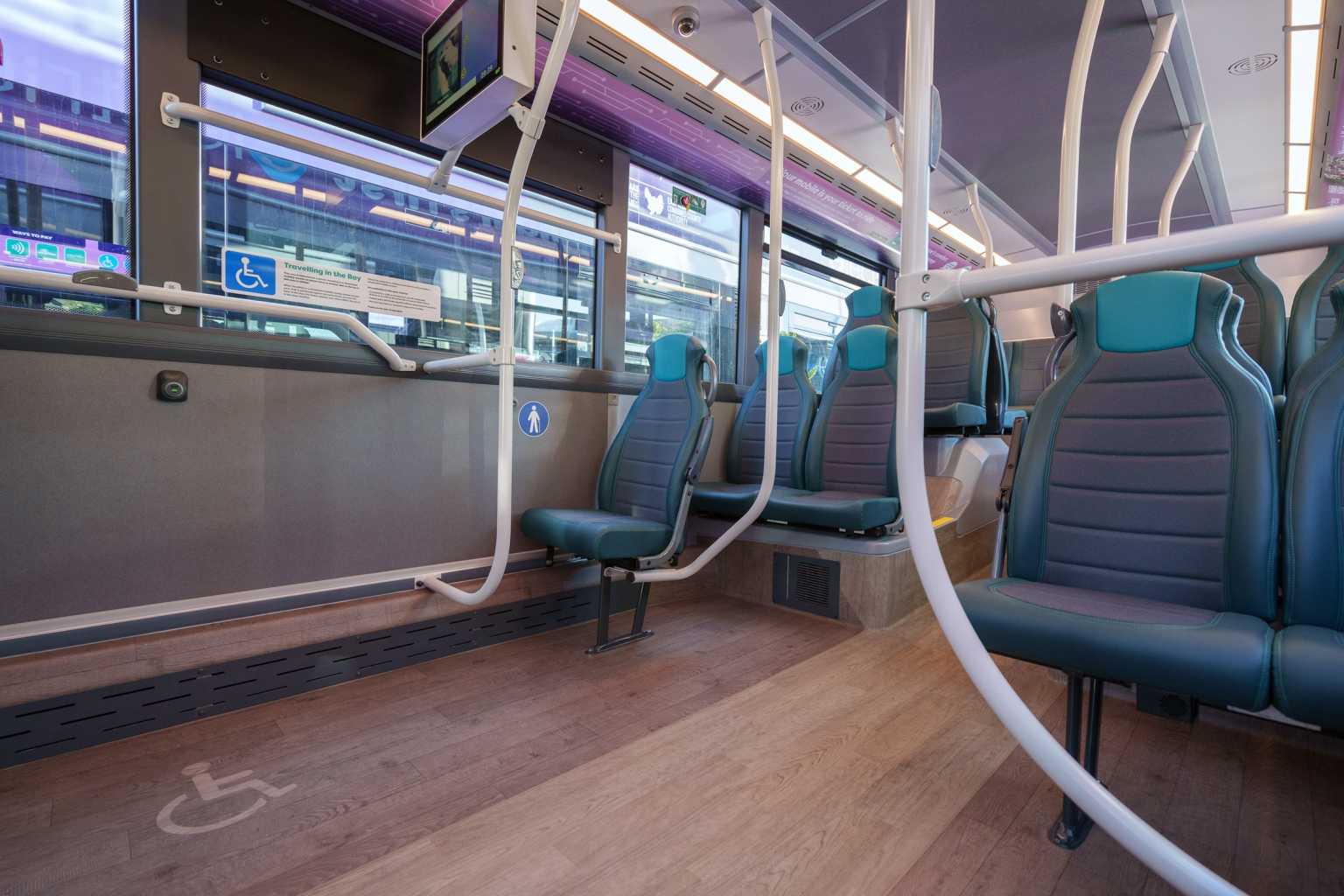
The newly delivered vehicles, featuring a 2-0-0 door configuration, are NCT’s first double-deck buses with fully air-conditioned passenger compartments. Among the features available to passengers on board are high-backed seats and USB charging points, while two wheelchair spaces provide accessible travel. The Nottingham operator particularly highlights the wooden-effect flooring and the seat upholstery, which offer sustainability benefits in addition to their aesthetic and comfort advantages. The lighter, natural-looking floor covering is an Altro product and, according to NCT, helps create a calm, welcoming environment for neurodivergent passengers. Rather than conventional rolls, Altro supplied the flooring to Wrightbus in the form of self-adhesive, pre-cut kits, saving an estimated total of 225.98 kg of embodied carbon emissions during the assembly of the six vehicles – equivalent to the amount absorbed by 10.8 trees in a year. The seat upholstery supplied by Camira Fabrics is noteworthy for being made from marine plastic waste, with up to 35 plastic bottles used for every metre of fabric. An estimated 14 million tonnes of plastic enter the oceans each year, and projects such as this can reduce the harm caused to marine life.
The traction battery pack installed in the buses, with a nominal total capacity of 442 kWh, provides a range of approximately 275 miles (440 kilometres) on a single charge and is also suitable for rapid charging, meaning that, according to the manufacturer, the buses can easily meet Nottingham’s daily operational requirements. Charging will primarily take place overnight at the Parliament Street Garage, which has already been prepared to accommodate the electric buses by NCT’s partner VEV, a company that now provides charging for more than 6,000 electric vehicles at 600 locations.
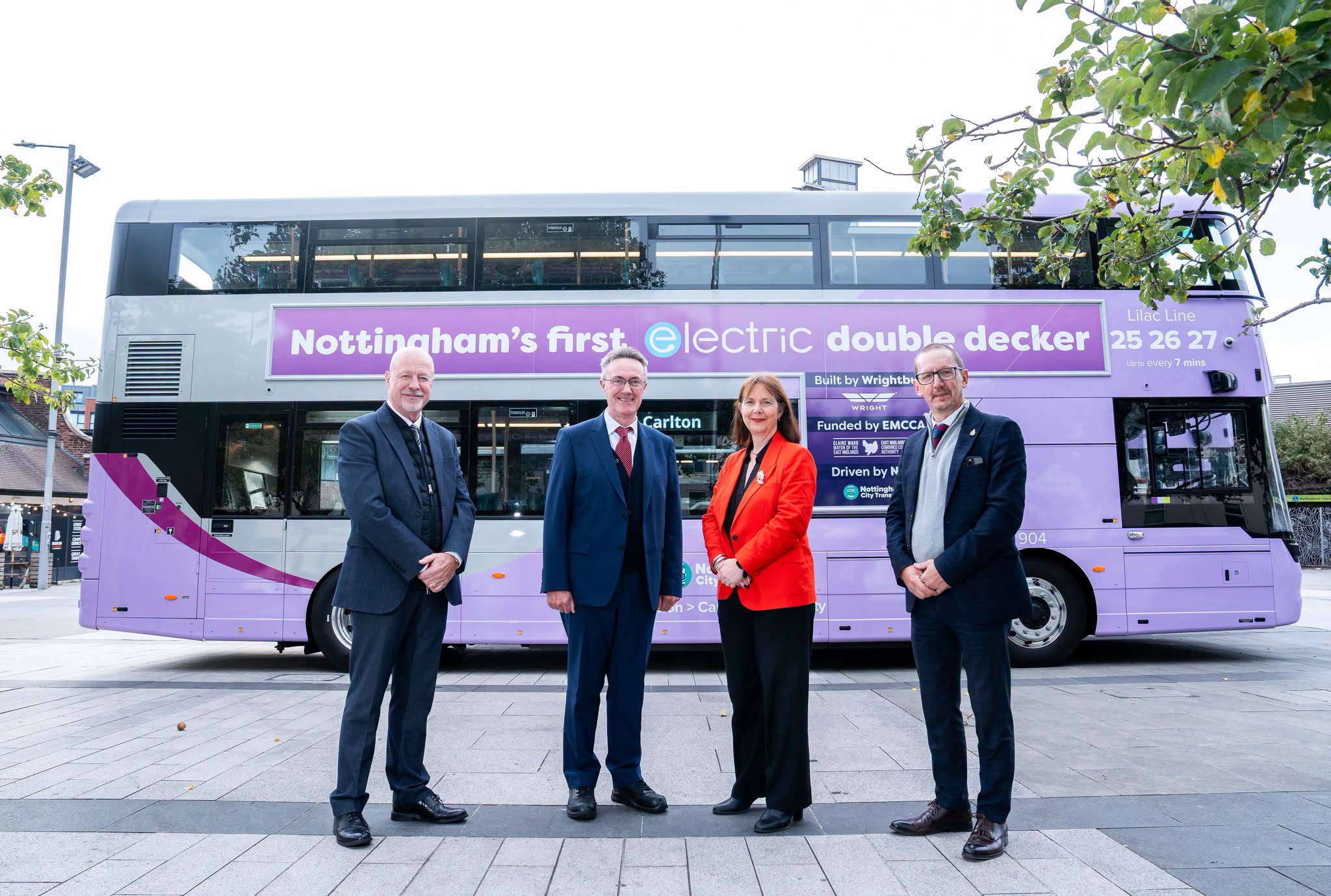
The arrival of the Wrightbus StreetDeck Electroliners also represents an important step in NCT’s efforts to convert its double-deck fleet to fully electric vehicles. The fleet is set to be expanded with further electric double-deckers by Christmas, bringing the company’s number of zero-emission vehicles to 93, meaning that almost one-third of NCT’s buses will be electrically powered.
Photos: Wrightbus/NCT