Shareholder resistance complicates Iveco acquisition as Tata Motors raises its offer
The acquisition of Iveco Group by India’s Tata Motors appears to be far from smooth, after several major institutional investors in the Italian commercial vehicle manufacturer expressed dissatisfaction with the financial terms of the transaction. The Indian company has since raised its bid, but the low level of shareholder acceptances continues to make the outcome of the takeover uncertain. Tata’s objective remains to acquire full ownership of Iveco and delist the company from the Milan stock exchange, but as the public takeover bid approaches its close, it remains unclear whether it can secure sufficient shareholder support to do so.
Tata Motors announced the latest development in the takeover, originally valued at around €3.8 billion when it was announced in July last year, on 9 October. The Indian company increased its previous consideration of €14.10 per share by 30 euro cents, or around 2.1%, bringing the theoretical consideration for acquiring the entire share capital to almost €3.9 billion. According to Tata Motors’ official justification, the previous purchase price already adequately reflected the value of Iveco Group, but the Indian company nevertheless decided to increase its offer in light of the delay in completing the takeover. The company attributed the delay to preliminary regulatory approval procedures in certain countries taking longer than expected. Tata also made it clear that it considers the consideration of €14.40 per share to be its best and final offer, meaning that it does not plan any further increase.
The increase in the offer came at a time when several major investors had raised objections to the financial terms of the takeover. The most active among them has been UK-based Petrus Advisers, which holds approximately 3.8% of the company’s ordinary shares. In a statement published on 29 September, the investment firm argued that the original offer did not adequately reflect Iveco’s true value, particularly in comparison with the valuations of similar companies in the sector. Petrus believes that Iveco’s current owners should receive a larger share of the substantial operational and commercial synergies anticipated by Tata. It also objected to shareholders not receiving adequate compensation for the approximately 15-month period between the announcement of the transaction and its expected completion.
However, shareholder resistance is not limited to Petrus Advisers. The investment funds Davidson Kempner and Syquant Capital have also not yet tendered their shares, even though the acceptance period for the public takeover bid began on 7 September. The three institutional investors are among Iveco’s more significant shareholders, meaning that their positions could also influence the final outcome of the takeover.
The scale of shareholder resistance is clearly illustrated by the latest acceptance figures. By 12 October, a total of 77,192,386 shares had been tendered to Tata, representing 28.46% of the shares subject to the takeover bid. However, the overwhelming majority of this consists of the 27.06% stake previously tendered by Exor, which is controlled by the Agnelli–Elkann family. Through Exor, the family is Iveco Group’s largest shareholder and controls 43.19% of the company’s voting rights, giving it decisive influence over ownership decisions. Exor had already committed itself to supporting Tata’s offer and selling its entire holding when the takeover was announced. Shareholders other than Exor have therefore contributed only around 1.4 percentage points of additional acceptances, indicating that, beyond the ownership support secured in advance, the Indian company has so far been unable to convince Iveco investors more broadly. This does not in itself mean that the takeover has failed, as shareholders may still decide to tender their shares until the end of the acceptance period, while larger institutional investors may also wait until the deadline approaches.
Tata’s objective remains the full acquisition of Iveco Group and the company’s subsequent delisting. Under the original structure, this requires the acquisition of at least a 95% stake, which would make it possible to squeeze out the remaining minority shareholders under Dutch law. However, the agreement outlined previously also includes an alternative solution should the Indian company fail to reach this threshold. If the necessary conditions are met, the minimum acceptance threshold may be reduced to 80%, and Tata could acquire Iveco’s entire operating business through a separate corporate restructuring arrangement. Under the current circumstances, however, even reaching this lower threshold may present a serious challenge, as completion of the transaction would still require more than 51 percentage points of additional shareholder acceptances during the remainder of the offer period, even under the more favourable scenario. According to the current timetable, the acceptance period for the public takeover bid closes on 26 October, after which it may become clear what stake Tata has actually been able to acquire and whether the alternative legal solutions prepared in advance will need to be used.
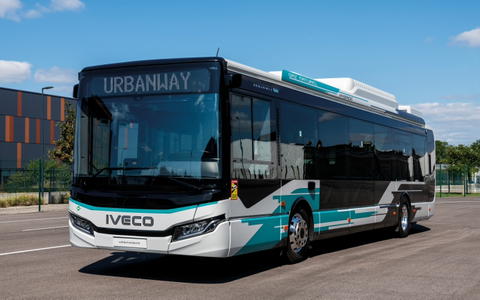
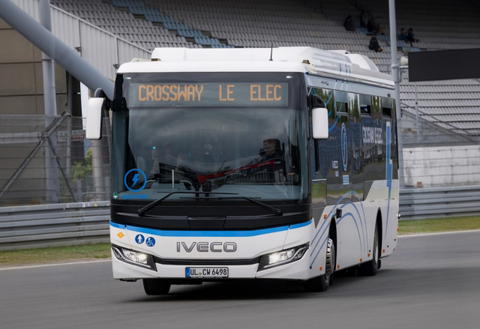
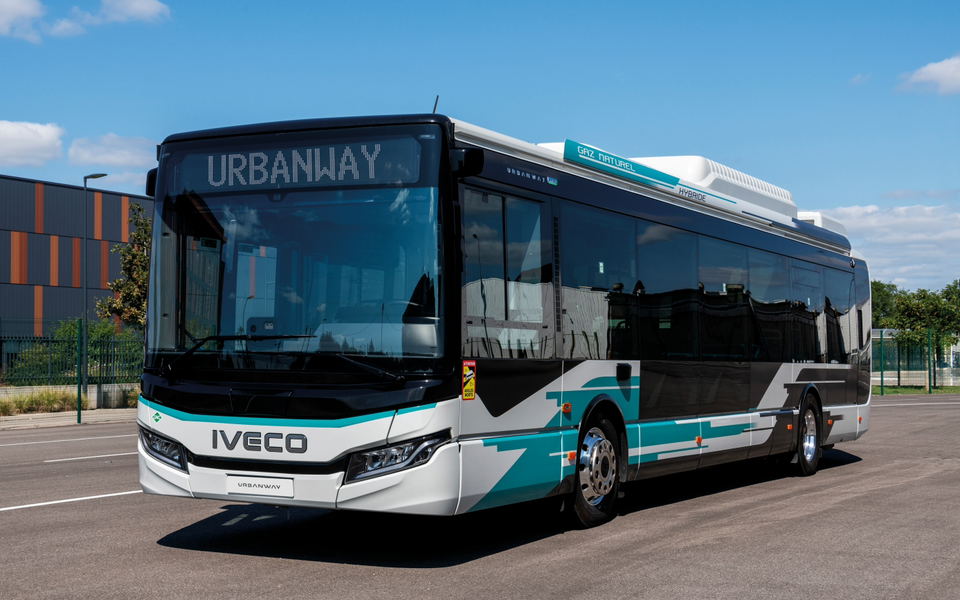
The outcome of the ownership restructuring is also significant for the European bus industry, as Iveco Bus and the Heuliez brand would become part of the Indian company’s interests as members of Iveco Group. Under the agreement, Tata undertakes to preserve the existing corporate structure, key brands and industrial presence for the first two years following completion of the acquisition; in the longer term, however, the change of ownership could also affect the balance of power in European commercial vehicle and bus manufacturing.