Concerns in the Czech Republic over the Tata-Iveco takeover
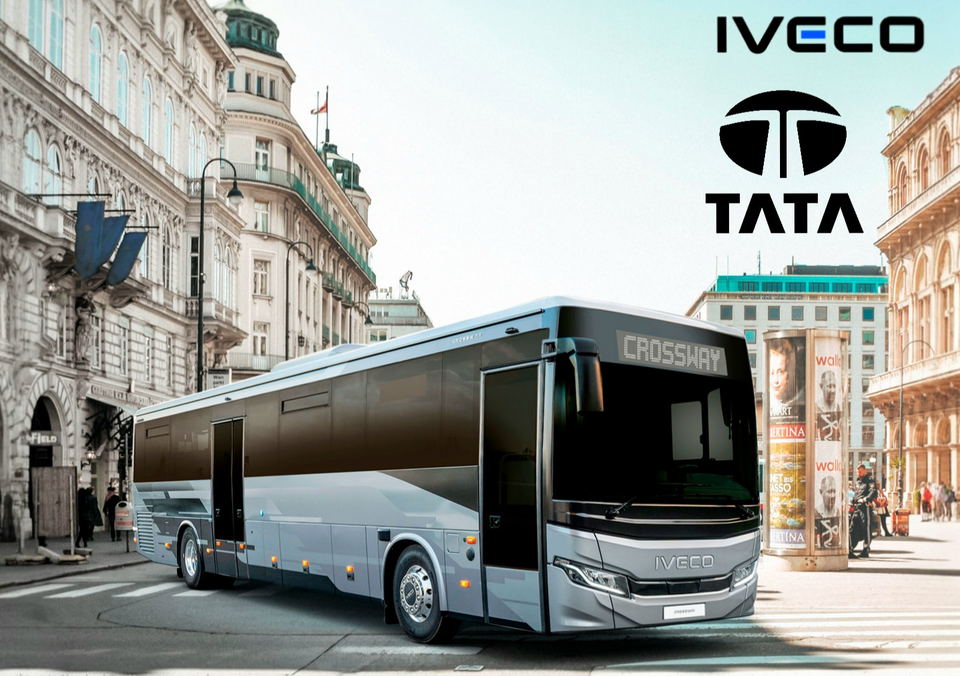
Although the European Commission has already given the green light to Tata Motors' acquisition of Iveco, the decision has in fact brought not reassurance but tension at several European manufacturing sites. This is particularly acute in the Czech Republic, where the Iveco Bus plant in Vysoké Mýto – as one of Europe’s largest bus factories – is one of the region’s most important industrial pillars. There are growing fears among local industry and trade union circles that the Indian ownership background could, in the longer term, reshape production structures, reduce the region’s strategic importance and ultimately draw development and decision-making capabilities away from Western and Central Europe. In the case of Iveco Group, this is not a simple change of ownership: the fate of Europe’s fourth-largest commercial vehicle manufacturer raises questions that go far beyond a business transaction. The prospect of a 100% acquisition, to be completed following the separation of the defence divisions (Iveco Defence Vehicles and ASTRA), represents not strengthening but vulnerability in the eyes of many.
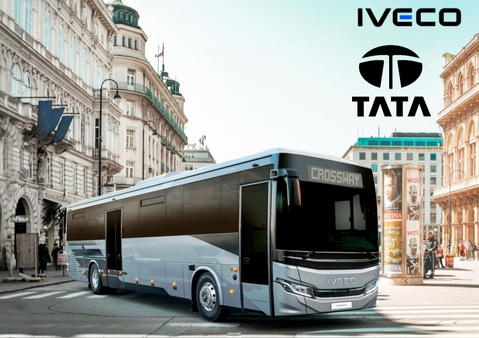
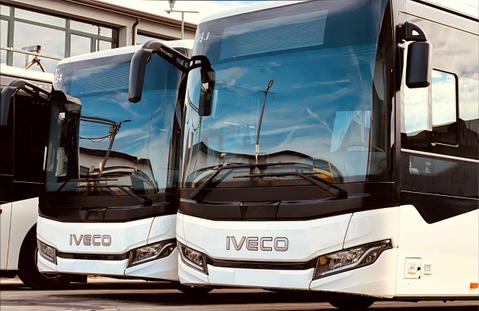
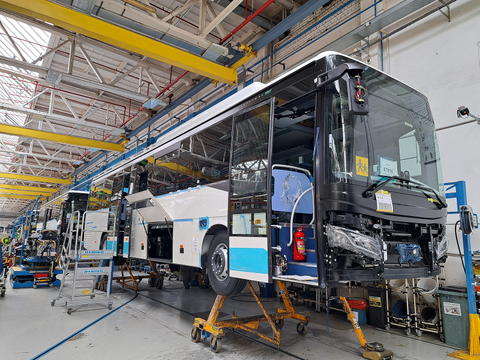
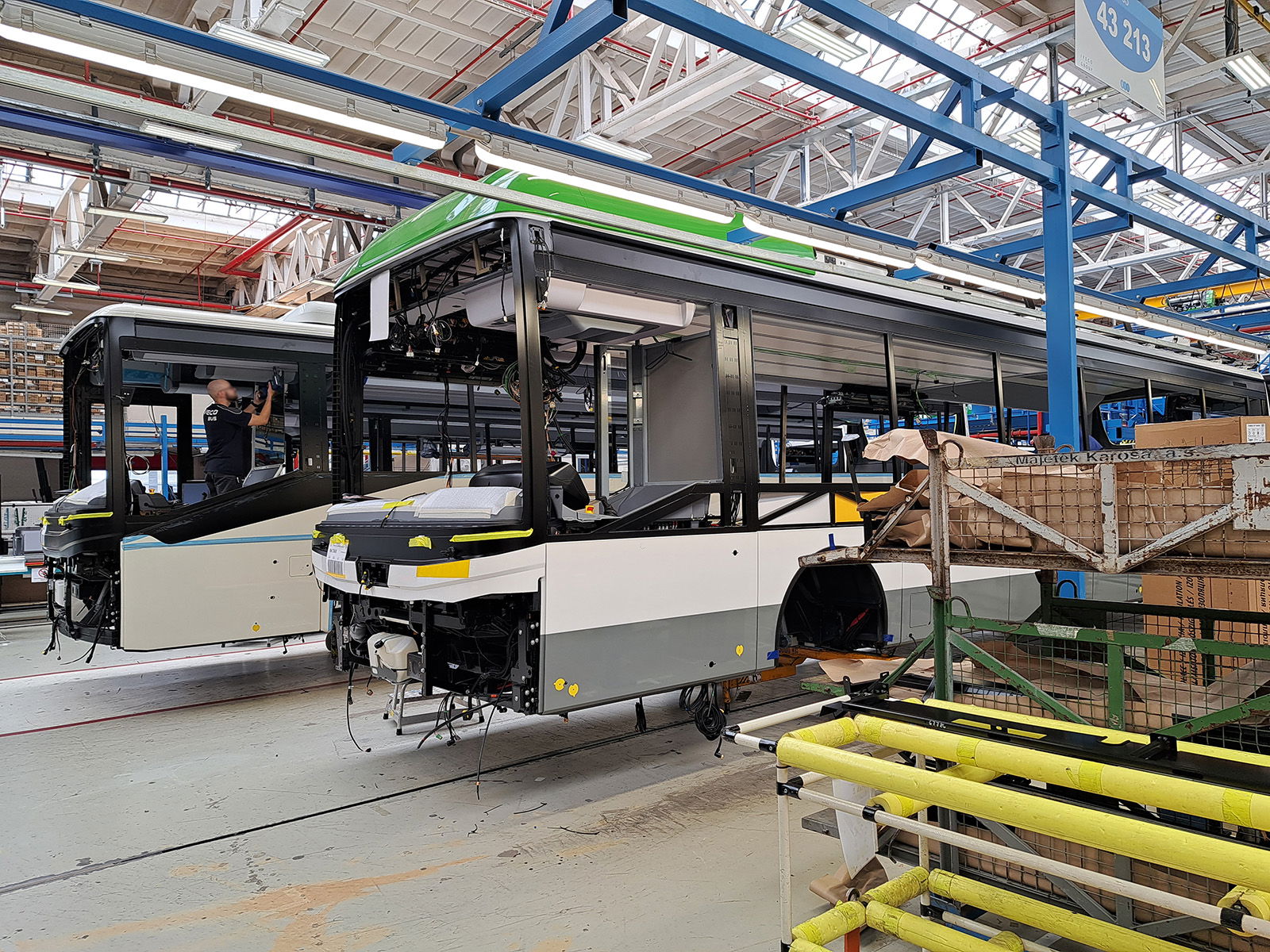
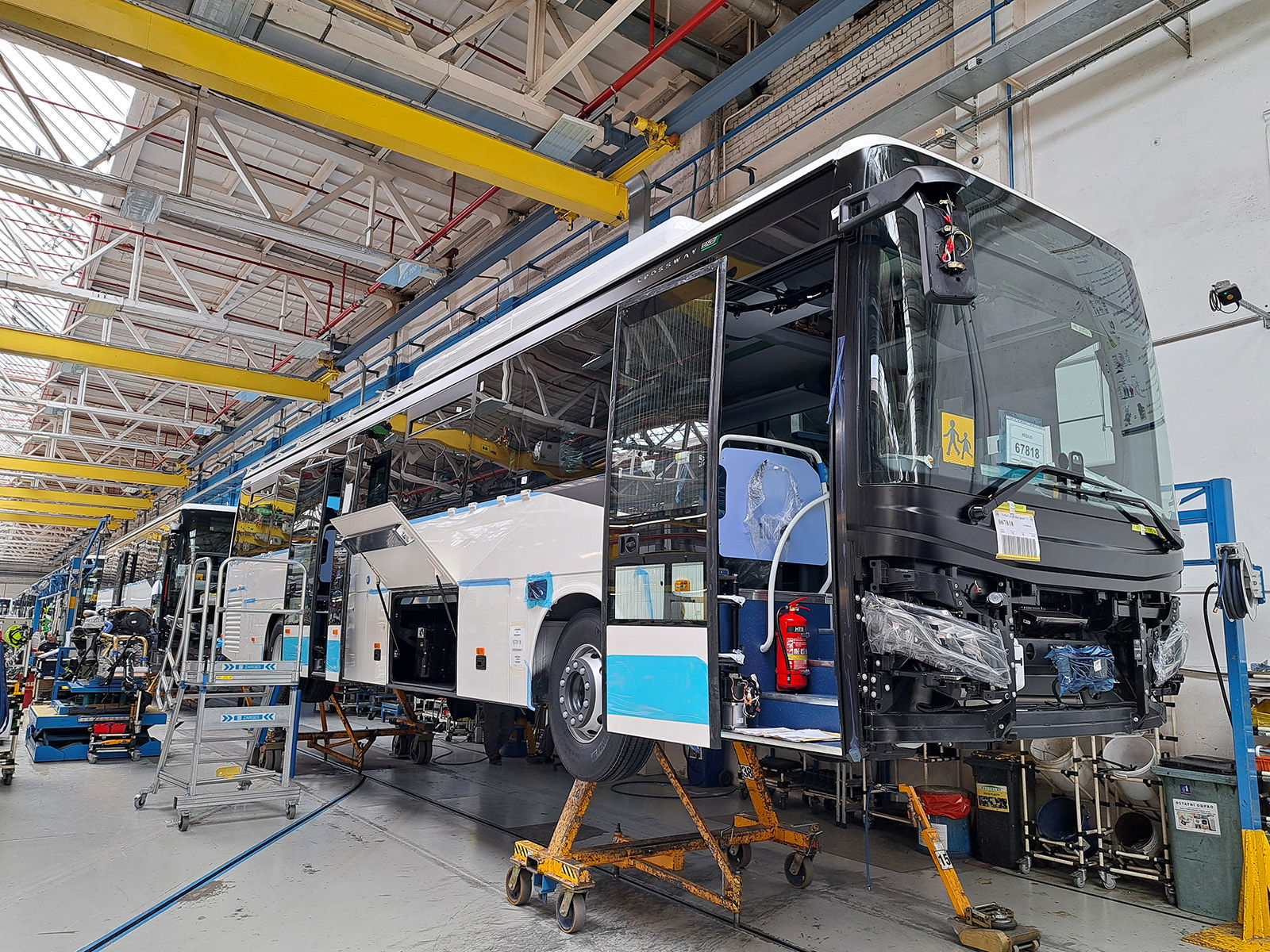
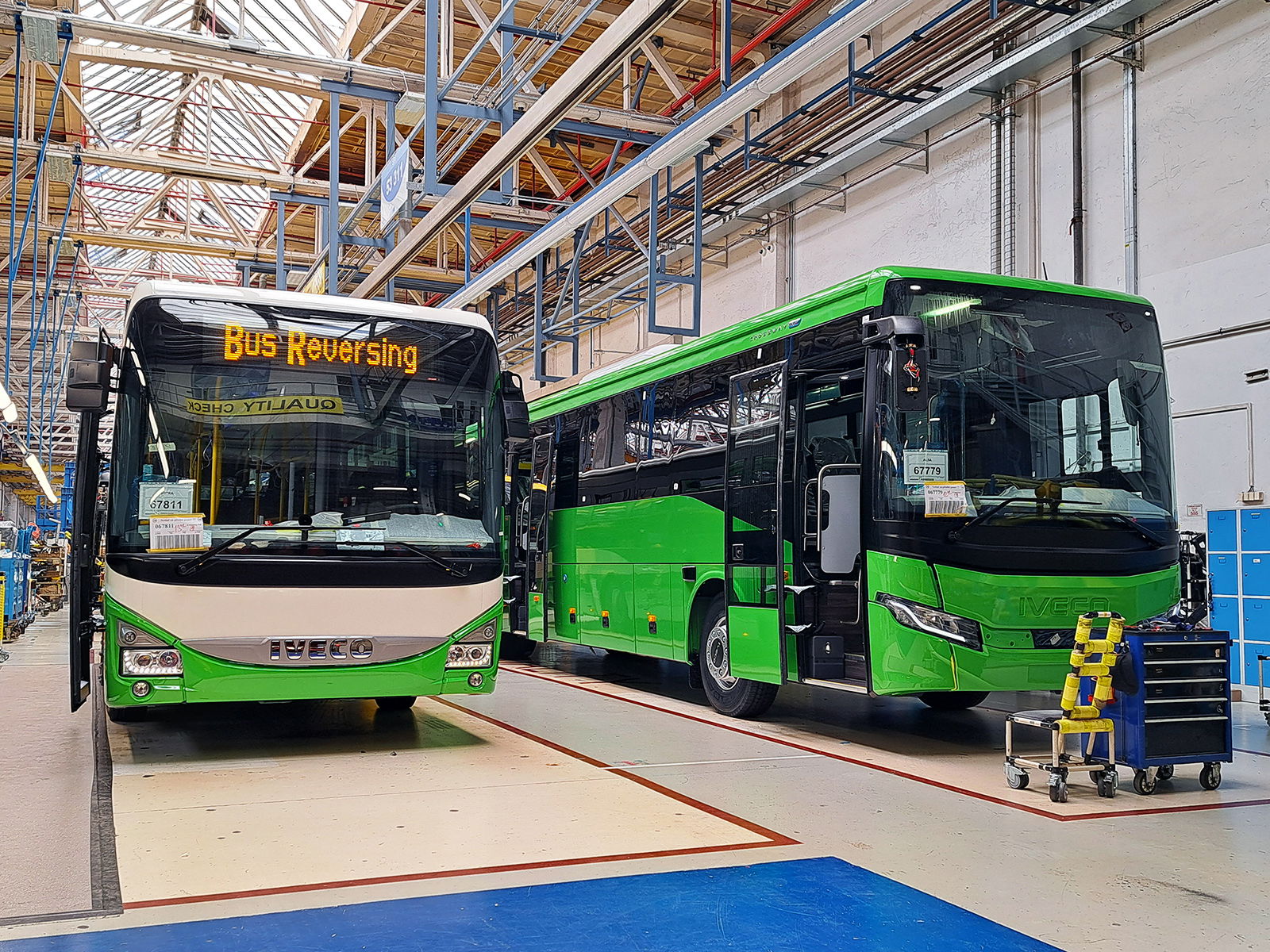
Iveco Czech Republic currently has the capacity to manufacture almost 5,000 buses a year, making it the largest bus manufacturing plant not only in the Czech Republic but in the whole of Central Europe. The factory in Vysoké Mýto, located roughly halfway between Prague and Ostrava, directly employs around 4,400 people, while the fate of a further approximately 1,700 jobs is linked to its operations through the supply chain. As Iveco Bus’s largest European production unit, the factory is not merely an industrial facility but one of the engines of the regional economy; indeed, in Vysoké Mýto itself, there is scarcely a family without at least one Iveco Bus employee.
This is precisely why the planned takeover by India’s Tata group has sparked lively professional and public debate in the Czech Republic. Czech professional organisations, industry players and trade unions highlight three main risks. The first is the danger of partial relocation of production to Asian regions where manufacturing costs are lower. The second risk is the potential centralisation of product development decisions, which could substantially reduce the professional autonomy hitherto enjoyed by Vysoké Mýto and other European development centres. The third is the risk of a change in corporate strategy that may favour African and Asian regions over European markets, where Tata already holds strong market positions.
At the same time, Tata Motors has previously indicated that it will respect Iveco Group’s current business strategy, does not plan to reduce manufacturing capacity, and would maintain the organisational autonomy of its European operations. However, in legal terms these commitments do not constitute a long-term guarantee should the entire group come under the Indian company’s control through a 100% acquisition. In such a situation, the centre of gravity for strategic decisions would inevitably shift to the ownership centre, something the current promises alone cannot meaningfully constrain.
From a legal and competition-law perspective, the transaction appears straightforward, with the European Commission seeing no material risk of market distortion. From an industrial and employment-policy standpoint, however, the concerns can by no means be regarded as unfounded. The integration of two large companies with different corporate cultures, production logic and regional strategies always entails risks.
Although in theory the acquisition promises benefits for both sides – access to the European market, technologies and manufacturing infrastructure for Tata, and the expansion of its supplier base and the opportunity to improve its cost structure for Iveco – the practical risks remain tangible, particularly in the Czech Republic. Europe’s commercial vehicle industry is under pressure both from the advance of Chinese manufacturers and from capital-intensive developments associated with the energy transition. In this situation, the arrival of a financially strong owner from outside Europe brings both stabilising factors and risks. Several industry commentators warn that, based on previous experience of global automotive consolidation, changes of ownership often involve gradual rather than immediate transformation. According to these concerns, the real decisions are made not at the level of public commitments, but in setting long-term investment and development priorities. A particularly sensitive question is where decisions on the development of next-generation vehicle platforms, drivetrains and electronic architectures will be made in future – and what role Europe and European manufacturing sites will play in this process.