Bucharest receives EU funding to procure a further 45 trolleybuses, 40 electric buses and 10 trams
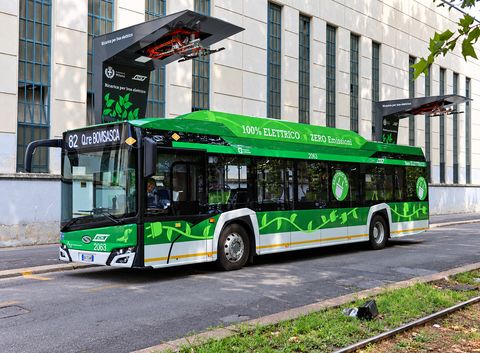
Bucharest has received EU funding for a major vehicle procurement programme: the Romanian capital will receive €87.44 million in non-repayable funding to modernise its public transport fleet. The investment will be financed from the European Union’s Modernisation Fund, which uses revenue from the sale of EU carbon emission allowances for, among other things, energy modernisation, energy-efficiency improvements and the electrification of transport. The funding is intended for the procurement of 45 new trolleybuses, 40 battery-electric buses and 10 trams. The development is intended to renew the fleet of the capital’s public transport operator, STB, which, despite significant vehicle acquisitions in recent years, still operates a large number of ageing vehicles.
The award of the funding was announced on 7 October by Ciprian Ciucu, Mayor of Bucharest. According to his statement, the €87.44 million in financing was approved by the European Investment Bank as a priority transport development investment for the Romanian capital. The funding is entirely non-repayable, meaning that the municipality will have to provide the financing for the VAT associated with the procurements.
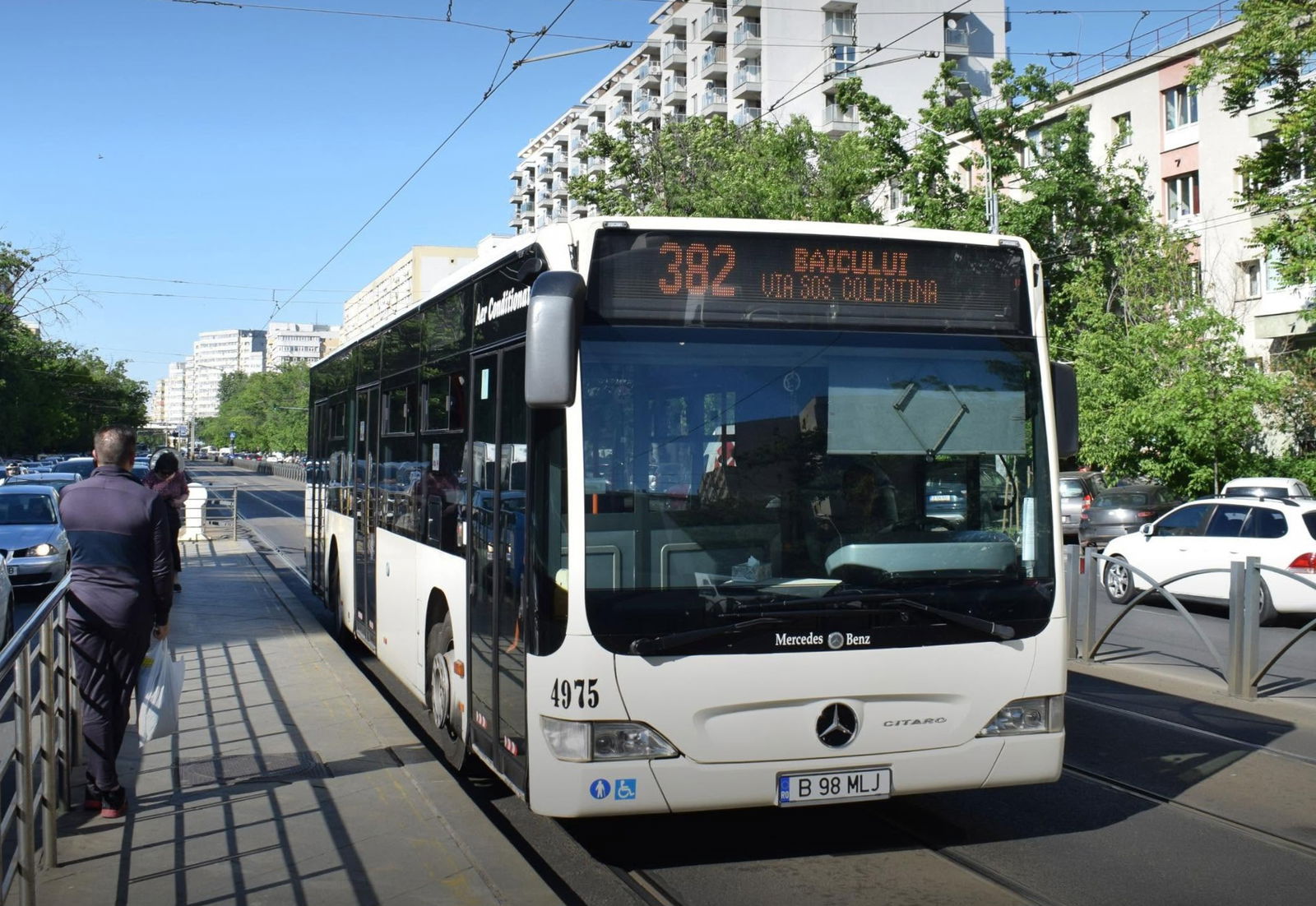
The programme covers three vehicle categories. The 45 new trolleybuses are intended to replace the Astra Ikarus vehicles still operating on Bucharest’s network, while of the 40 electric buses, 20 may be delivered in 12-metre form and a further 20 in 10-metre form. The latter will enable the replacement of the Mercedes-Benz Citaro diesel buses currently in service, which have a Euro 3 emissions rating. The funding is also intended for the procurement of 10 new trams, which will replace the modernised older units of the V3A(M) series.
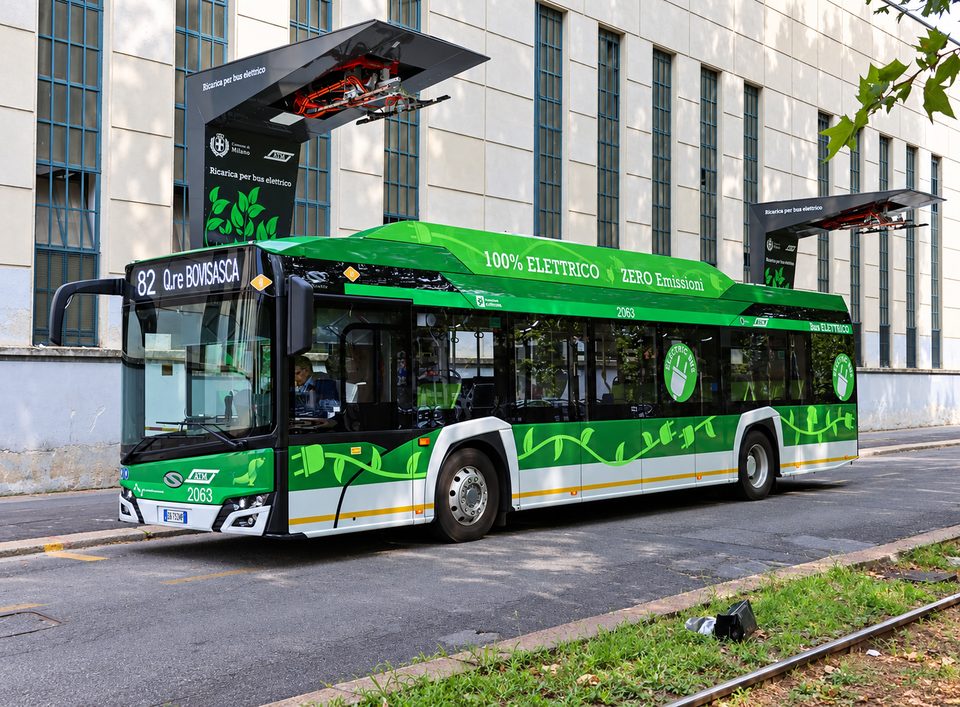
Regarding the procurement of the electric buses, the Mayor placed particular emphasis on the importance of building charging infrastructure. As he pointed out, the next essential task is to ensure adequate charging facilities so that the new vehicles can be operated efficiently from the moment they enter service. However, the announcement did not yet include details on the timing of the planned procurement tenders, the vehicles’ technical requirements or the expected delivery deadlines.
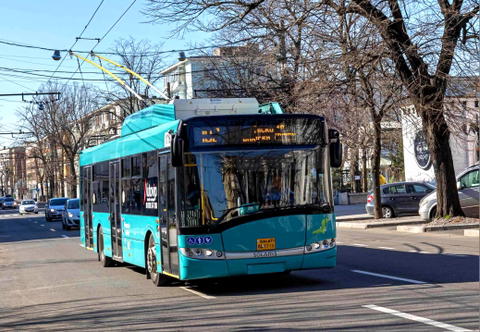
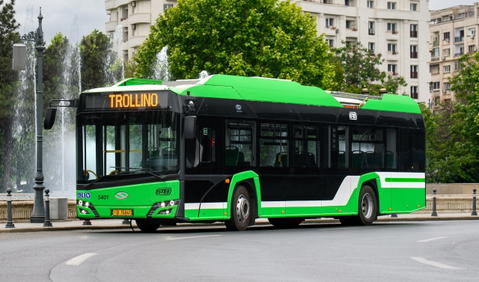
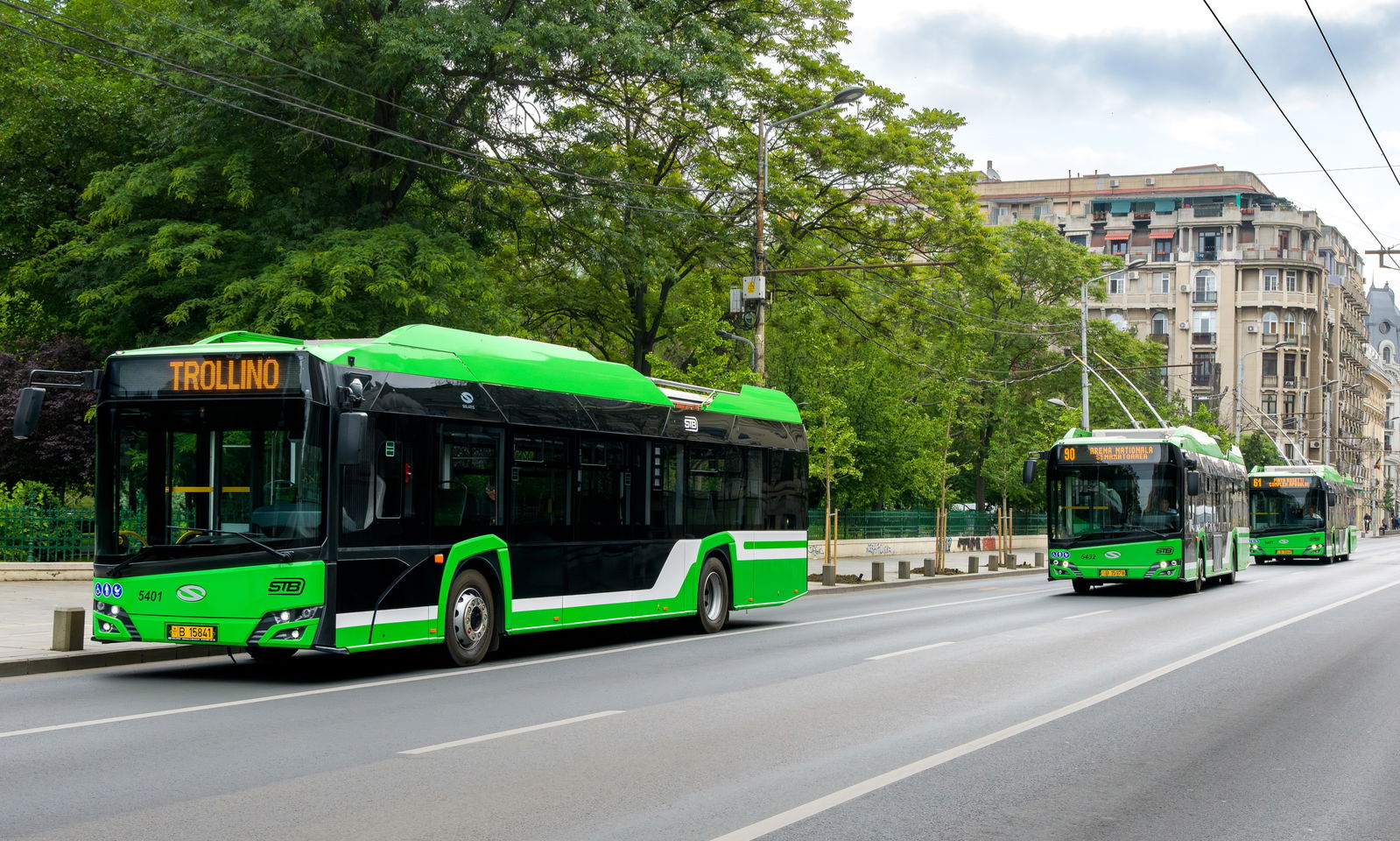
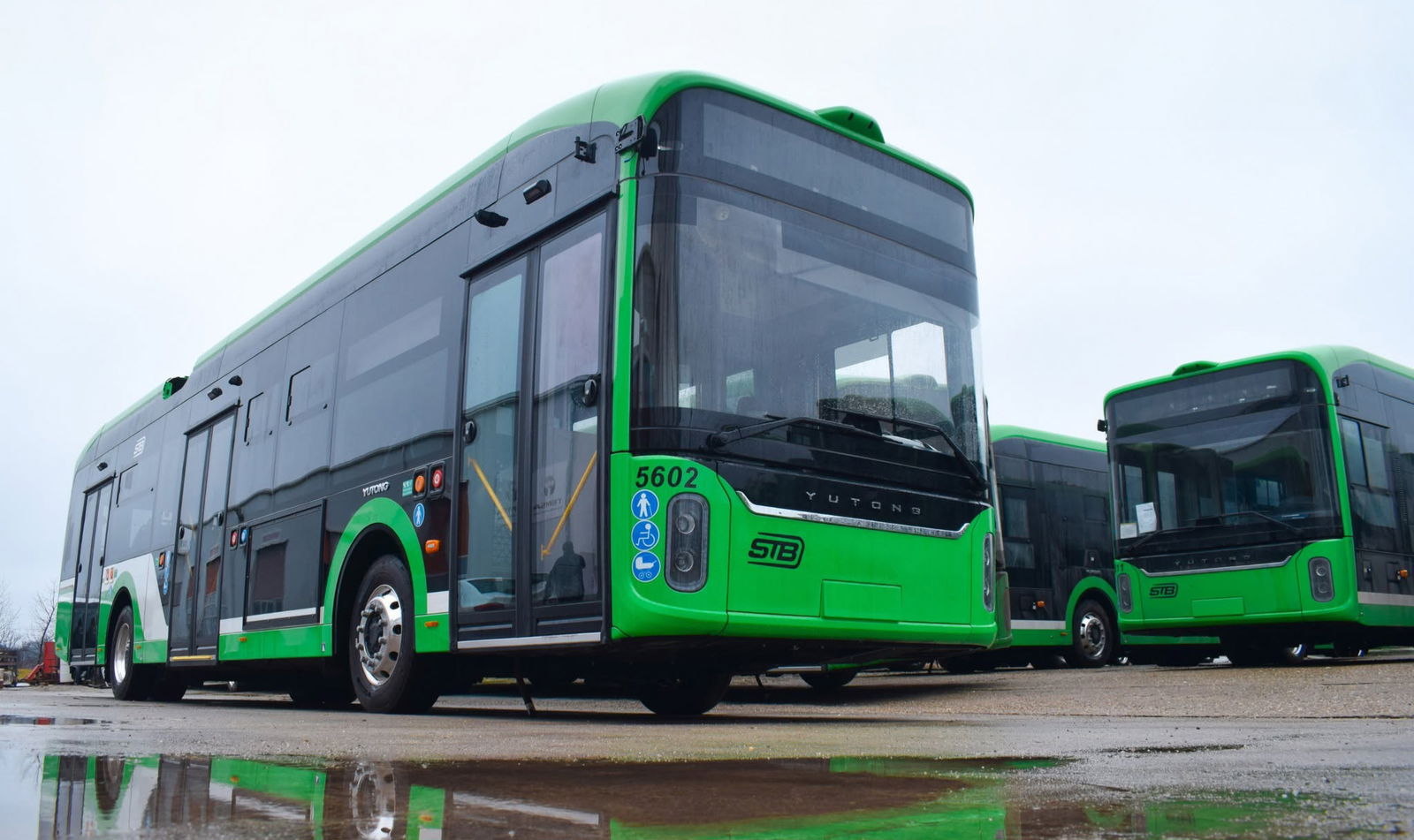
The investment now announced is another milestone in a fleet renewal process that has been under way for several years. Bucharest previously ordered 100 12-metre Solaris Trollino trolleybuses, for which a contract worth nearly €60 million was signed at the end of 2022. In addition to the Polish manufacturer’s vehicles, the Romanian capital has this year also expanded its fleet with a further 22 Yutong U12 trolleybuses capable of battery-powered self-propulsion.
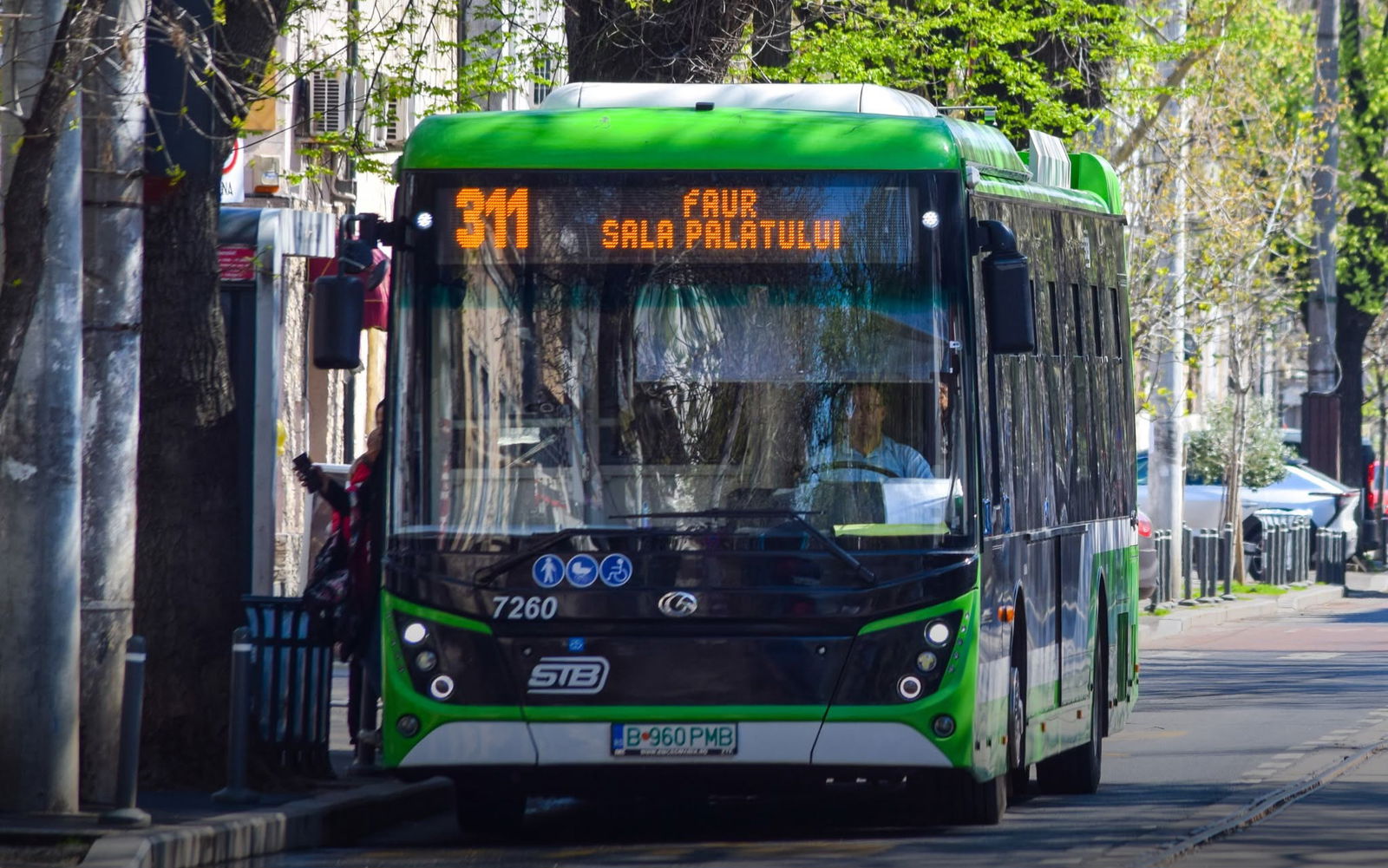
As part of the modernisation of its electric bus fleet, Bucharest has also received 100 Chinese-built ZTE Granton battery-electric buses. The vehicles were supplied by Romania’s BMC Truck & Bus under a contract signed in June 2023. However, shortcomings in the charging infrastructure continue to prevent the fleet from being fully utilised; according to operating data published in July 2026, only 80–90 of the 100 vehicles could be put into service each day. The Mayor presumably also referred to this issue when he placed particular emphasis on the importance of establishing adequate charging facilities in connection with the electric bus procurement now planned.
However, the procurement of the 45 trolleybuses awarded funding is not the same as the public procurement procedure currently under way, under which Bucharest intends to purchase a further 100 articulated trolleybuses, partly using funding from the 2021–2027 Bucharest–Ilfov Regional Programme. If both investments are implemented, the two procurements together could contribute a further 145 trolleybuses to the renewal of the capital’s fleet.
The current announcement is particularly noteworthy in light of the fact that Bucharest’s public transport operator, STB, is currently facing serious financial difficulties. Insolvency proceedings were launched against the company in September 2026 after its financial position became unsustainable due to debts accumulated over the years and persistent liquidity problems. The difficulties stem, among other things, from rising operating costs, shortcomings in the financing of public services, and financial settlement issues involving the capital’s municipal authority. However, the purpose of the proceedings is not to liquidate the company, but to carry out a financial and organisational reorganisation of its operations, settle its obligations to creditors and stabilise its finances over the long term. The city administration stressed that the restructuring must not jeopardise the continuity of public transport, meaning that bus, trolleybus and tram services must continue to operate without disruption during the reorganisation.
The €87.44 million in EU funding could therefore create an opportunity for further modernisation of the fleet despite the company’s difficult financial situation. However, the successful implementation of the investment will require not only the effective completion of the procurement procedures and the construction of the necessary charging infrastructure, but also STB’s ability to stabilise its operations over the long term through the ongoing reorganisation.