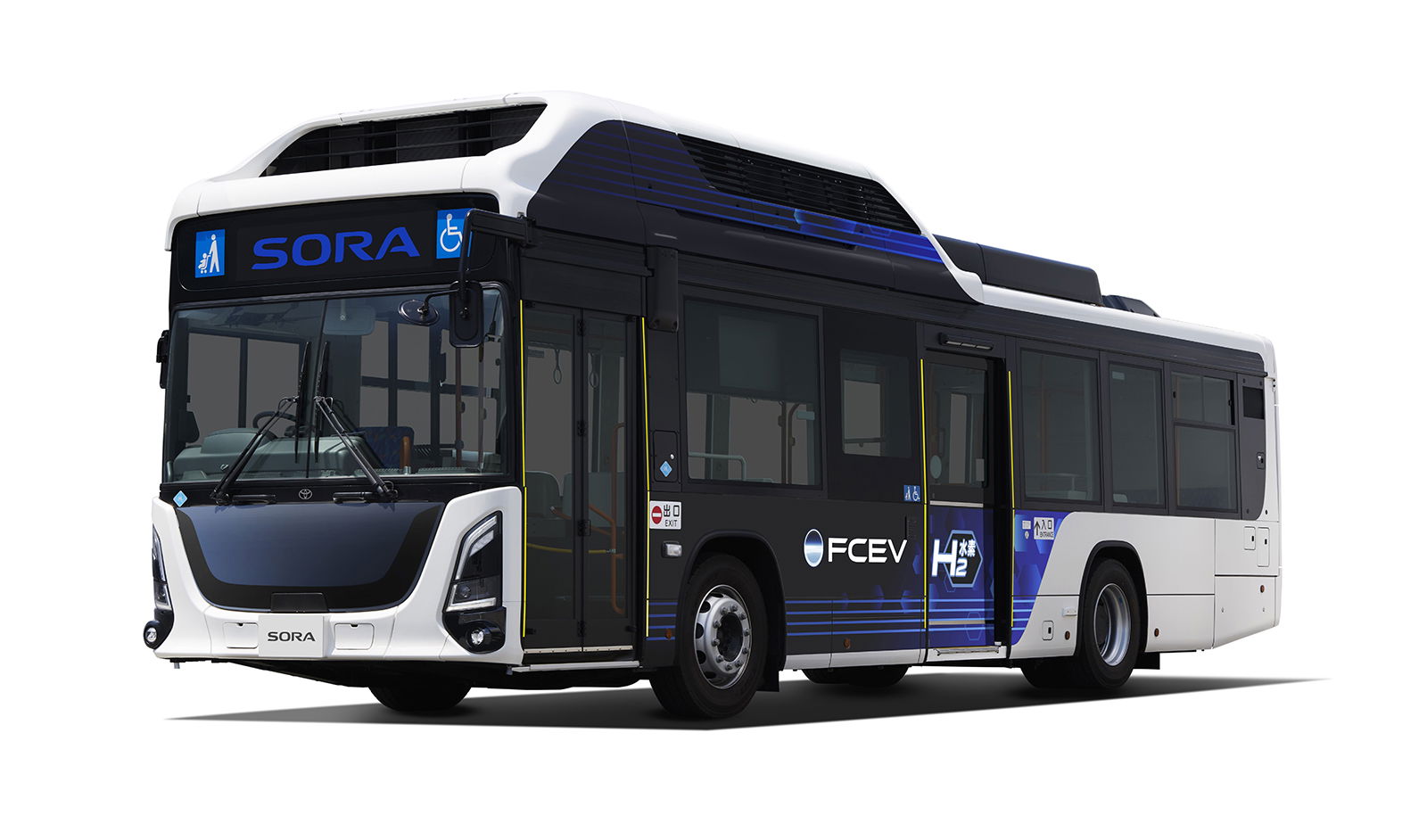
Toyota unveils next-generation Sora hydrogen bus with more efficient fuel cell
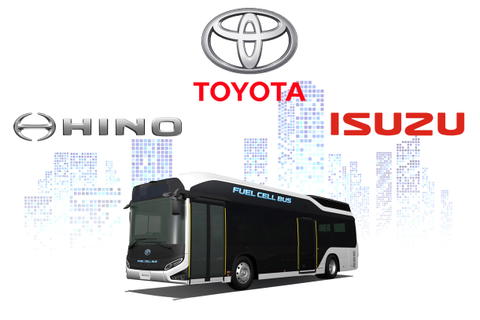
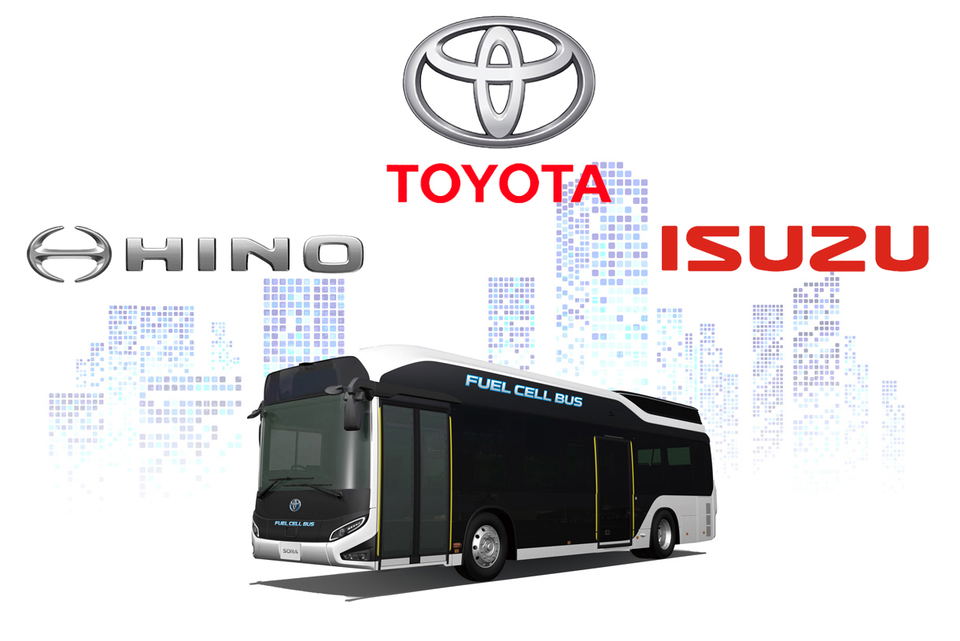
Toyota has unveiled the next generation of its hydrogen fuel-cell city bus. Isuzu also played a leading role in the development, having long maintained a parallel bus range in Japan alongside Hino, the heavy commercial vehicle division of the Japanese industrial giant; however, the fuel-cell version will be marketed under Toyota’s own brand name, as a company regarded as one of the global pioneers of this propulsion technology.
Toyota continues to regard hydrogen as an important energy source for achieving a carbon-neutral society. The Japanese industrial giant unveiled the first generation of its fuel-cell-powered Mirai passenger car in 2014, which has since been sold in more than 30 countries and regions, and since 2019 it has supplied more than 3,500 fuel-cell systems to over 100 customers worldwide for stationary generators as well as rail and bus applications. Among bus manufacturers active on the European market, the Japanese manufacturer’s cell modules can currently be found in hydrogen buses from Mercedes-Benz, CaetanoBus and Karsan. Toyota has also developed a hydrogen cartridge and a hydrogen sauna in recent years, but with the presentation of its new fuel-cell bus on 5 October, it is once again taking a step towards promoting the use of this environmentally friendly fuel in public transport.
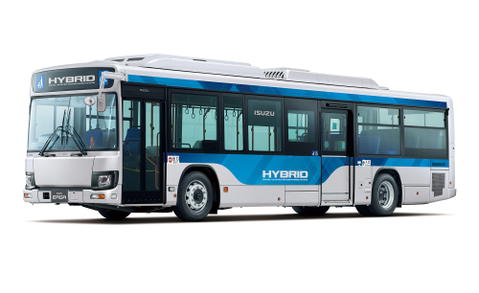
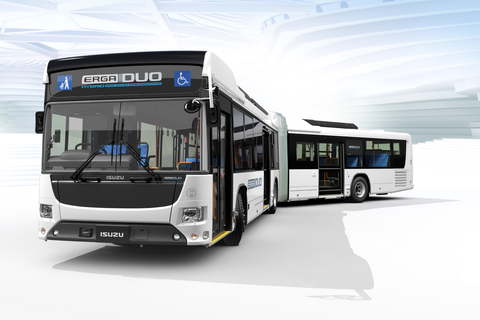
The Toyota Sora is considered the first Japanese hydrogen-powered bus type to be produced in significant numbers. Its name is formed from the initial letters of the English words sky, ocean, river and air (sky, ocean, river, air), referring to the water cycle. Unlike the first generation, unveiled in 2017, the second generation is the result of cooperation between Isuzu and Toyota announced in autumn 2025, under which Isuzu was responsible for the bodywork, while Toyota contributed the hydrogen fuel-cell propulsion system to the development. This division of labour is clearly visible from the outside, too: whereas the predecessor received a distinctive, overtly futuristic body at the time, the new generation is based on the Isuzu Erga EV battery-electric bus and will be marketed by both companies through their own sales networks. Although Isuzu unveiled its own variant, called the Erga FCV, as early as last September, it too had kept the technical specifications under wraps until now.
As is typical of Japanese bus types, the overall dimensions are modest: the 10,545 mm length is accompanied by a width of 2,485 mm and a wheelbase of 4,990 mm, with only the 3,440 mm height being considerable even within the category. From an engineering perspective, one of the most important innovations is the improved fuel-cell efficiency. As a result, although the total volume of the roof-mounted hydrogen tanks has been reduced by just over 20% compared with the previous generation (from 600 to 471 litres, using only three gas tanks instead of ten, albeit still with a nominal operating pressure of 700 bar), the range achievable on a single fill has increased by 100 kilometres to more than 300 kilometres, according to Toyota’s own measurements. Although the manufacturer says this is sufficient for most urban duties, even on paper it is not an earth-shattering figure, especially given that the actual range also depends on the outside temperature, traffic conditions, passenger load, use of air conditioning and other factors. However, a little calculation shows that the estimated hydrogen consumption works out at just over 6 kg per 100 kilometres, which is a very favourable figure. Fully refilling the tanks takes around 10 minutes, depending on the capabilities of the hydrogen filling station and the outside temperature, but the vehicle also complies with a new high-speed hydrogen refuelling standard, meaning that refuelling time could be reduced to as little as half the current figure in future, once suitable filling stations enter service.
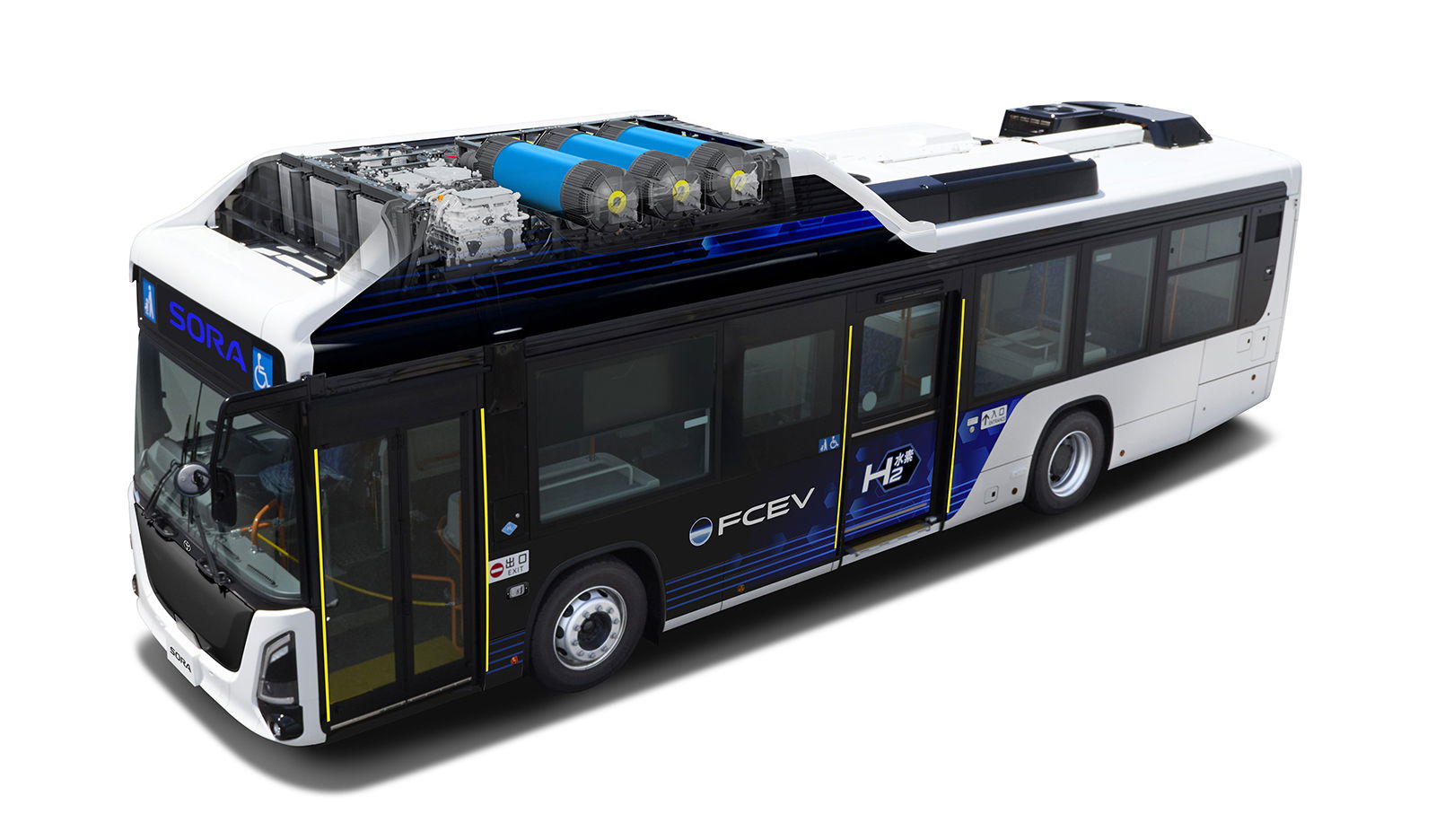
The compact fuel-cell unit, rated at 113 kW, is now located at the front of the roof, directly ahead of the hydrogen tanks (that of the predecessor was likewise mounted on the roof, but at its very rear). This offers several advantages: on the one hand, the high-pressure pipework carrying hydrogen gas can be shorter, while the fuel also remains at a safe distance from the passenger compartment; on the other, the electrical components installed below the roofline can be identical in the hydrogen-powered and battery-electric bus variants. This design also simplifies production and fleet integration.
Two asynchronous electric motors, each with a peak output of 110 kW and maximum torque of 485 Nm, provide direct propulsion for the bus. Although Toyota’s press material does not name the supplier, the figures strongly suggest that it is ZF’s well-known AxTrax AVE portal axle with quasi-wheel-hub motors. Instead of the previous nickel-metal hydride (Ni-MH)-based solution, an 88 kWh lithium-ion battery serves as an intermediate energy store, although its exact cell chemistry has not been disclosed. Like its predecessor, the new Sora can also operate as an emergency mobile power source in disaster situations by connecting an external power supply unit, thereby providing energy to external consumers such as households, hospitals or even other electric vehicles – an extremely important consideration in Japan, which is frequently affected by earthquakes.
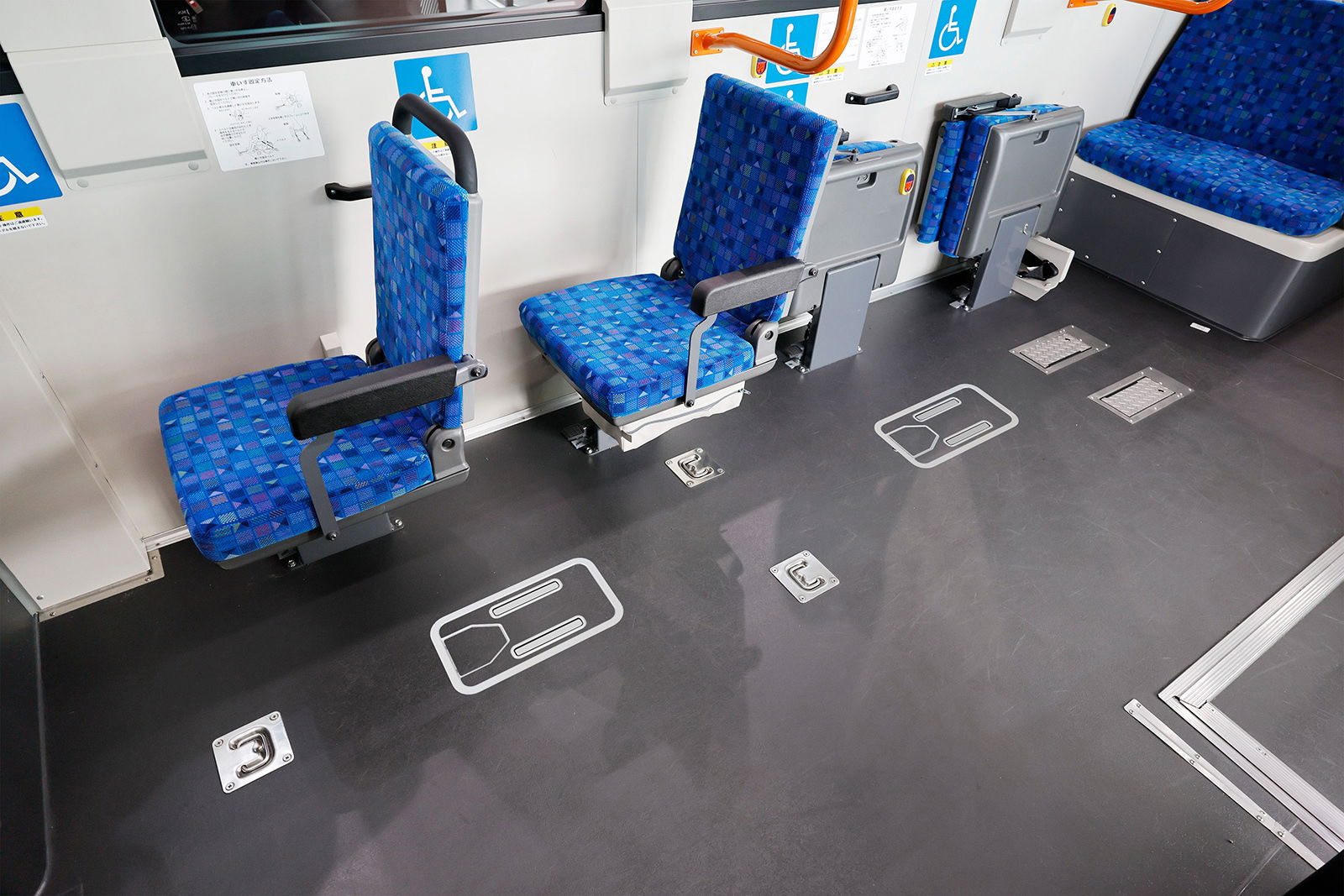
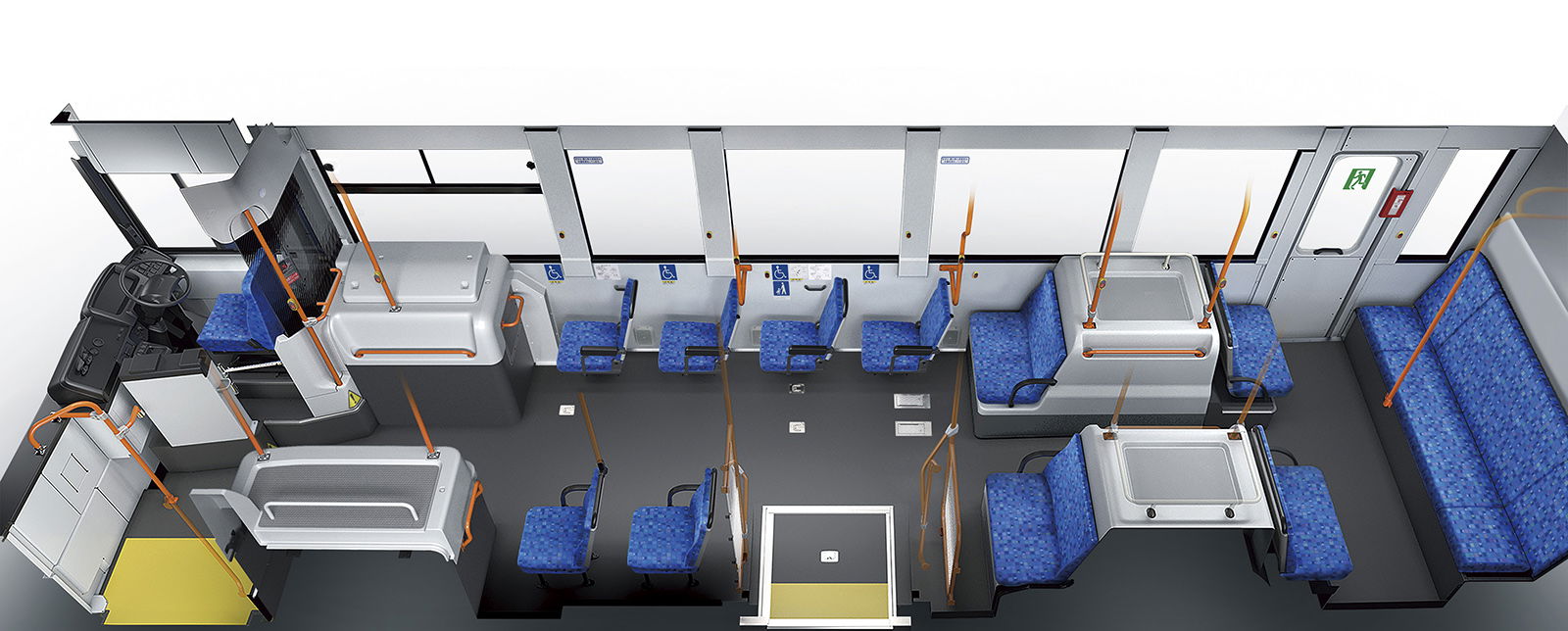
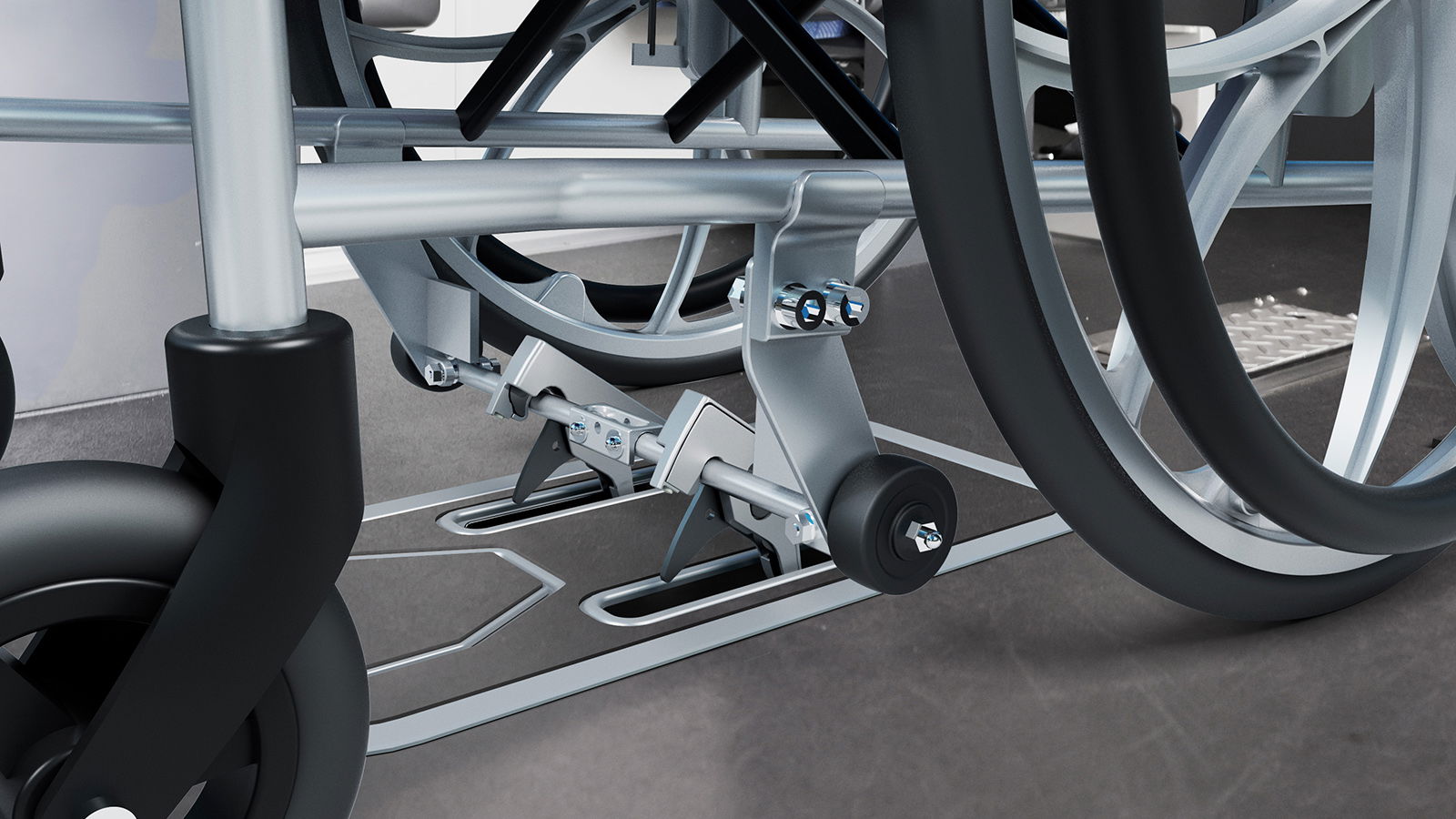
The type has the 2-2-0 door arrangement customary for Japanese city buses, with a sliding door that retracts into the sidewall in the centre and a manually operated emergency exit at the rear on the right-hand side. A full-length low-floor layout remains unusual in the island nation. Prospective operators will be able to choose from four seating layouts – two urban and two suburban – while the urban configuration shown in the published images offers 19 seats and space for 51 standing passengers. Up to two wheelchair spaces can be provided on board; worthy of note in this connection is Toyota’s new wheelchair restraint system, described as one-touch, which will be available as an option from April 2027. The floor-recessed solution secures the wheelchair using a hook-in mechanism, replacing the backrest and associated safety restraint strap customary (and mandatory) in Europe.
An important element of the active-safety equipment is the increasingly widespread Emergency Driving Stop System (EDSS), which is also linked to the Driver Status Monitor (DSM), enabling the system to slow down and stop the bus safely on its own – even on an incline – if it detects that the driver has fallen ill or fallen asleep, before automatically applying the parking brake. Another innovation is a blind-spot monitor that monitors the area in front of the vehicle and warns the driver of potential danger if it detects pedestrians or cyclists passing through it. Although, like its predecessor, the new Toyota Sora is unlikely to reach Europe in its original form, the developments introduced on it are worth watching, as the technology may later appear in bus types from brands familiar to us.
Photos: Toyota Motor Corporation