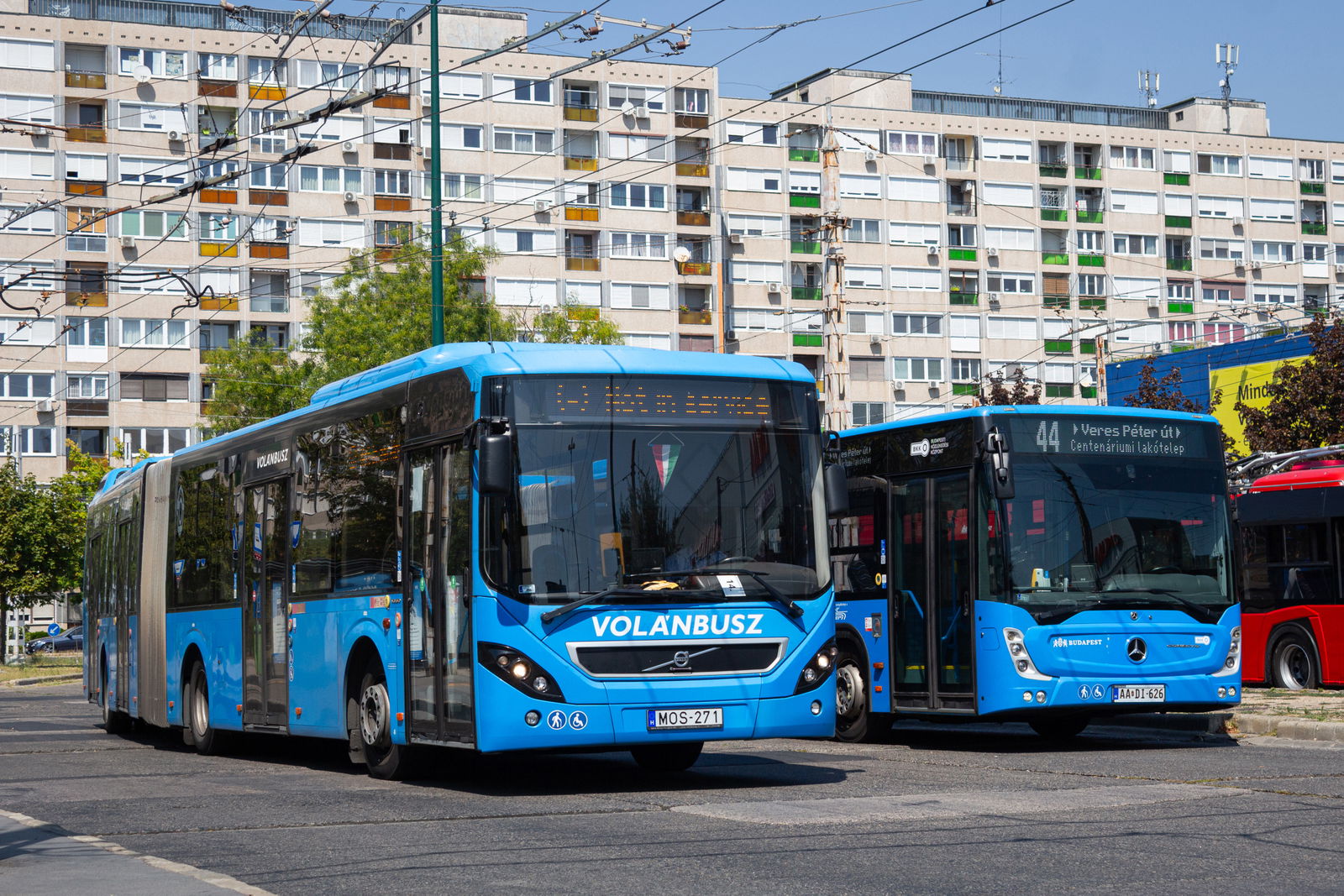
Public transport in the Budapest metropolitan area could ‘turn blue’
More frequent bus services, better-coordinated rail connections and service levels approaching those in Budapest: these are the aims of an agreement under which public transport in Budapest and its surrounding area would be organised by a jointly state- and city-owned BKK. The decision announced on 1 October would also reduce the capital’s financial burden, while enabling transport in the metropolitan area to be planned together with that in Budapest. The key question is whether crossing the Budapest boundary sign will increasingly cease to mark a dividing line in service quality.
Transport commissioning would be brought under joint control
Under the decision of the Council for the Development of Budapest, the National Transport Centre would acquire a 50 per cent stake in BKK through a capital increase, which would continue to operate under the name BKK Budapest Metropolitan Area Transport Centre Zrt.. Funding would likewise be provided equally by the state and the capital.
A central element of the restructuring is the joint commissioning of services. In the words of Dávid Vitézy, Minister of Transport and Investment, public transport from Szentendre to Ráckeve and from Gödöllő to Zsámbék would be commissioned through BKK. Routes, timetable provision and the required capacities could thus be considered at metropolitan-area level.
This matters to passengers because a suburban journey often consists of several services. The bus serving the place of residence, the HÉV suburban railway or train, and the connection in Budapest together determine journey times. A joint commissioning body could examine these together and, when altering one network, ensure that the necessary changes are also made to the other.
More frequent services and more practical connections among the aims
In an evening television discussion on 1 October, Vitézy identified more frequent buses, a broader service offer, bus lanes and coordinated bus and rail transport as objectives. He advocated extending bank card ticket purchases to HÉV services and buses in the metropolitan area, and also raised the possibility of Bubi taking on a regional feeder role. These proposals have not yet been accompanied by a publicly available line-by-line timetable or implementation deadline.
One practical benefit of coordinating networks, for example, could be to align the timetable of a bus serving a railway station with train services. Eliminating a connection that is regularly missed may bring passengers a greater improvement than a faster bus route in itself. Getting home in the evening is similarly important: it is of little use if trains are still running when the bus link from the station to the place of residence has already ceased.
Joint planning does not necessarily mean turning every direct bus service to Budapest into a rail feeder. The appropriate solution depends on passenger demand, the capacity and reliability of the railway, and the conditions for interchange. The value of the regional model may lie in assessing these factors together.
Bus lanes could improve service reliability. Increasing frequency alone will not make a bus caught in congestion competitive: infrastructure must also be addressed in order to improve journey times and punctuality. According to the government statement, the restructured BKK would also act as the client for transport and public-space developments implemented in Budapest, allowing service planning and investment to be more closely linked.
Budapest would pay less while participating in a broader system
For the capital, the most immediate benefit would be a reduction in its funding burden. According to the announcement, BKK would receive HUF 340 billion in budgetary support in 2027, with HUF 170 billion provided by the state and the same amount by Budapest. This is a support amount, not the full budget of the system, including all revenues and investments.
In the evening discussion, Gergely Karácsony put this year’s transport burden on the capital at around HUF 220 billion. Compared with this, the HUF 170 billion contribution next year would represent a reduction in the burden of roughly HUF 50 billion. The detailed agreement will need to clarify the differing responsibilities and accounting arrangements for the two years.
Better suburban transport is also in Budapest’s own interest. If buses, HÉV services or trains become more attractive to commuters, this could reduce car traffic entering the capital, congestion and parking pressure. Improving services beyond the city boundary could therefore also benefit users of Budapest’s streets.
Joint ownership also means, however, that Budapest would share decision-making powers with the state. The lower independent financial burden would come with shared responsibility and joint governance.
The state would gain greater influence over services in the metropolitan area
From a transport-policy perspective, the advantage of state involvement is that suburban bus and rail services can be better integrated with Budapest’s network. The value of a railway development is determined not only by train journey times: it also matters how passengers can reach the station and what connection awaits them in Budapest.
A joint BKK could create an opportunity for the state to participate not only in funding but also in shaping services across the entire metropolitan area. Reviewing parallel capacities, filling missing links and coordinating investments could result in more efficient use of resources.
This does not, however, mean automatic savings for the state. More frequent services and higher service standards may also require additional resources. The expected benefit of state involvement may rather be that expenditure creates a network whose elements reinforce one another.
Why did the system need to be changed?
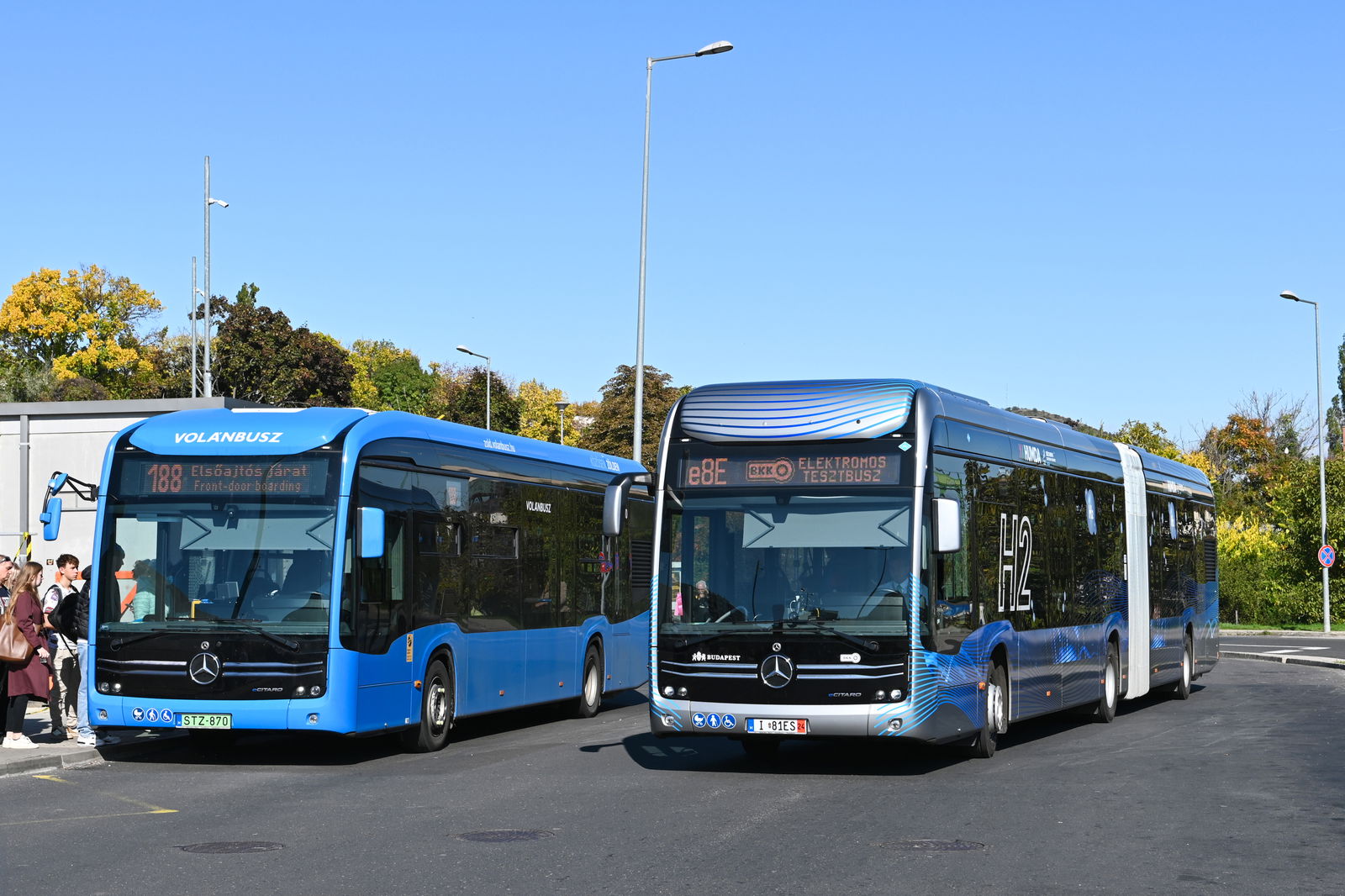
The underlying issue is that Budapest and its surrounding area form an integrated transport region, while the commissioning and funding of services are divided. The capital’s network also carries passengers from the metropolitan area, meaning that service provision beyond the city boundary has a direct impact on transport in Budapest.
Cooperation between several commissioning bodies can work, but a network change may require several separate decisions. The purpose of the joint organisation is to simplify this and ensure that responsibility extends across the entire journey chain.
The reciprocal acceptance of season tickets introduced in 2024 was already a major step forward: Pest County passes and national passes are also valid on BKK’s regular services. However, fare integration alone does not ensure good connections or appropriate service frequencies. The current decision could take this further on the network and institutional side.
The previous hybrid model had already partly shown the way
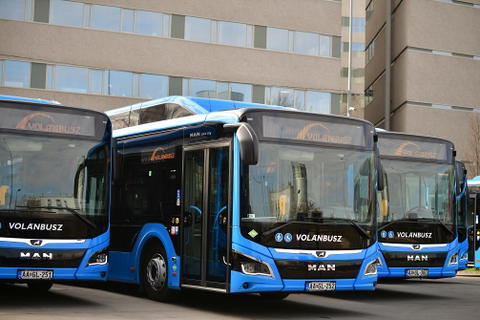
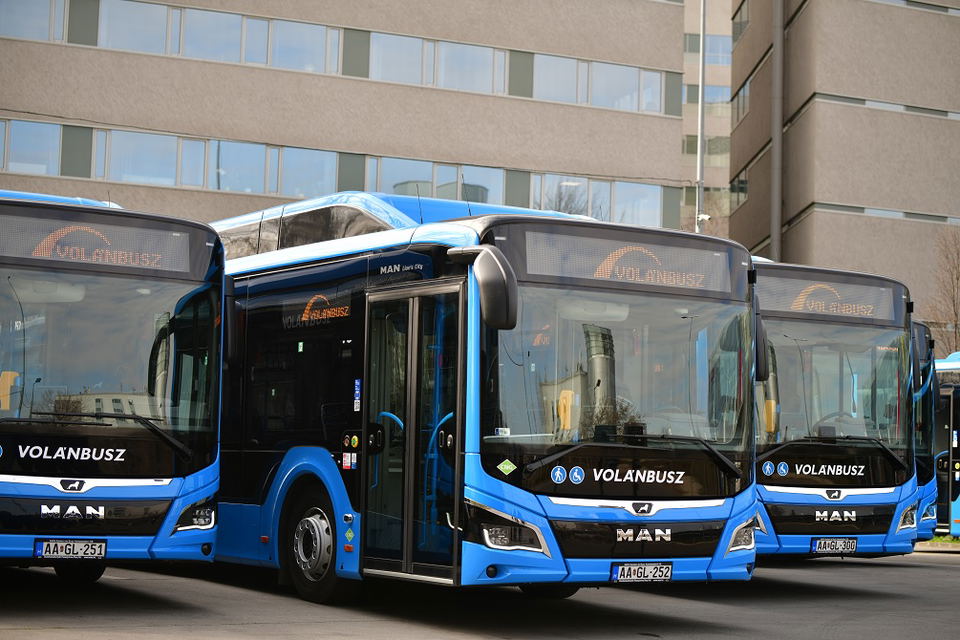
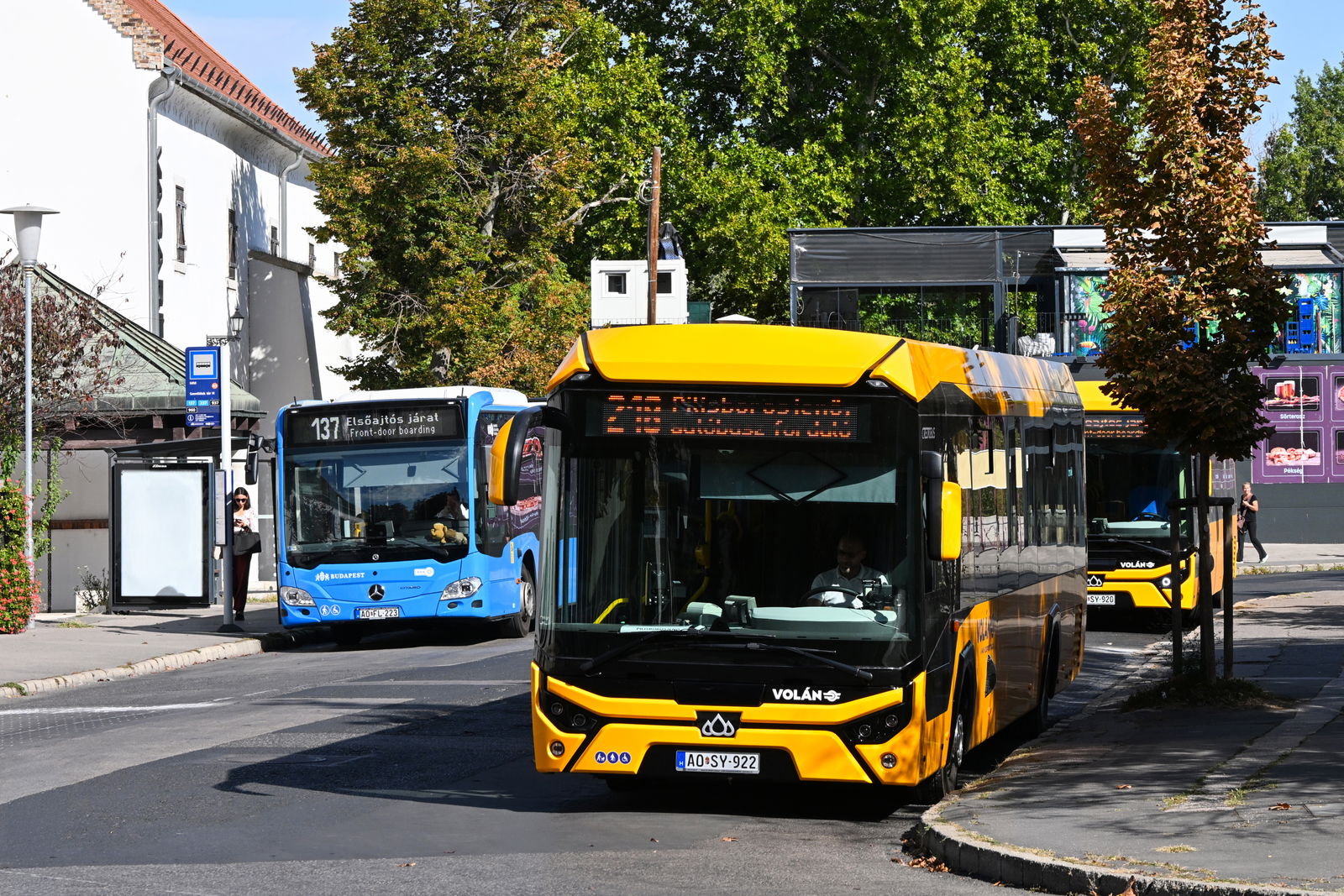
There is a domestic precedent for joint organisation. Following the 2013 agreement, Volánbusz took over the operation of several metropolitan-area services integrated into Budapest’s network in 2014, while they remained within BKK’s network, timetable and fare system. The arrangement affected connections to, among other places, Budakeszi, Budaörs, Gyál, Pécel, Solymár and Törökbálint.
This organisationally hybrid model showed that a unified service can be provided even where the transport organiser and operator have different ownership backgrounds. The current plan would extend this logic to a wider area, more transport modes, and a joint ownership and funding structure.
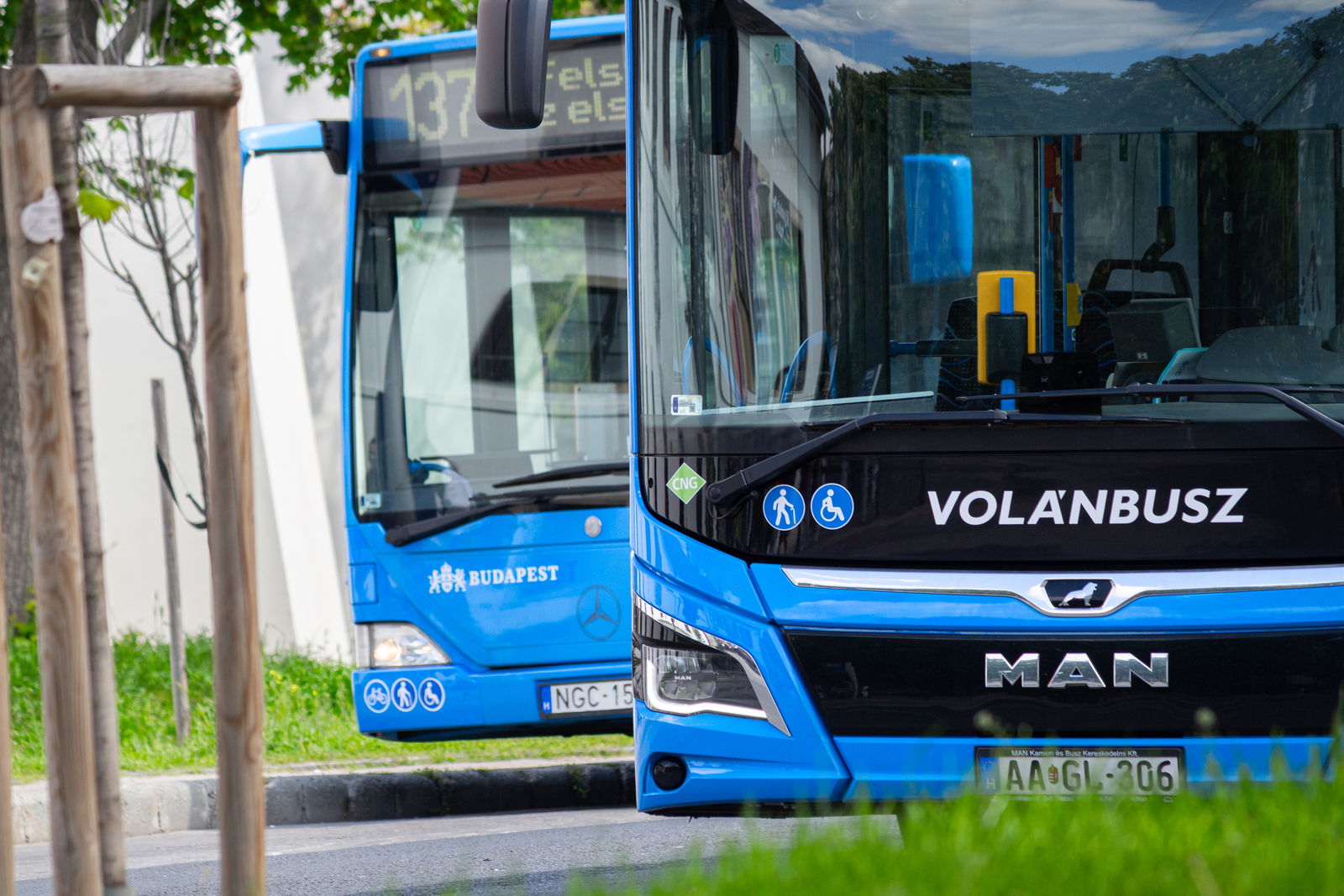
The creation of a regional BKK therefore does not in itself mean a merger of operators or the transfer of buses to BKV. ‘Turning blue’ mean extending Budapest’s service philosophy; no standardised repainting programme has been announced.
The agreement will ultimately have to prove itself in the timetables
In the new model, the basic principles of ownership and funding are already known, but the timetable for specific passenger-facing changes is not yet. The precise geographical and route scope, the role of the municipalities concerned, the treatment of existing contracts and the rules for joint decision-making must all be clarified.
For passengers, the restructuring will become tangible if they have to wait less, receive more reliable connections, find ticket purchasing simpler, and retain usable links in the evenings and at weekends. A joint BKK could provide a stronger institutional and financial basis for delivering these improvements.