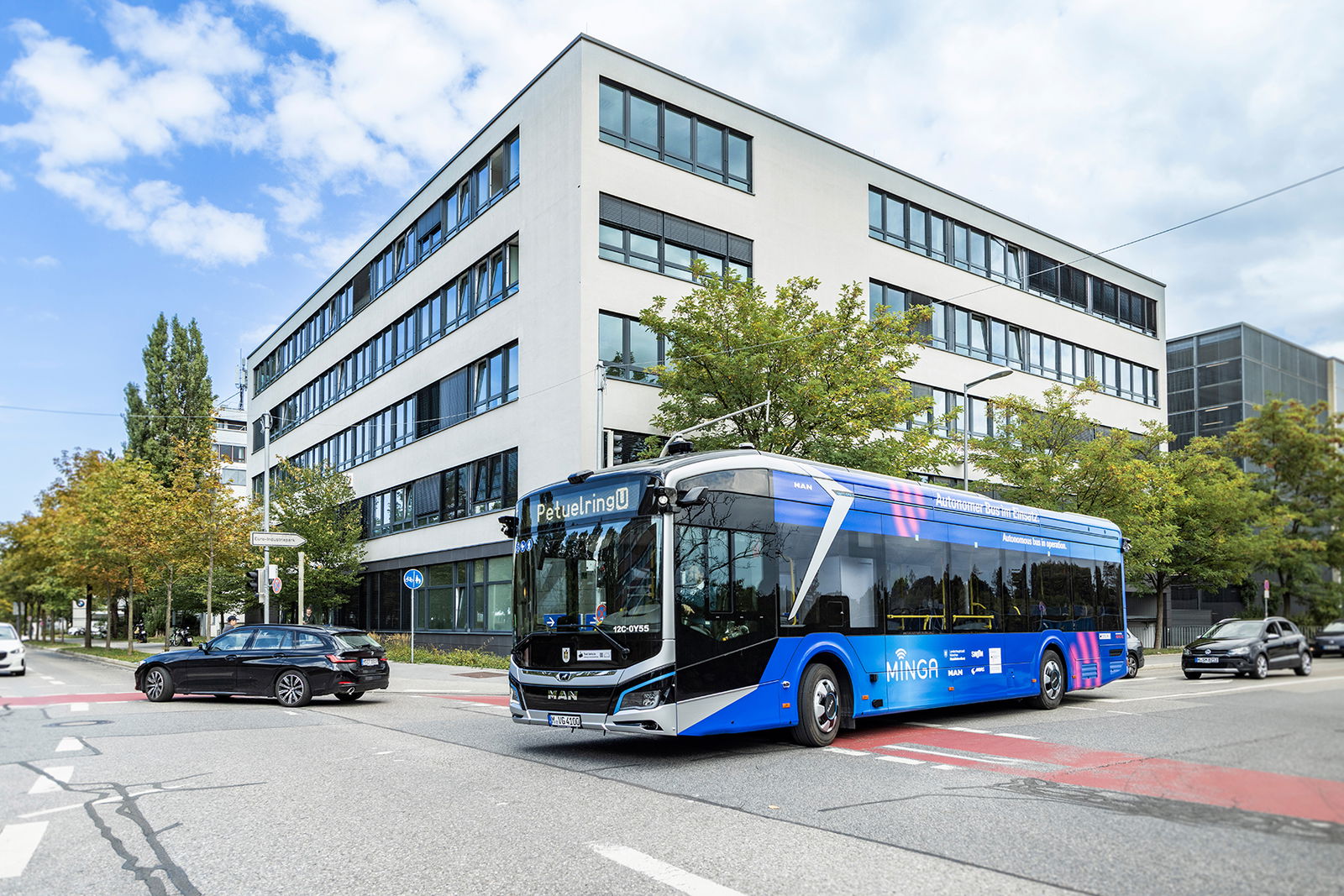
MAN’s self-driving electric bus is already being tested on Munich’s streets and could carry passengers from November
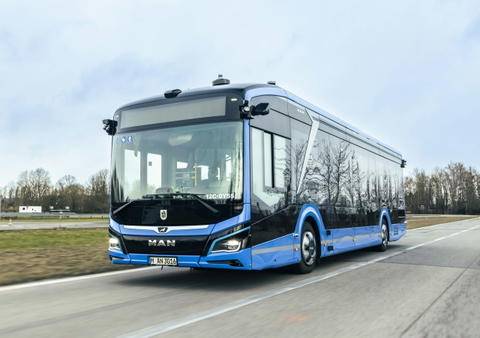
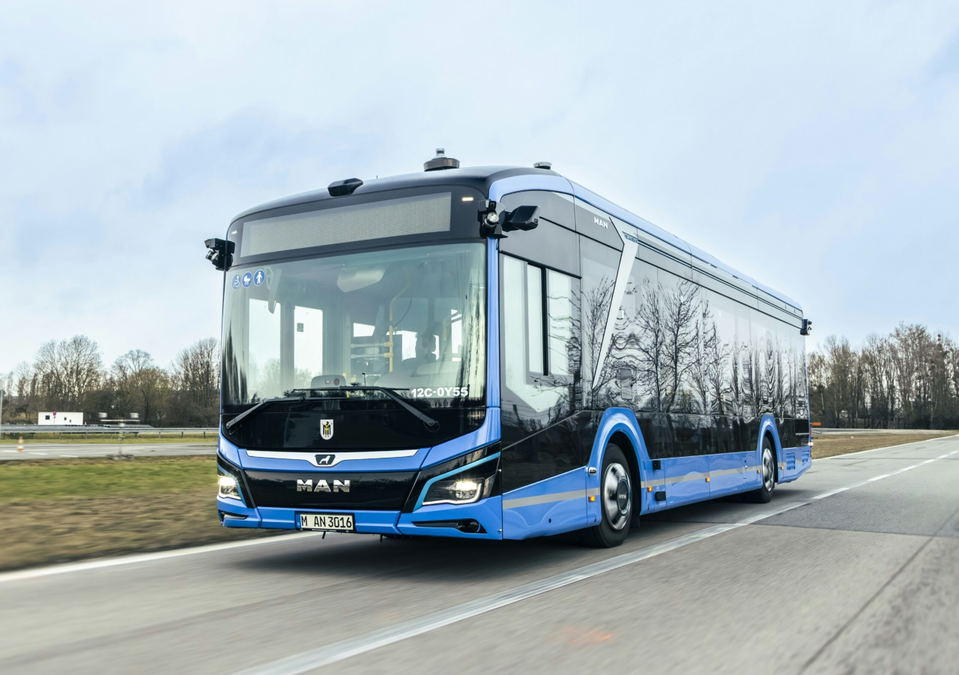
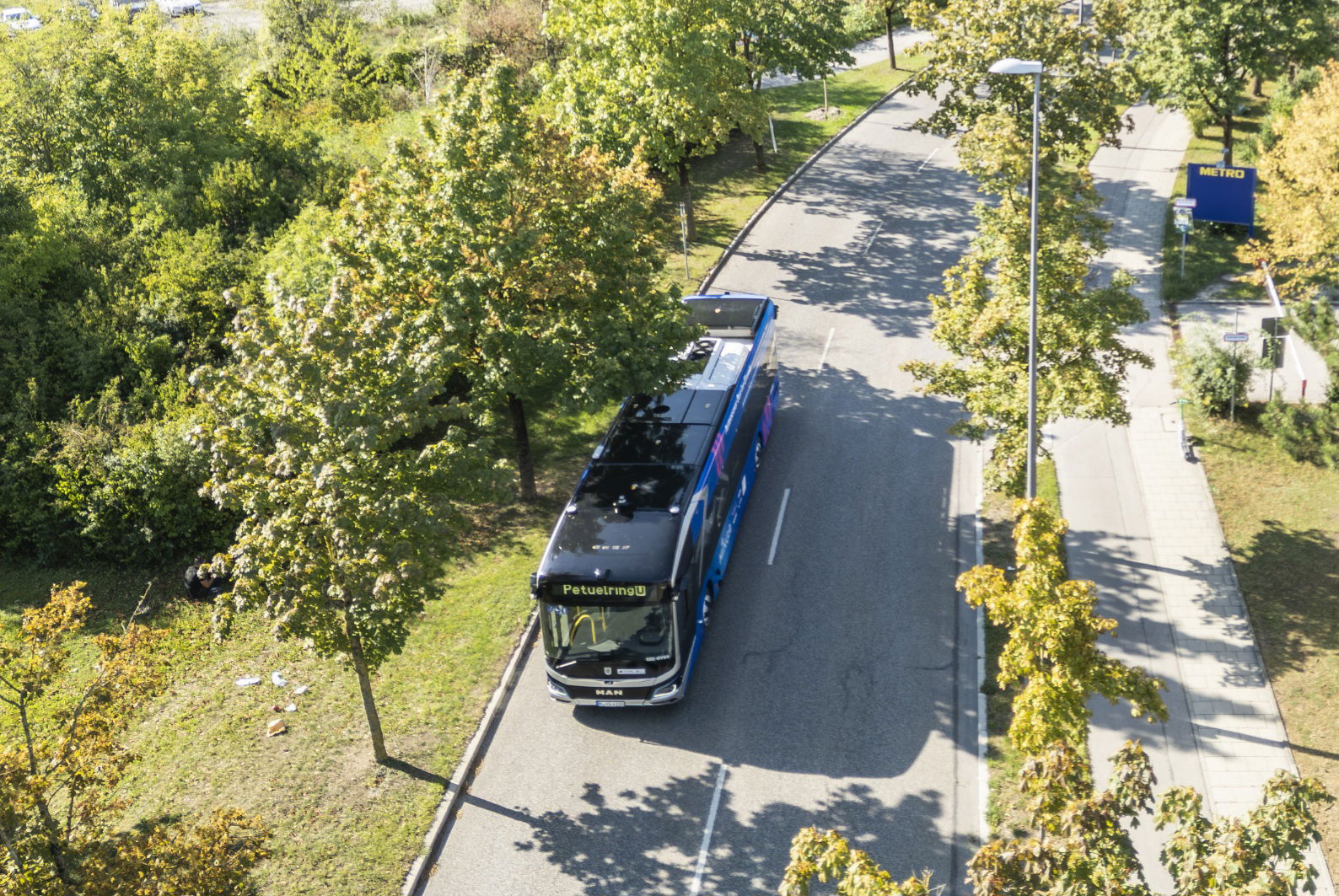
The test programme for MAN’s SAE Level 4 automated urban bus has entered another important phase in Munich. Since early September, the MAN Lion’s City 12 E converted as part of the MINGA research project has been operating in public traffic on MVG route 178, between Petuelring and Freimanner Hölzl. For the time being, the vehicle is collecting data on the route and traffic environment with specially trained test drivers on board, but the next test phase could begin in November as planned, allowing it to carry passengers from a closed group of users.
The 12-metre electric bus automated by MAN Truck & Bus and its technology partner ADASTEC was still taking part in an intensive test programme at MAN’s own facility in the spring, where, among other things, various functions of the automated driving system and the precise approach to stops were examined. In the months since then, the technical tests and approval procedures required to begin on-road testing have also been completed. The vehicle received the necessary approvals from TÜV, while the road operating permit was issued by the German Federal Motor Transport Authority, the Kraftfahrt-Bundesamt (KBA), under the AFGBV regulations governing the approval and operation of autonomous vehicles.
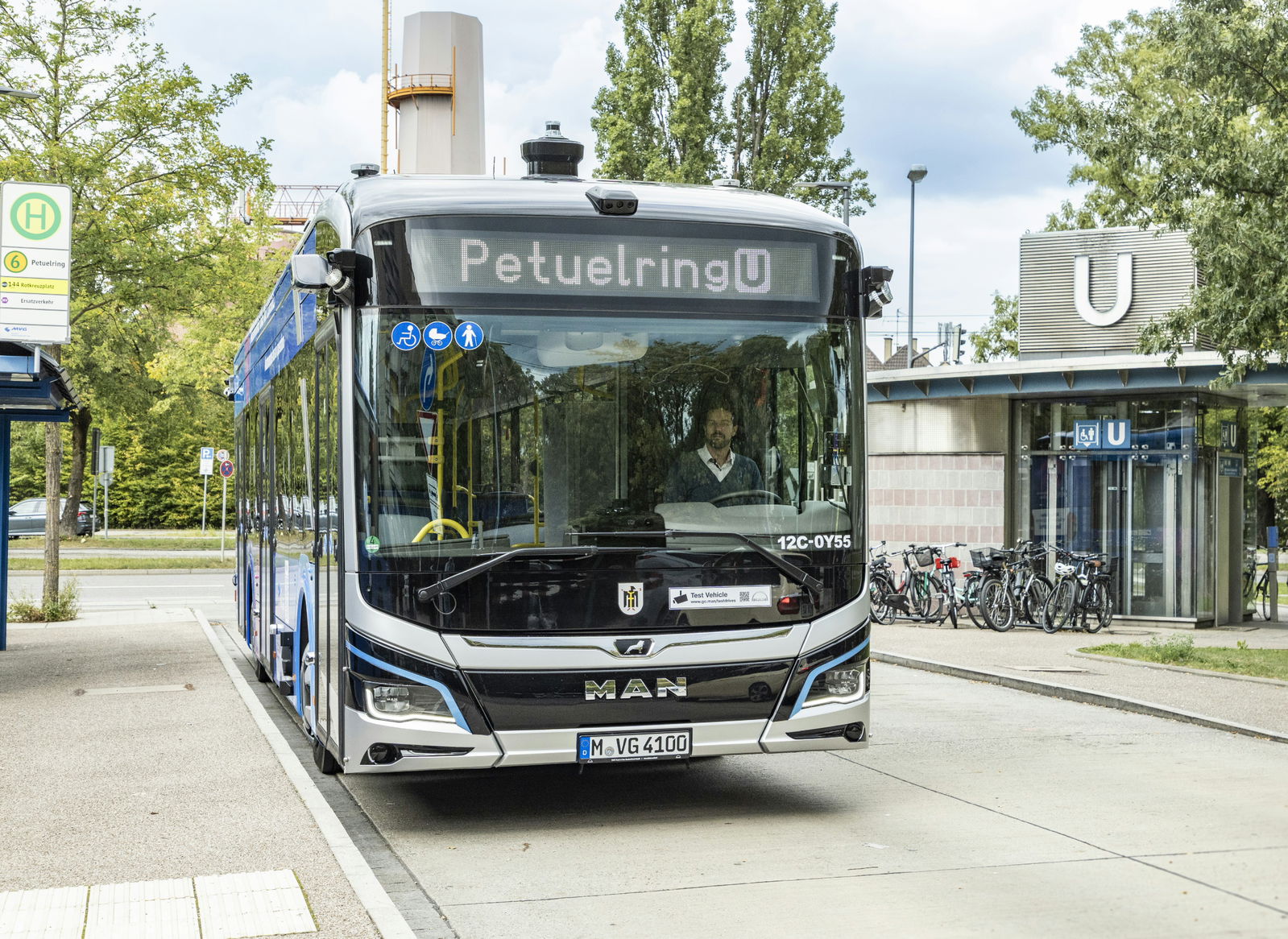
For the time being, the primary task of the on-road tests launched in September is not for the bus to complete route 178 entirely autonomously. MAN and MVG specialists are currently collecting highly accurate data from the entire route, from which ADASTEC will create the high-resolution digital HD map required for automated operation.
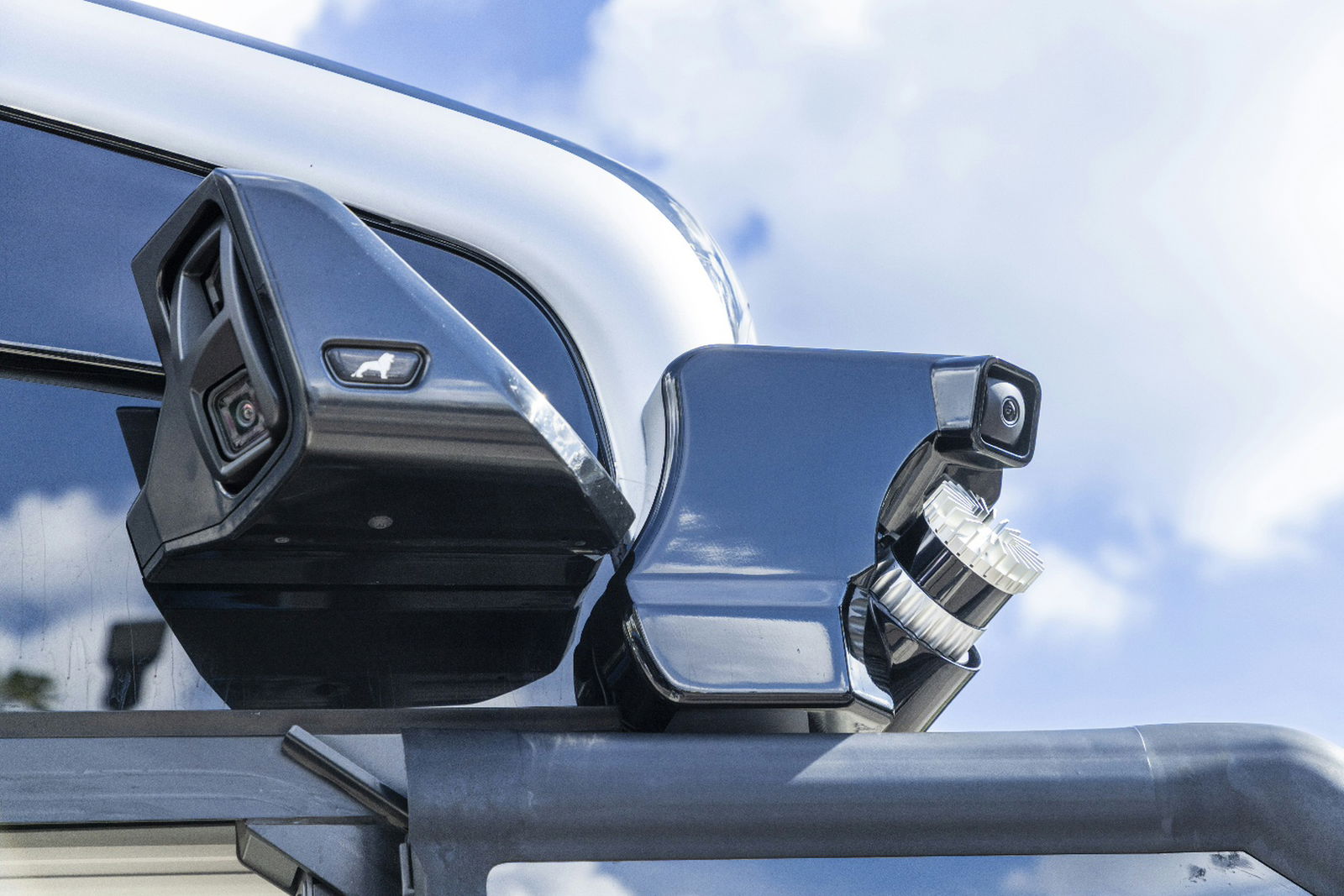
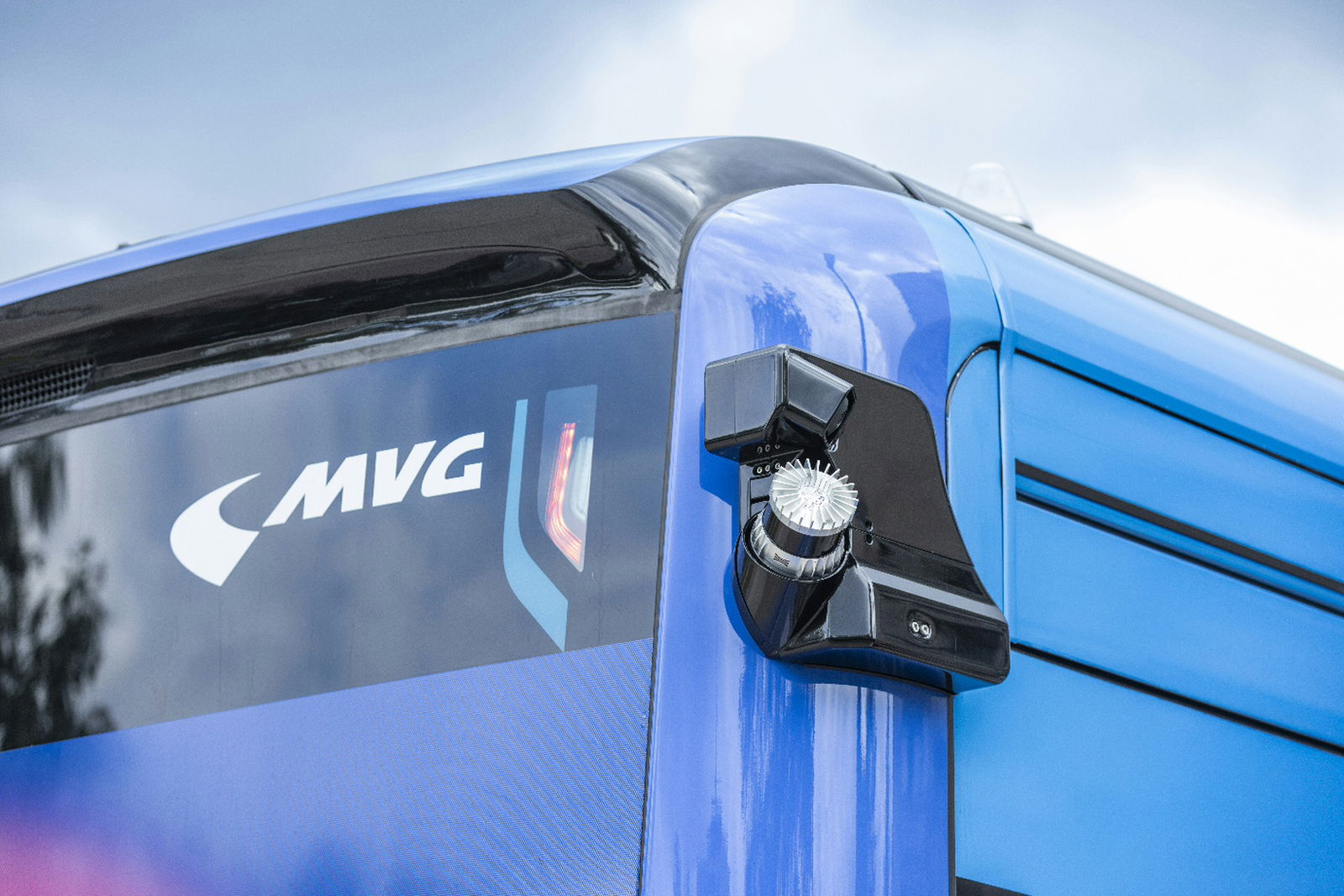
This uses the Lion’s City 12 E’s complex sensor system. The bus has been equipped with five LiDAR sensors, six radars, eight cameras and a positioning system based on satellite navigation. Using the data received from these, the precise positions of traffic lights, pedestrian crossings, traffic lanes and other infrastructure elements important for automated operation are recorded, among other things. Together with real-time sensor data, the HD map enables the vehicle to determine its own position with high accuracy and independently follow the predefined route.
From a development perspective, route 178 provides a particularly suitable test environment, as a relatively short section includes several significantly different traffic situations. The route features major urban arterial roads, 30 km/h speed-restricted sections, carriageways lined with parked vehicles and underpasses, meaning that, according to MAN and MVG, it is well representative of the operating environments found on Munich’s bus network.
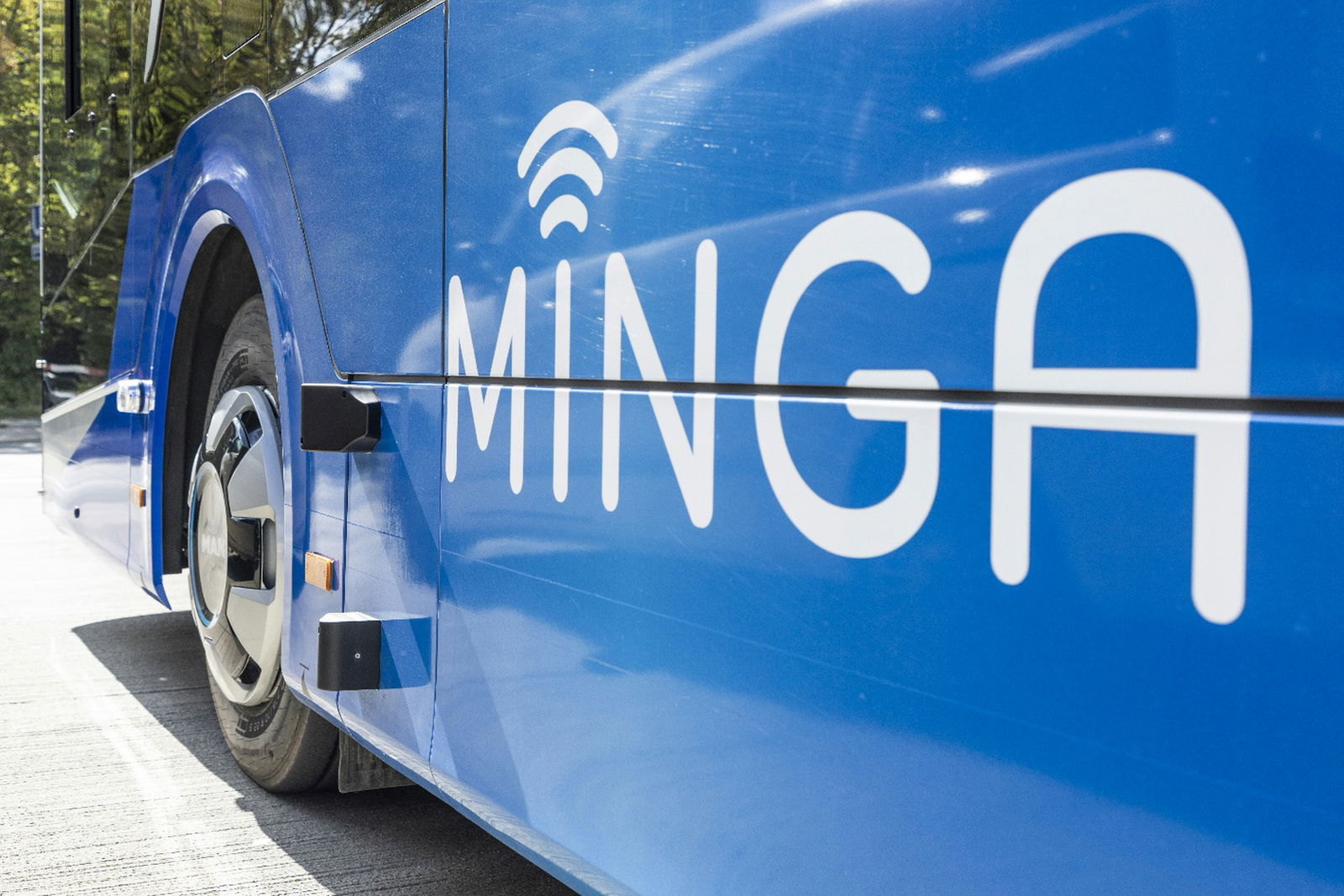
Once the appropriate digital route model has been created and the system further fine-tuned, the Lion’s City 12 E will take on an increasing number of driving tasks. The automated system will independently handle steering, acceleration and braking, as well as the necessary turn signals. Throughout the project, however, a safety driver will remain on board to continuously supervise operation and take control immediately if necessary.
The vehicle’s size presents a particular challenge for the developers. In the automated control of a 12-metre bus operating in urban traffic, it is necessary not only to ensure proper lane tracking, but also to continuously maintain a safe distance from other road users, parked vehicles and roadside infrastructure. MAN is therefore deliberately calibrating the system for a cautious, restrained driving character. According to the manufacturer, one of the MINGA project’s aims, alongside increasing the technology’s technical maturity, is to build public trust in automated transport.
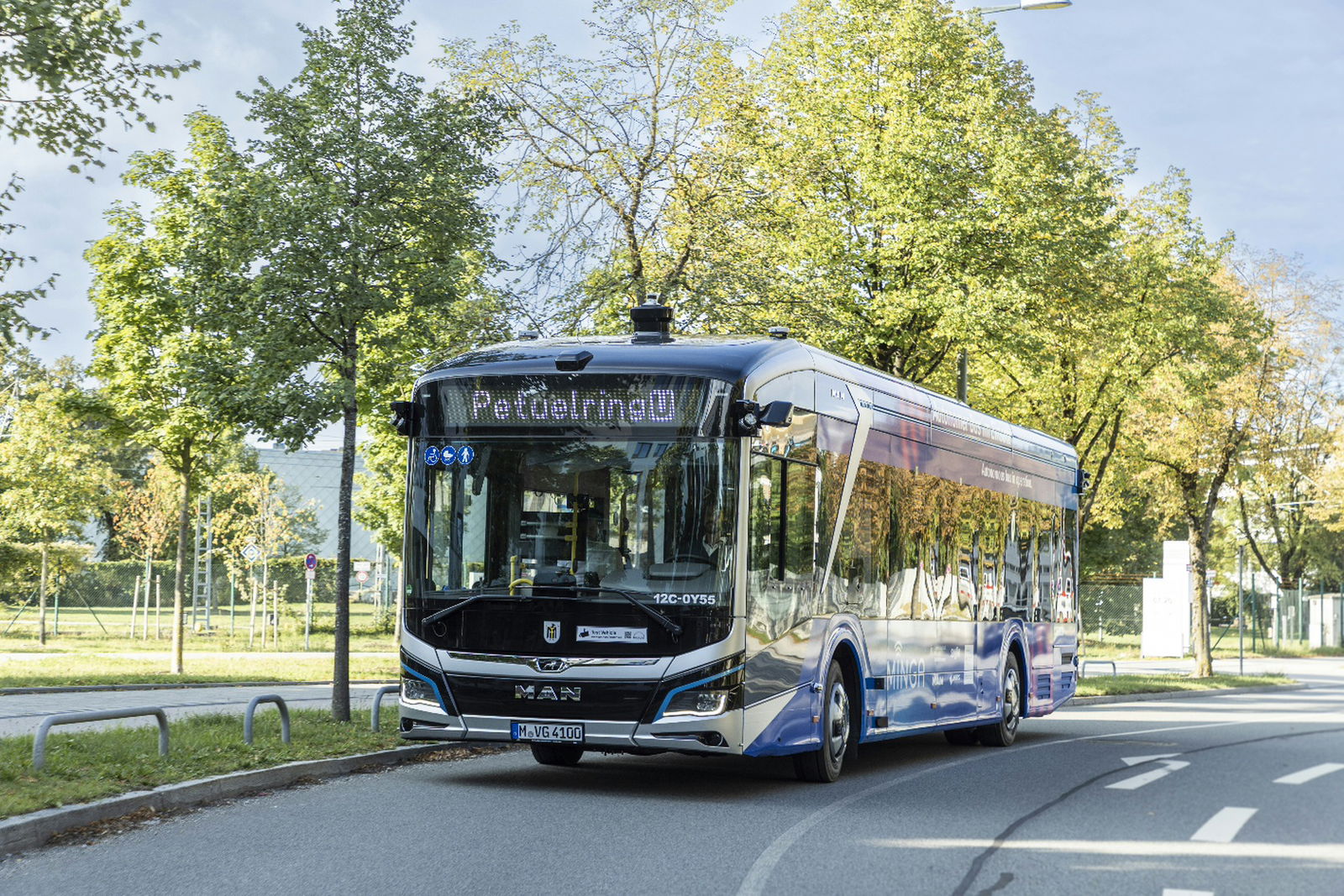
The start of on-road test operation was preceded by a comprehensive technical and regulatory approval process. This included examinations of electromagnetic compatibility and the operation of the automated driving system developed by ADASTEC in various predefined situations. A key requirement was that, in the event of a possible system failure, the safety driver on board must be able to take direct control of the vehicle at any time. Following the completion of the necessary technical tests, the bus received the official approvals required for on-road testing.
The next significant stage is expected to begin in November. MAN and MVG will then involve selected test passengers in the programme. The Lion’s City 12 E will operate as a supplementary vehicle on the existing route 178, meaning that the test will seek to reproduce as accurately as possible the conditions of future scheduled operation. The bus, which has around 30 seats, also includes an area for a wheelchair or pushchair. Interested parties can already register for the test journeys, while MVG will announce the precise start date of the actual passenger service trial later.
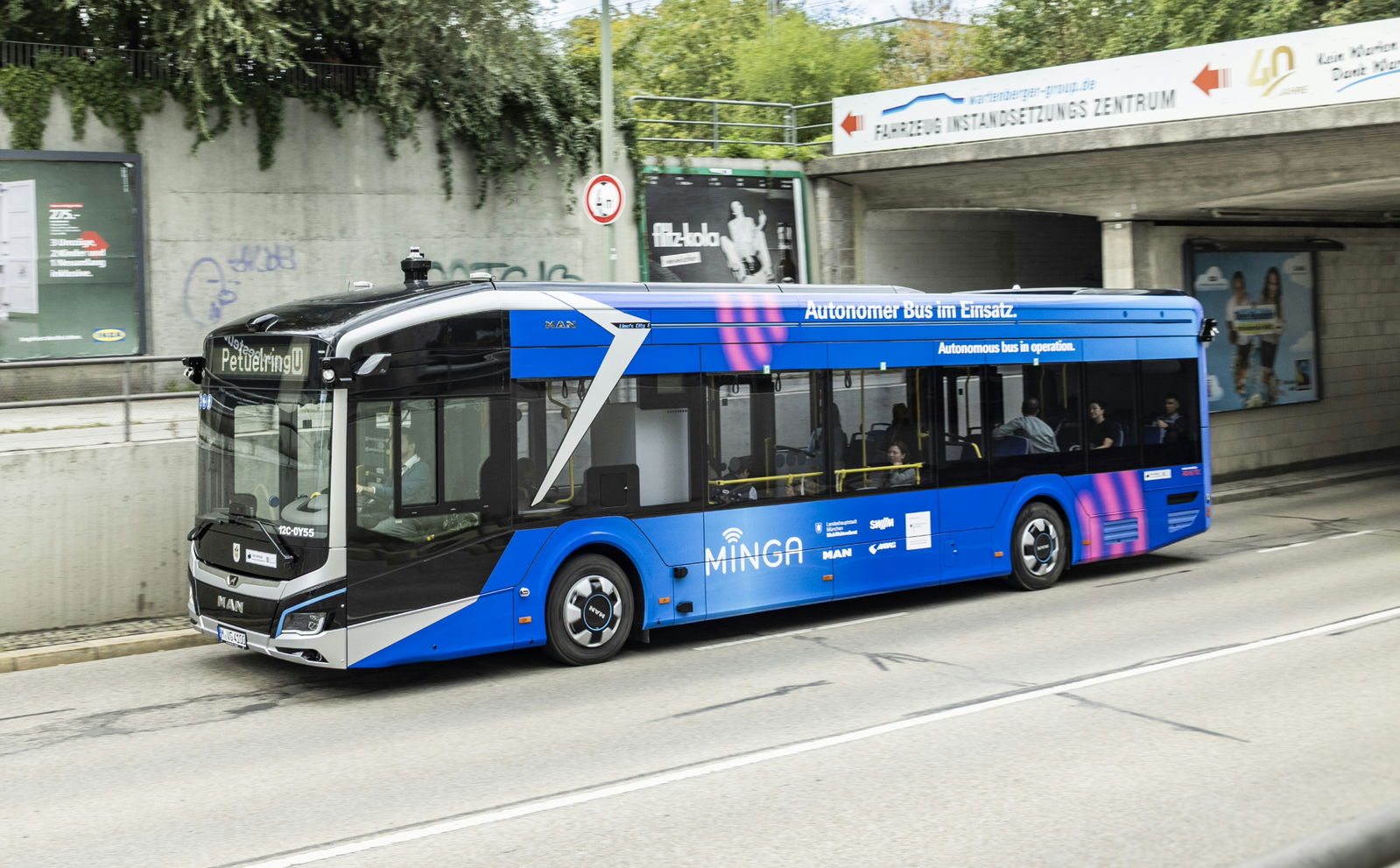
The current on-road test operation is a central element of the MINGA research programme launched in 2023 – Münchens automatisierter Nahverkehr mit Ridepooling, Solobus und Bus-Platoons. The project, coordinated by Munich’s urban mobility office, involves a total of 16 partners representing public administration, the research sector and industry. The programme aims not merely to test various automated vehicles technically, but also to examine how self-driving and connected mobility solutions can be integrated into the existing urban public transport system. As part of this, technological, regulatory, economic, accessibility and operational issues are all being analysed.
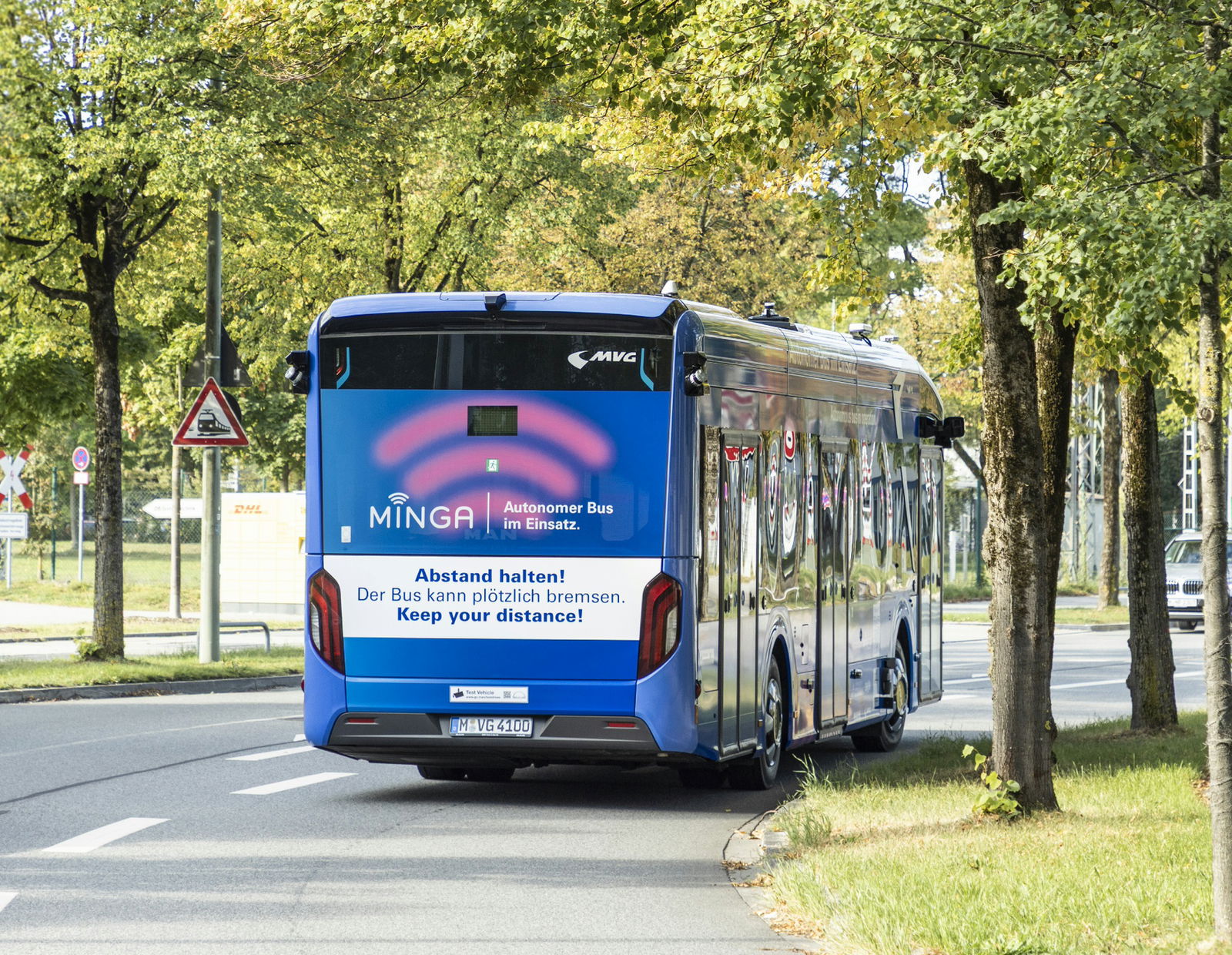
The MINGA project is supported by the German Federal Ministry of Transport with approximately €13 million under the ‘Autonomous and connected driving in public transport’ funding programme; according to the research programme’s current schedule, it will run until mid-2027.
In the longer term, MAN sees automated buses primarily as a technology capable of increasing the flexibility and economic efficiency of public transport. According to the manufacturer, amid growing cities and an increasingly acute shortage of drivers, self-driving systems could play a particularly important role in maintaining and expanding transport services.
MAN will use the experience gained during the Munich programme directly in the development of its next vehicle generations. ADASTEC will remain the manufacturer’s technology partner in this work, developing an SAE Level 4 automated driving platform specifically for buses and commercial vehicles. At this level of automation, the vehicle is already capable of independently performing the entire driving task within its defined operational domain, meaning that the long-term significance of the Munich trial extends far beyond the testing of a single demonstration vehicle.