![Magyarbusz [Info]](/mbi/header-logo.png)
Setra’s integral design has shaped European bus manufacturing for 75 years
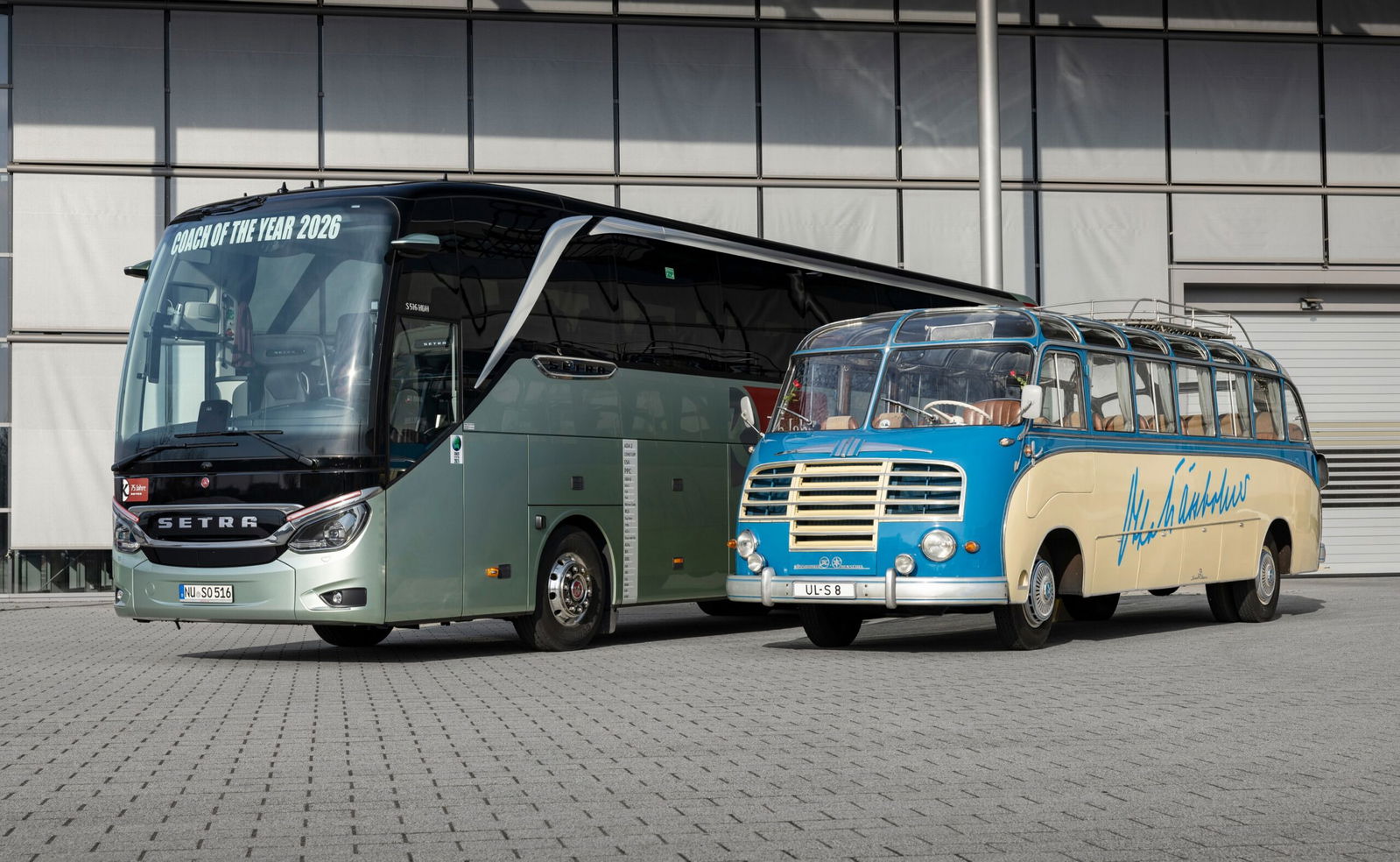
This year, Setra is celebrating the 75th anniversary of the arrival of integral buses – a design principle that fundamentally transformed European bus manufacturing. The brand name itself derives from the German term “selbsttragend”, referring to a self-supporting body structure. The essence of the concept is that the traditional chassis-based layout is replaced by an integrated, load-bearing body, providing greater structural rigidity, lower weight and more efficient use of space at the same time.
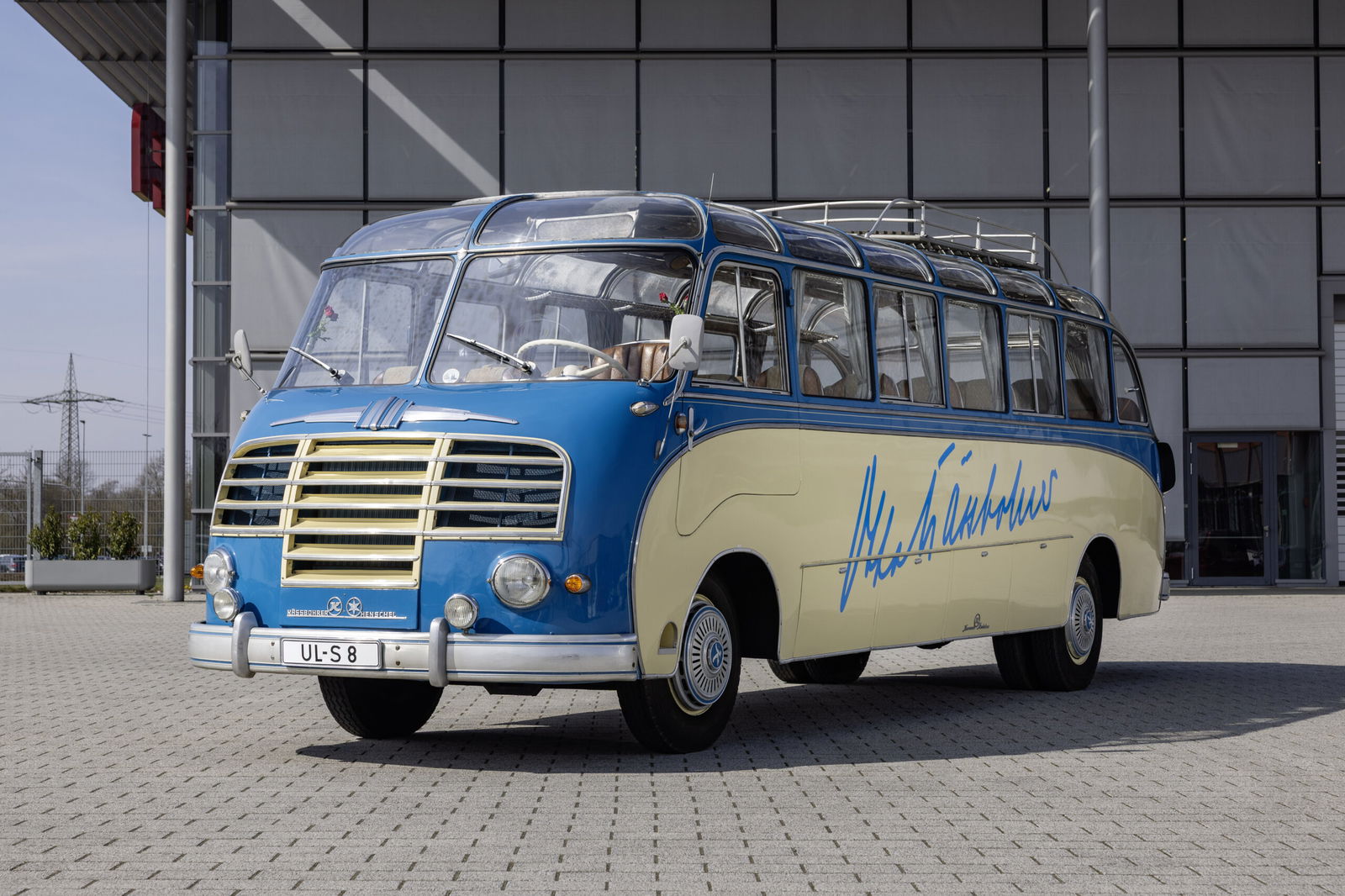
The story began in 1951, when the Ulm-based Kässbohrer company unveiled the Setra S 8. Vehicles of the period were built predominantly with non-load-bearing bodies mounted on separate chassis, so the S 8’s construction was regarded as a radical innovation. Its streamlined styling, rear-mounted engine and increased luggage-compartment capacity all helped the model quickly become a benchmark in the coach market. The premiere took place at the 1951 IAA, on the premises of a local dealership, where the first bus to treat chassis and body as a single unit soon became the focus of professional interest.
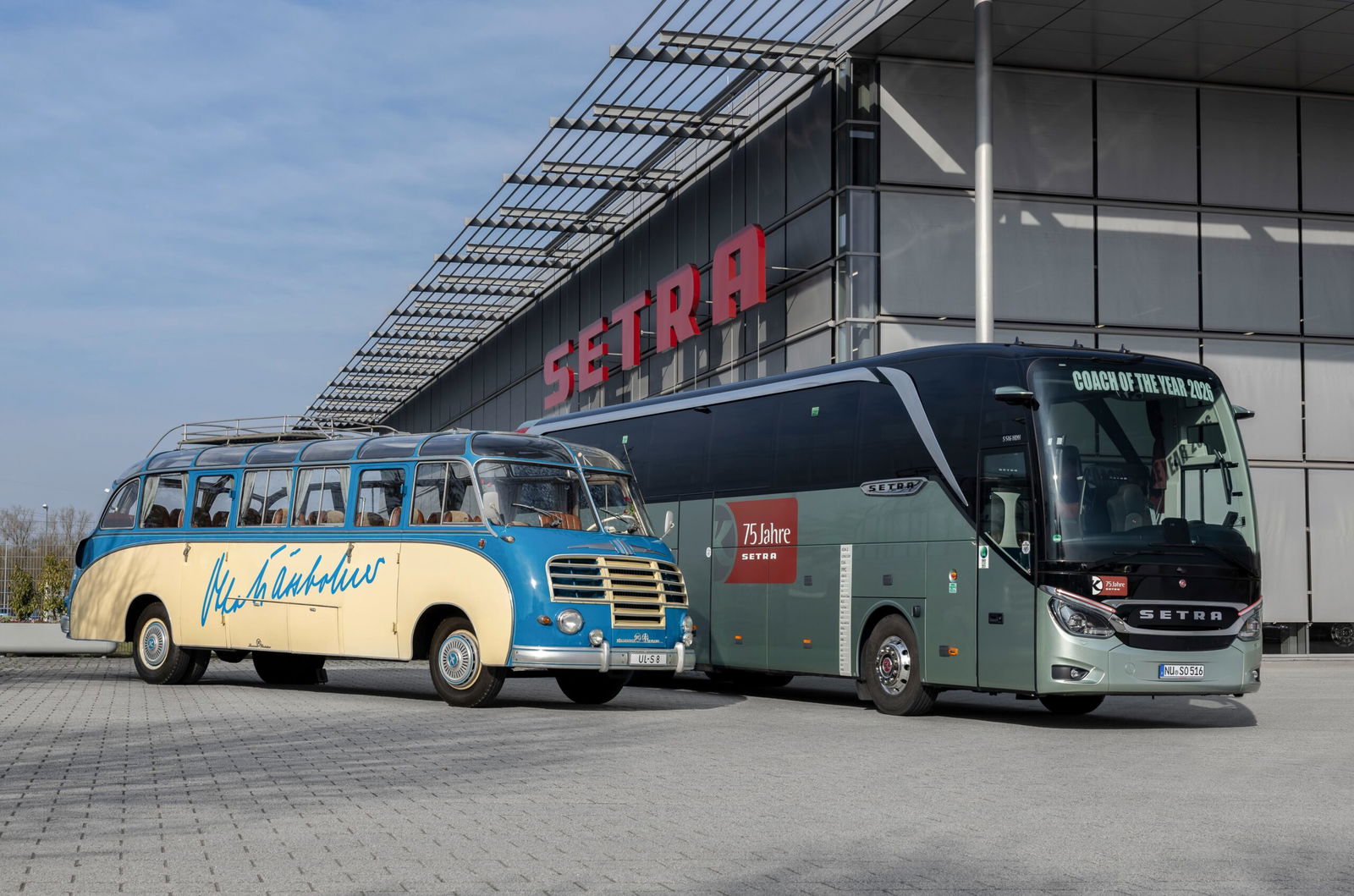
The S 8 was soon followed by the 10 series, which appeared in several versions, signalling the market acceptance of the new construction principle. The arrival of the S 9, S 10, S 11, S 12, S 14 and S 15 not only meant an expanded product range, but also marked the beginning of the widespread adoption of integral construction. In roughly the first decade and a half after its introduction, nearly 7,500 Setra buses found customers, clearly confirming the market viability of the new technical concept.
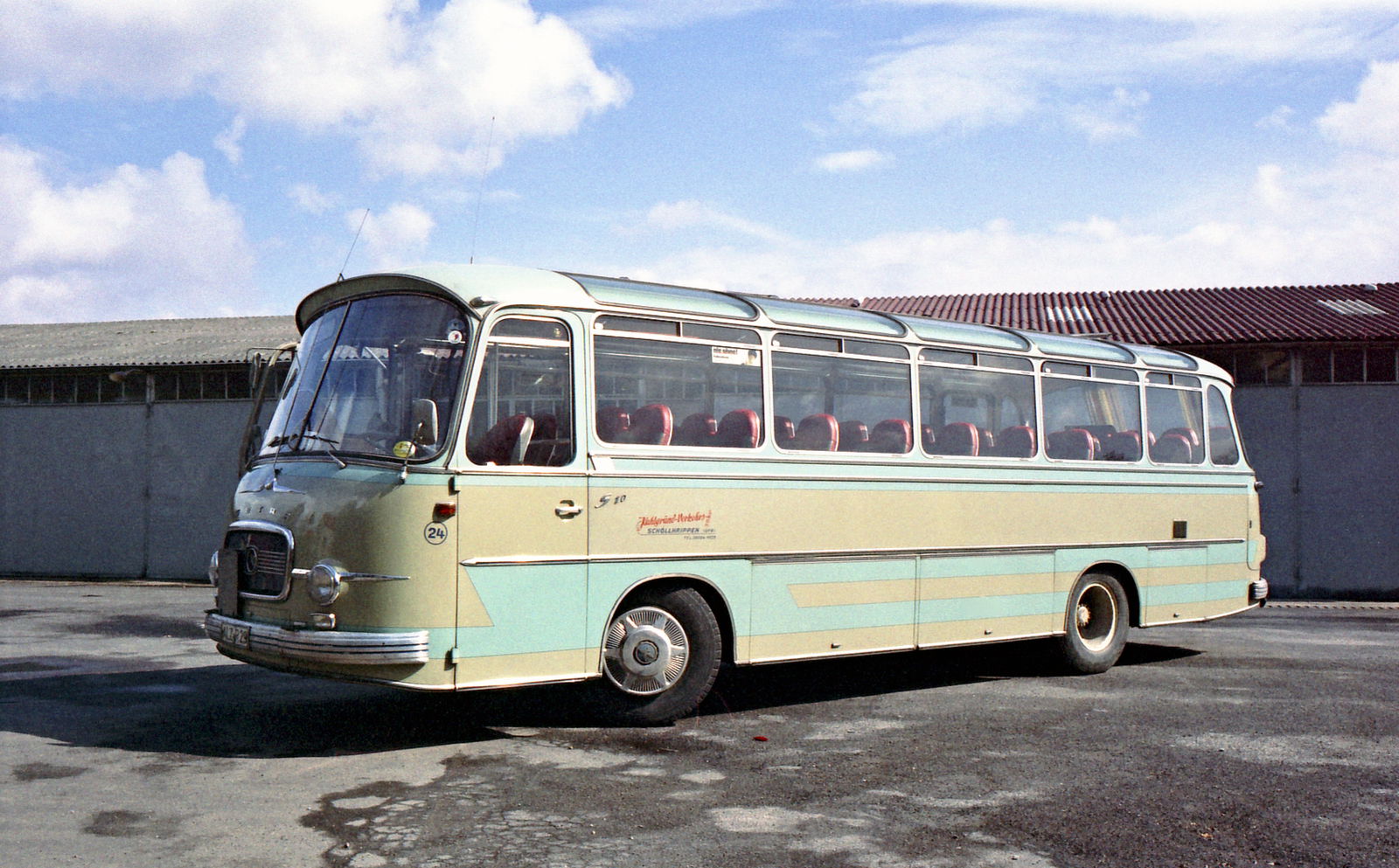
The most successful member of the series was the S 10, which featured a longer body and increased front overhang, and was offered in both coach and city-bus versions. One of the model’s important innovations was the outward-opening door system patented by Kässbohrer. In 1955, the smallest member of the series, the S 6, made its debut at the Geneva presentation. In the type designation system, the number following the “S” indicated the maximum number of seat rows, and therefore also indirectly referred to the length of the vehicle.
Among the developments of the 10 series, the modular production system introduced in 1959 was particularly significant, representing a novel approach in bus manufacturing at the time. Around 80% of components were interchangeable between several types, which considerably reduced operators’ spare-parts inventory requirements while also improving production efficiency – at the time, it became possible to build as many as four vehicles a day. Simplified maintenance and repairs also brought tangible benefits for drivers and workshop staff.
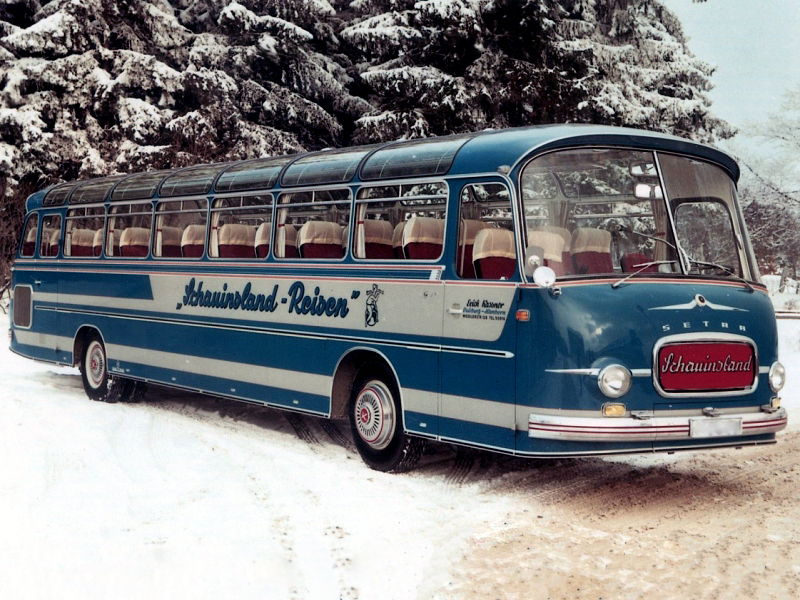
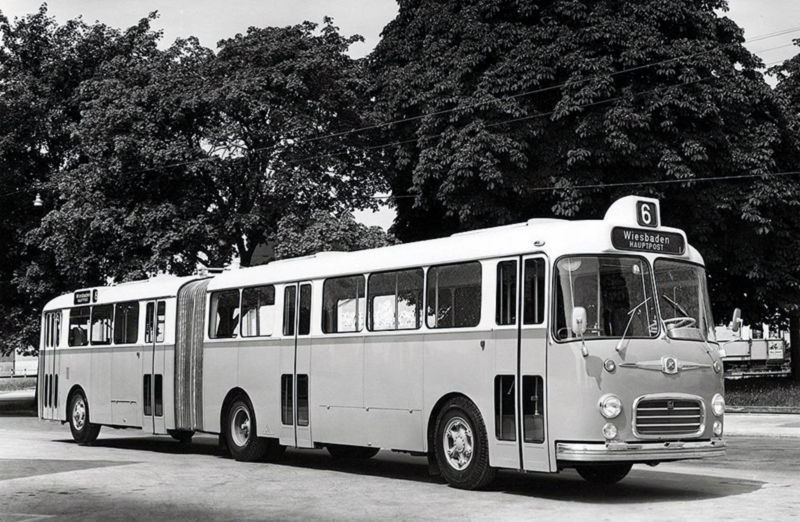
The different versions were also clearly distinguished functionally: the S 10–S 14 models were produced as coaches, interurban and city buses, while the S 9 and S 15 focused primarily on long-distance and interurban duties. Thanks to their raised side walls, these vehicles offered substantial luggage space. As part of the range, 1954 saw the arrival of the SP, a lightweight city bus with an aluminium body, followed in 1958 by the ST 110, now with air suspension, independent wheel suspension and an underfloor engine layout. Production during this period was no longer limited exclusively to the European market: during the era of the 10 series, the Silver Eagle and Golden Eagle types intended for the US market were also built. Then, in 1959, Europe’s first integral articulated bus, the SG 165, was created, further expanding the fields of application for integral construction and opening up new directions in the development of high-capacity vehicles.
The next major step came with the 100 series, introduced in 1967. The new generation received a more distinctive, more angular design language, while the increased interior height improved both passenger comfort and capacity. At the same time, production was increasingly placed on industrialised, modular foundations. The new series was already built according to Setra’s second modular system, which enabled the efficient production of different model variants through the use of a large number of common components.
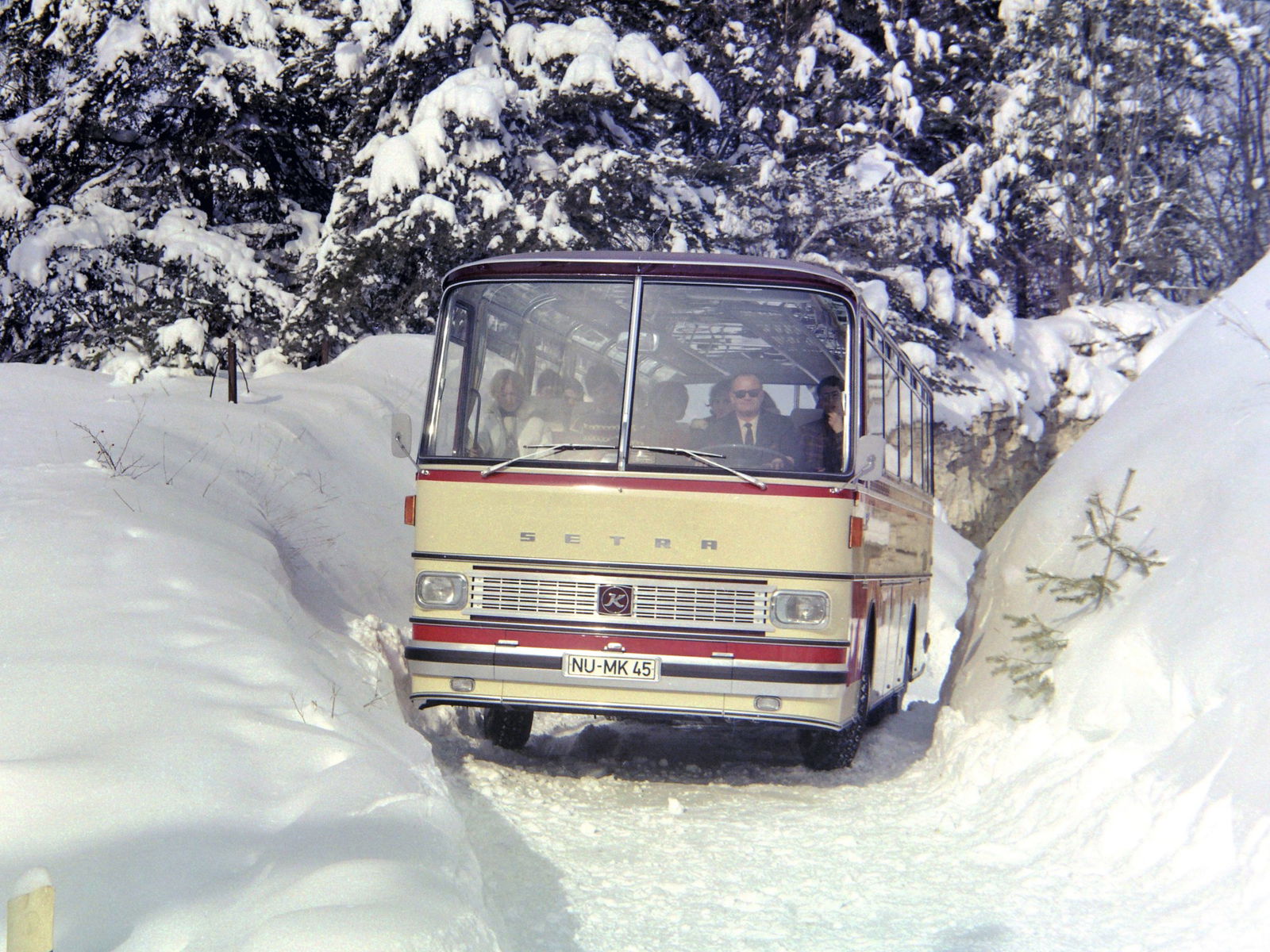
The new generation consisted of five basic models – S 100, S 110, S 120, S 130 and S 150 – and from this point on, the first digit of the type designation clearly referred to the series in question. The construction also represented a technical advance: all models received independent front axle suspension, improving ride comfort and vehicle stability. The hydropneumatic, dual-circuit braking system offered a high level of safety for its era, while the finely tuned air suspension provided favourable driving characteristics, especially on longer journeys.
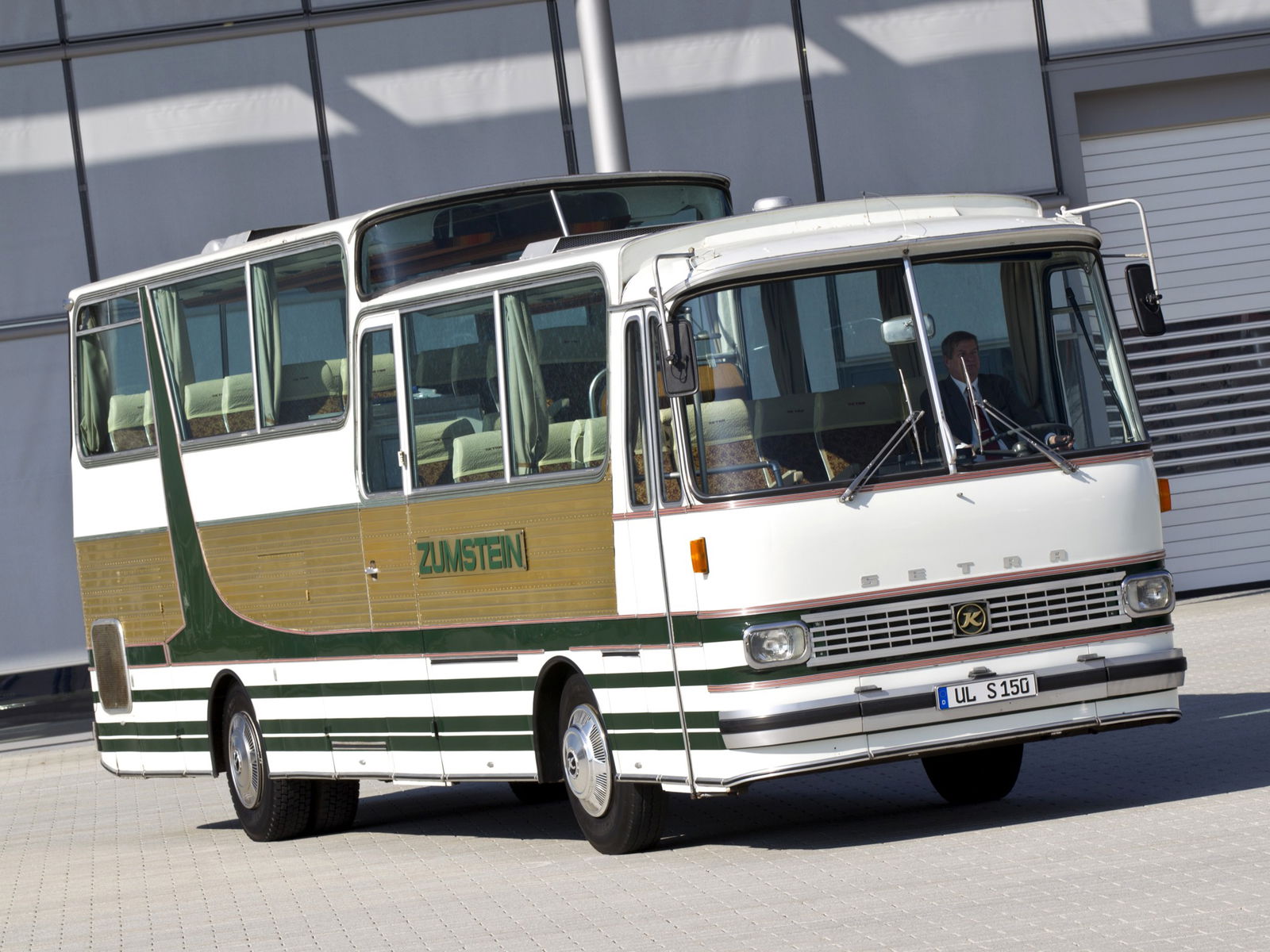
Several forward-looking solutions also appeared in the field of comfort improvement. Advanced heating and ventilation systems – including Setra’s in-house-developed passenger-compartment ventilation and air-conditioning system with cross-flow fans – raised travel conditions to a new level. Thanks to the large side windows, glazing integrated into the roof edge could be omitted, improving both structural simplicity and maintainability. The use of aluminium – for example in window frames, bumpers and other cladding elements – increased corrosion resistance while also having a positive effect on vehicle weight.
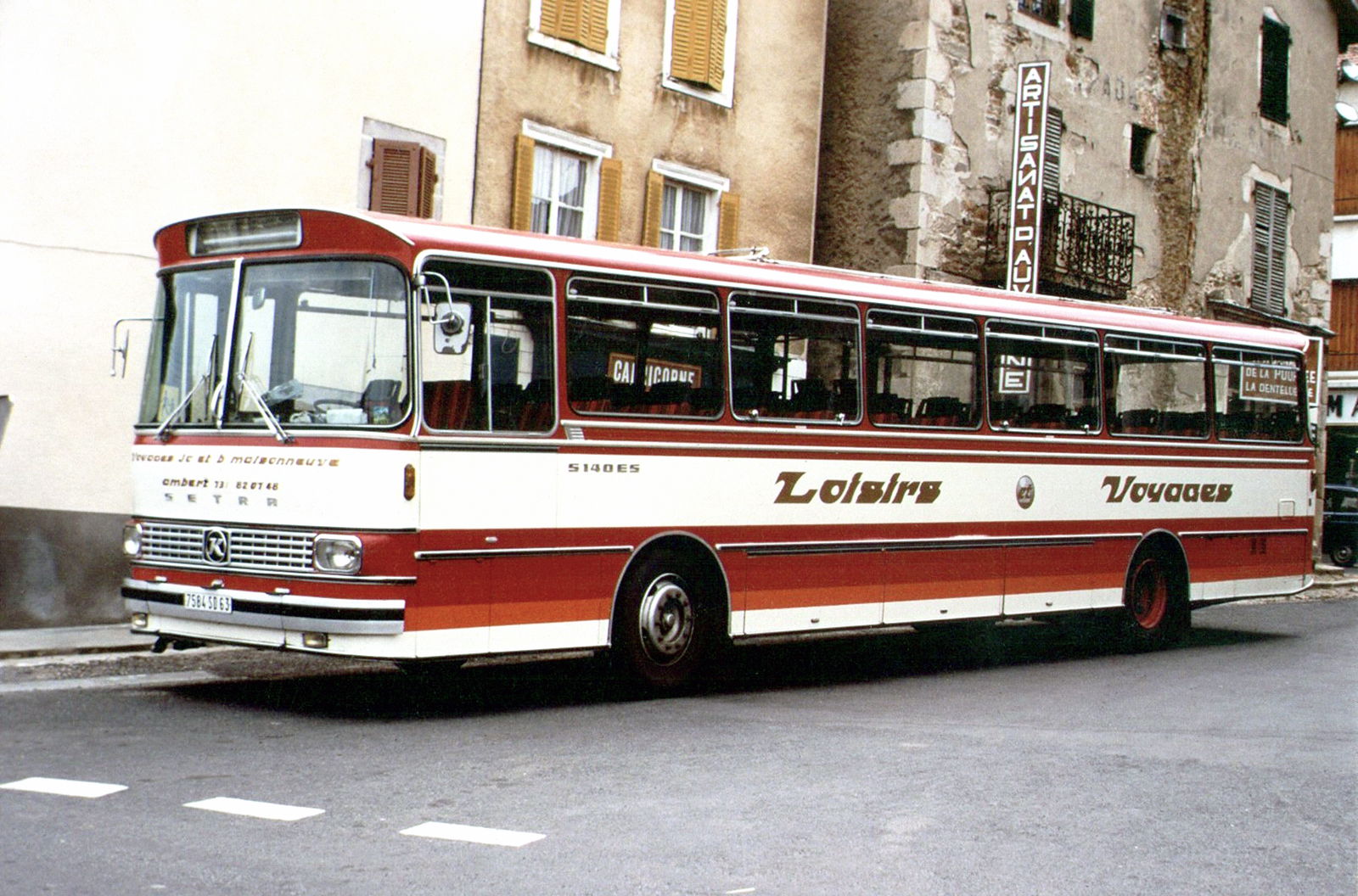
The expansion of the range intended for scheduled services also contributed significantly to the success of the 100 series. Alongside interurban versions – such as the S 80 E, S 120 E, S 130 E, S 140 E and S 150 E, as well as the articulated SG 175 ÜL and SG 180 Ü models – variants designed specifically for urban use also appeared, including the S 125, S 130 S, SG 175 and SG 180.
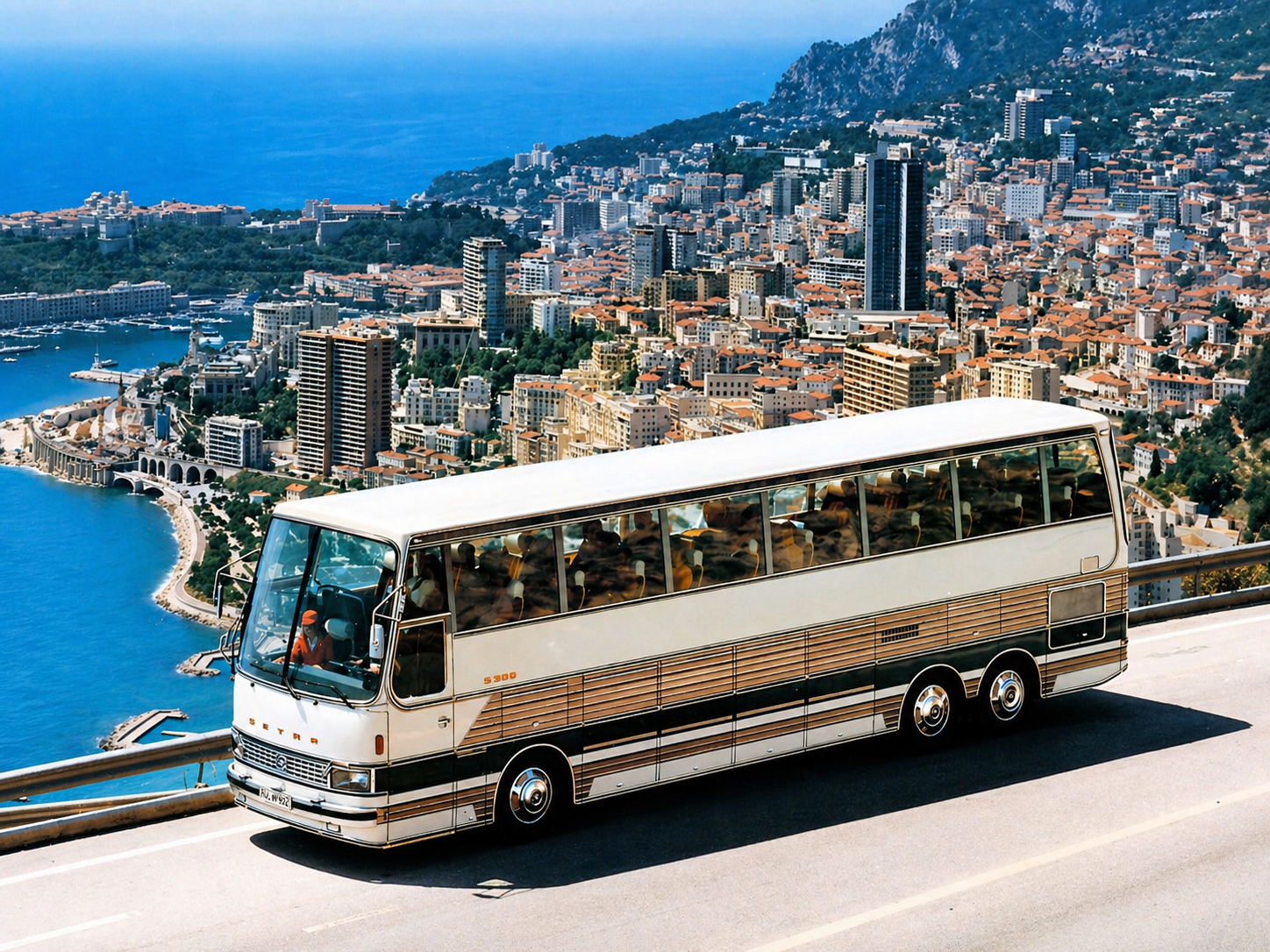
For the 25th anniversary of integral construction, the 200 series appeared in 1976, coinciding with the handover of Setra’s 20,000th bus. At launch, the new generation entered the market with six models: the high-floor S 211 H, S 212 H, S 213 H and S 215 H versions, as well as the S 213 HD and S 215 HD variants representing raised-floor coaches. In parallel with the introduction of the series, production standardisation was further strengthened; thanks to standardised major assemblies and optimised production processes, daily output reached eight vehicles, while annual production volume rose from 1,300 to around 1,600 units.
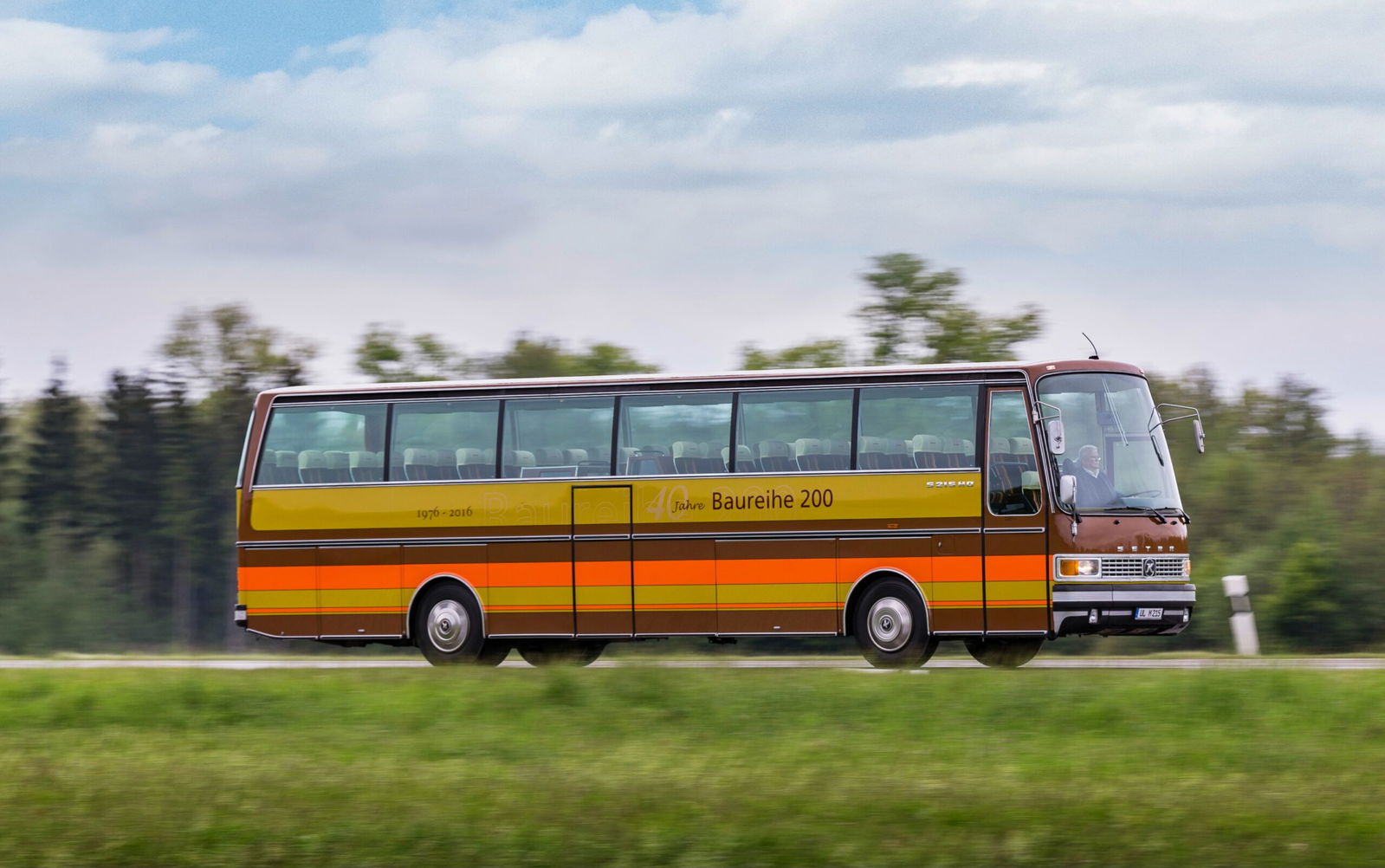
Within a few years, the 200 series expanded into a complex, well-structured product family, segmented according to different operating requirements. Coaches belonged to the Optimal programme (with H/HD, HDS, DT, HDSI and DTI versions), while the International series (HI/HDI) was designed for the needs of international services. Alongside the Rational family (HR, HRI, RL), focused on cost-efficient operation, and the Regional (UL) models optimised for regional duties, urban transport was covered by the Communal (SL) versions.
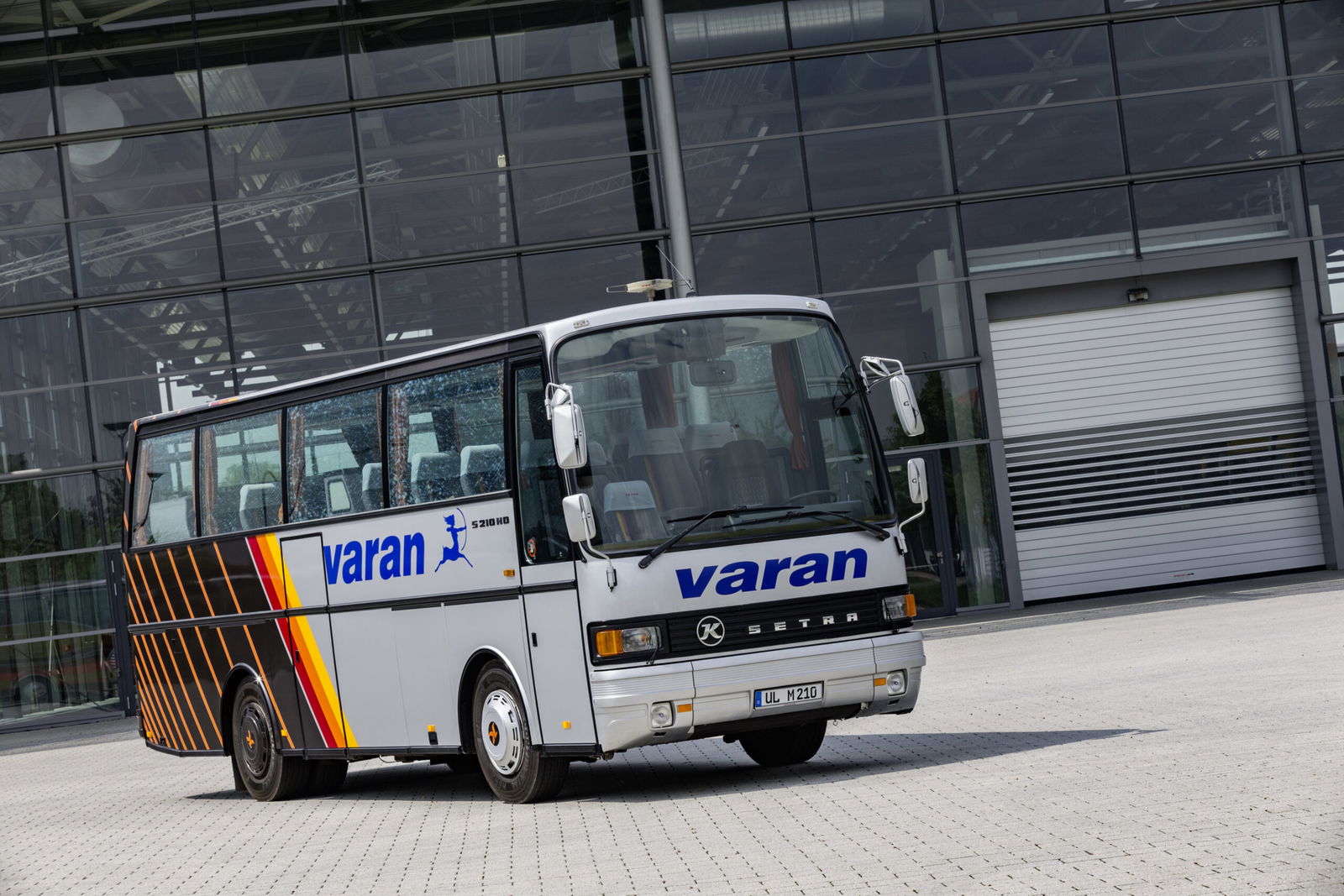
In terms of design, the third generation represented a cleaner, more timeless character; the soft curves, smooth surface transitions and clearly defined contours reflected new directions in industrial design at the time. Two defining innovations stand out in the technical content. First, Mercedes-Benz power units began to appear widely, strengthening drivetrain reliability and standardisation. Second, the completely new cross-flow ventilation system developed by Kässbohrer represented a major step forward in passenger-compartment climate comfort.
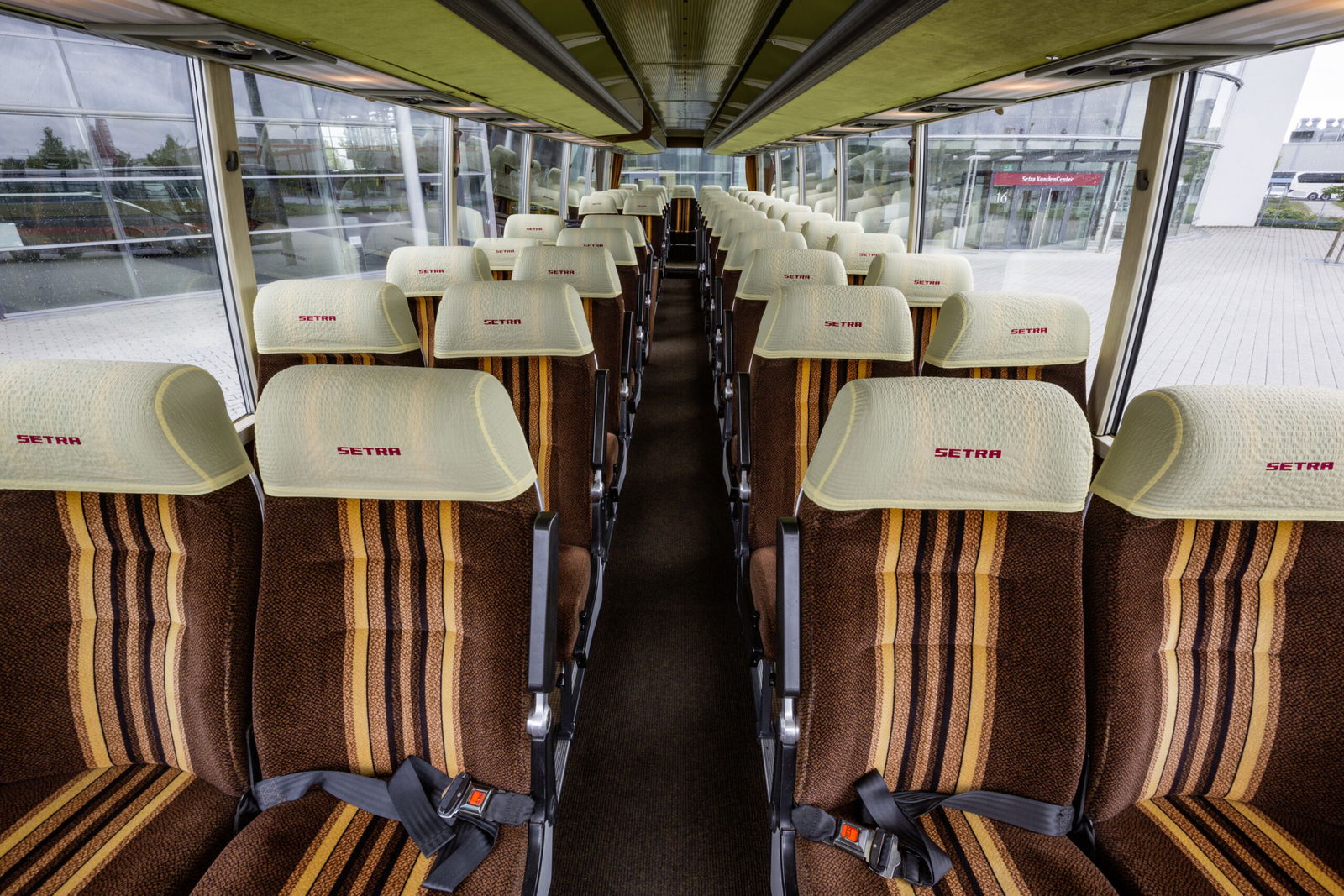
The new, thermostatically controlled heating and ventilation system made it possible to eliminate the previously used air intake located above the windscreen. A perforated element running along the side of the vehicle above the windows served for air intake and exhaust, making use of the airflow conditions created by the slipstream. For the first time, the body structure was optimised using computer-based finite-element calculations, resulting in greater rigidity and durability at points exposed to high loads. The design of the driver’s environment also received new emphasis: the cab was given its own heating and ventilation system, with effective windscreen demisting, while the dashboard ergonomics were also deliberately shaped.
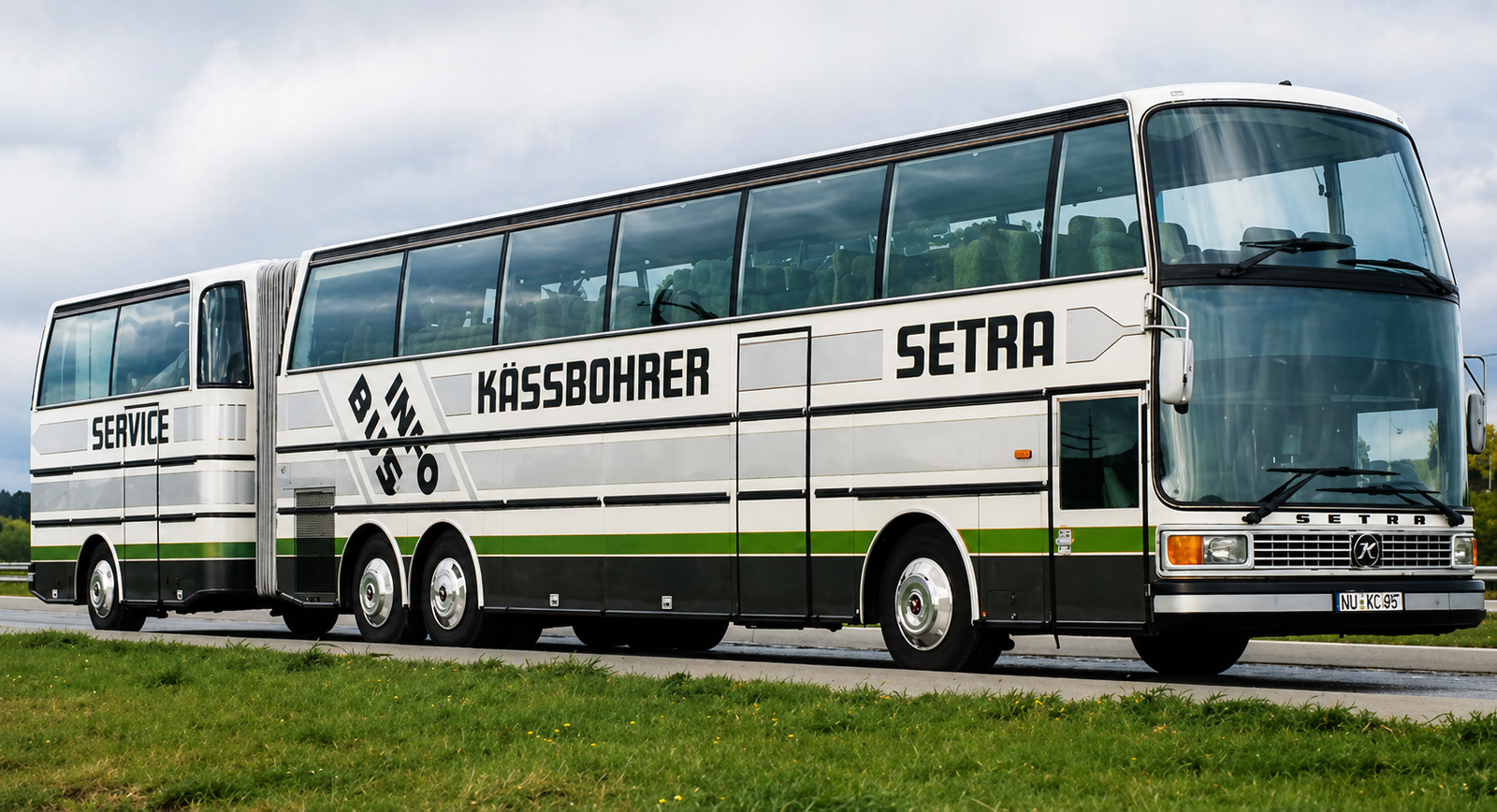
The introduction of the 300 series in 1991 reflected the further development of what was by then a mature design. The new generation, unveiled in Ulm after a six-year development process with the S 309 HD, S 315 HD and S 315 HDH models, brought significant advances not only in styling, but also in ergonomics and safety. One of its most distinctive visual elements was the so-called “swing” design behind the driver’s area, together with the integrated mirror system that gave the series its characteristic appearance.
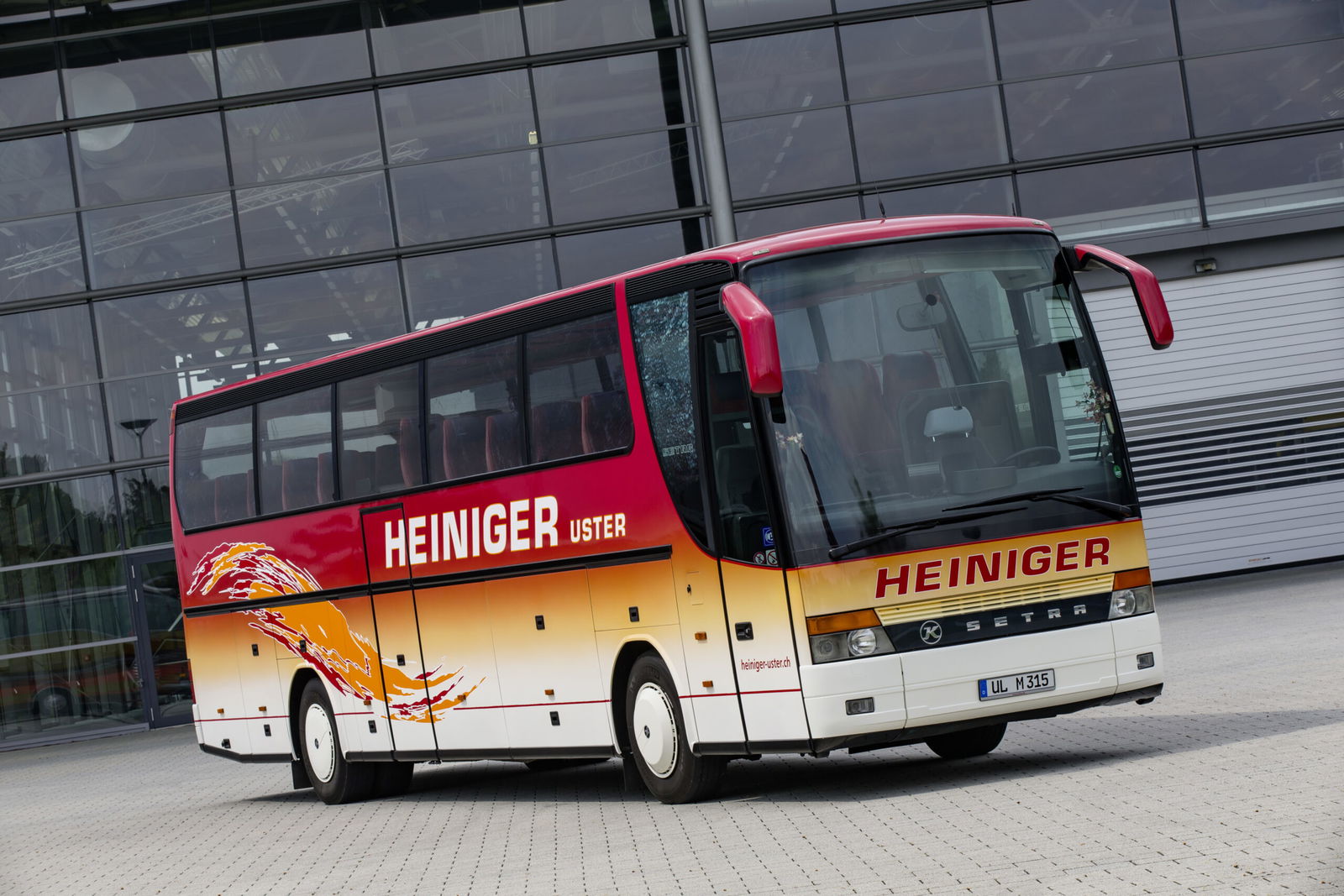
The new heated, internally adjustable angled mirror arms, together with the optimised A-pillar, significantly improved the view alongside the vehicle. This not only increased driving comfort, but also had a direct impact on road safety. In terms of technical content, ABS and ASR systems became standard equipment, as did a Telma or Voith retarder, raising braking performance and operational safety to a higher level. Particular attention was paid to the driver’s environment: on the ergonomically optimised dashboard, the most important instruments – such as the speedometer and rev counter – were placed directly in the driver’s primary field of vision. A new feature was the multifunction display, which presented the vehicle’s most important operating data using international pictograms and in several languages.
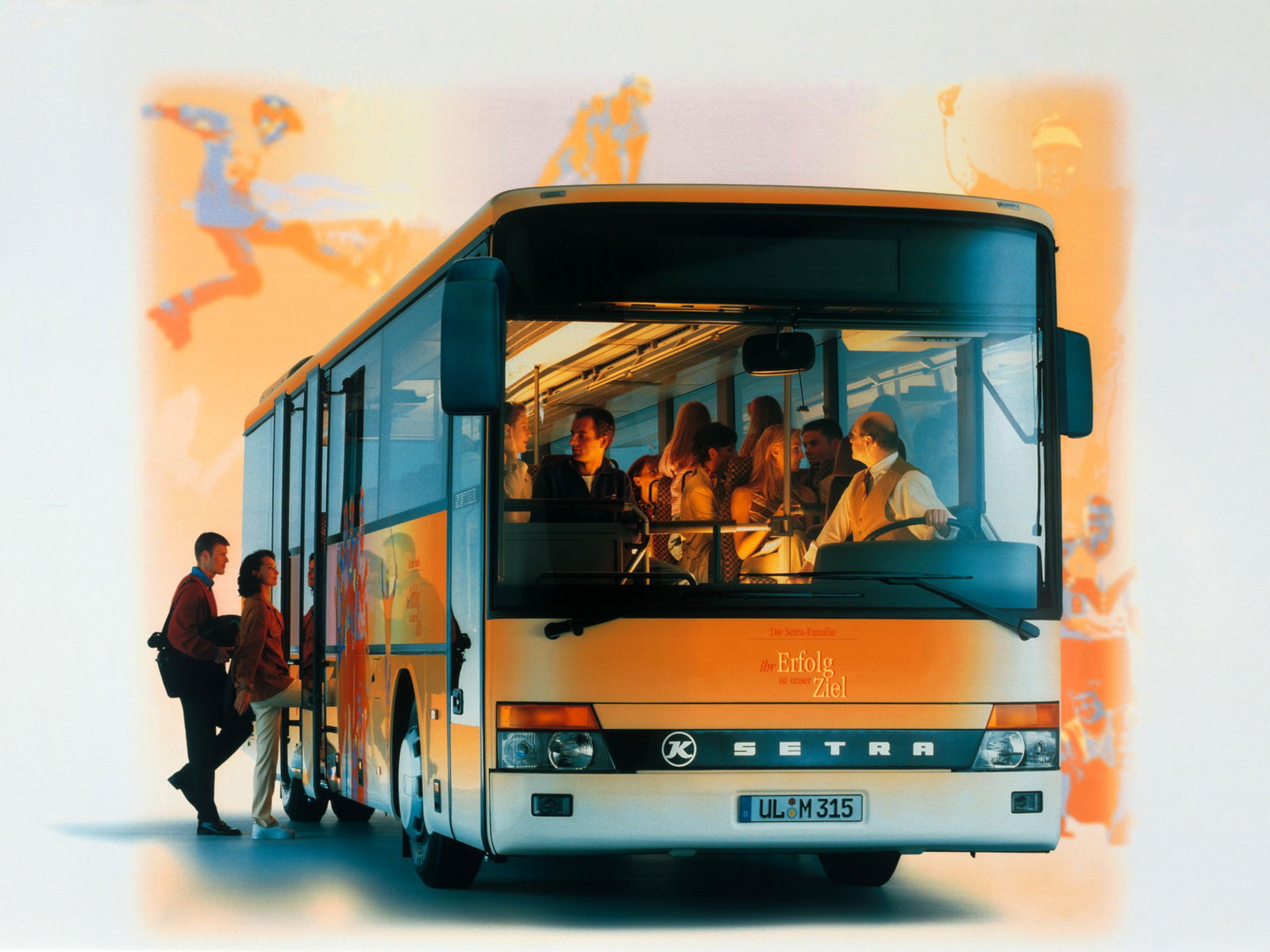
While the coach versions quickly strengthened their position on the European market, Setra was also working in parallel on the development of versions intended for scheduled services. Built on a common base platform, three modular versions were created: the S 315 ÜL, S 315 H and S 315 GT. They used the same body and chassis, but featured different passenger-compartment layouts, enabling production complexity to be reduced while maintaining variety in the range.
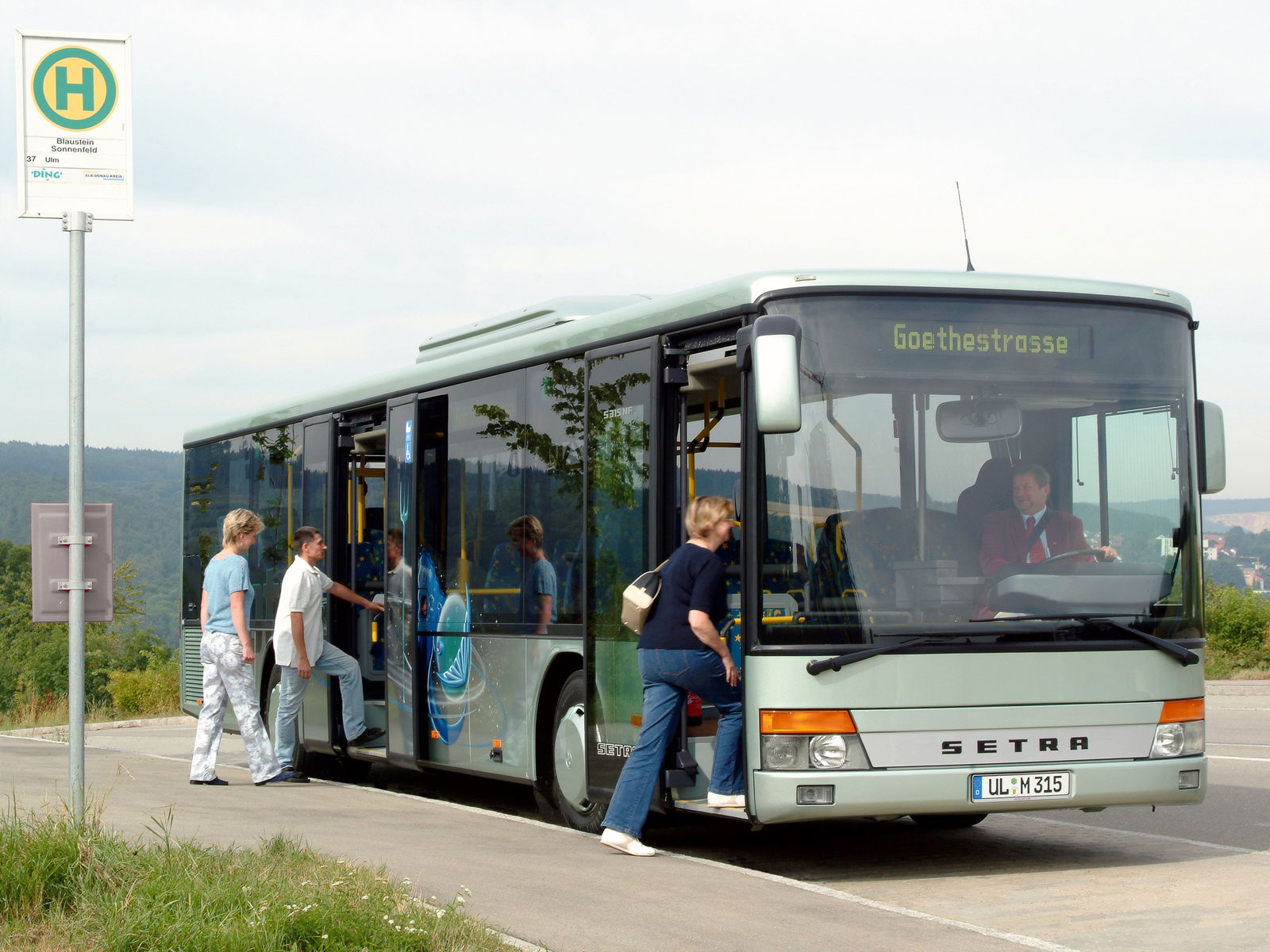
A decade later, in 2001 – exactly 50 years after the presentation of the first integral bus, the S 8 – the 400 series appeared, bringing the most comprehensive generational change in Setra’s range up to that point. The new family was based on three clearly differentiated product lines – TopClass, ComfortClass and MultiClass – and in doing so, the manufacturer essentially covered the entire bus and coach market, from premium coaches to scheduled-service applications.
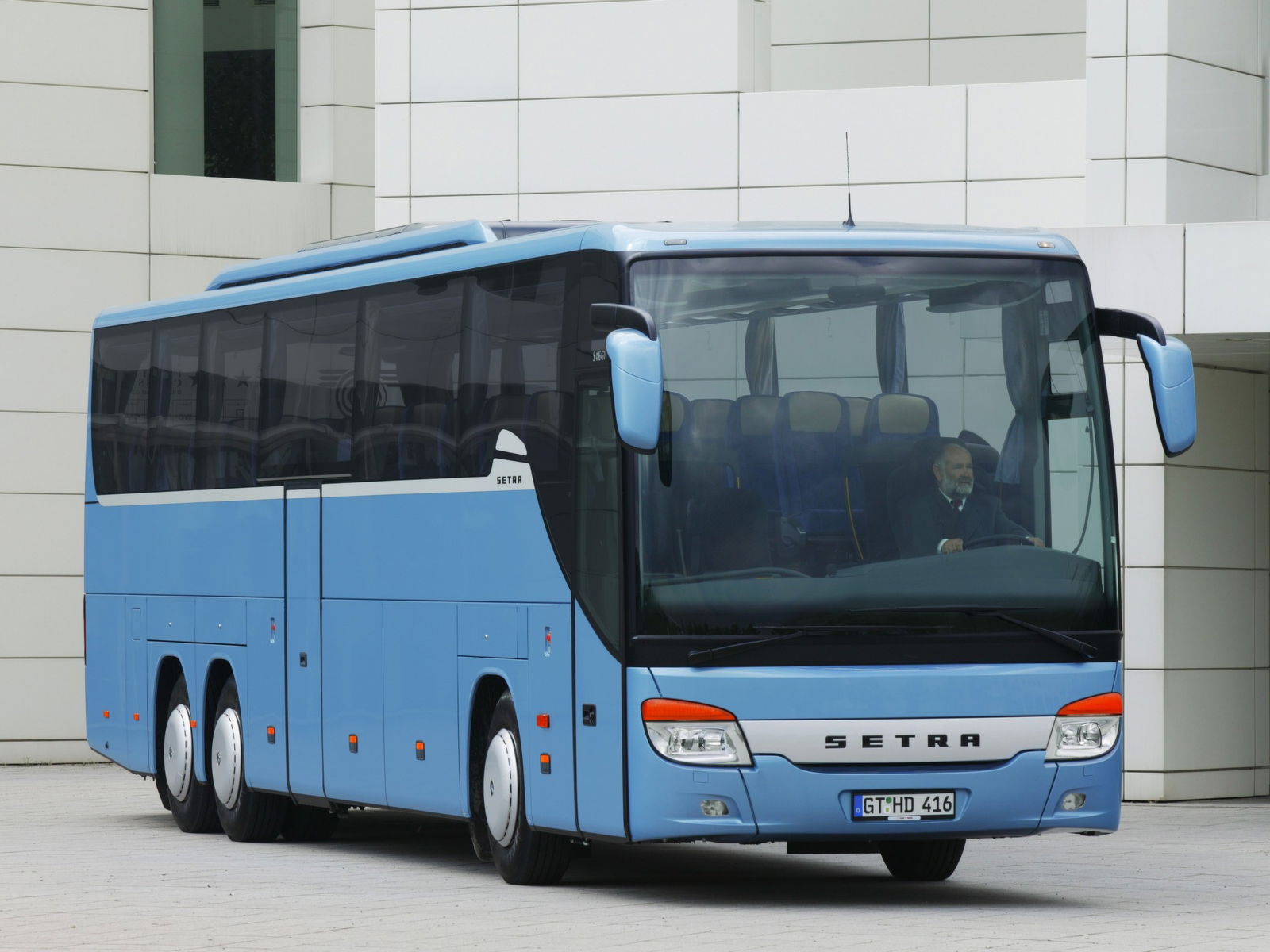
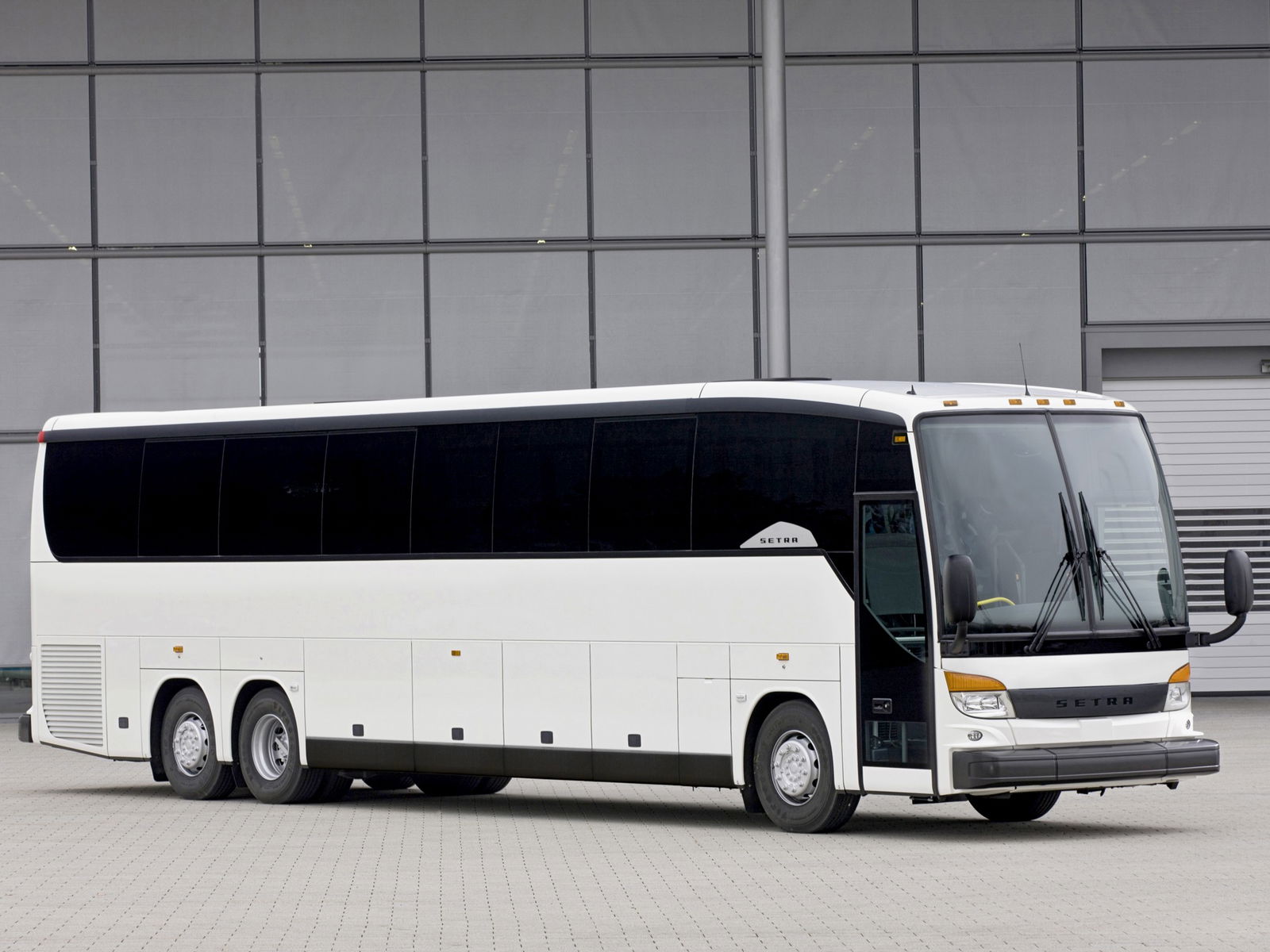
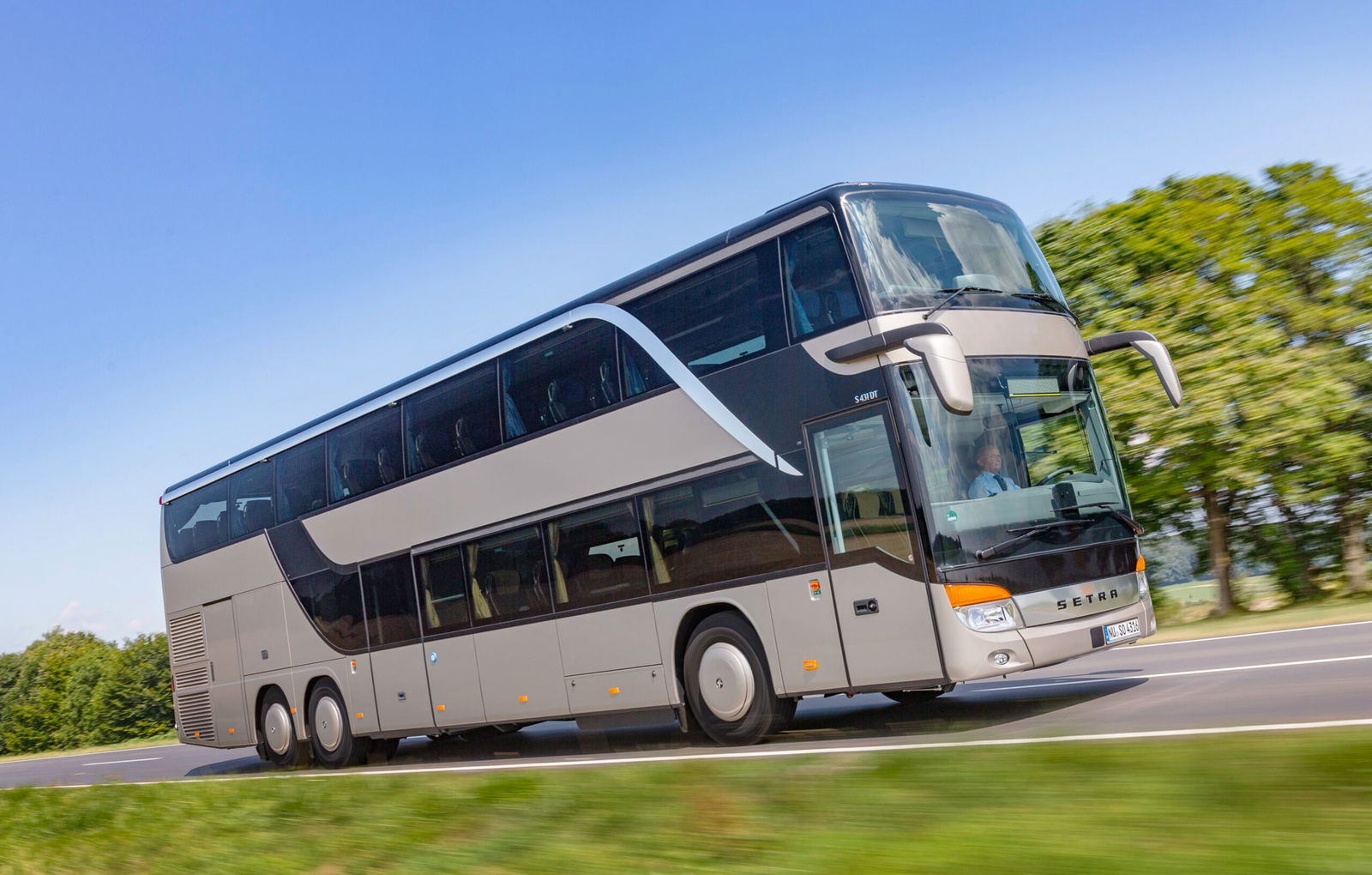
The TopClass 400 represented the pinnacle of the brand and, even at launch, comprised seven different variants: from the S 411 HD club bus, through the S 415 HD and the three-axle S 415 HDH, S 416 HDH and S 417 HDH models, all the way to the double-deck S 431 DT, regarded as the flagship of the range. Some of the developments were aimed specifically at export markets: the S 407, for example, was adapted to North American regulations, clearly demonstrating the global ambitions of the model family.
The technical level of the series clearly reflected the safety-technology advances of the era. Standard equipment on the vehicles included disc brakes, the electronic braking system (EBS), ABS and ASR, as well as Brake Assist and the electronic stability programme (ESP). These solutions not only improved driving dynamics, but also actively contributed to accident prevention. Lane Assist also appeared in the range, designed to reduce unintended lane departures by the vehicle.
The 2008 model update further reinforced this direction: Front Collision Guard became standard equipment, increasing survival space by moving the driver’s workplace rearwards in the event of a collision, together with an energy-absorbing front structural zone. The Active Brake Assist emergency braking system also appeared during the same period, using radar-based sensing to monitor vehicles ahead and initiating automatic braking in dangerous situations. The system works together with adaptive cruise control, thereby also reducing the driver’s workload.
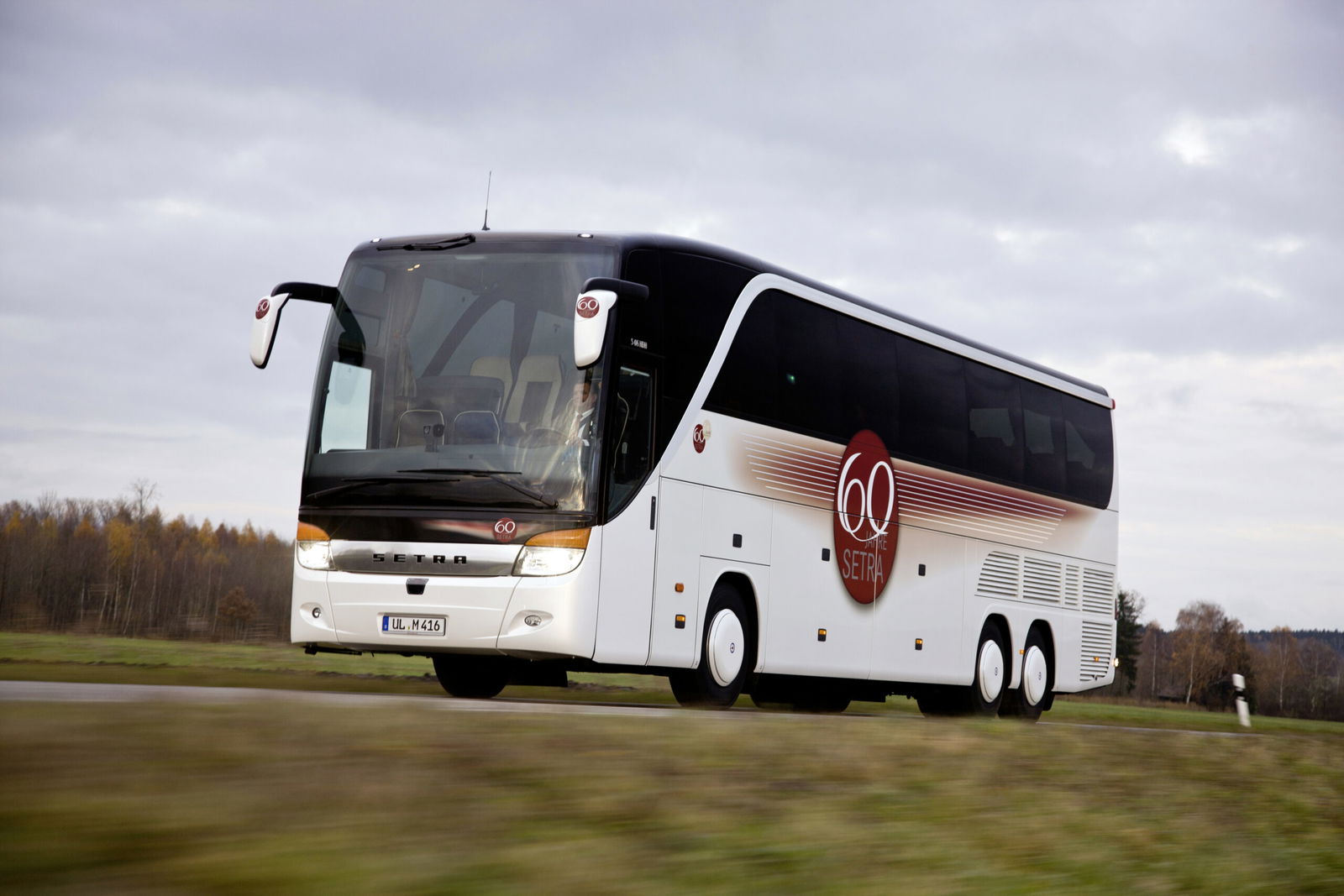
One of the series’ important innovations was the revised dimensional concept; with the removal of the 12-metre length limit, the vehicles could offer larger passenger compartments and a more spacious front-door area. The use of a framed body structure with high torsional rigidity enabled the extended front structural design of the S 415 GT, S 415 GT-HD, and the two- and three-axle S 416 GT-HD and S 417 GT-HD models, while structural strength remained at an outstanding level.
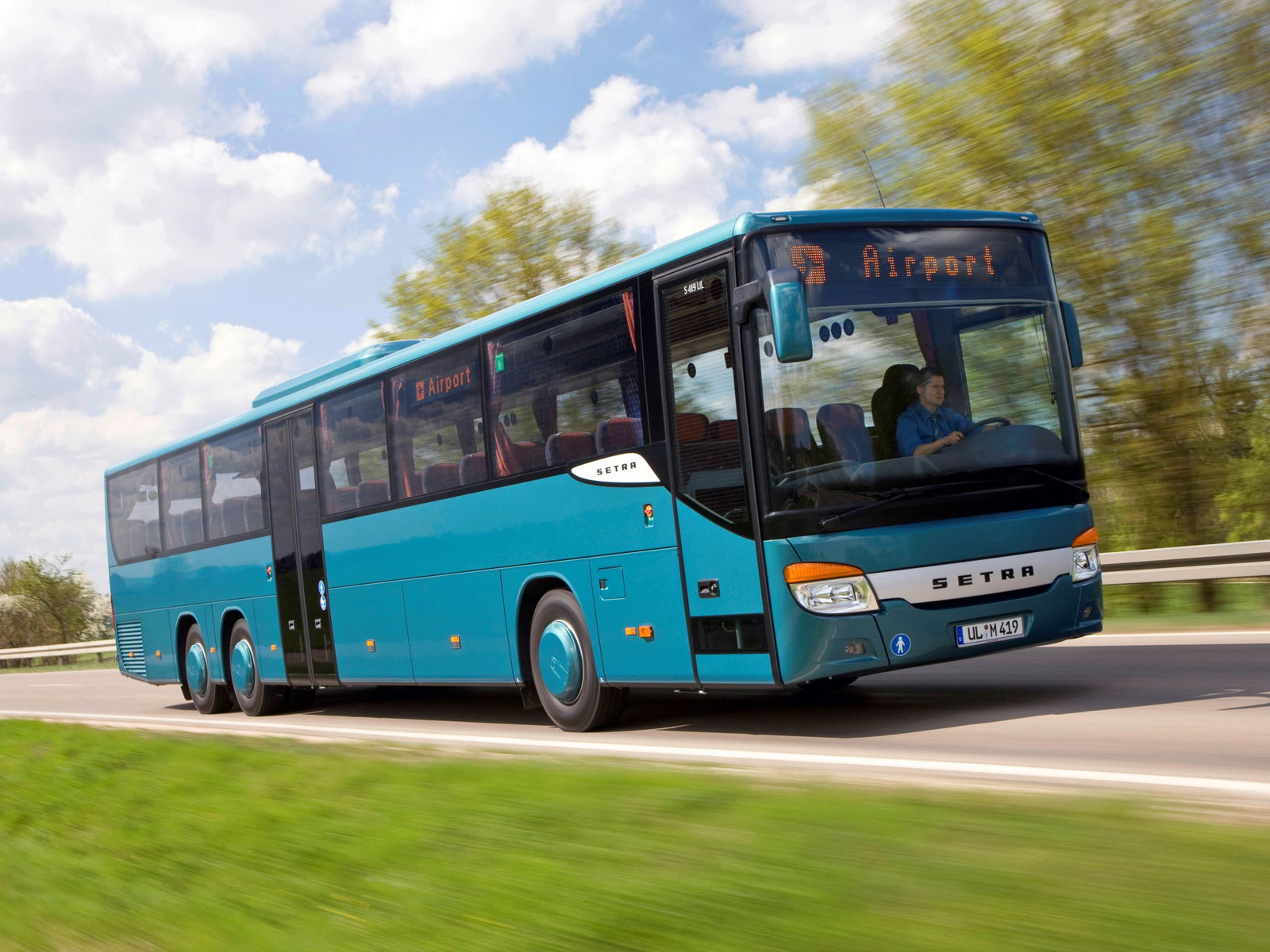
The MultiClass 400, introduced in 2005, offered a new solution in the interurban and mixed-use segment. The UL and H versions combined economical operation with an appropriate level of comfort, making them suitable for scheduled services, private-hire duties and other mixed applications. The range included versions with particularly high passenger capacity, as well as simpler, cost-efficient variants, giving operators flexible choices.
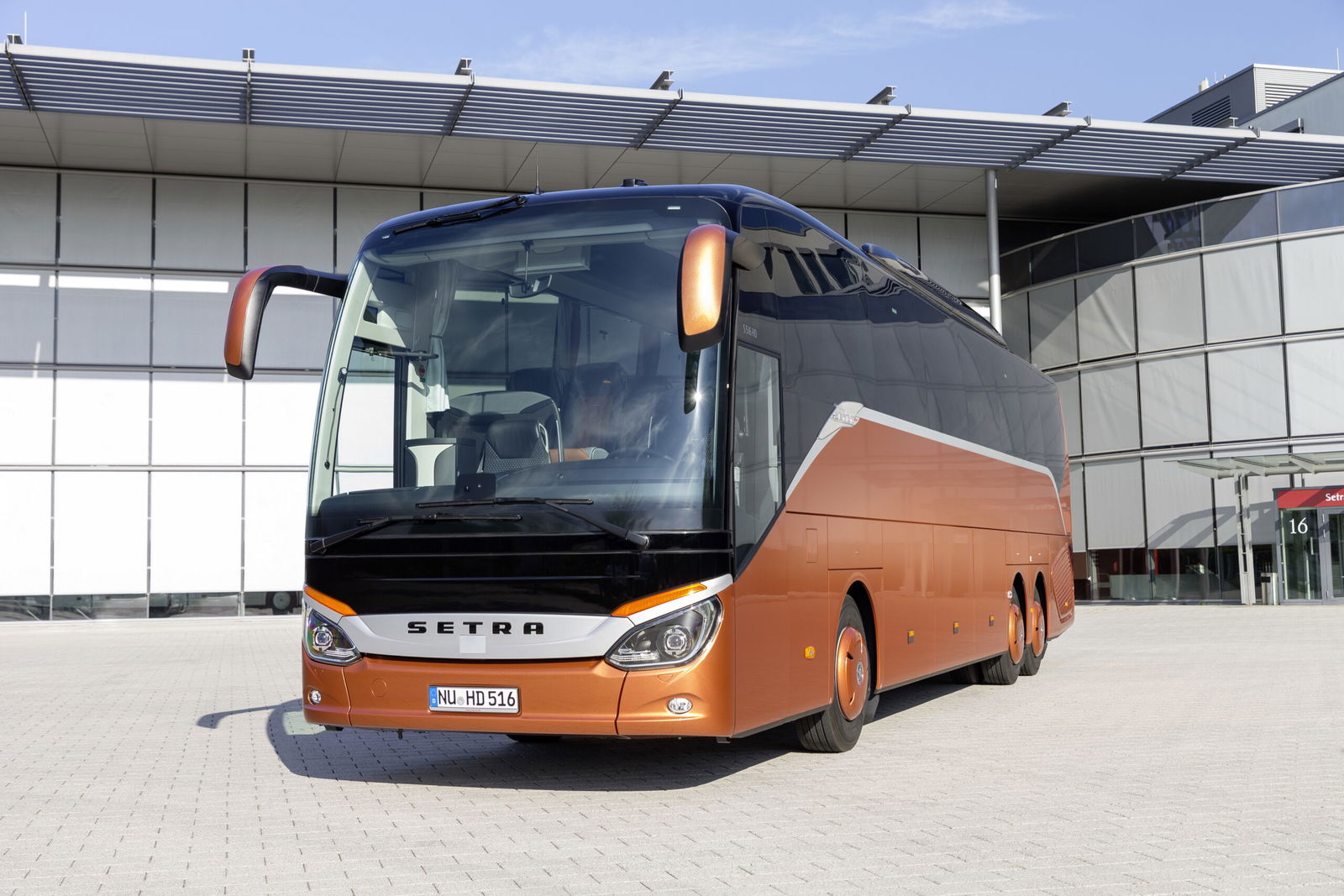
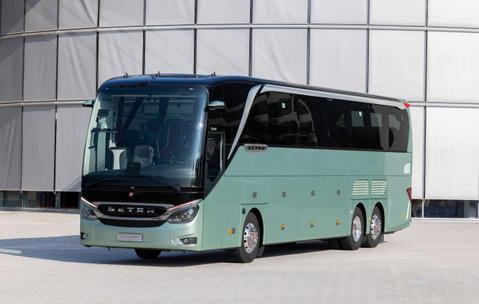
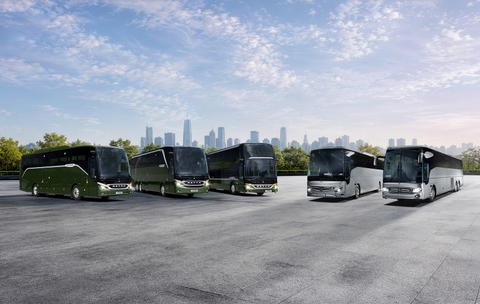
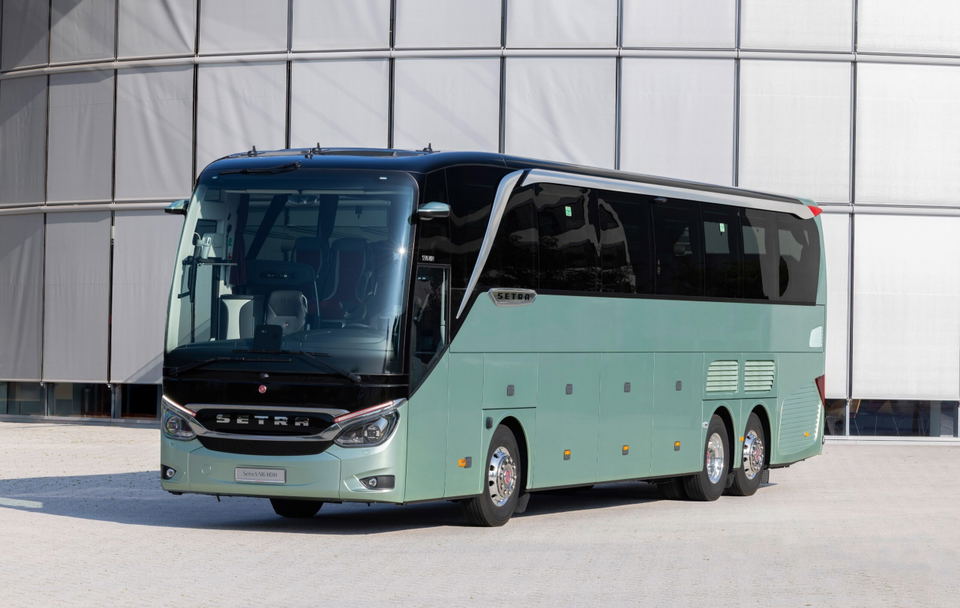
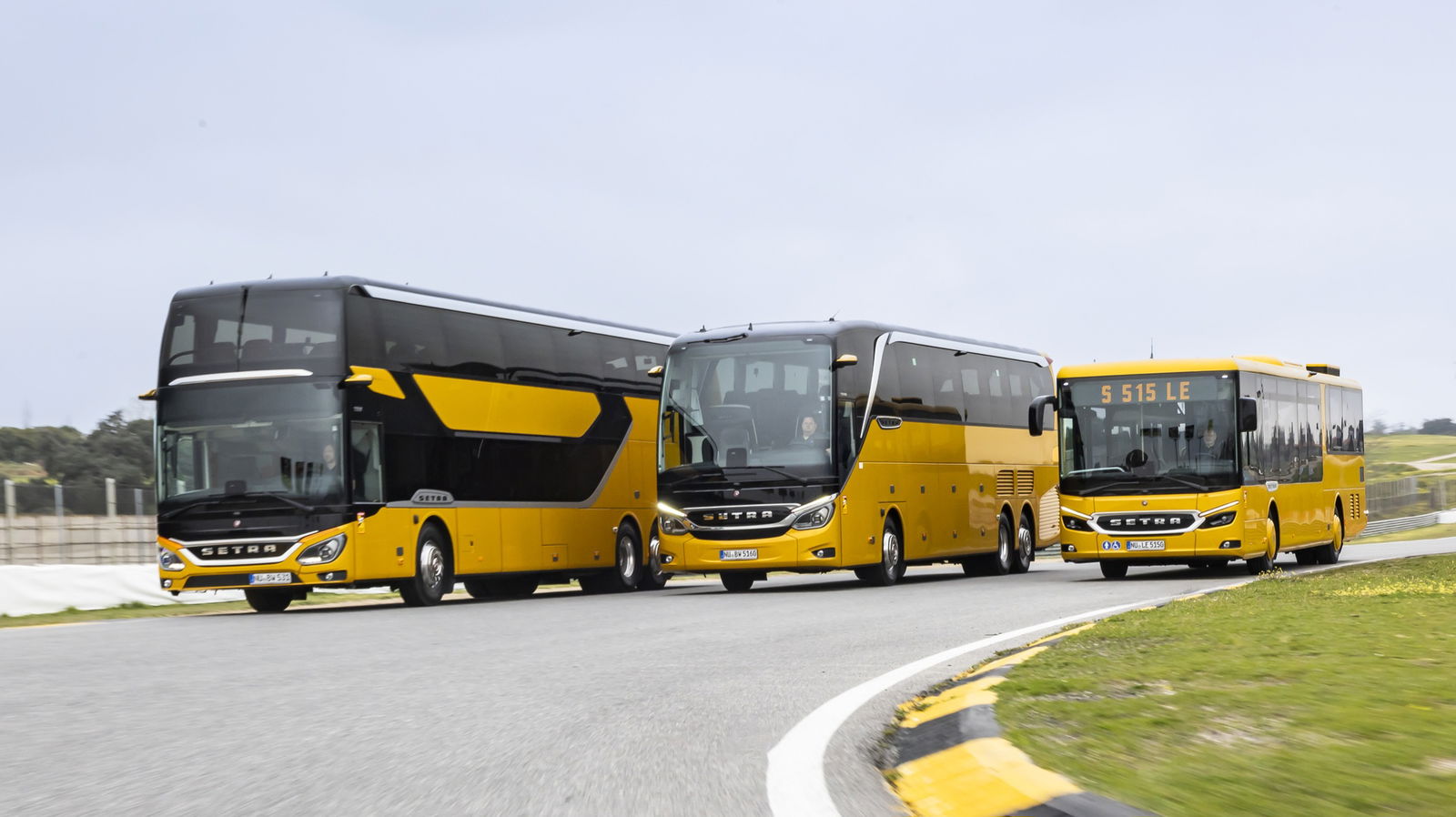
The backbone of the current range is the 500 series, in which Daimler Buses’ product strategy is clearly apparent. In long-distance transport, the TopClass and ComfortClass models are positioned around comfort, operating efficiency and the integration of driver assistance systems, while the top of the range is represented by the double-deck S 531 DT, with its high capacity and design optimised for long-distance use.
Development of the generation had already taken a new direction in the early 2010s: the ComfortClass 500, introduced in 2012, was the first Setra coach designed entirely with Euro VI emissions requirements in mind. During development, particular emphasis was placed on aerodynamic optimisation – the drag coefficient of around 0.33 achieved through wind-tunnel testing represented a significant advance in the category – as well as on weight reduction and improving operating parameters.
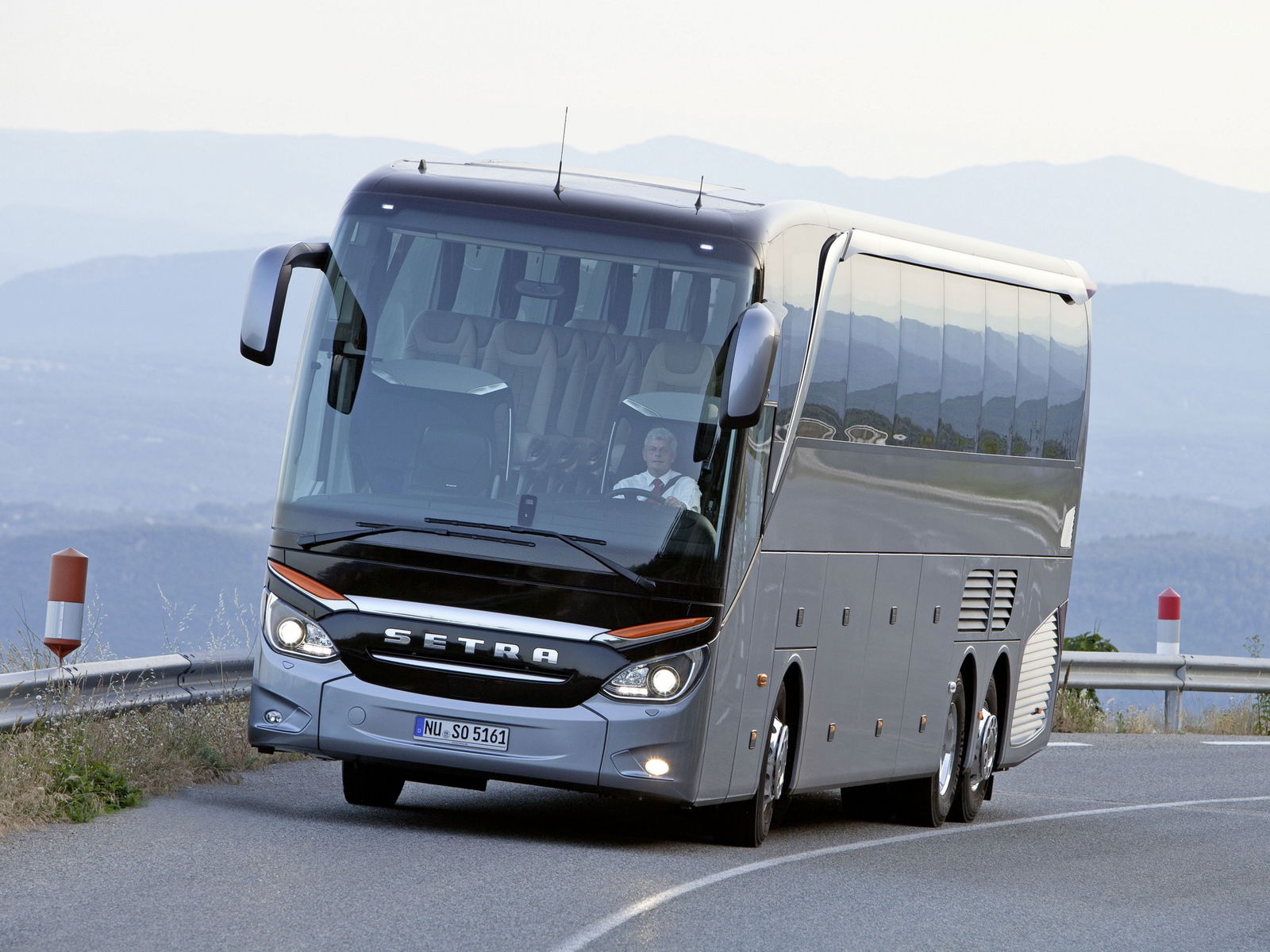
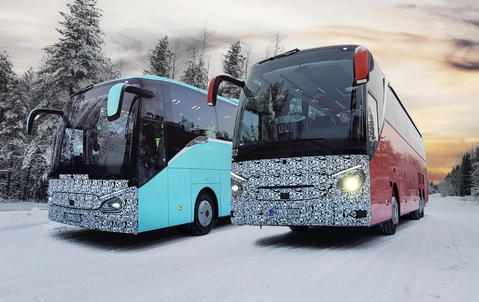
The construction continues to be based on a modular architecture, enabling versions of different lengths, axle configurations and equipment levels to be created on a common technical platform. At the launch of the generation, the range comprised a total of six models, including the S 511 HD, positioned as a compact club bus, and the higher-capacity S 519 HD, while the premium segment was represented by the TopClass versions, including the three-axle S 515 HDH, S 516 HDH and S 517 HDH models, which continue to form the upper end of the range. The family’s update presented in 2022 represents a targeted further development of the design: the exterior appearance of the vehicles was modified – especially the front end and lighting technology – while the range of driver assistance and safety systems was also expanded. The changes built on the existing technical foundations, so the platform and main design solutions remained unchanged.
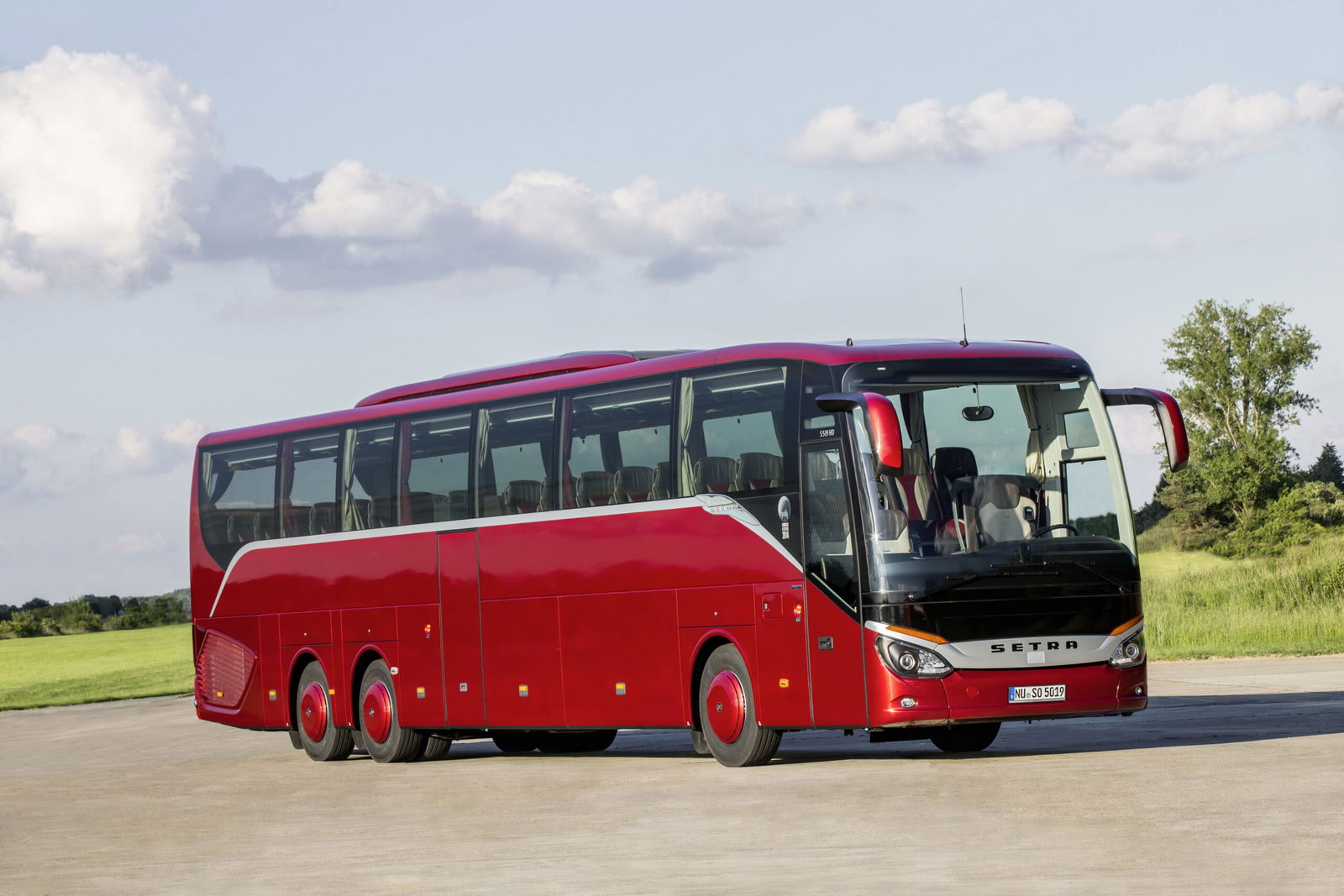
In 2023, the MultiClass 500 LE, introduced as part of the 500 series, responded to the specific requirements of interurban transport. The low-entry layout is designed to speed up passenger flow around the front door, while the higher floor level in the rear section makes it possible to provide greater seating comfort on longer routes. This duality fits well with mixed operating environments – urban and regional alike.
Setra’s development, however, is part of an industrial-history process reaching back much further. Kässbohrer of Ulm began building carriages as early as 1893, and started constructing buses in 1911. Over the decades, the company’s activities diversified: alongside bus production, truck bodies, trailers and other specialised vehicle-industry products also appeared in its portfolio. Major investments made in the early 1990s, however, led to financial difficulties, resulting in the gradual sale of the non-bus business units. At the end of this process, in 1995, bus production came under the ownership of Daimler AG, and continued in combination with Mercedes-Benz’s bus operations as EvoBus, today forming part of Daimler Buses.