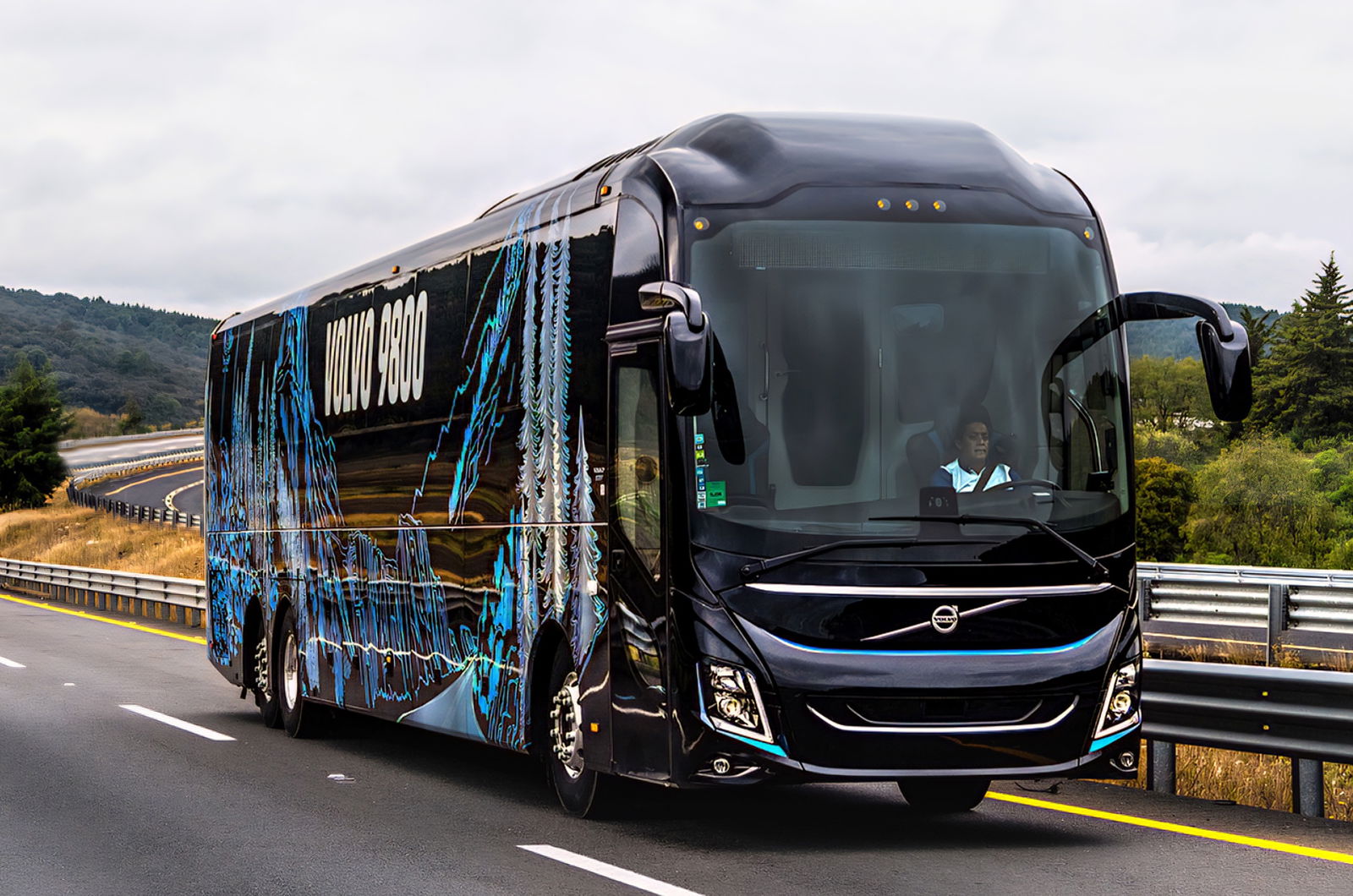
An electric return and stable results – Volvo Buses in 2025
In 2025, the Volvo Group operated in an overall unfavourable market environment marked by cyclical weakening; demand declined overall in the company’s main vehicle segments – the truck market covered by Volvo Trucks, Renault Trucks and Mack Trucks, as well as the market for construction equipment produced by Volvo Construction Equipment – particularly in North America and several emerging regions. The bus segment was an exception, however: Volvo Buses delivered a notably stable performance in this environment, not only retaining its position but also reporting moderately improved results.
In 2025, Volvo Buses recorded total net sales of SEK 25.1 billion (HUF 908 billion), representing growth of 2% on the previous year, while operating profitability remained unchanged. The figures suggest that the business area was able to maintain balanced operations despite the subdued market environment, partly thanks to the strengthening of service activities and partly to the gradual expansion of electric buses.
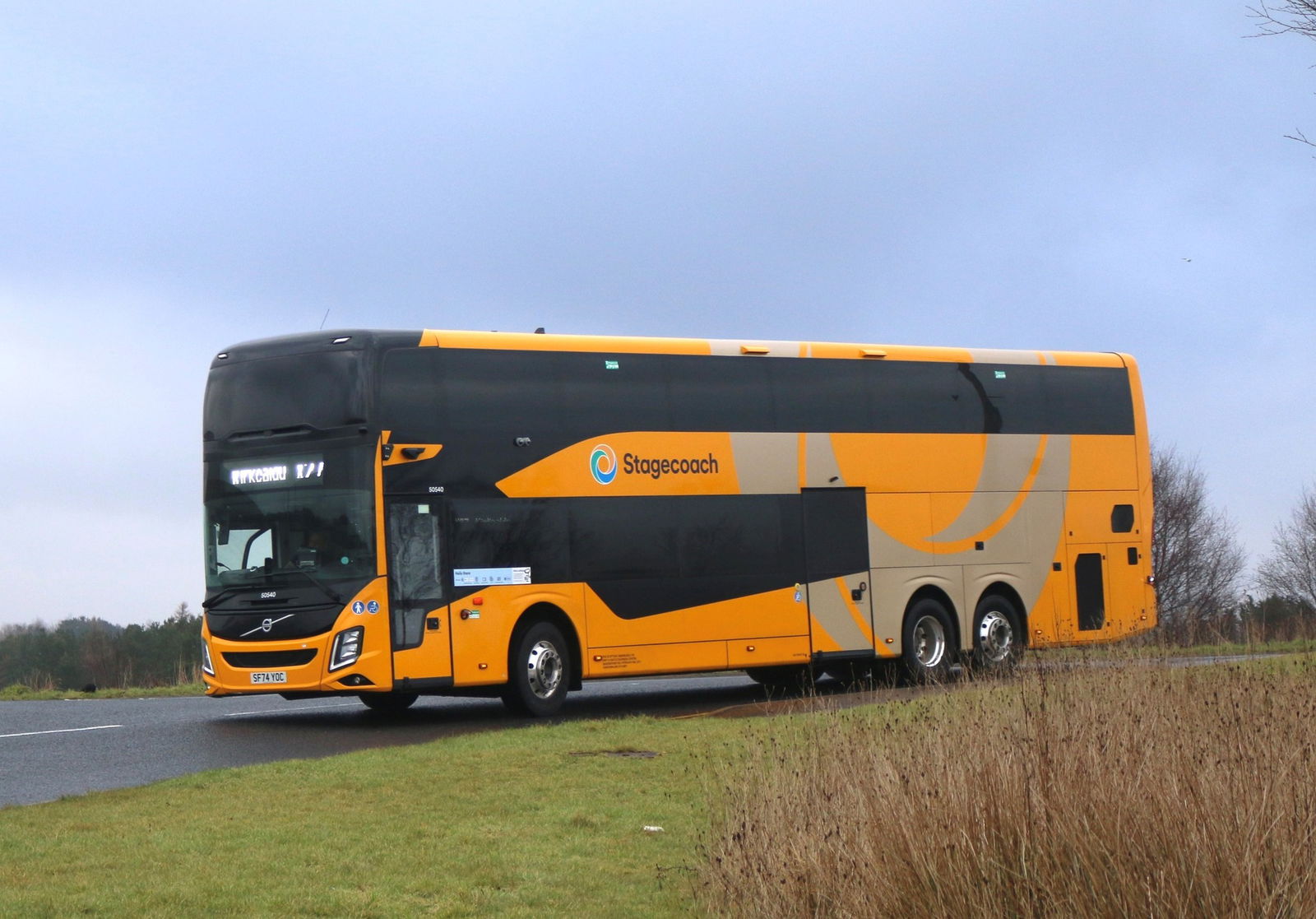
Last year, the bus business delivered 6,005 buses through its sales network, 4% fewer than in 2024, although this decline was partly offset by the stable performance of higher-value vehicles and the service business. Adjusted operating income for the full year totalled SEK 2.27 billion, while the ratio of operating income to sales remained at the previous year’s level in 2025. This indicates that the bus business was able to retain its profitability despite the subdued market environment, even as demand remained depressed in several key markets – particularly in certain Latin American countries.
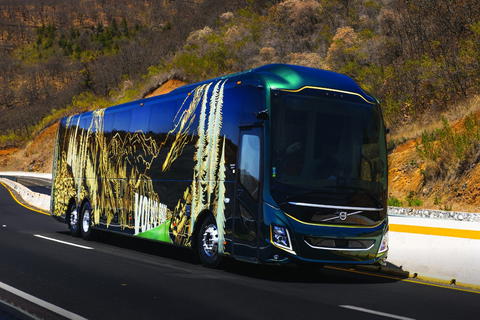
One of the most important structural changes of 2025 was the resumption of electric bus production at Volvo Buses. Although production did not restart at its own plants, but rather under a contract manufacturing arrangement at Egypt’s MCV, deliveries gradually gathered pace during the year.
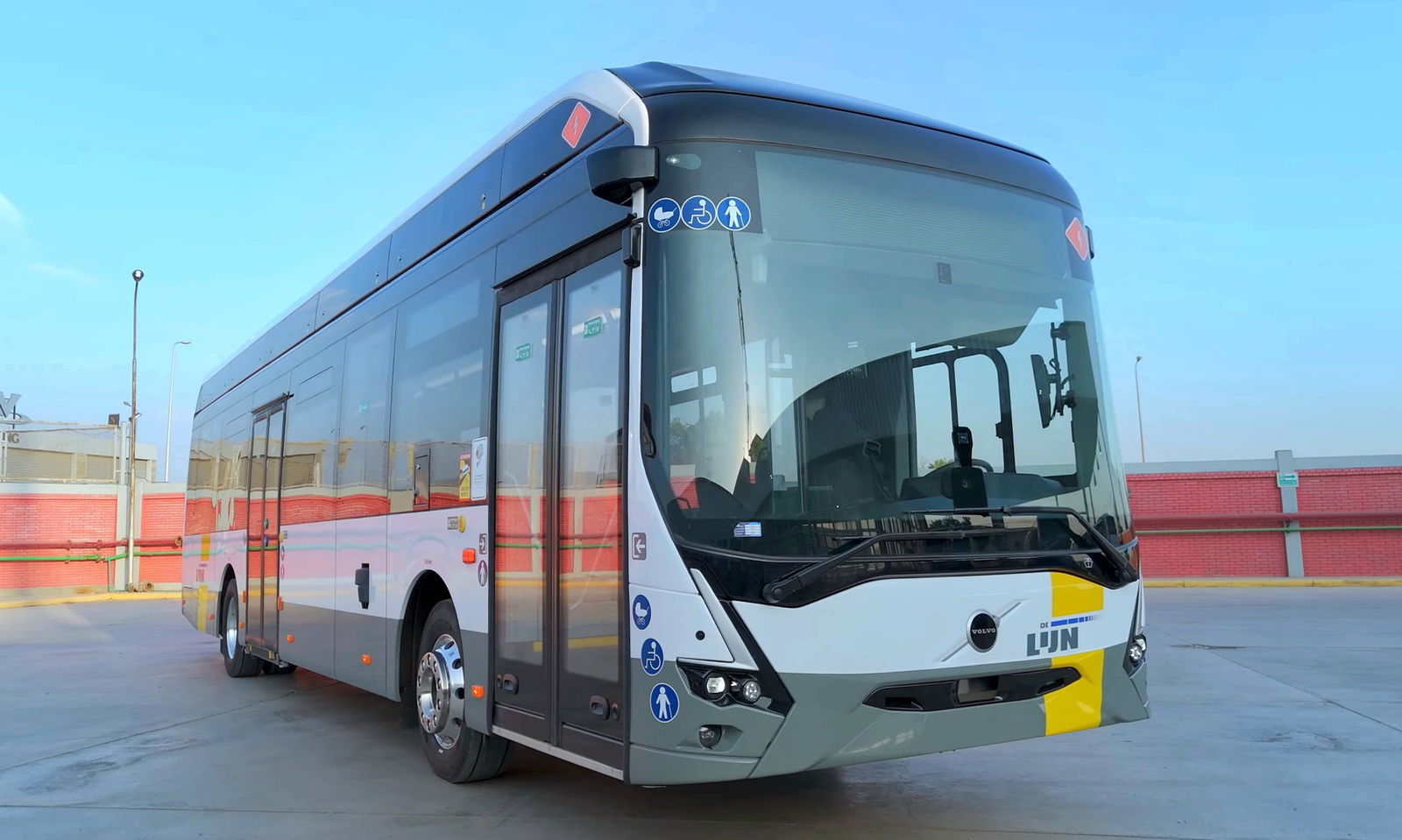
Volvo Buses received orders for a total of 544 battery-electric buses, a slight increase on 2024, while delivering 511 electric vehicles, representing growth of 55% year on year. It is important to note, however, that the sales volumes reported by Volvo – not only for electric buses but for all buses placed into service – cover vehicles sold through the company’s global sales network, and include not only buses with Volvo bodywork but also the various body variants integrated into the brand’s portfolio.
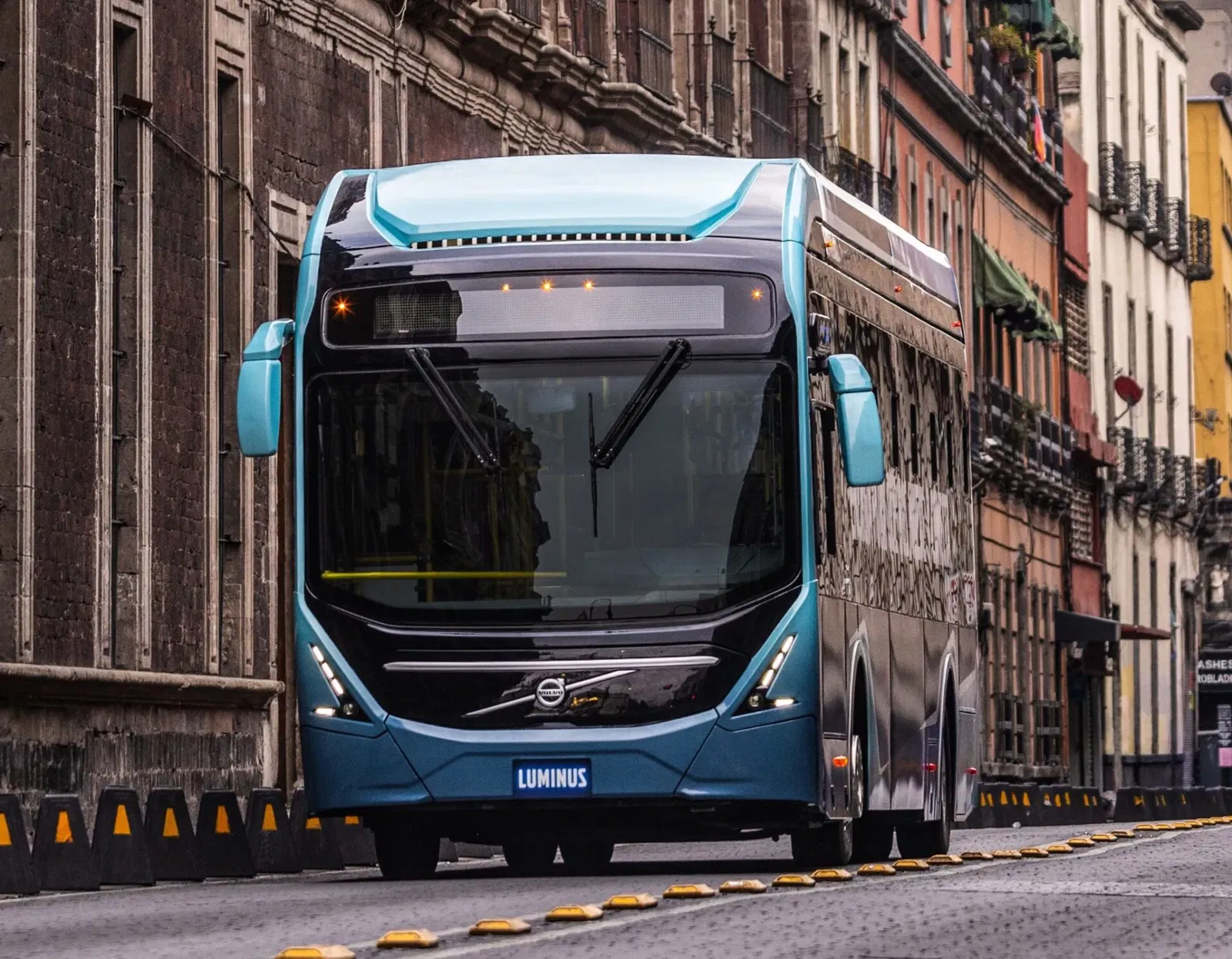
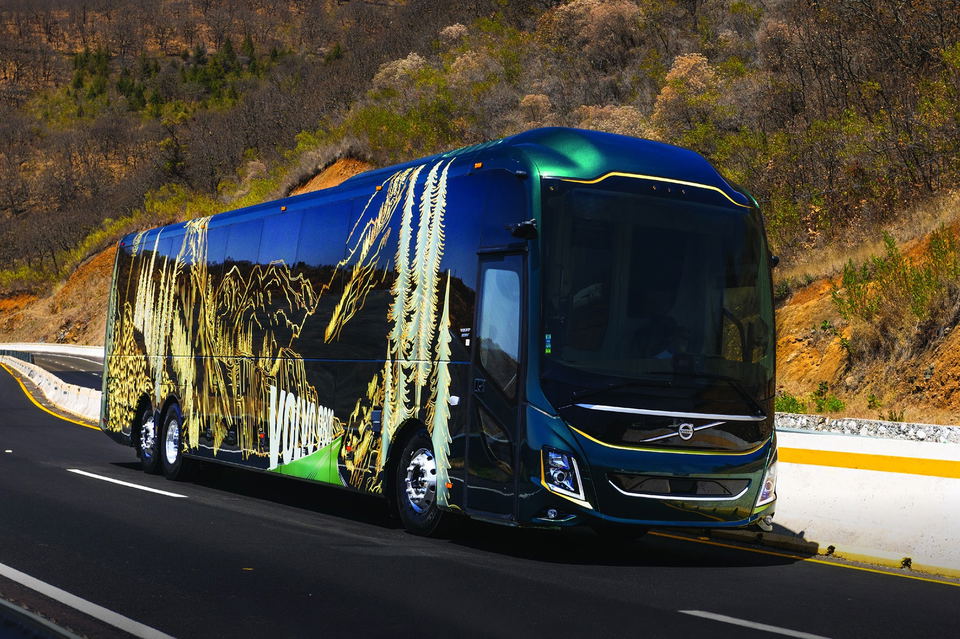
In geographical terms, North America became Volvo Buses’ largest market by revenue in 2025; the manufacturer has a presence in the region through its plant in Tultitlán, Mexico, as well as through Canada’s Prevost and Nova Bus. Bus sales in North America amounted to SEK 11.3 billion, representing growth of 3% on the previous year.
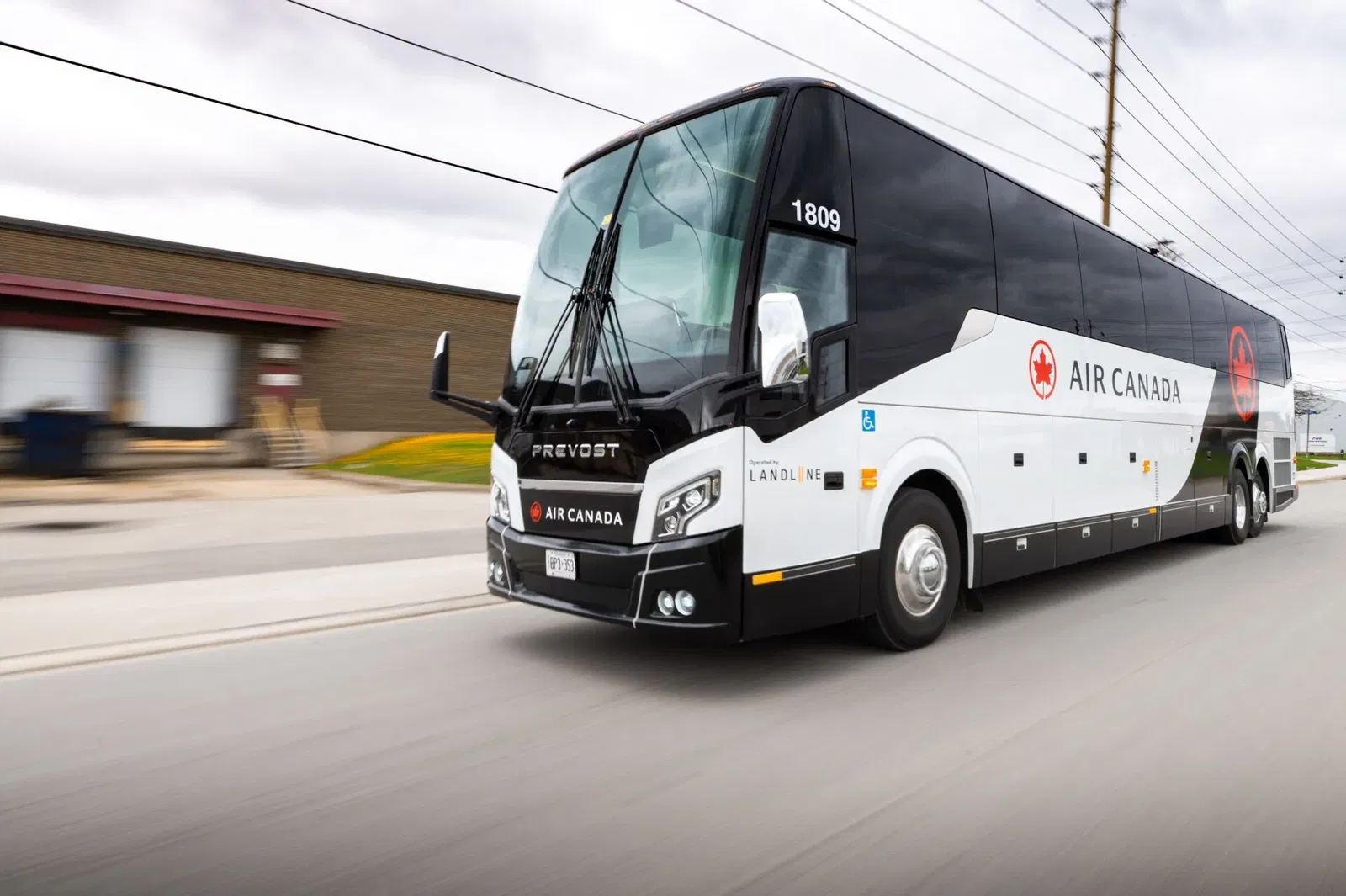
In Europe, revenue was virtually flat, totalling SEK 6.6 billion in 2025, essentially matching the 2024 level. On the continent, Volvo Buses is primarily present through diesel and alternatively powered bus chassis, on which external bodybuilders fit bodies. Following its earlier temporary withdrawal, as mentioned above, the company returned to the battery-electric bus market in early 2025 with its own body design, the impact of which was already clearly reflected in sales figures during 2025.
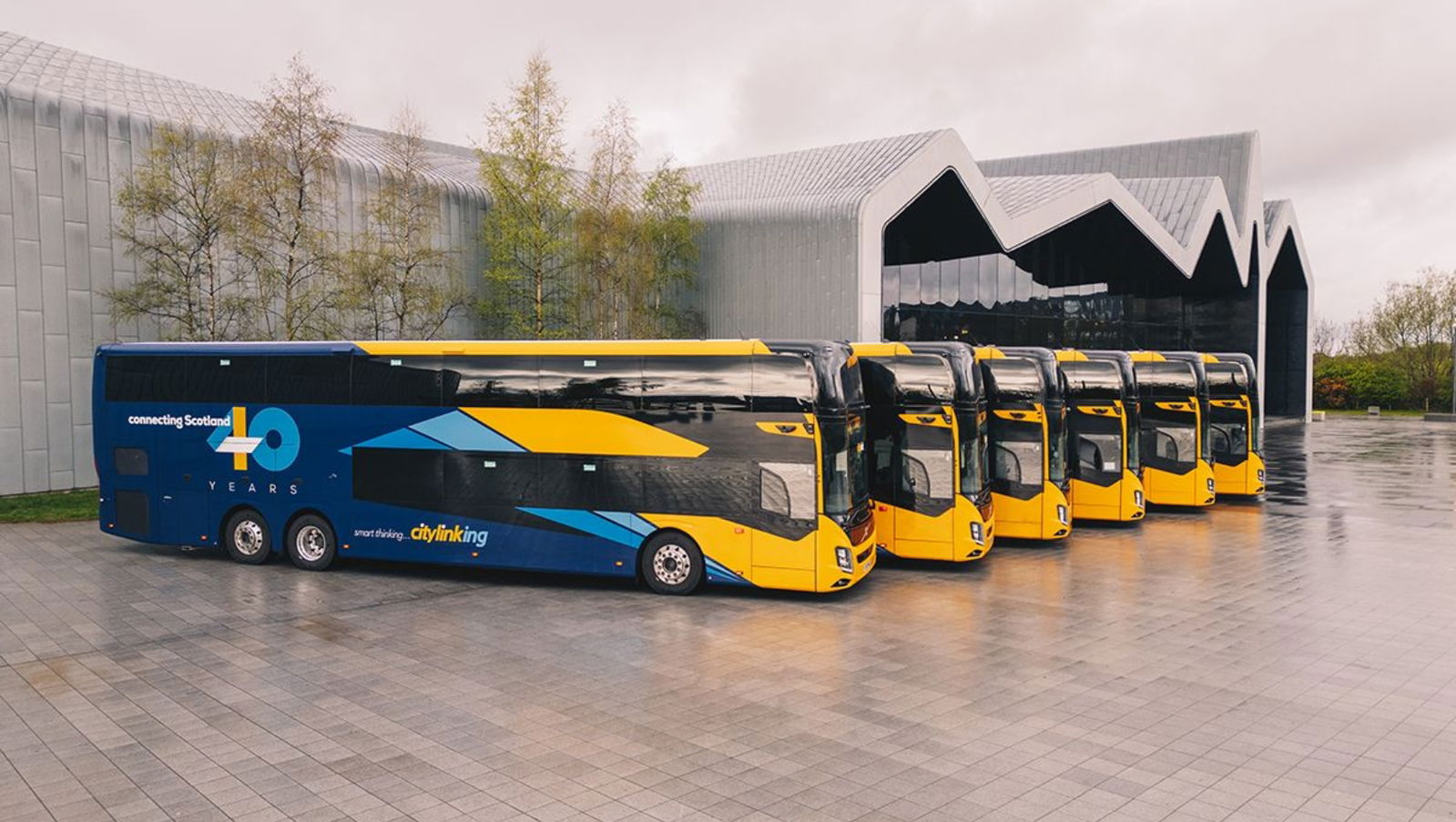
In South America, where Volvo Buses is primarily present as a chassis manufacturer, revenue declined to SEK 2.17 billion, down 3% on the previous year. In Asia, revenue totalled SEK 1.77 billion in 2025, likewise representing a modest decline of 3%. Africa and Oceania remained a lower-volume market, although revenue of SEK 3.26 billion represented growth of 11%.
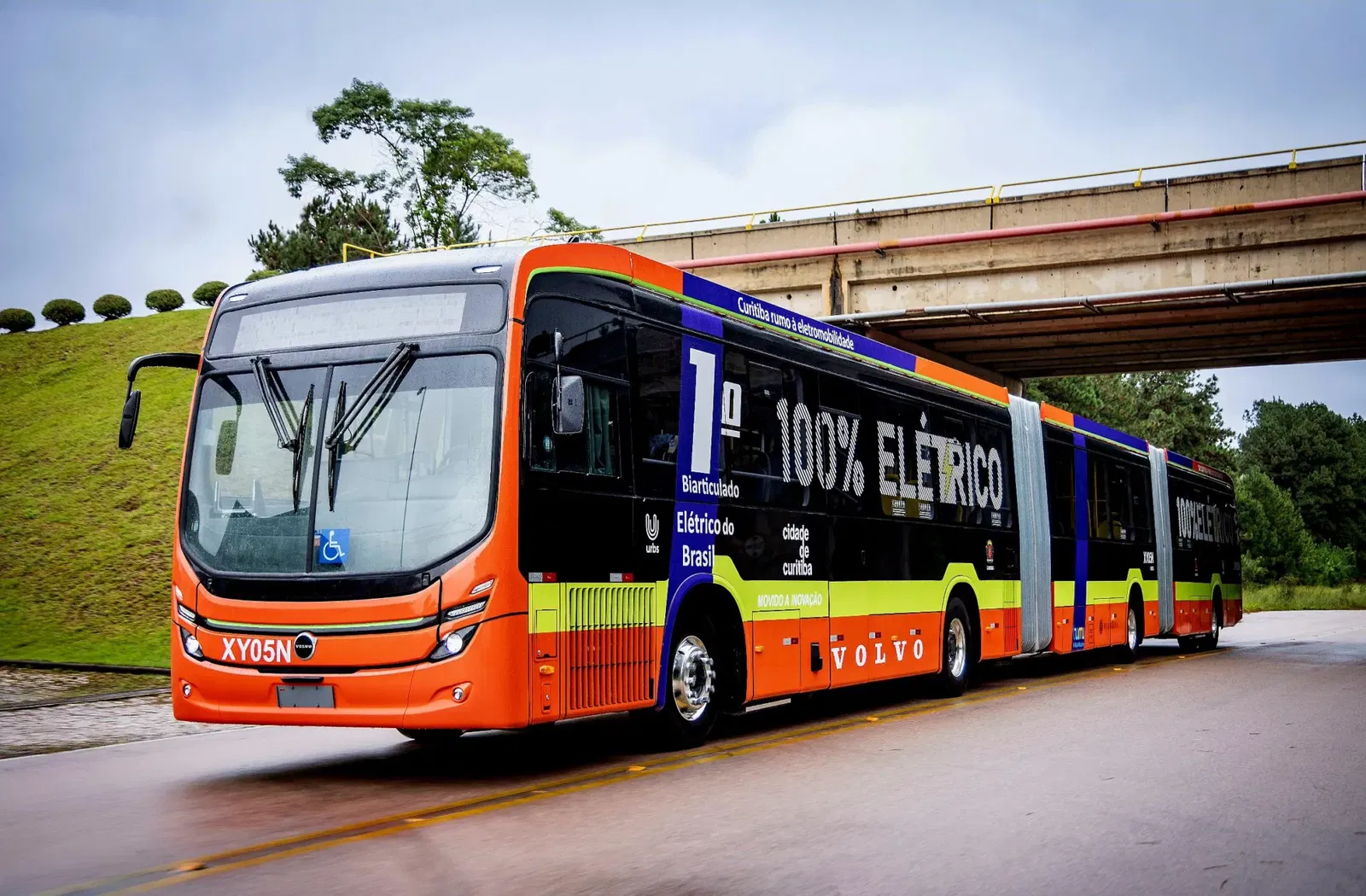
In 2025, Volvo Buses received a total of 5,905 new bus orders, representing growth of 13% on 2024. This suggests that, although the number of deliveries in 2025 declined moderately, incoming orders point to more favourable production prospects for the coming years. The expansion of the order backlog is explained in particular by strengthening demand for urban and suburban electric buses.
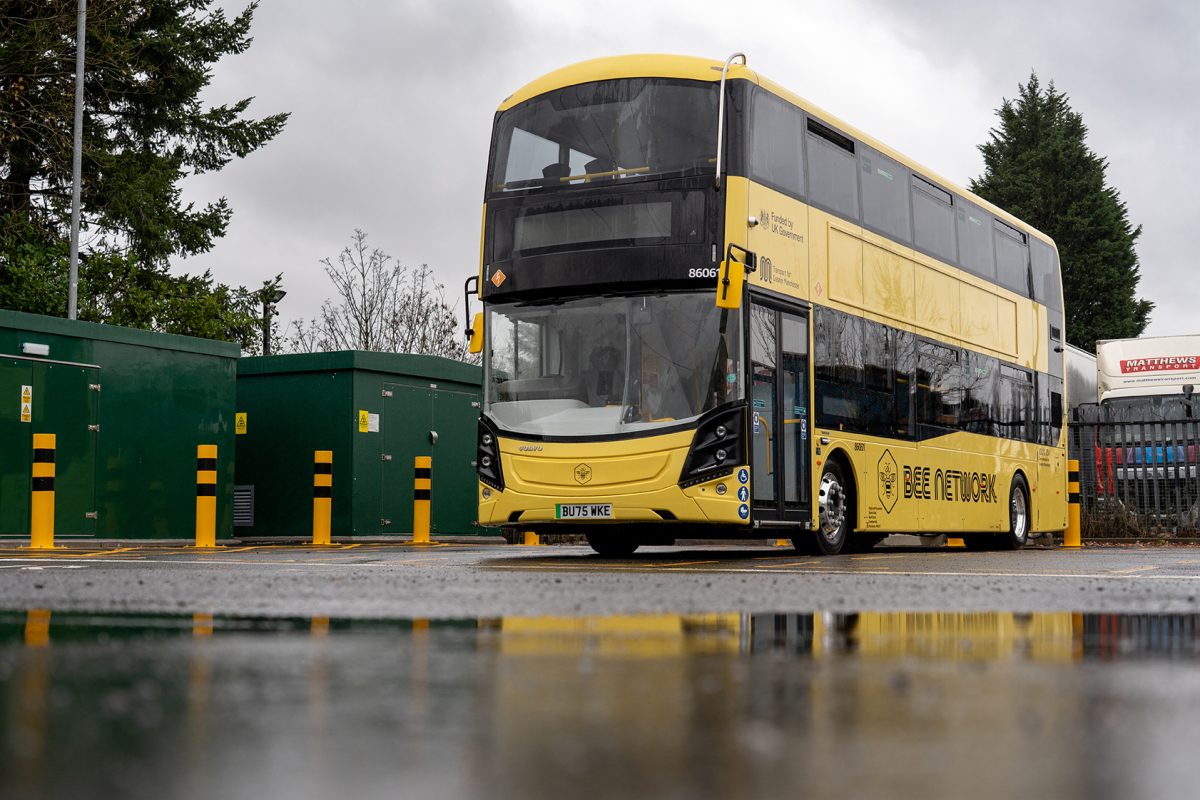
Volvo Buses’ operating income in 2025 was shaped by several effects moving in opposite directions. On the positive side, the further expansion of the service business provided the manufacturer with a stable, predictable source of revenue, as did improved pricing, especially for better-equipped, higher-value vehicles. The growing role of electric buses also had a favourable impact on results, as these command a higher average unit price and generate higher revenue per vehicle than conventionally powered models. At the same time, import duties introduced in the United States, particularly tariffs imposed on complete buses manufactured in Canada, had already noticeably weakened results in the second half of the year. These additional burdens were primarily reflected on the cost side and narrowed the manufacturer’s room for manoeuvre in the North American market.
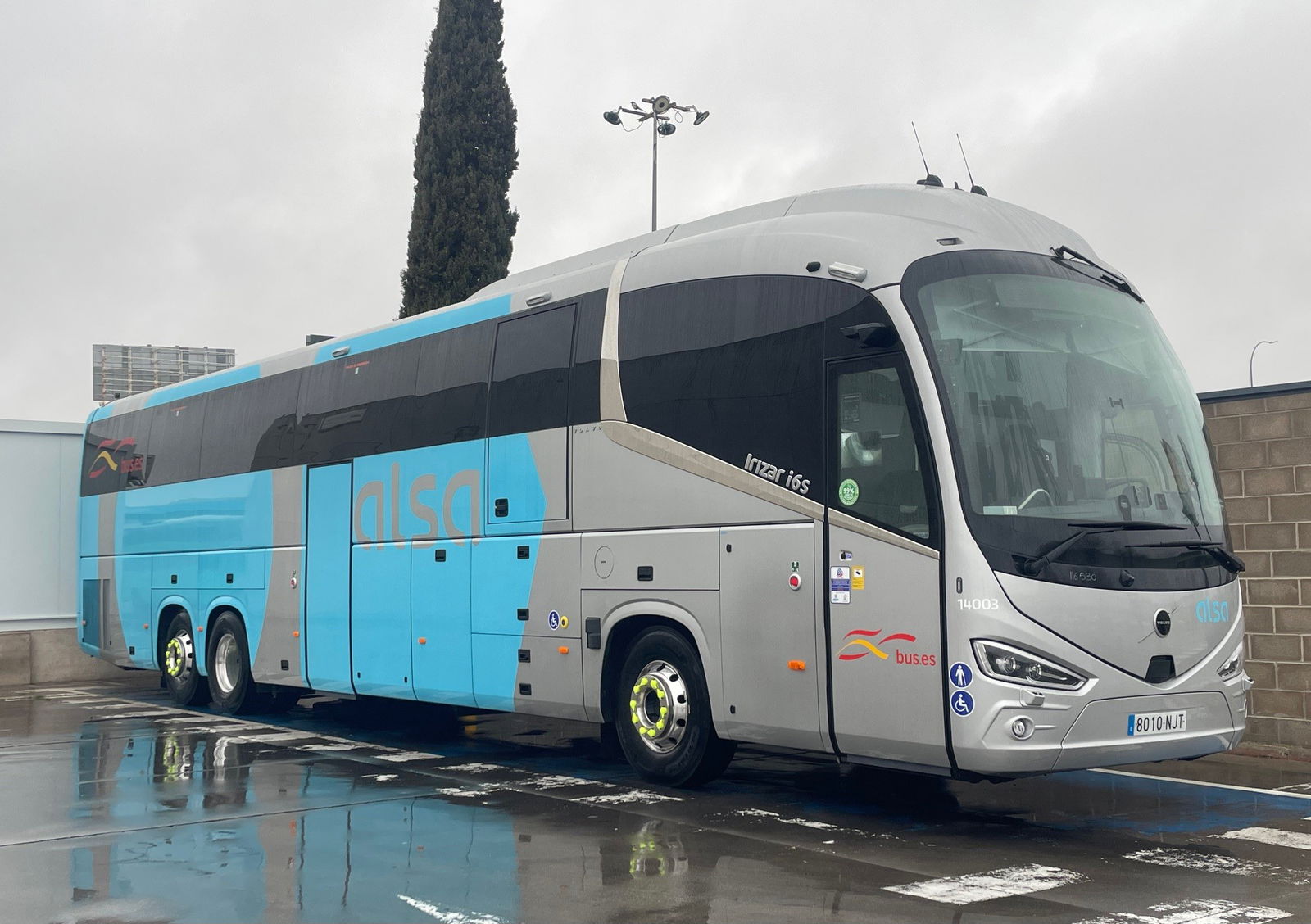
Thus, based on the 2025 figures, Volvo Buses’ performance reflects stable operations rather than a turnaround in growth. Despite a moderate decline in delivery volumes, the business area was able to retain its profitability (in order to preserve which the company had previously closed its plant in Poland), while both the share of electric buses and the number of new orders increased.