![Magyarbusz [Info]](/mbi/header-logo.png)
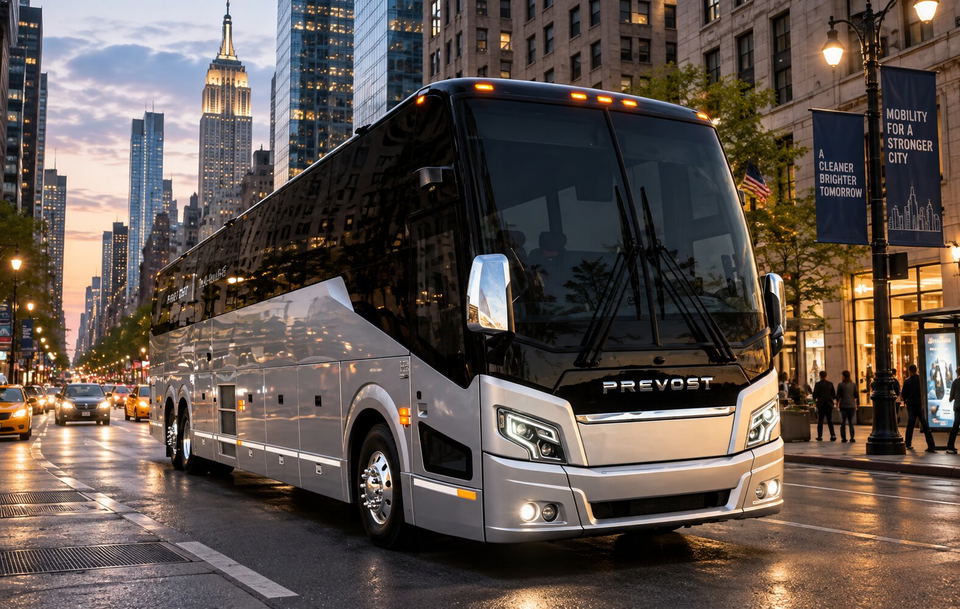
Prevost turns 100, the coach builder even General Motors couldn’t knock down
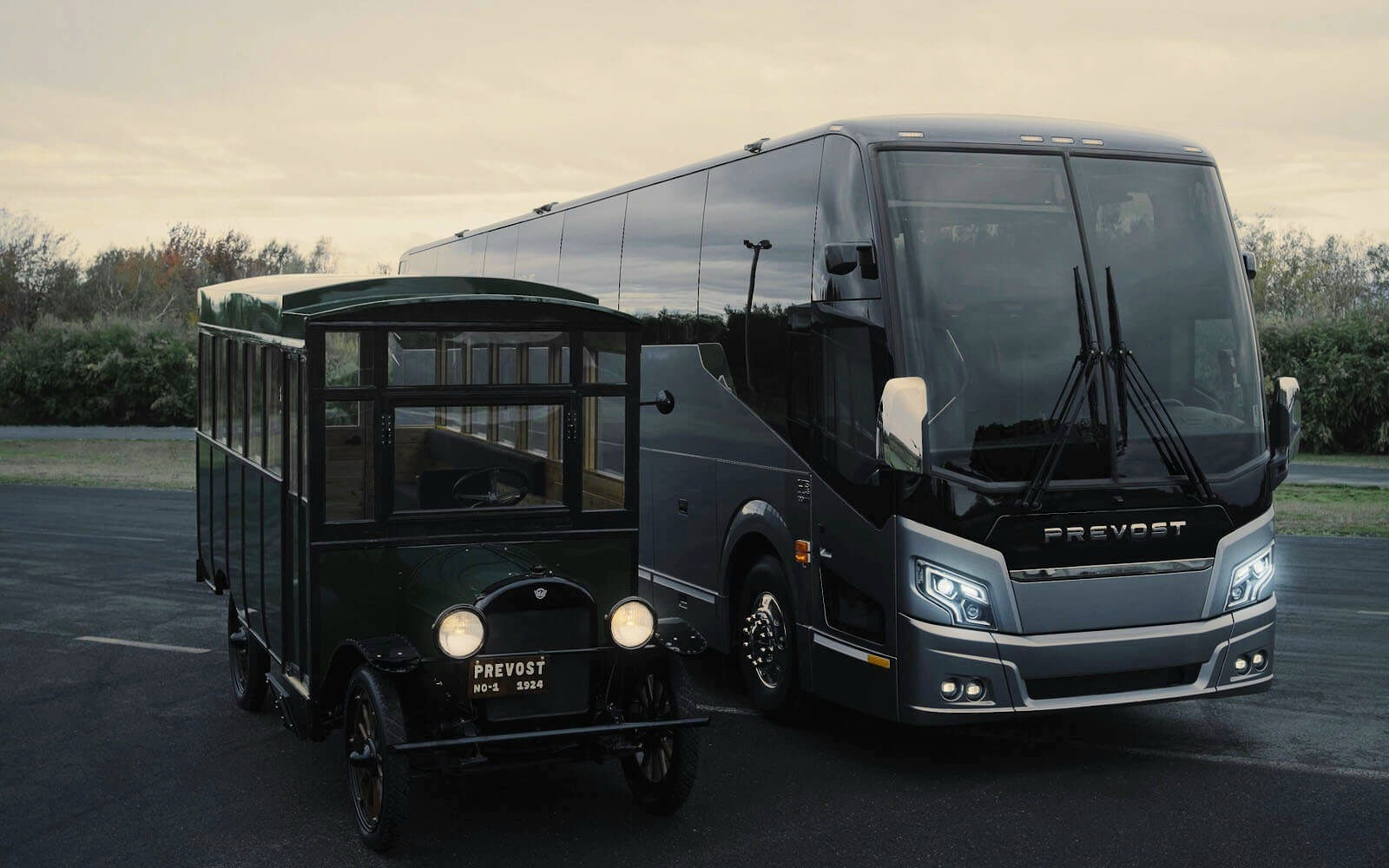
The Canadian bus and coach manufacturer Prevost (pronounced pree-voh), perhaps less well known in Hungary but respected worldwide, is celebrating its 100th anniversary in 2024. The company, which builds coaches as well as motorhomes, traces its history back to 1924 in Sainte-Claire, Quebec, where founder Eugène Prévost built a wooden-bodied bus for the local church choir, despite having had no previous involvement in vehicle body construction. That commission laid the foundations for Prevost’s future and set the company on the path that has made it one of the world’s best-known luxury coach manufacturers today.
Eugène Prévost began his career as a young entrepreneur making church pews and school desks, but even then he was marked by an innovative mindset: during the Great Depression, he built a system of hydraulic turbines and batteries to give his business its own source of electricity. The power he generated served not only his own company, but also helped the development of Sainte-Claire, where he brought electricity to 23 households five years before the official power grid was installed. The parish’s order for a wooden-bodied bus, however, gave Prévost’s business a new direction.
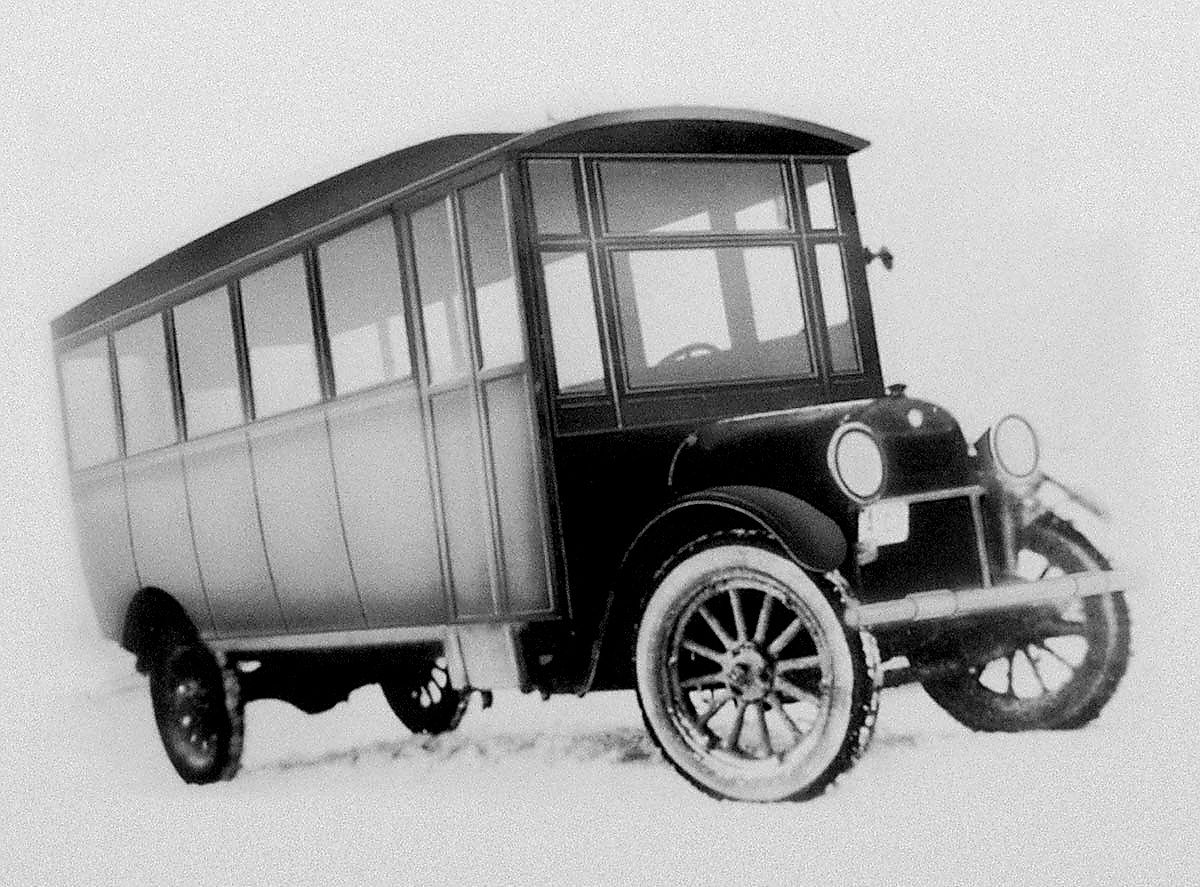
The first Prevost bus was built on a REO truck chassis, with Eugène also drawing on the skills he had acquired as a carpenter. The first commission led to a succession of further orders, and the company continued to expand. Although the production of wooden furniture remained an important line of business, bus manufacturing gradually took on a larger role. By 1937, output had risen from one or two vehicles a year to five to ten buses annually, and between 1937 and 1939 the first bus manufacturing plant was built in Sainte-Claire. Eight years later, Prevost unveiled its first bus with an all-metal body, marking another milestone in the company’s development.
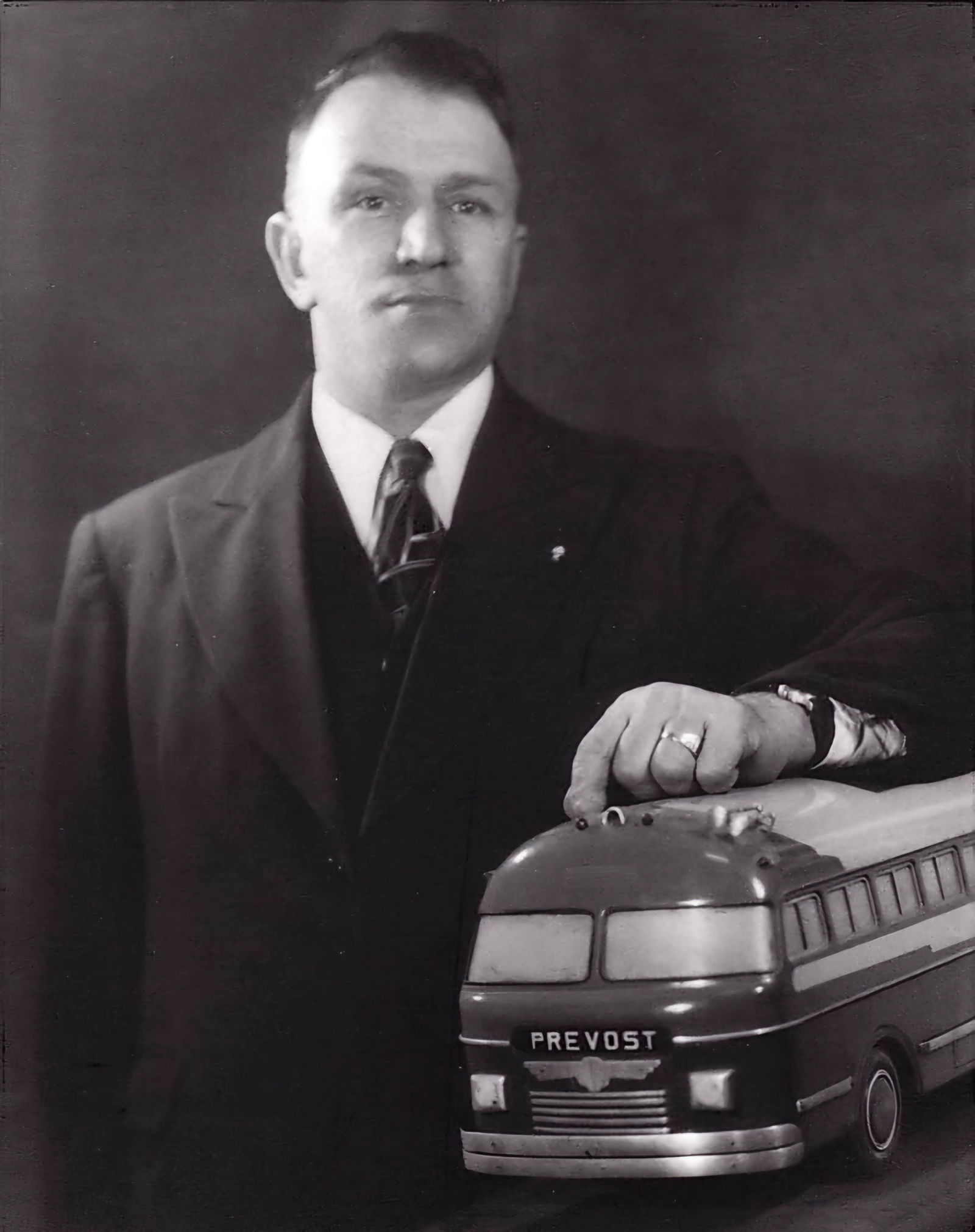
As demand for buses continued to grow, Prevost abandoned wooden structures and fully switched to metal. This decision was a turning point in the company’s bus manufacturing activities, as metal-bodied buses were far more durable, offered better resistance to the elements, and made it possible to incorporate modern technologies. In the late 1940s, Prevost launched its first rear-engined model, and also introduced both an urban and a long-distance type. The company also built cars, vans and ambulances, and by the early 1950s its output had already exceeded 100 buses per year. The manufacturer’s new Prevocar model was presented in 1951 and was regarded in Canada at the time as the most modern bus type available. By the early 1950s, thanks to rising demand and a growing order book, Prevost had become Canada’s largest intercity bus manufacturer, and it was then that the company finally gave up furniture production altogether.

In the mid-1950s, Prevost, like many other North American bus manufacturers, was put at risk by General Motors’ aggressive market expansion. The scale of this pressure is well illustrated by the fact that, by the end of the decade, only one viable intercity bus manufacturer, Flxible, remained in the United States market. GM also targeted the Canadian market, and by 1955 it had all but wiped out Prevost’s sales. The bus builder was pushed to the brink of bankruptcy, and when it seemed it would be forced to close its doors, Paul Normand and Everiste Laflamme purchased the company in 1957 and secured its financial renewal. The two industrialists provided Prevost with significant resources for further growth and innovation. Under Normand and Laflamme, Prevost underwent major development: new products were introduced and production was modernised, allowing the company not only to preserve the spirit of its founder, but also to grow dynamically.
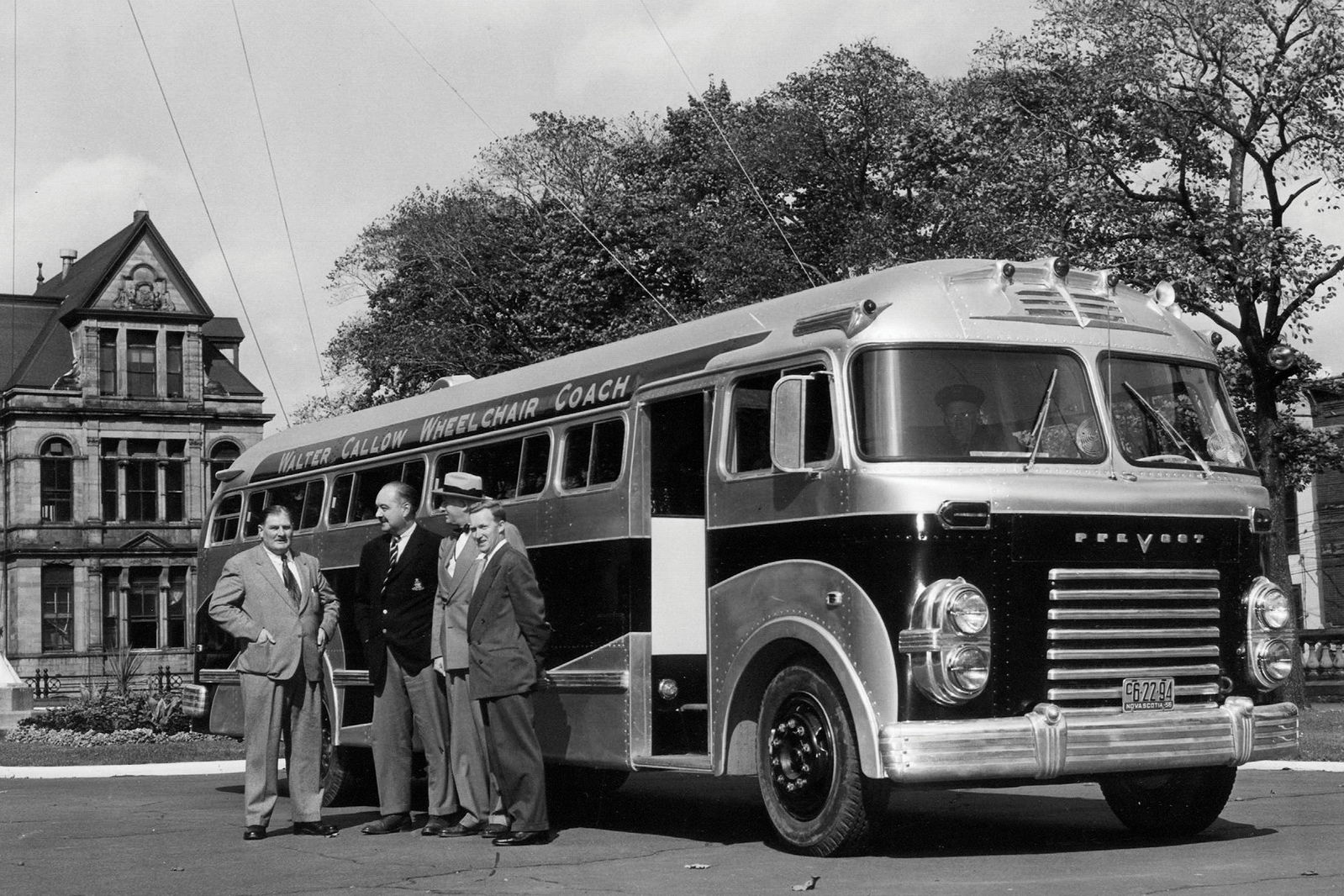
In the 1960s, the company achieved considerable success in the North American tour coach market. Although it also made attempts in the urban transport segment, Prevost buses were particularly successful among operators of touring coaches and long-distance services, and the company exited the city bus segment during the 1960s. It was around this time that iconic models began to appear which remain hallmarks of the Prevost brand to this day.
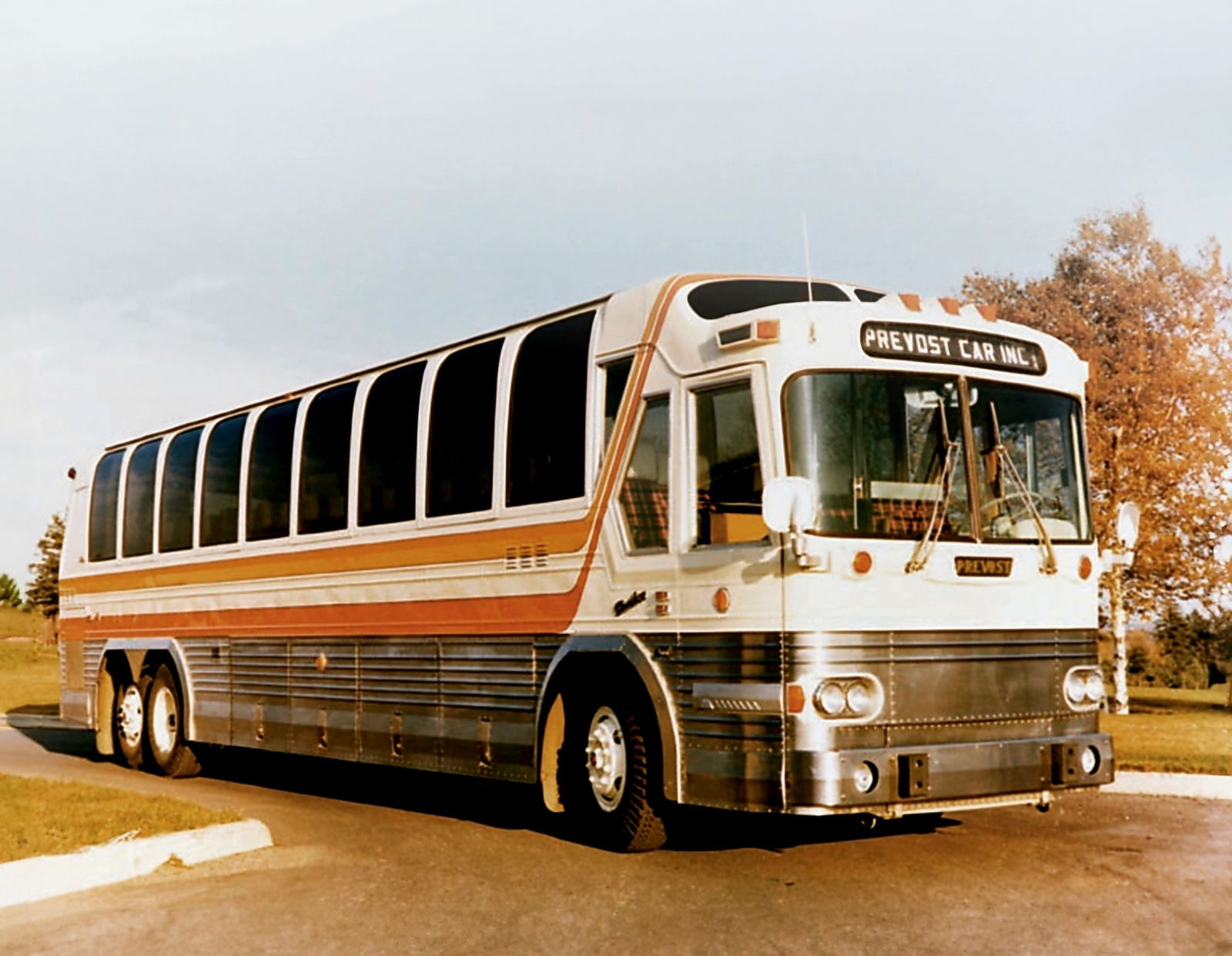
Prevost entered the United States market in 1967, when Somerset Bus Company in New Jersey became the first American operator to buy a new Prevost coach. In the same year, Prevost also opened two sales and service centres – one in Lyndhurst, New Jersey, and another in Los Angeles.
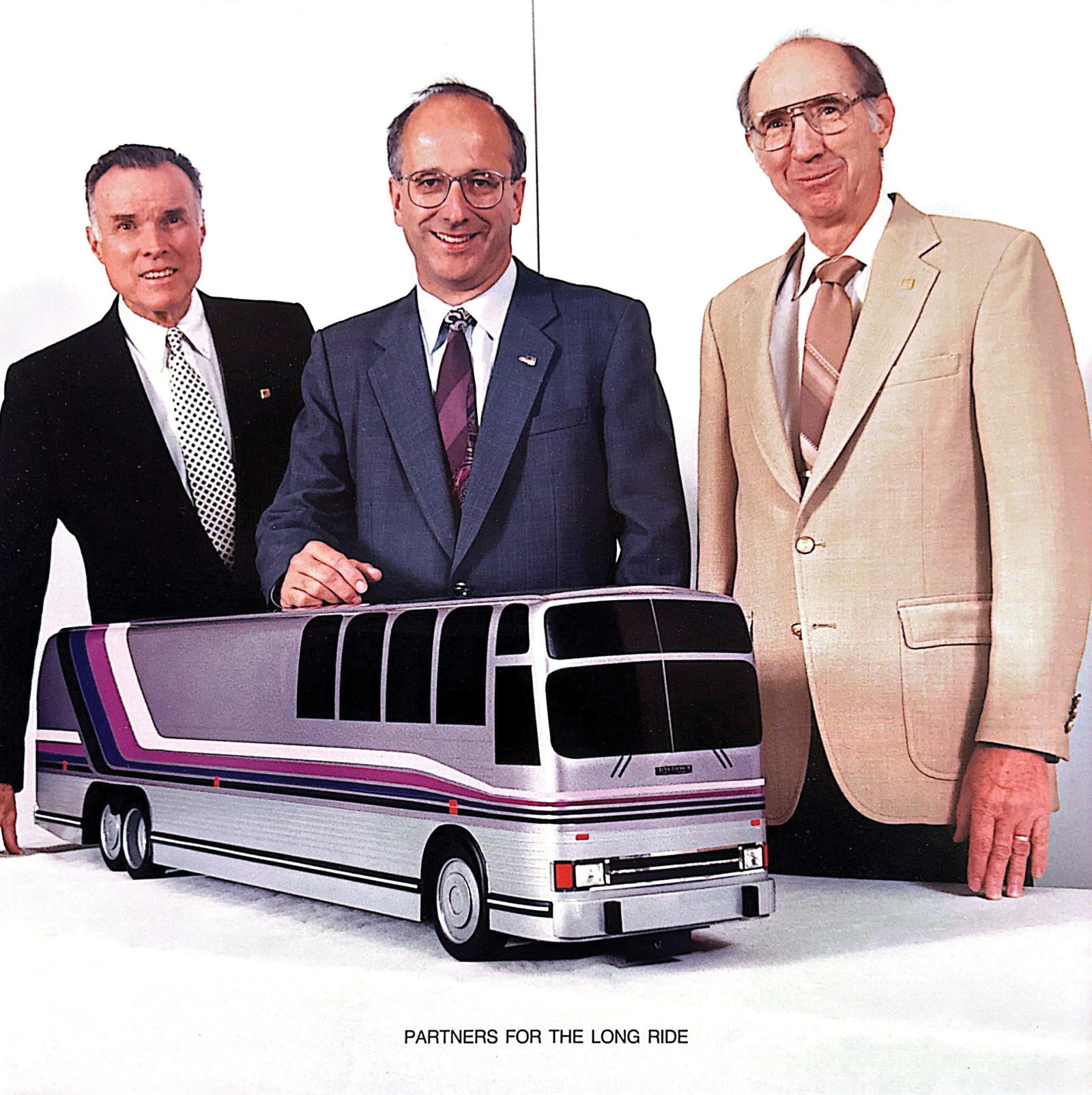
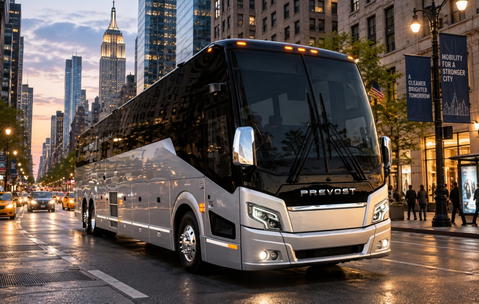
At the end of the 1960s, the bus manufacturer changed hands again: two American businessmen and one Canadian businessman, Tom Harbison, Bill Campbell and André Normand, bought the company from André’s father, Paul Normand, and Paul Gourdeau, who had acquired Laflamme’s shares back in 1966. Once again, the change of ownership was intended to secure the company’s growth and competitiveness by bringing in new capital and resources. The new owners provided a stable financial background, enabling Prevost to strengthen its position further in the luxury coach market and continue innovating through substantial investment. This was when the distinctive large windscreens and roof-curving passenger windows appeared, giving Prevost’s long-distance coaches a European look. Thanks to this era, the company gained an even larger market share in North America, primarily among operators providing high-quality tour coach services.

By the end of the 1970s, Prevost’s manufacturing capacity could no longer keep pace with the rising number of orders, as its plant built in the 1930s had become too cramped and outdated. The manufacturer therefore built a new facility, which opened in the spring of 1981 and doubled production. Instead of a traditional straight-line assembly line, the new plant’s special feature was a transfer-table system that allowed buses to be moved more freely. This meant that if a vehicle did not need a particular assembly station, it could be moved on to another without having to pass through the entire line.
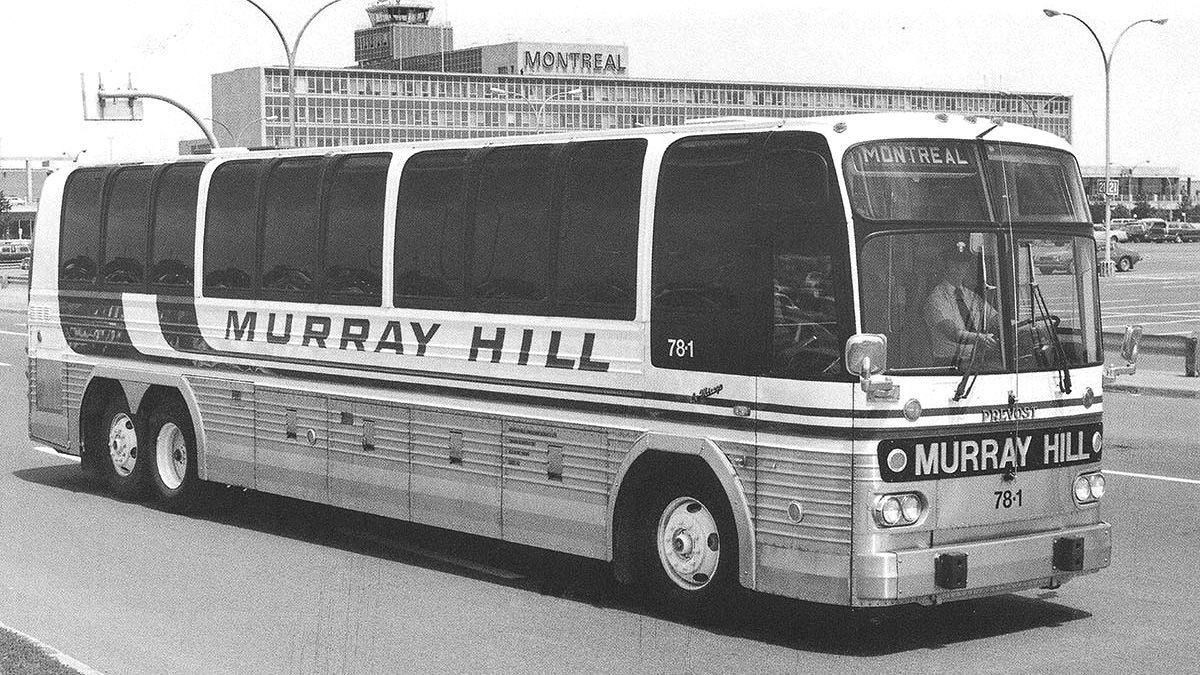
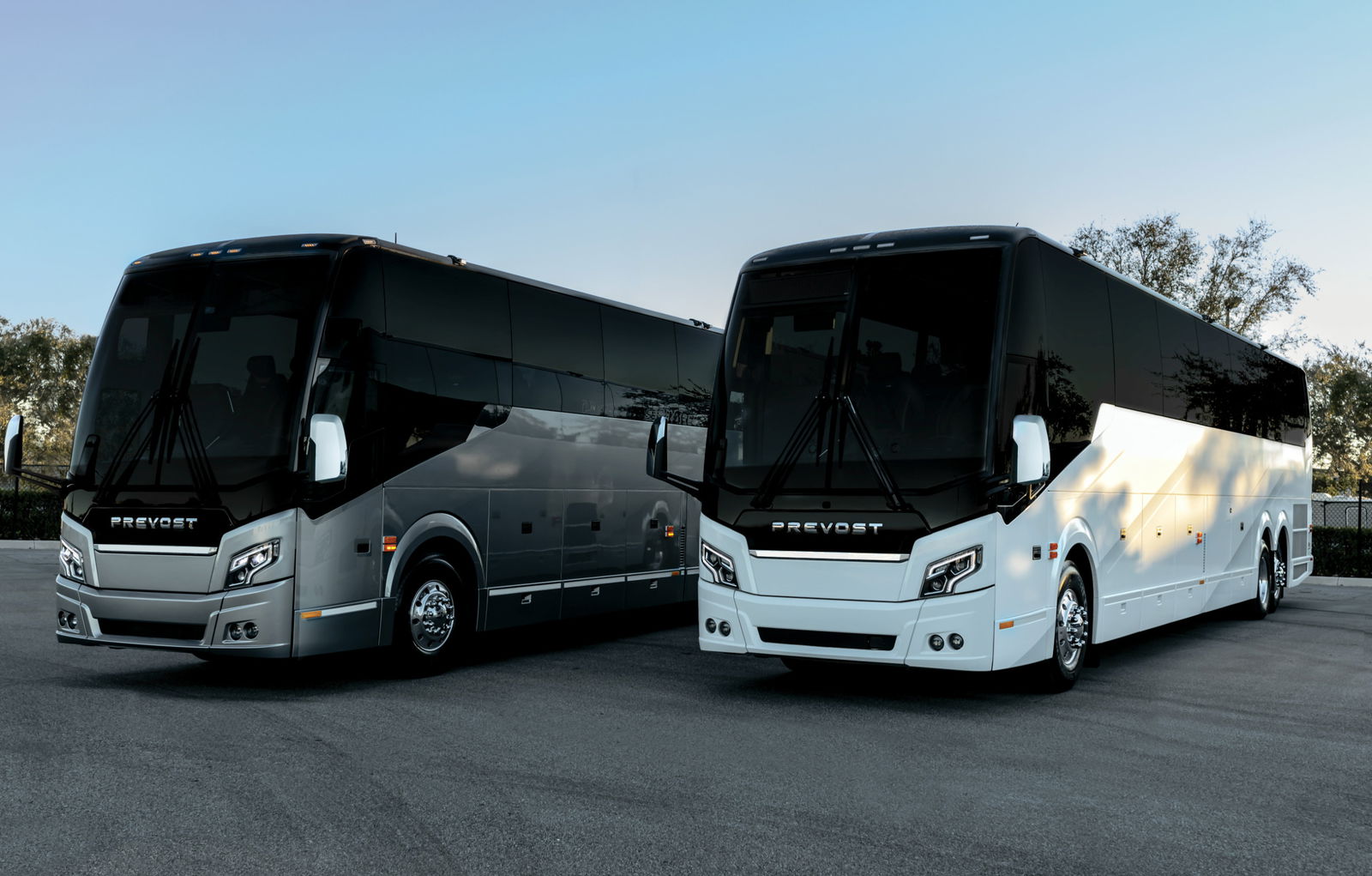
The first generation of today’s Prevost X3-45 appeared in the late 1970s under the LeMirage name and was the manufacturer’s most popular product at the time, while the first generation of the recently renewed H3-45 flagship model made its debut at the end of the 1980s.
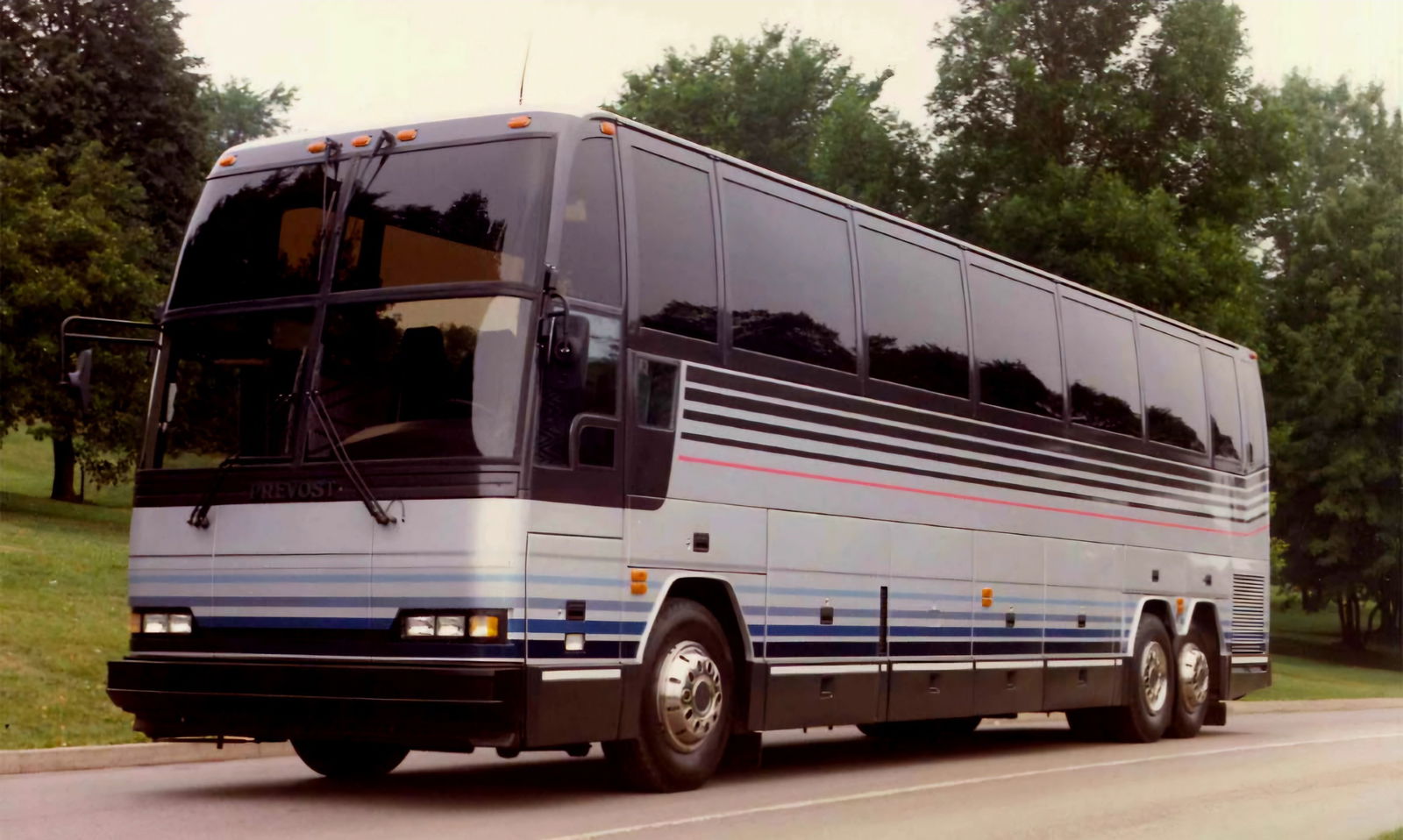
The origins of the H series can be traced back to research carried out by the Canadian and Quebec governments in the late 1970s, which examined how high-floor articulated buses could be used on the Montreal-Ottawa-Toronto corridor, the busiest intercity route in Canada. A Neoplan AN-221 Voyageur articulated bus was also imported from Europe for tests carried out as part of the study.
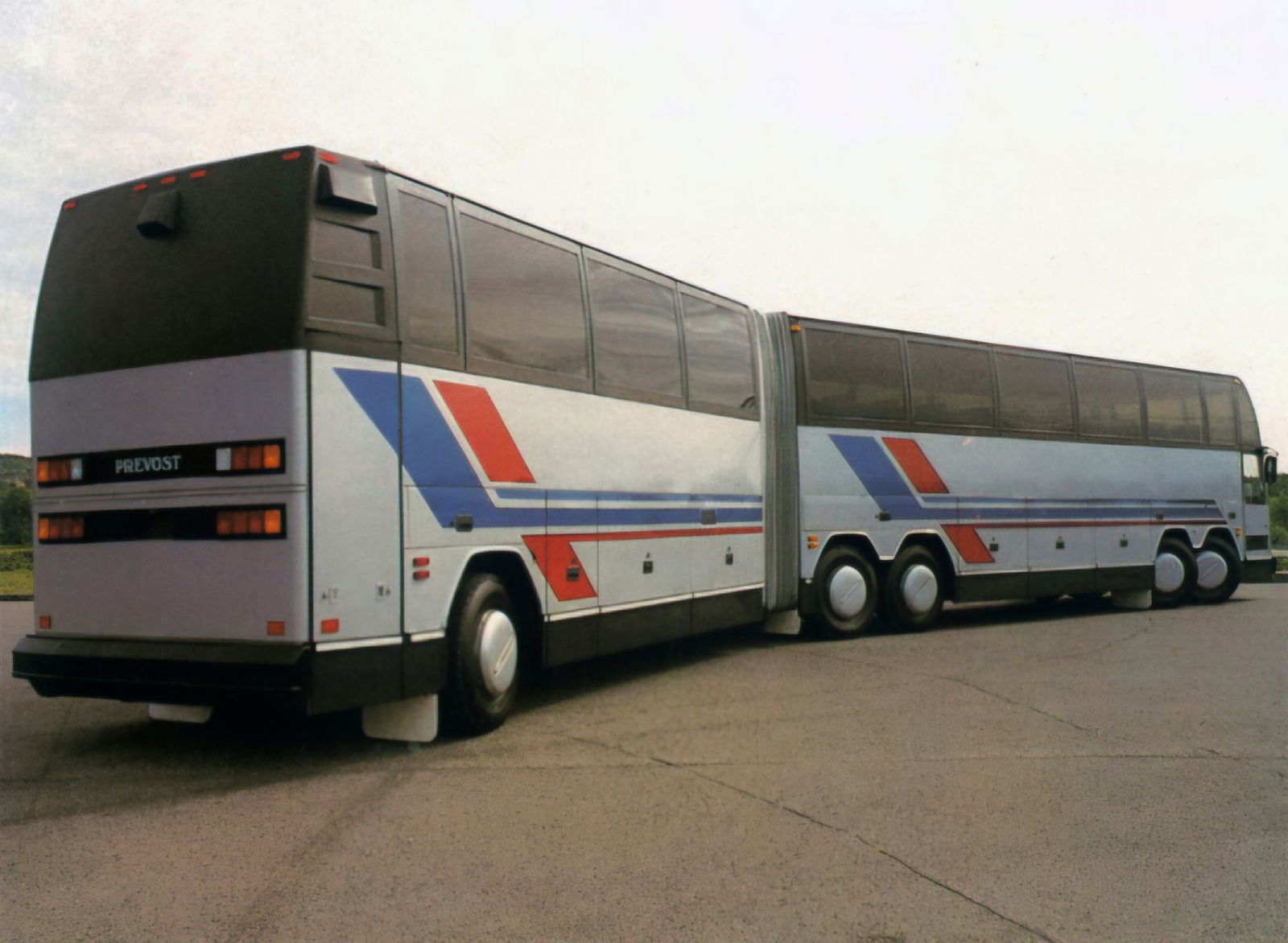
Prevost was selected to build the articulated bus resulting from the research, and this led to the Prevost H5-60 prototype, which debuted in late 1985. Due to axle-load requirements, the model was fitted with twin front axles, while the 12-litre Detroit Diesel engine was installed between the B and C axles. Series production began in 1987, and a total of 46 units were built over four years. Although the H5-60 was produced only in limited numbers, its design and technical solutions later served as the basis for rigid models that achieved significant market success. Even then, Prevost placed strong emphasis on luxury and comfort, doing everything it could to make its brand name synonymous with high-quality tour coaches. It was during this period that the company truly began to break out of the Canadian market and compete successfully with the major American manufacturers.
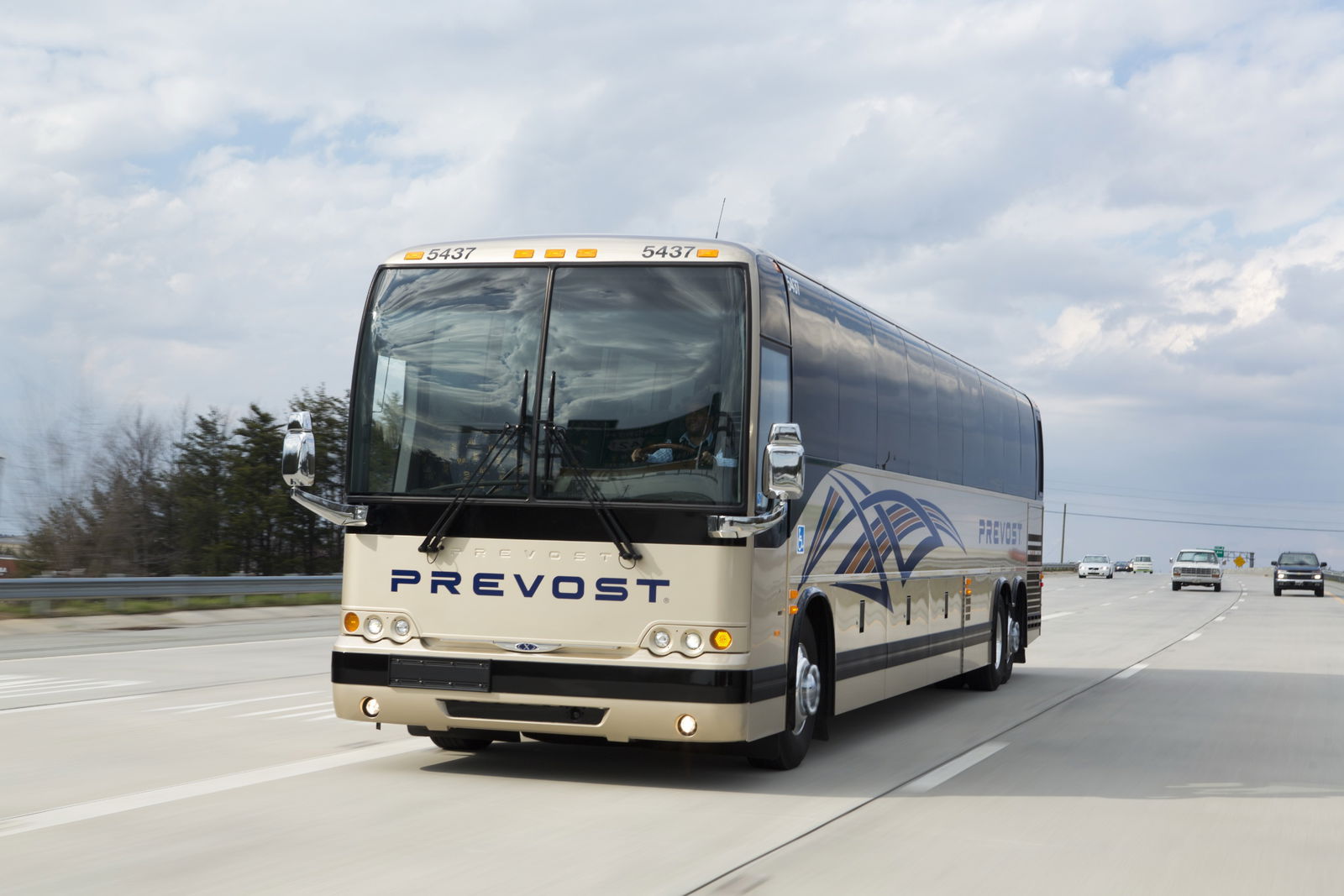
One of the biggest turning points in Prevost’s history came in the mid-1990s, when the Volvo Group and the British Henlys Group acquired the company. The Swedish giant not only provided financial support, but also gave the company access to Volvo’s innovations, research capabilities and manufacturing expertise. Full ownership of the bus manufacturer eventually passed to the Volvo group in 2004, when Henlys withdrew from the ownership structure due to financial difficulties.
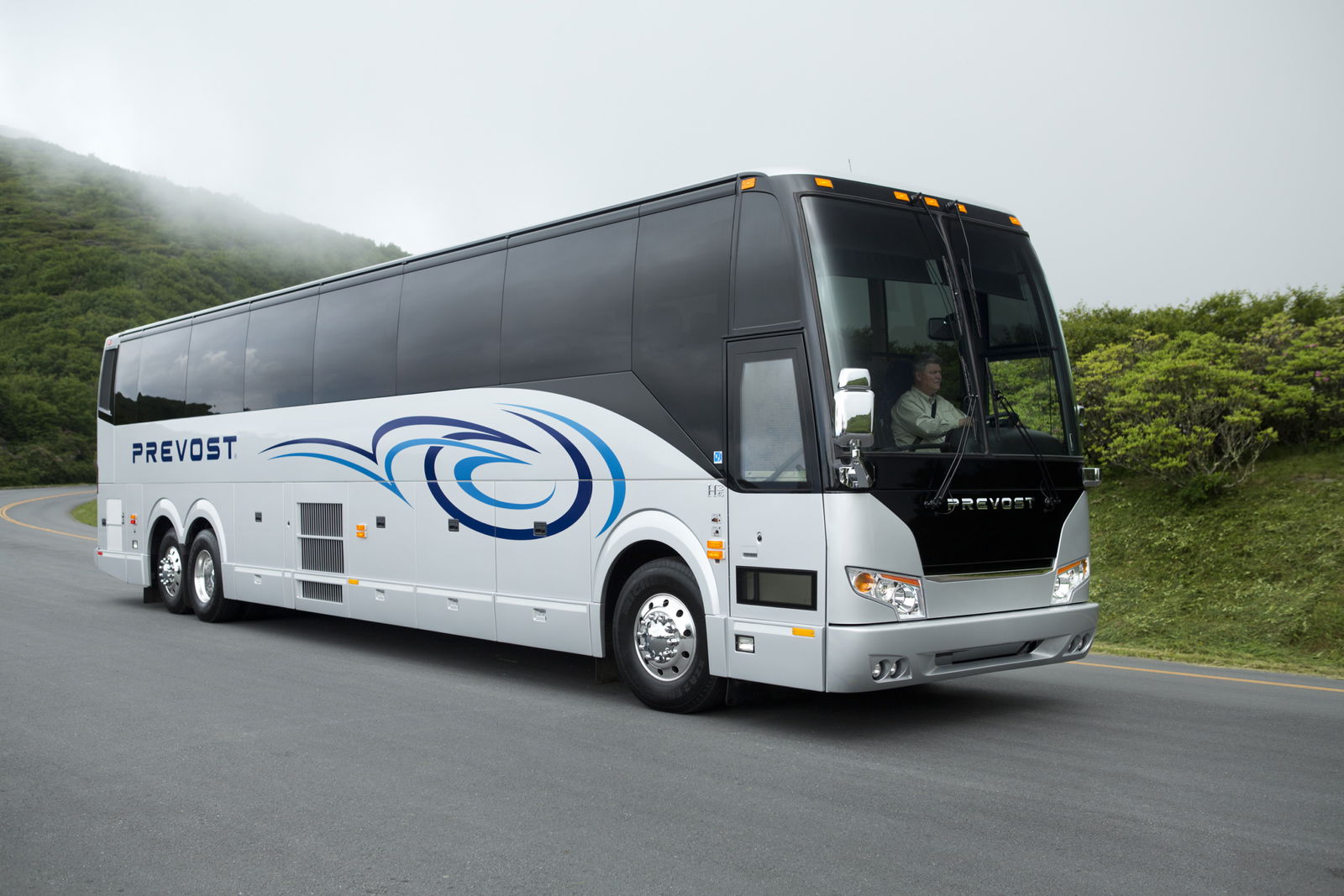
Although Prevost has its own independently developed and manufactured product range, the influence of its parent company, Volvo, is clearly visible in the line-up. The H3-45 and older X3-45 models, for example, are powered by the Volvo D13 engine, introduced in 2008 and used exclusively in Prevost models since 2010. The range also includes the Volvo I-Shift automated manual transmission, as well as the US-market version of the second-generation Volvo 9700, which has been available since 2009.
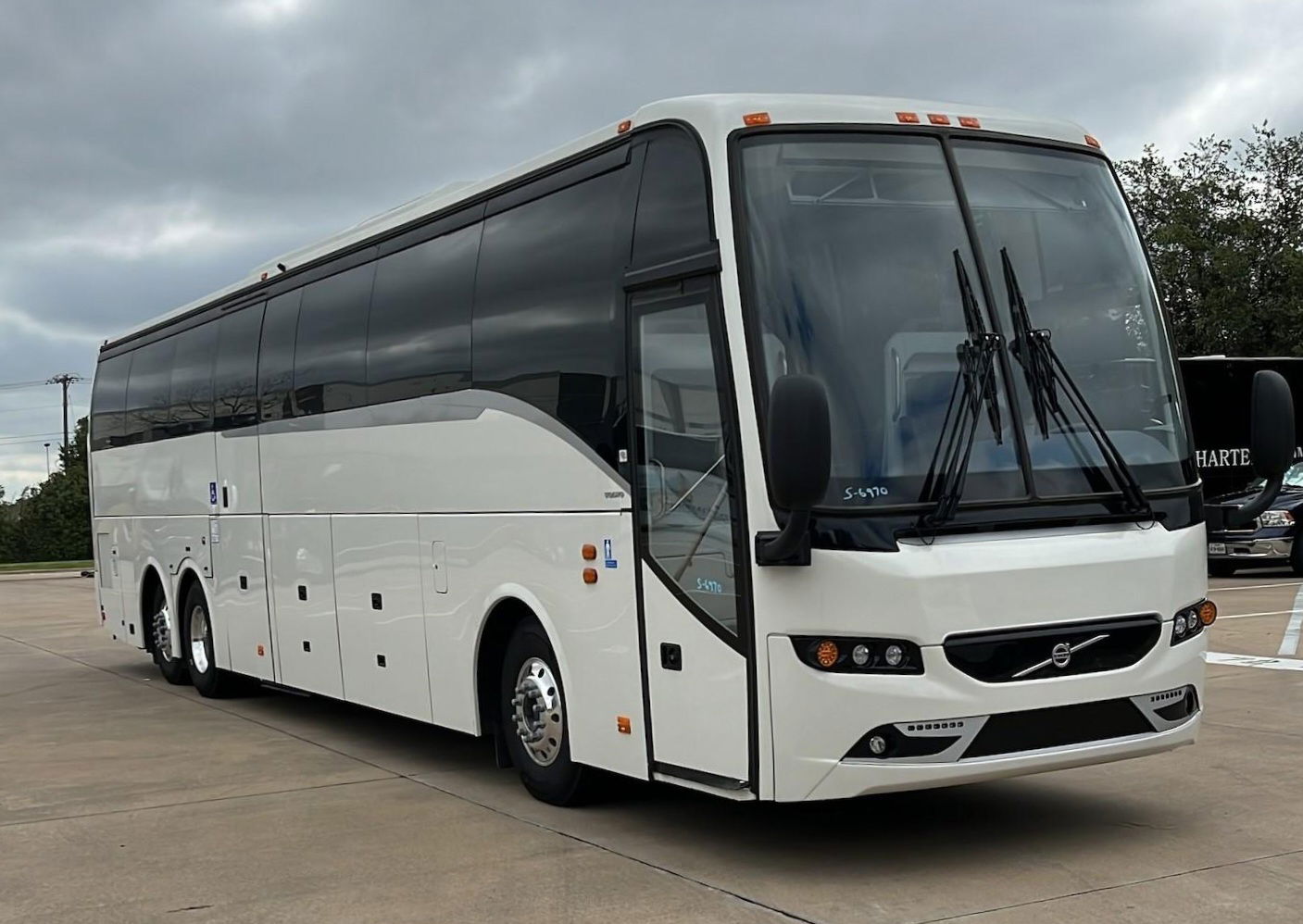
This close cooperation, however, also gave Volvo the opportunity to make use of innovations from its Canadian subsidiary. The new Volvo 9700/9900 model pair uses a unique construction technique developed by Prevost which, unlike traditional European bus-building methods, allows for a more robust and flexible frame structure. This technology differs substantially from conventional European bus construction techniques, which is one reason why it is difficult to find a suitable partner to continue production of the model pair. The load-bearing structure of the types previously built in Poland is completely different from European solutions and is essentially based on a stronger integral body structure.
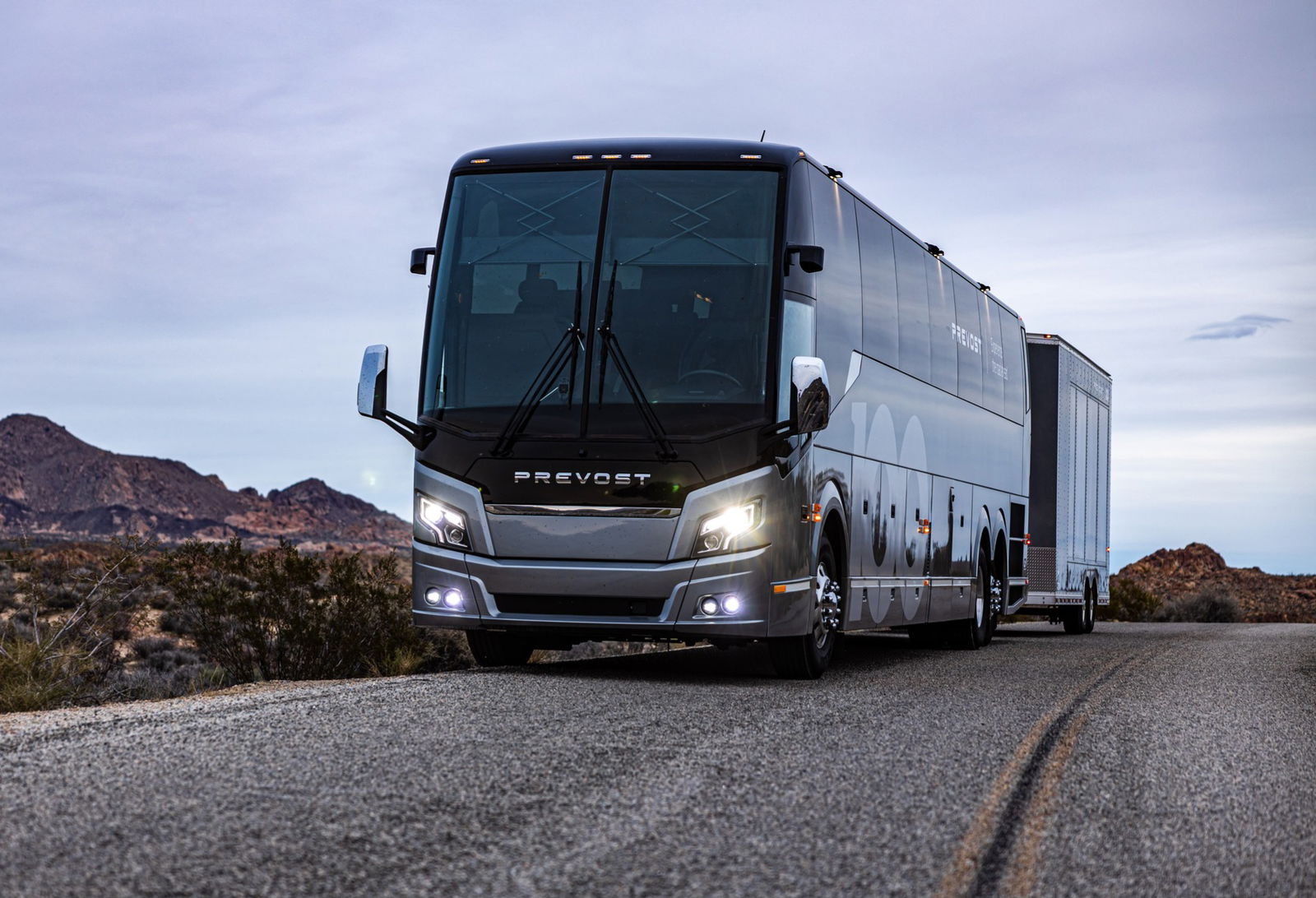
Having started out as a carpentry workshop, Prevost will also place greater emphasis on electric drive in the future, in line with trends and the expectations of the era. As a member of the Volvo Group, the company aims to make its entire operation carbon-neutral by 2040. As part of this, it plans to present its first fully electric bus in 2026, offering a range of 400 kilometres on a single charge and adapting to environmental challenges and the market’s changing needs.