Prague launches tender for another 140 trolleybuses
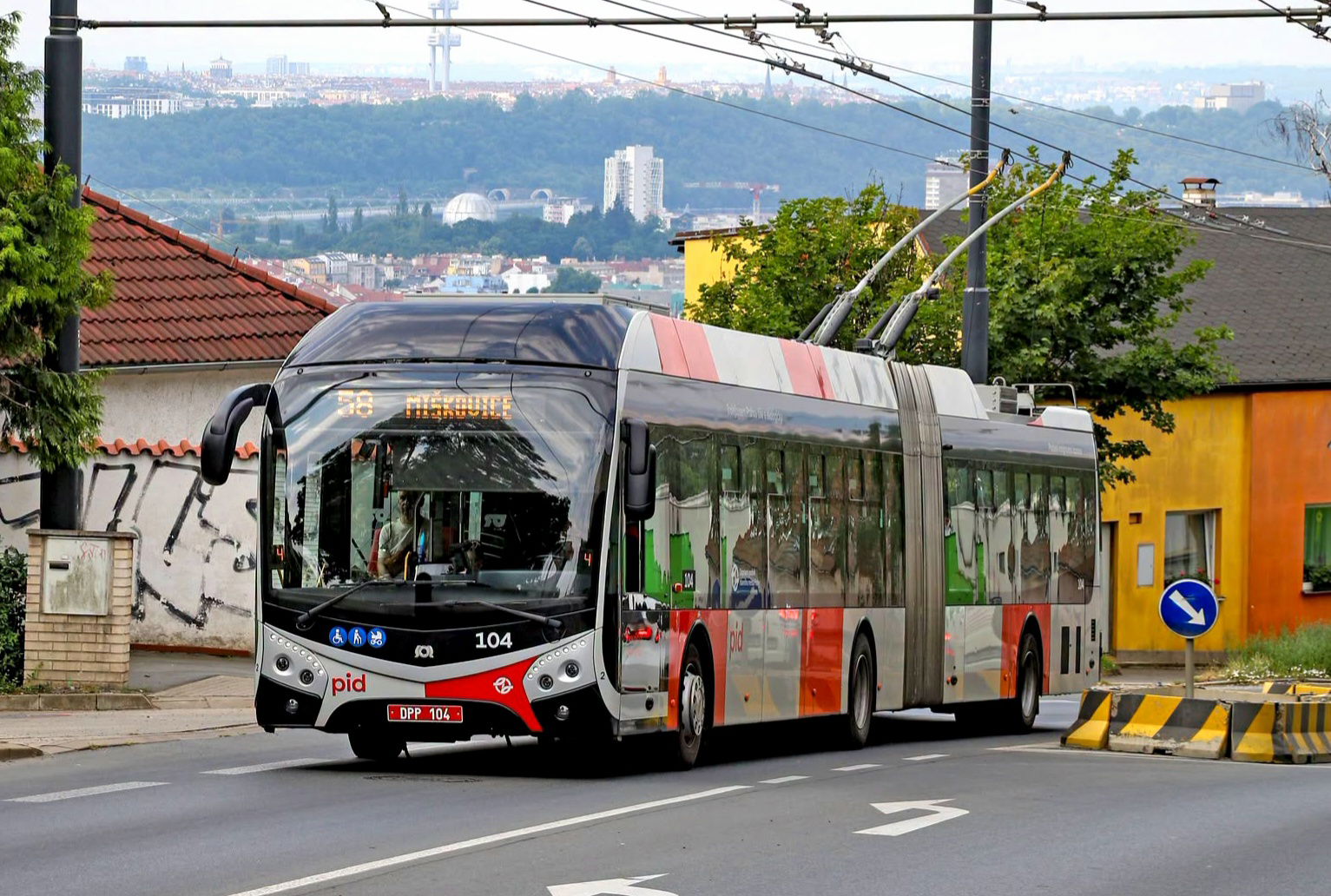
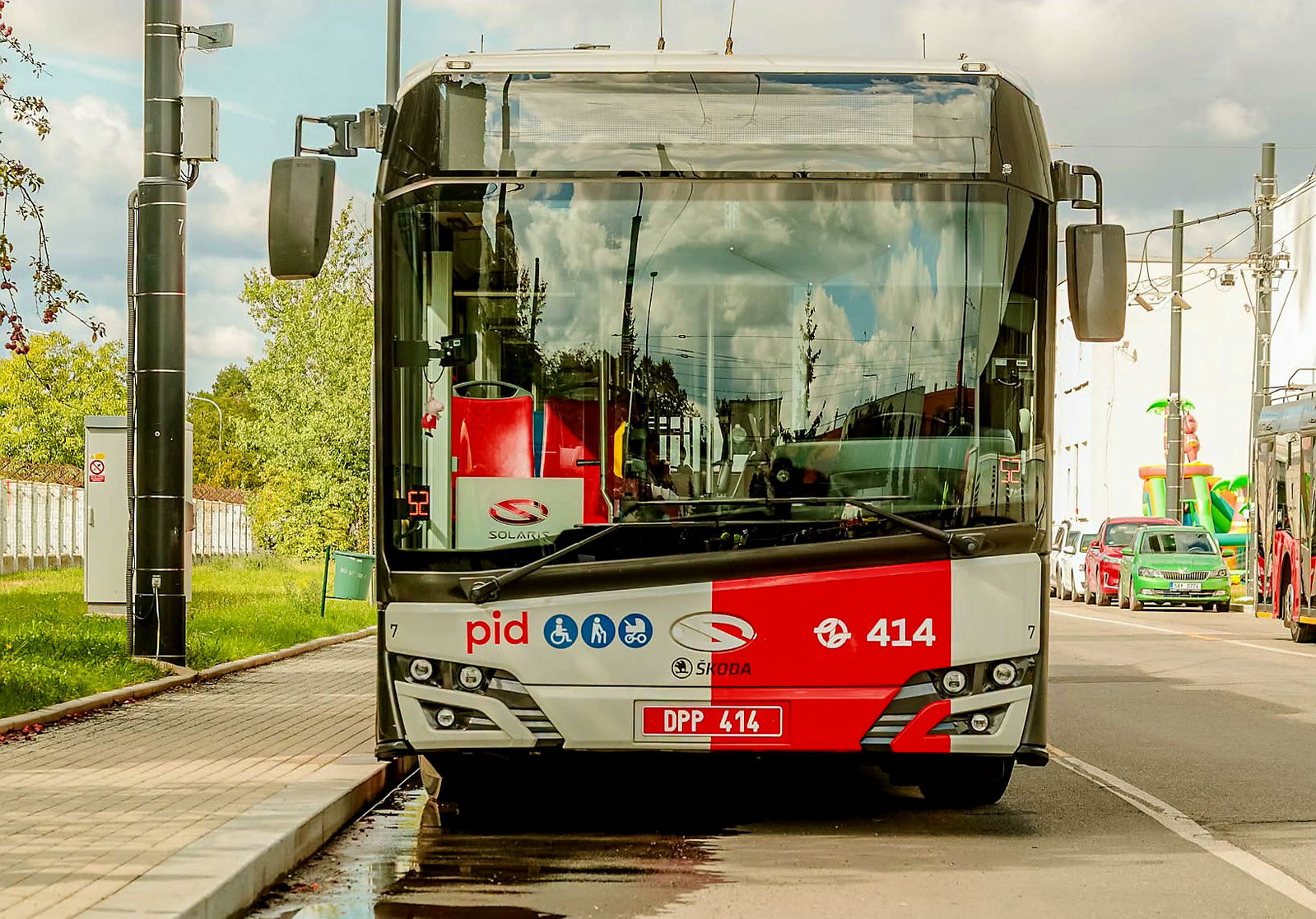
Prague’s public transport operator (Dopravní podnik hl. m. Prahy, DPP) has relaunched its large-scale trolleybus tender and is now seeking a supplier for up to 140 trolleybuses capable of battery-powered autonomous operation. The estimated value of the five-year framework agreement, covering 80 articulated and 60 solo vehicles, is CZK 2.64 billion. The current procedure is arepetition of the previously announced tender, originally aimed at procuring 180 trolleybuses, whichfollowing a legal challenge by Turkey’s Bozankaya, was ultimately annulled by the Czech competition authority. In the new tender, DPP has not only reduced the number of vehicles that can be procured, but has also amended the bid evaluation system, while retaining or introducing several eligibility and technical requirements that may continue to make participation more difficult for certain potential bidders.
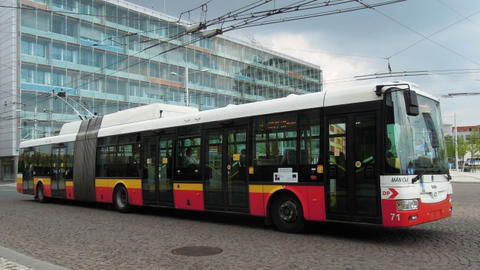
Under the procurement, Prague’s public transport operator intends to purchase up to 80 18-metre articulated trolleybuses and 60 12-metre solo trolleybuses. Given the framework nature of the contract, drawing down the full quantity is not mandatory, with individual orders potentially covering between one and 20 vehicles. The solo trolleybuses must be delivered within 12 months of the specific order, and the articulated vehicles within 14 months. The European Union’s IROP and TRANSGov programmes will also play a role in financing the investment.
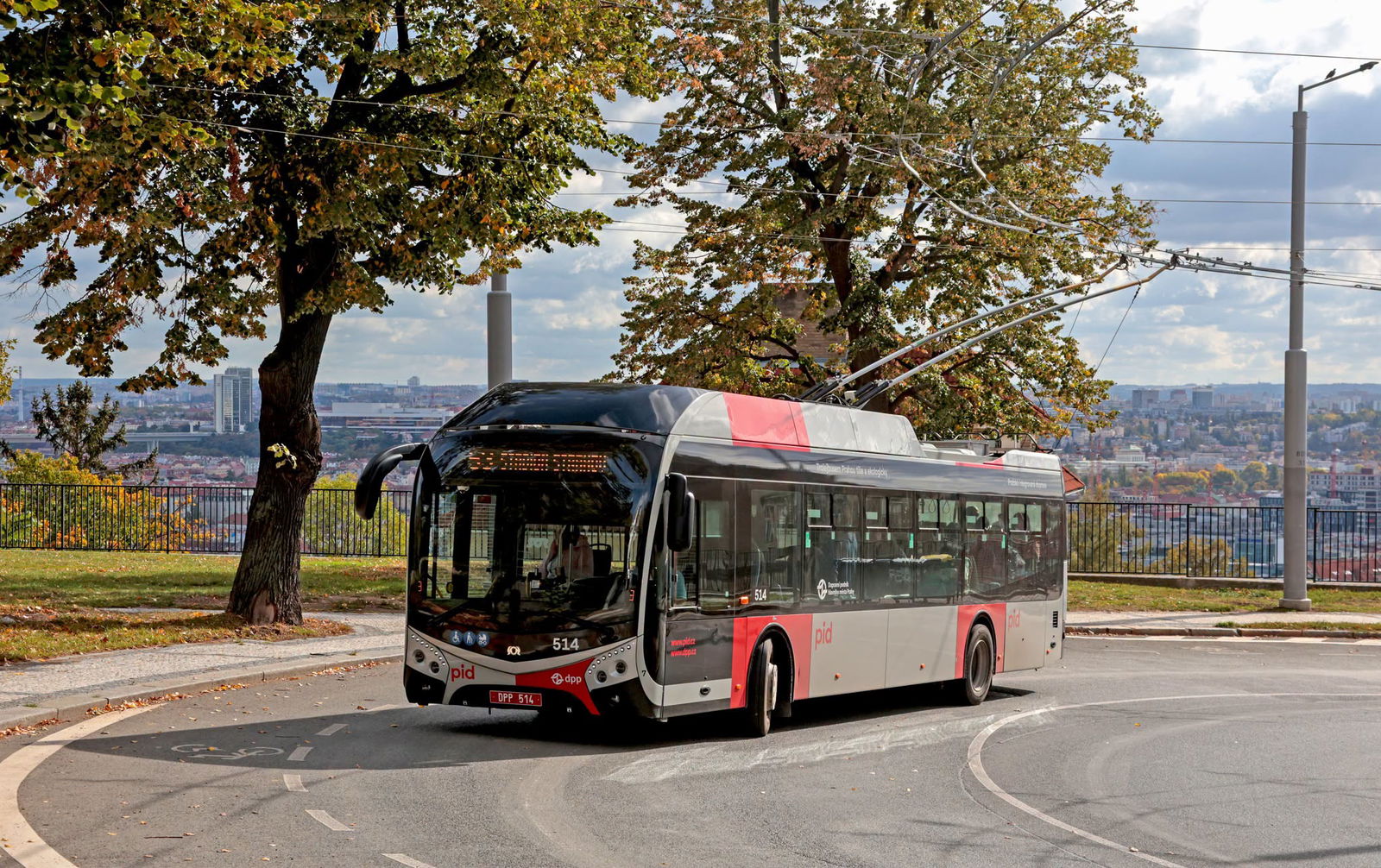
The tender does not cover vehicle procurement alone: DPP may also purchase up to 140 additional new traction batteries, 35 diagnostic hardware and software packages, and six portable charging units.
Battery-powered autonomous capability is a key element of the technical requirements. In both vehicle categories, a range of at least 20 kilometres must be guaranteed in off-wire operation throughout the full service life of the traction batteries. This requirement must be met with a full passenger load, stopping and exchanging passengers at every stop, and with heating or air-conditioning, ventilation and lighting needs appropriate to the season. The vehicles must have a design speed of at least 70 km/h in both overhead-wire and battery operation, and must enable the recovery of braking energy.
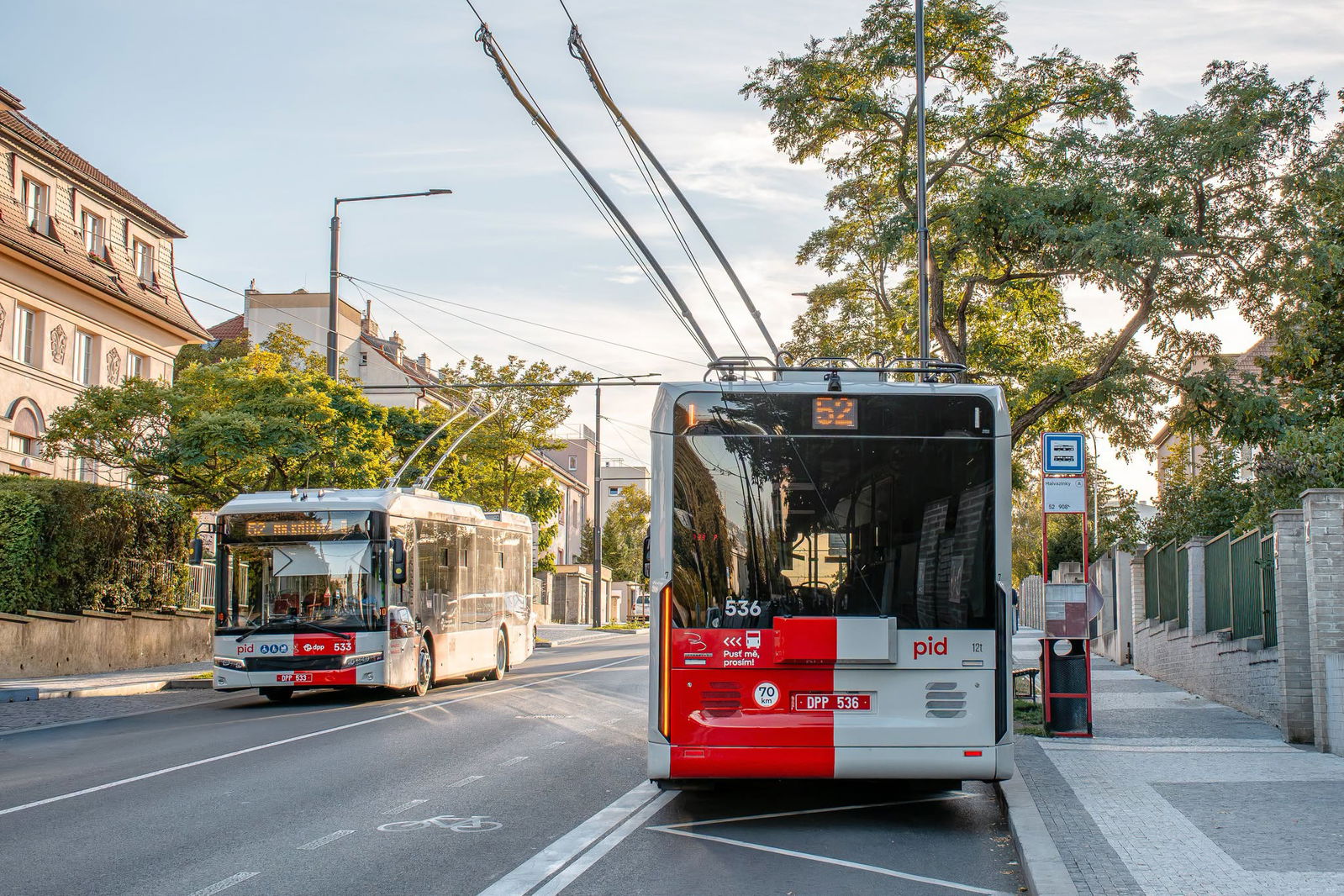
DPP requires a warranty of at least five years and a planned service life of 15 years for the vehicles, while for the traction batteries it requires a warranty of at least seven years or 420,000 kilometres, whichever comes first. The new trolleybuses must be equipped with full-vehicle air conditioning, modern passenger information and ticketing systems, passenger counting equipment and a camera system capable of recording images. A further specific requirement is that every third vehicle procured must also be fitted with spraying equipment to prevent icing of the overhead wires.
Further vehicles needed for network expansion
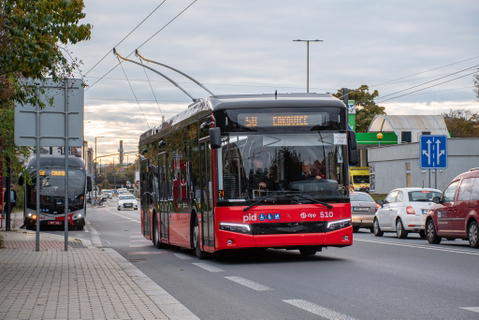
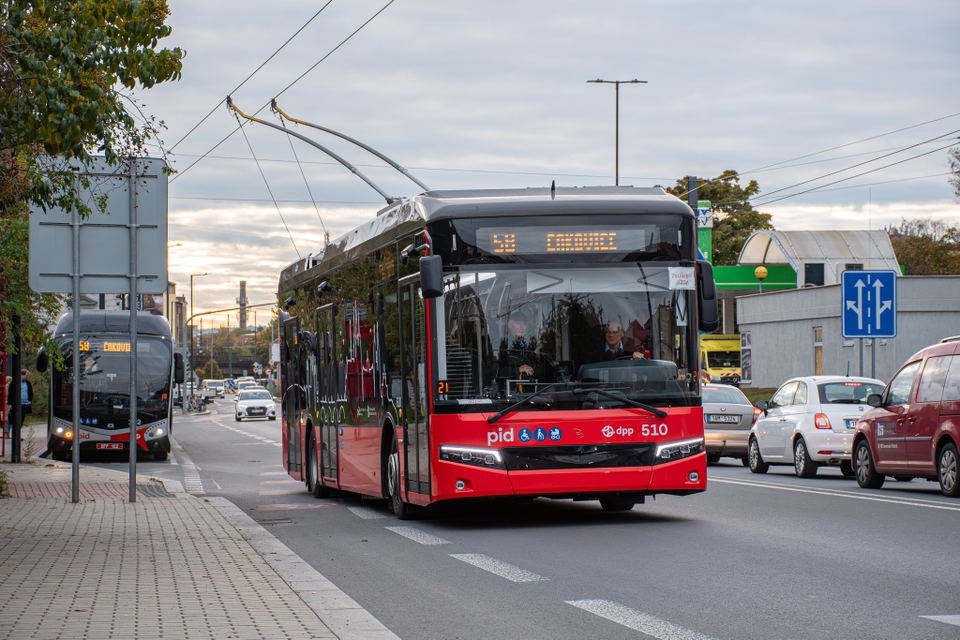
The procurement is underpinned by Prague’s ongoing trolleybus network development programme, under which an increasing number of bus routes are being converted for operation by trolleybuses using overhead wires on some sections and batteries on others. In recent years, trolleybuses have already replaced buses on routes 58 and 59, while conversion also began on routes 51, 52 and 53 in 2026. In the next phase of development, articulated vehicles will be needed, among other things, for the electrification of routes 150, 158 and 184, but they may also appear on routes 142 and 225. The electrification of bus route 136 in the north-east of the city, as well as the further expansion of the fleet on the existing trolleybus route 58, are also on the agenda.
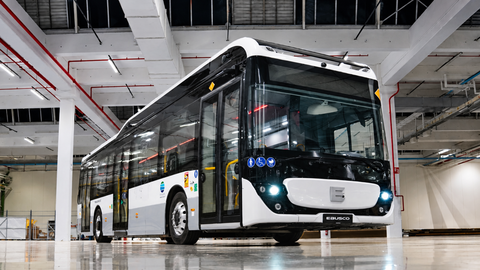
DPP currently has a single valid framework agreement for trolleybus deliveries, concluded with Turkey’s Bozankaya for 70 solo vehicles. Of these, 30 trolleybuses have so far been ordered, 28 of which have already entered the ownership of the public transport operator. The company plans to place orders for the remaining 40 vehicles as well, intending to use them primarily for the planned electrification of bus routes 191 and 201.
The public transport operator aims to align the procurement of the new vehicles with the construction of overhead-wire and charging infrastructure, allowing scheduled services to begin on the planned trolleybus routes at the same time as construction work is completed. The importance of this is clearly demonstrated by the experience of previous trolleybus procurements in Prague. The entry into service of articulated SOR TNS 18 trolleybuses built through the cooperation of Cegelec and SOR was delayed, among other reasons, by spare-parts supply problems, while the acceptance of Turkey’s Bozankaya solo vehicles was delayed for months by technical and documentation shortcomings. The full batch of 30 of the latter had already arrived in Prague in May 2026, but their phased acceptance could only begin in September. In both cases, therefore, the infrastructure required to operate the trolleybus routes had already been completed, while the vehicles procured specifically for these routes were not yet available in the planned numbers.
Competition may reopen following the failure of the previous tender
The predecessor to the current public procurement was DPP’s earlier procedure for up to 180 battery trolleybuses, which was ultimately annulled by the Czech competition authority. The dispute was primarily triggered by the fact that, in addition to the purchase price and warranty conditions, the contracting authority also made bidders’ previous delivery experience part of the evaluation of bids.
The requirement was challenged by Bozankaya, which was excluded from the procedure, leaving Škoda Electric as the only bidder still in contention. According to the competition authority’s finding, supplier experience may be taken into account when assessing technical suitability, but cannot be used in this form as a bid evaluation criterion.
In the new tender, the bid price forms the basis of the evaluation with a weighting of 50%, while the duration of the vehicle warranty is worth 20% and the battery warranty 10%. A further 10% weighting is assigned in each case to whether the offered solo and articulated trolleybus types have type approval issued in the Czech Republic or another accepted European country.
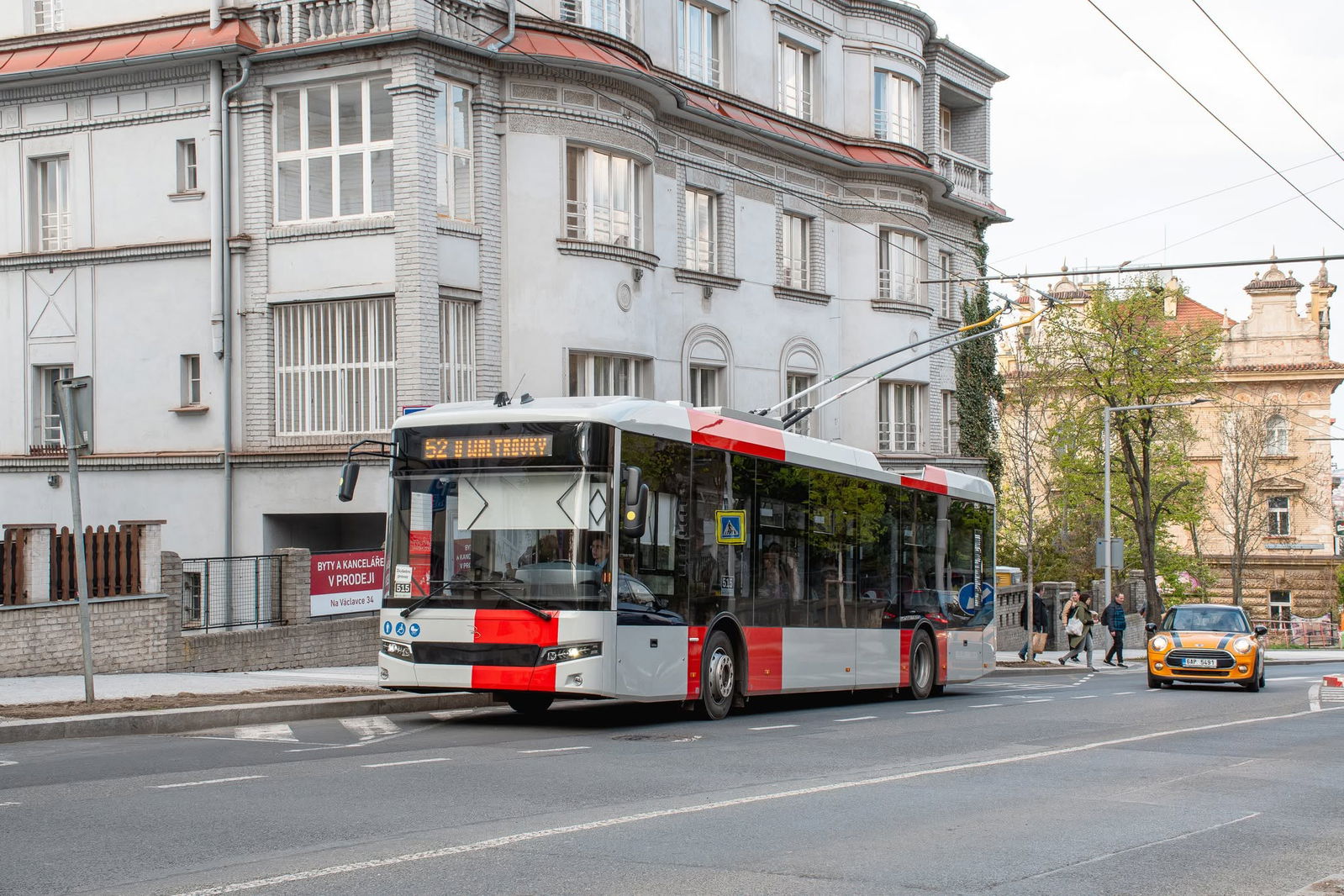
Under the amended conditions, Bozankaya’s participation is in principle possible once again, but the tender contains several requirements that may still present serious obstacles in practice for the Turkish manufacturer and other potential competitors.
DPP, for example, requires detailed information on where the installation and final commissioning of the vehicles’ electrical equipment, traction batteries and current-collection system will take place. This may be a particularly sensitive issue for Bozankaya, as the company carries out the mechanical vehicle structure work and final assembly in Turkey, while its electrical drive system is supplied by the European company Medcom. In addition, Czech public procurement legislation in certain cases permits the exclusion of bids containing products originating from third countries where the proportion of products of EU origin does not reach the prescribed threshold.
Participation may also be restricted by the economic eligibility requirements. According to the tender, bidders must demonstrate annual turnover of at least CZK 800 million in each of the previous three years. In addition, in the case of vehicle types not yet approved, the planned location for type testing in accordance with Czech regulations must be specified already at the tendering stage. This may pose particular difficulties for manufacturers that do not have suitable testing infrastructure in the Czech Republic or a local cooperation partner.
Moreover, a relatively short deadline has been set for submitting bids: they must be prepared and submitted by 27 November 2026, meaning that a preparation period of barely one month may be a further factor restricting competition due to the need to obtain the required official documents.