![Magyarbusz [Info]](/mbi/header-logo.png)
Three decades, three generations: MAN Lion’s Coach turns 30
This year marks the 30th anniversary of the unveiling of the Lion’s Coach, which has become the defining model and flagship of MAN’s coach range. Over the past three decades, the model has evolved from a design originally conceived as a more affordable touring coach into one of the lion-branded manufacturer’s key international product families, while across three generations its technical content, comfort and safety equipment have continually adapted to the changing requirements of long-distance coach transport. And after 30 years, the story has reached another important milestone: on the basis of the current, third generation, MAN has already created a fully electric version of the Lion’s Coach, series production of which will begin in Ankara in the anniversary year, 2026.
The story of the Lion’s Coach began in the mid-1990s, when MAN decided to develop a more affordable coach positioned below the German-built, top-of-the-range Lion’s Star. MAN’s engineers in Ankara also took part in creating the new model, and the design was tailored primarily to the needs of the Turkish, as well as Central and Eastern European, markets. The aim was to create a coach that still relied technically on MAN solutions, but had a simpler design and a more modest equipment offering, making it accessible to a wider customer base than the Lion’s Star thanks to its lower price.
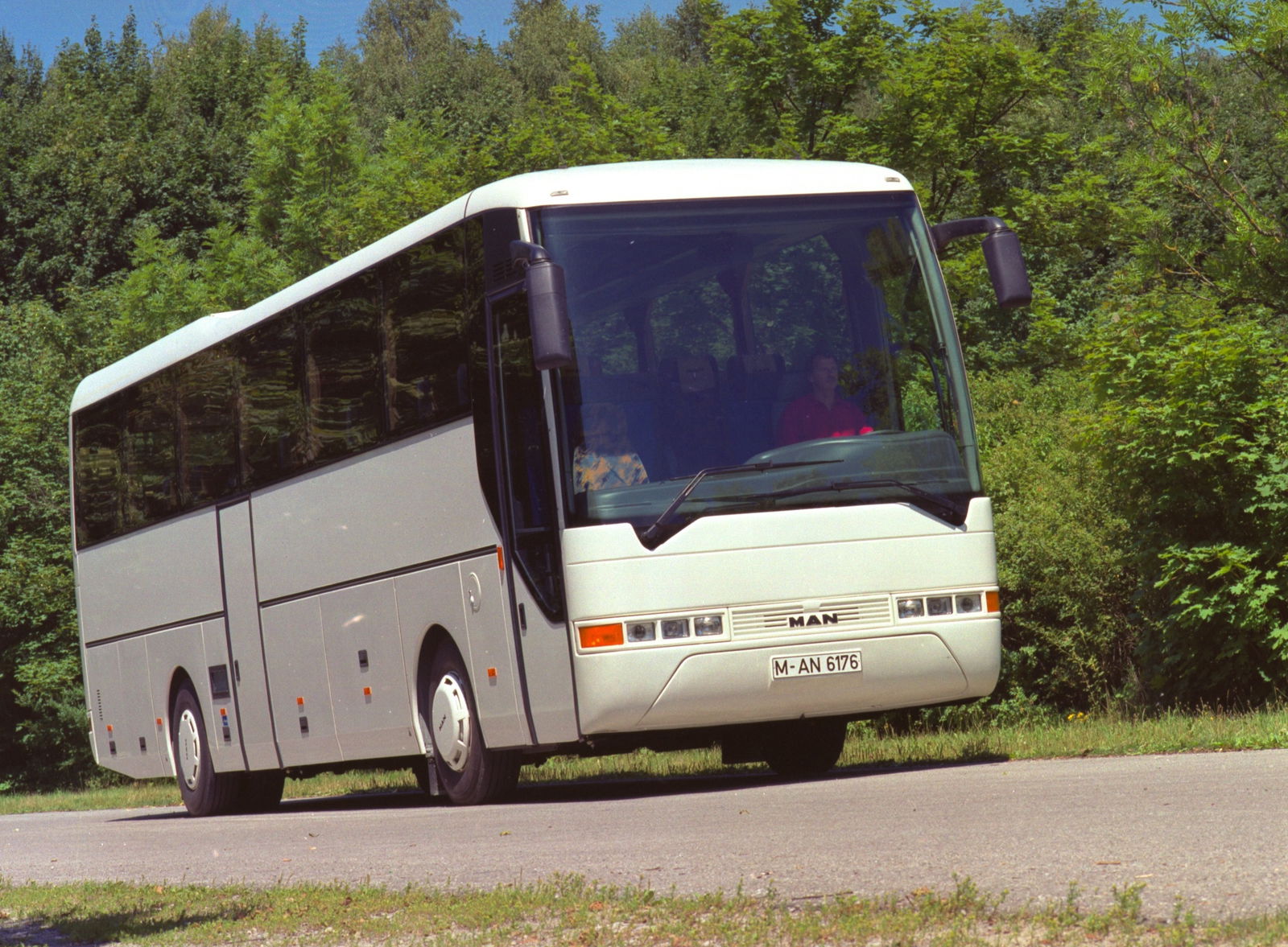
At the same time, the first Lion’s Coach was not born as an entirely independent design: above all, a shared chassis concept created a technical kinship with the higher-priced Lion’s Star. Costs were kept under control mainly through a simpler body structure, less complex styling solutions and a much narrower list of extras than on the German-built models, while production in Ankara helped reduce the price further thanks to a more favourable cost base than in Germany. At that time, Ankara, chosen as the production site, was still far from playing the central role in MAN coach manufacturing that it would later acquire, partly thanks to the success of the Lion’s Coach.
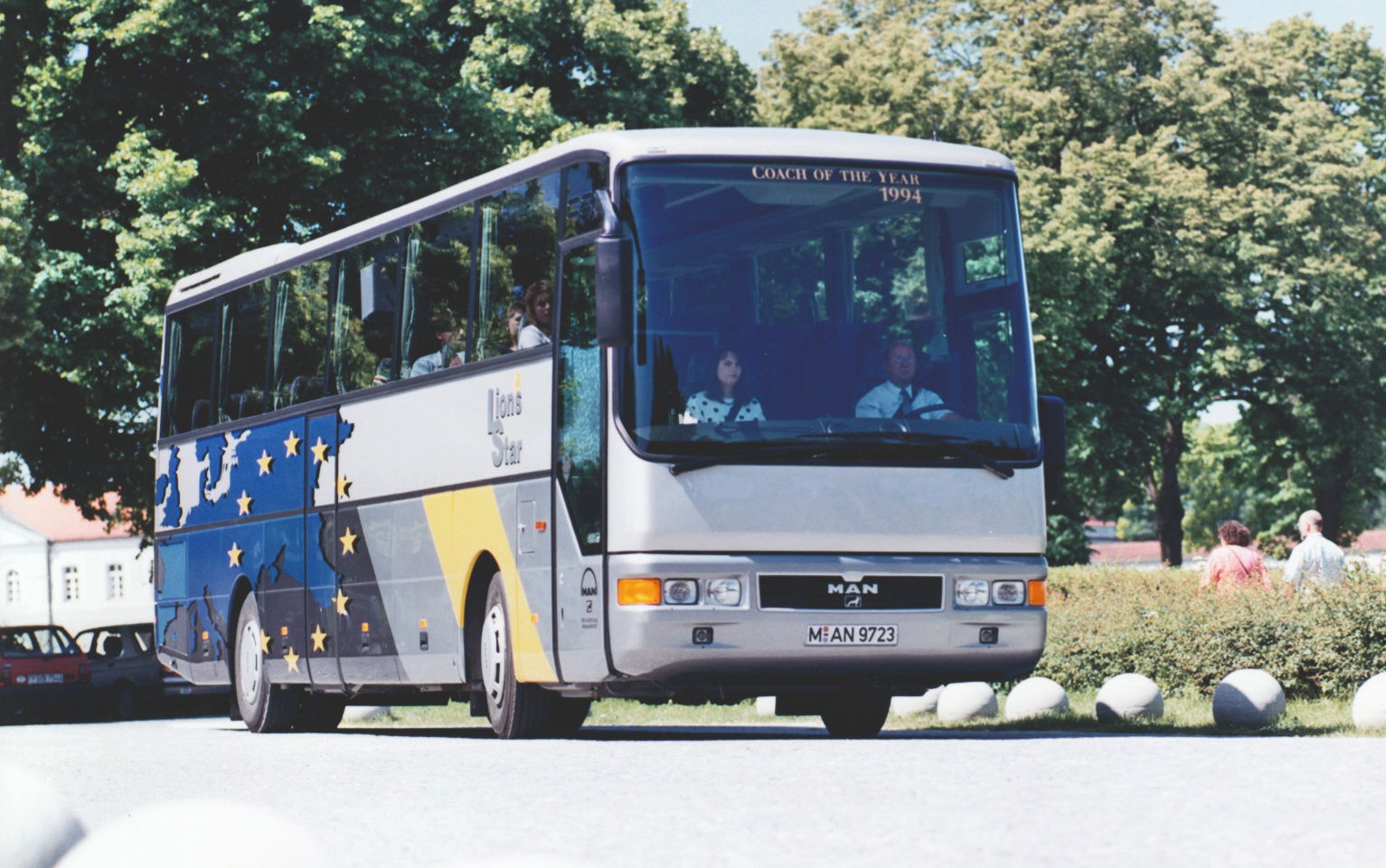
The first generation of the Lion’s Coach was initially produced exclusively as a 12-metre, two-axle version, with the factory type code A13. Its cost-conscious positioning was also reflected in its exterior appearance: the body was characterised by simple, restrained lines, and it featured far fewer individual styling details than the higher-class models built in Germany. The 2.5-metre-wide and 3.53-metre-high coach could carry 44–49 passengers depending on the seating layout, while offering a luggage compartment of 10 cubic metres. Power was provided by the well-proven six-cylinder MAN D2866 and D2876 diesel engines of the period, with outputs ranging from 400 to 460 hp, paired with an eight-speed ZF manual gearbox.
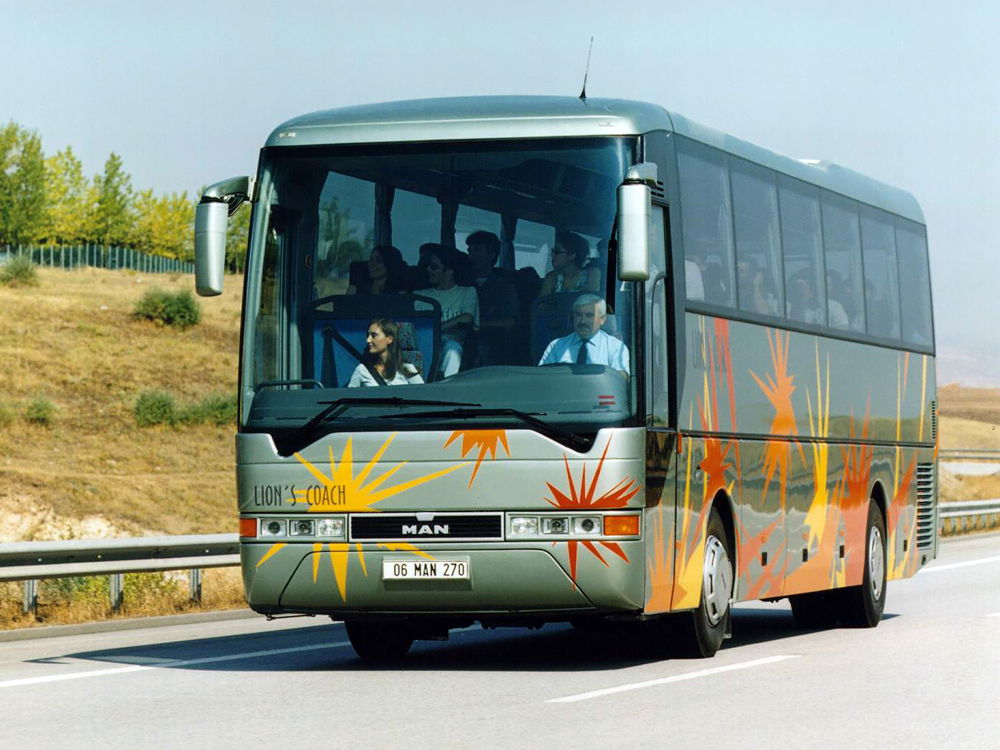
The range was expanded only towards the end of the first generation’s career: two years before the generational change, the 13.7-metre-long, three-axle A32 appeared on the market under the name Lion’s Top Coach. The larger version could already accommodate 52–57 passengers, while its luggage capacity increased to 14 cubic metres. It also brought technical innovations within the Lion’s Coach family: the A32 received an electronically controlled EBS braking system and a steered third axle, the latter giving it a turning circle of 21.9 metres despite its 13.7-metre length.
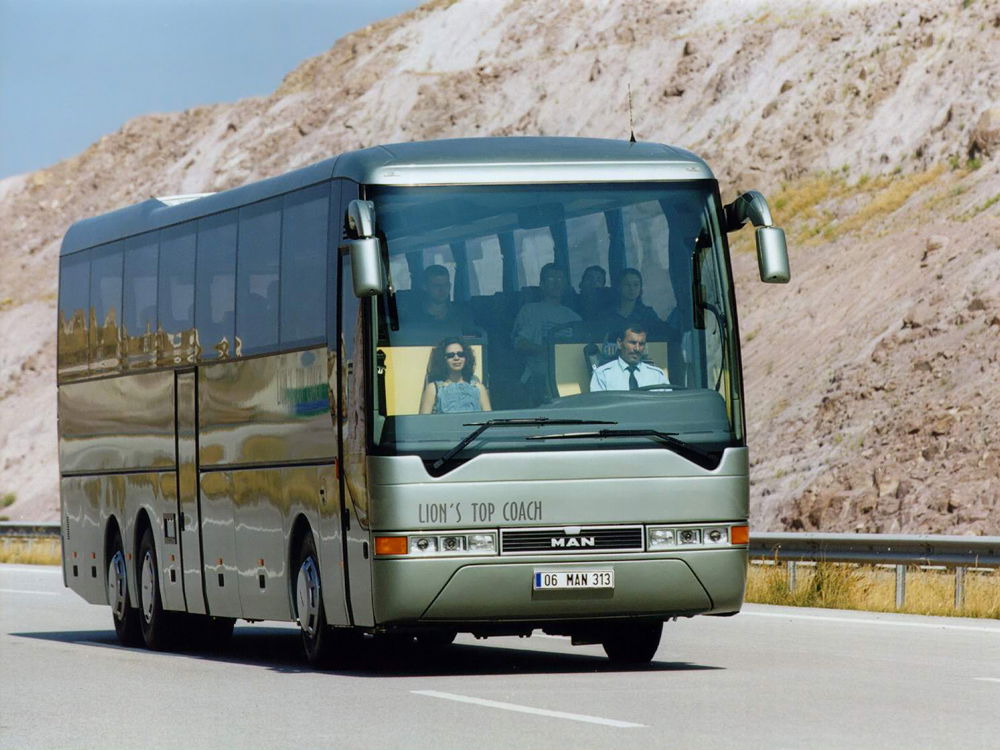
However, the model originally created primarily for Turkey and Central and Eastern Europe soon outgrew the role intended for it. Thanks to its favourable price-to-value ratio, it found an increasing number of buyers in Western Europe as well, initially mainly among smaller private operators and later in larger fleets too. More than 2,300 units of the first generation were built in Ankara over seven years, around 400 of them in three-axle form.
The type’s greater-than-expected success also laid the foundations for MAN to bring the Lion’s Coach much closer, with the next generation, to the Lion’s Star originally positioned above it.
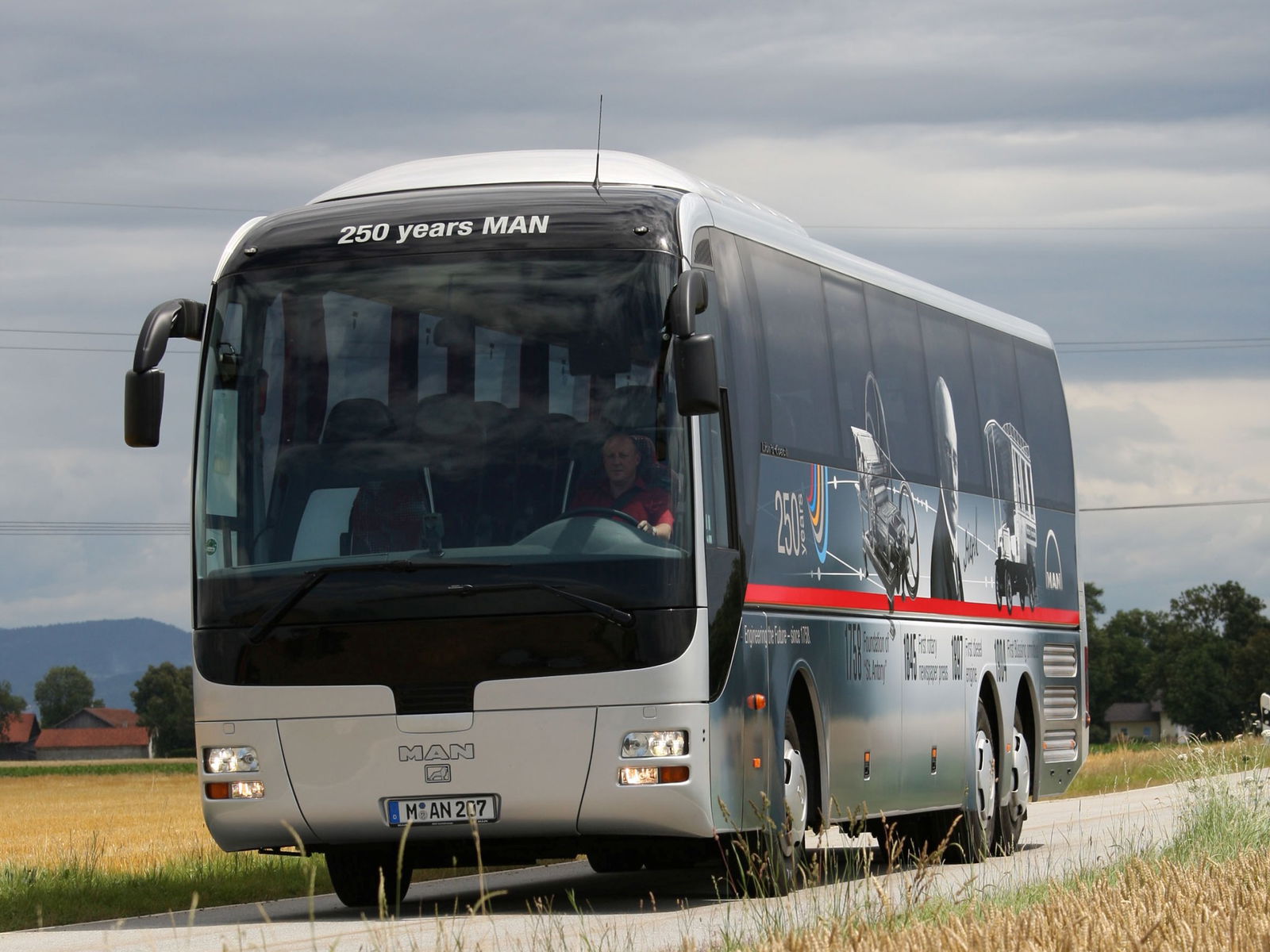
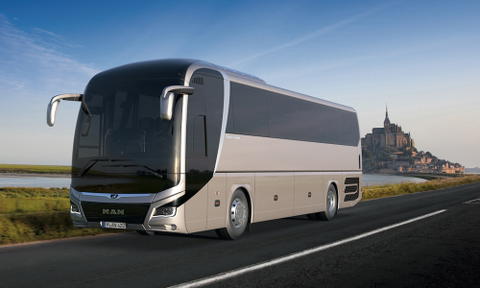
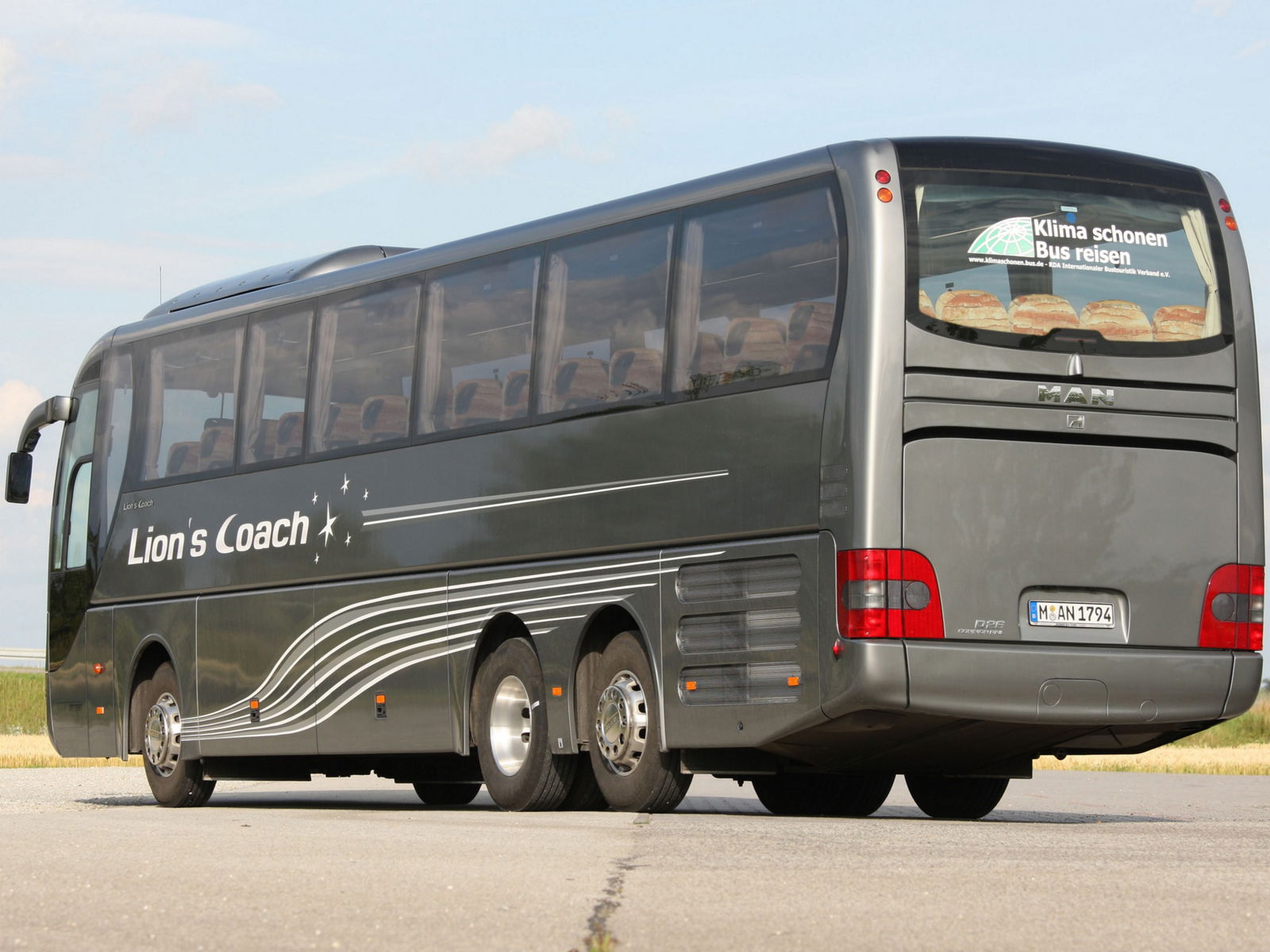
The next major chapter in the history of the Lion’s Coach began in 2002, when MAN introduced the fundamentally revised second generation of the model, which by then had achieved serious market success. With the model change, the coach originally intended as a more affordable alternative moved significantly closer, both technically and in appearance, to the brand’s top model of the time, the Lion’s Star. MAN adopted numerous solutions from the more expensive sister model, while largely standardising major assemblies between the two types: common components were used, among other areas, in the engines, axles, suspension, steering and braking systems, and frame structure. The use of identical components that could be produced in larger volumes also reduced production costs, allowing the Lion’s Coach to retain one of its most important strengths: its favourable price-to-value ratio.
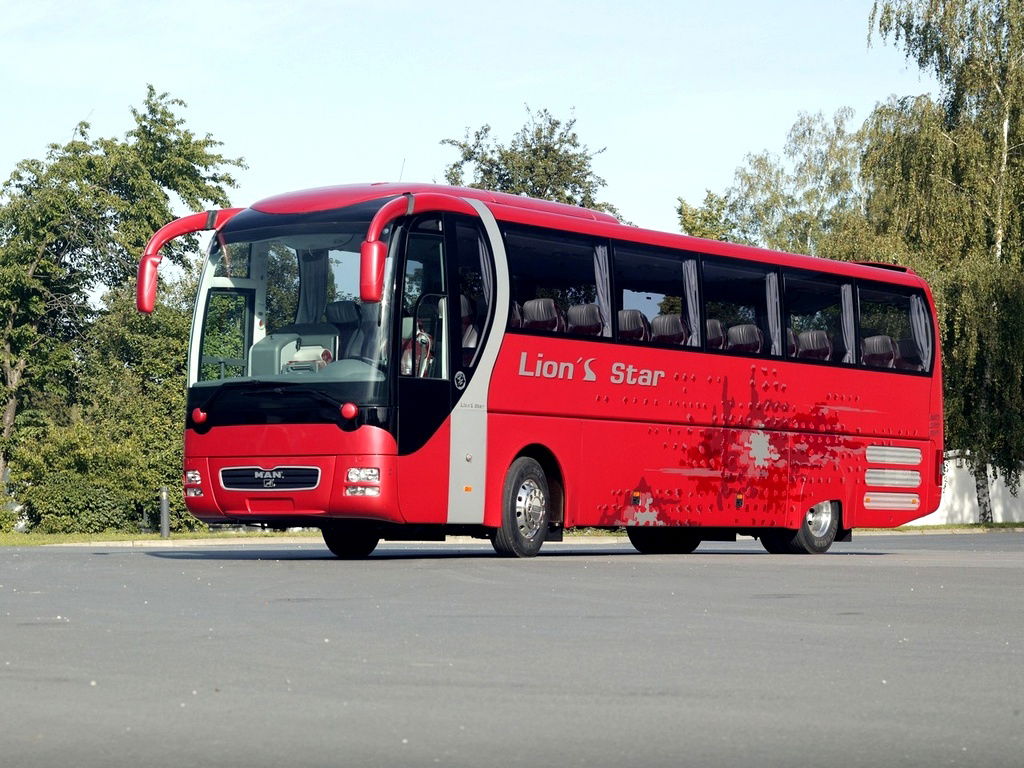
The change was also striking from the outside. The styling of the new body was deliberately brought closer to that of the Lion’s Star, while the body, 50 millimetres wider and 282 millimetres higher than before, enabled a larger passenger compartment and greater luggage capacity. Distinctive features included the roof-mounted air-conditioning unit pulled forward over the front axle, as well as the significantly enlarged windscreen, whose lower edge extended almost down to the upper line of the luggage compartment doors. The redesigned C-pillar also became one of the defining elements of the appearance: its curve not only reinforced the Lion’s Coach brand identity, but also fulfilled a structural role, helping the body meet the requirements of the ECE R66 regulation in the event of a rollover.
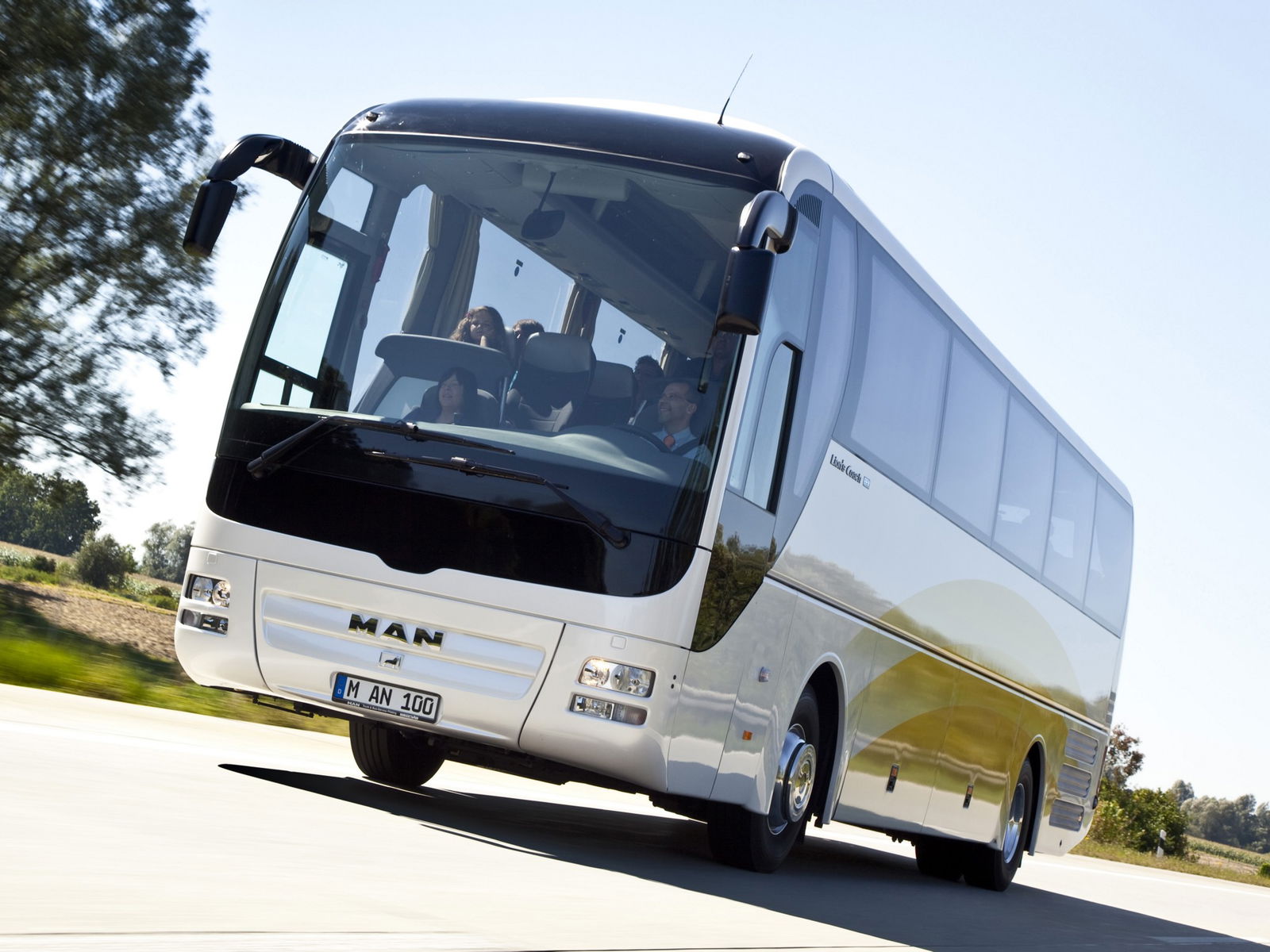
The exterior appearance of the second generation changed several times during its long, 15-year career. On early versions, the area below the windscreen on the front end still consisted of a completely flat panel surface with a simple MAN inscription. This was later replaced by the characteristic ribbed radiator grille, which created a stylistic link between the Lion’s Coach, the regional Lion’s Regio and the urban Lion’s City. With the arrival of Euro 6 engines, a silver decorative element bearing the MAN emblem was added between the grille and the windscreen, while towards the end of the model cycle a black insert appeared between the headlights, following the design language of MAN’s entire commercial vehicle range at the time.
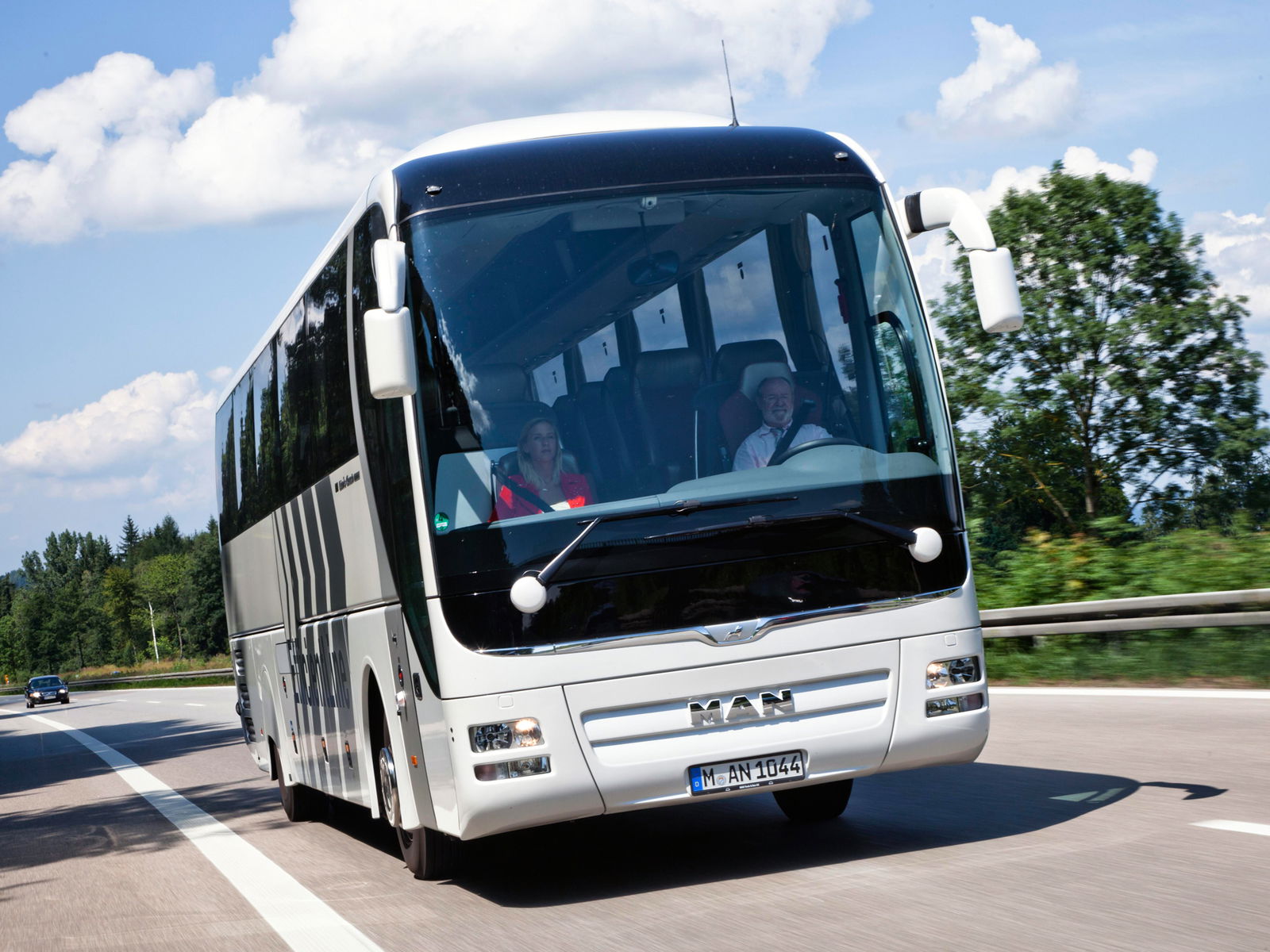
The driveline also developed continuously. The second generation was initially built with MAN D2866 LOH29 and D2876 LOH02 diesel engines, producing 410 and 460 hp respectively and meeting Euro 3 emissions standards. With the introduction of Euro 4, the D2866 units in the two-axle versions were replaced by the 10.8-litre D2066 engine family, while the 12.4-litre D2676 became the dominant engine in the larger variants. A similar evolution took place in the transmissions: the initial six-speed ZF 6S-180 manual gearbox was first superseded by a newer generation of ZF EcoShift, and then, as standard equipment, by the automated MAN TipMatic. The entire driveline was mounted on a separate auxiliary frame, allowing it to be removed as a single unit during repairs, reducing workshop time and maintenance costs.
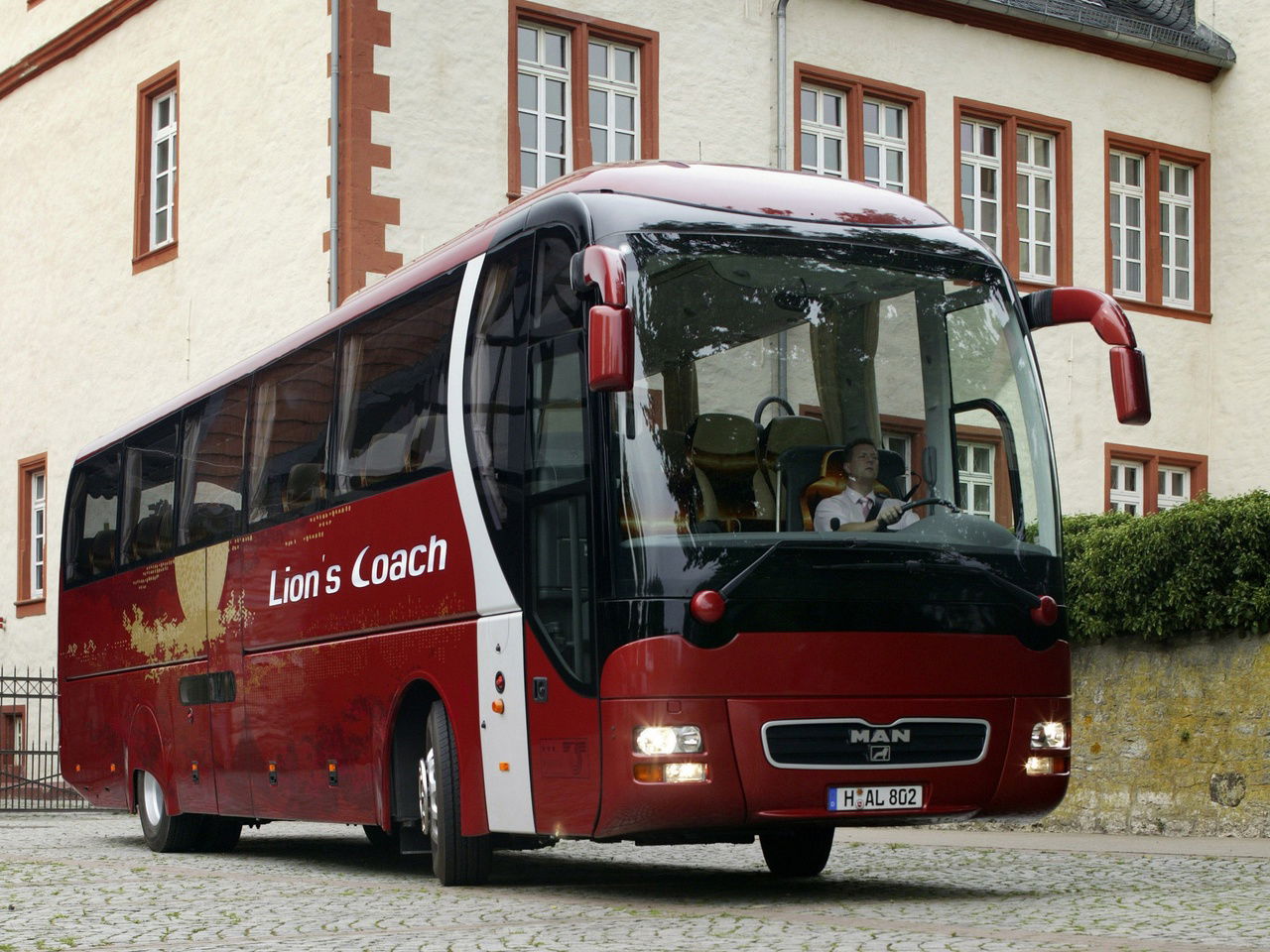
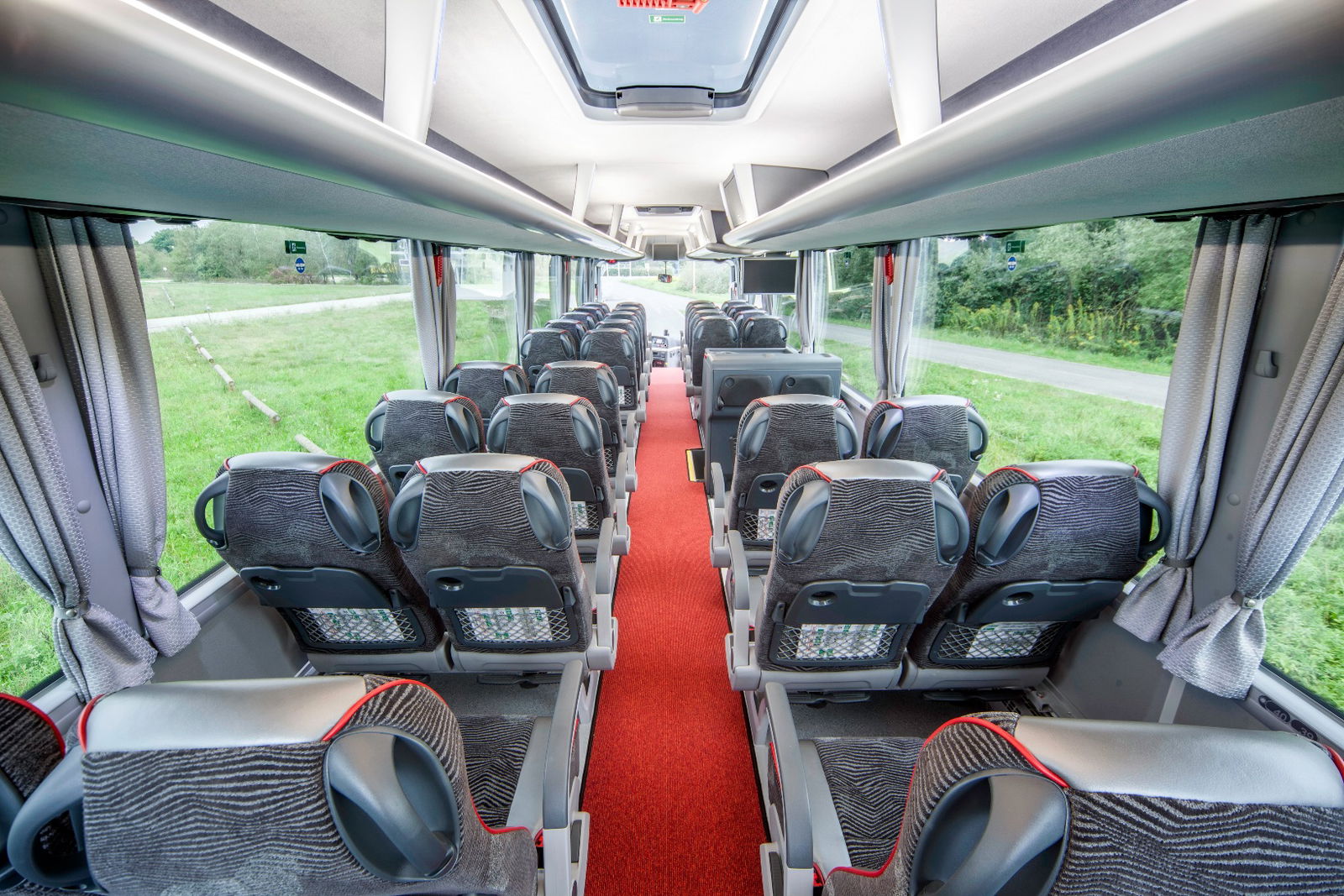
The influence of the Lion’s Star was also strongly felt in the passenger compartment. The interior design was brought closer to that of the premium model, with the main differences lying primarily in the simpler upholstery, open luggage racks and conventional monitors. Although the Lion’s Coach continued to target more price-sensitive operators, customers could already choose from eight different interior layouts, and the type was offered in three-, four- and even five-star coach configurations.
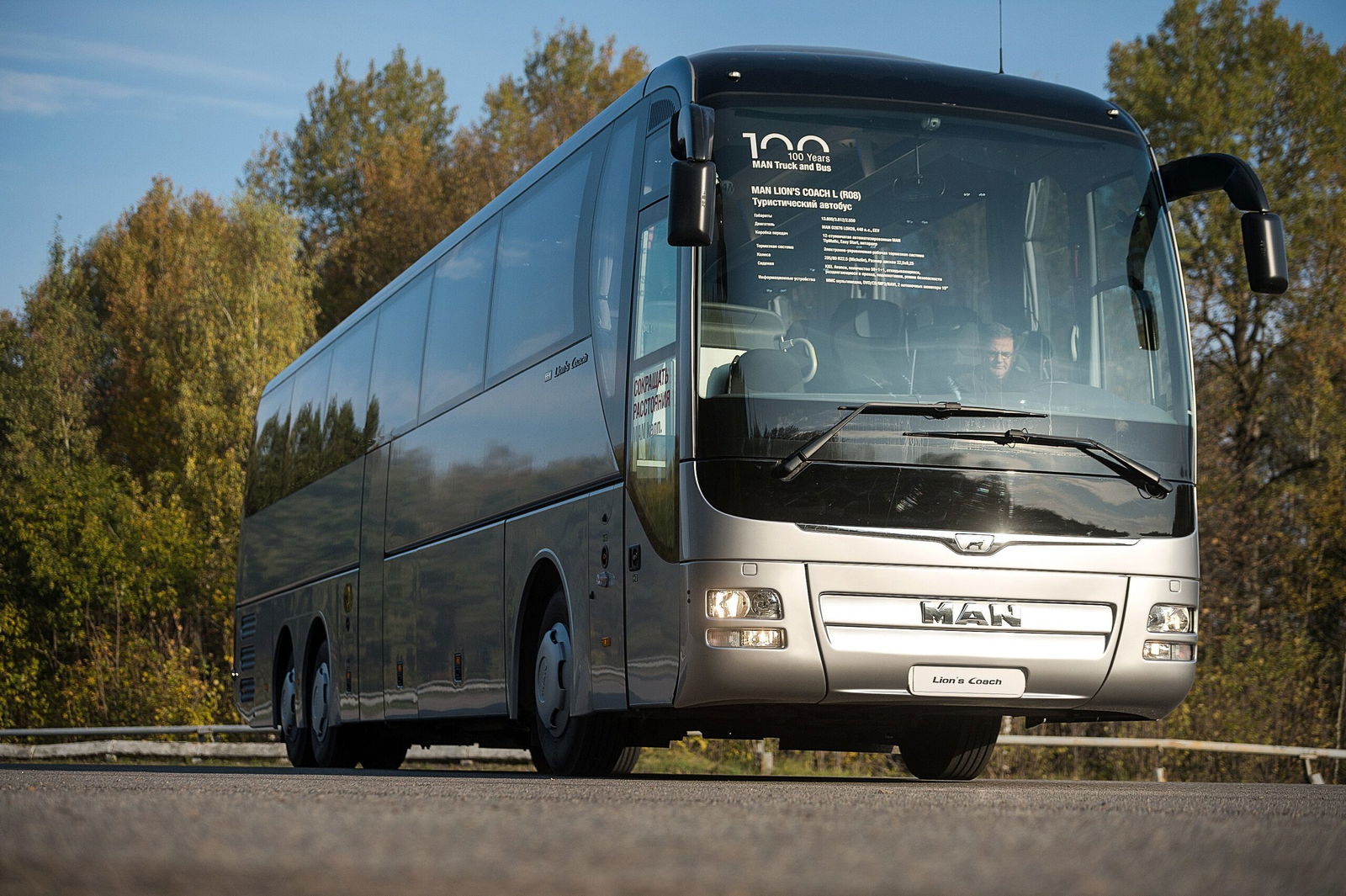
The model family continued to expand over time. Alongside the 12-metre, two-axle R07, the range gained the 13.26-metre-long, three-axle R08, which later continued its career under the name Lion’s Coach C. The top of the range was the 13.8-metre, also three-axle R09, marketed as the Lion’s Coach L. The success of the second generation ultimately reshaped MAN’s coach offering in a fundamental way. The Lion’s Coach became a serious rival to models including the Volvo 9700, VDL Bova Futura, Mercedes-Benz Tourismo and Irizar Century, and by the end of 2016 the 7,500th second-generation unit had left the Ankara plant.
The model’s rise also sealed the fate of the Lion’s Star, whose cheaper alternative the Lion’s Coach had originally been a decade earlier. As the Lion’s Coach grew in popularity, following MAN’s takeover of Neoplan and Ankara’s emergence as a competence centre for coach production, MAN discontinued production of the Lion’s Star when the Euro 4 emissions standard was introduced. The place left at the top of the range was then taken by the Lion’s Coach Supreme, which carried forward the premium role of the former flagship with richer equipment, a prominent silver C-pillar, body-coloured exterior mirrors, special decorative elements, and an interior enhanced with leather and wood inserts. In barely a decade, the original model hierarchy had essentially been reversed: the Lion’s Coach, once created as a more affordable alternative to the Lion’s Star, had itself become the defining model in MAN’s coach range.
The final major step in the development of the driveline was the arrival of the Euro 6 D26 engines. In the 12.4-litre common-rail power units, MAN now used two-stage turbocharging, while compliance with stricter emissions requirements was handled by exhaust aftertreatment combining EGR exhaust gas recirculation, an SCR system and a particulate filter. For the three-axle Lion’s Coach models, the D26 was available in versions producing up to 480 hp.
By the end of the model cycle, the automated MAN TipMatic had also been developed significantly further: the 12-speed transmission enabled faster gear changes, while its dedicated manoeuvring function provided exceptionally smooth forward and reverse movement. The downhill brake control system supported the driver on longer descents.
In the spirit of more economical operation, the EfficientLine version also appeared, using a longer final drive ratio, a 12-speed TipMatic transmission and the high torque available from the D26 at low engine speeds to further reduce fuel consumption. This could later be combined with MAN EfficientCruise: the GPS-based predictive cruise control knew the topographical profile of the route and regulated the vehicle’s speed and the operation of the driveline accordingly, with foresight. Before an incline, it used the vehicle’s momentum, and near the crest it could even disengage the driveline. The system offered four operating settings and, according to a contemporary test, could reduce fuel consumption by at least three percent on its own.
The range of safety and driver assistance systems also expanded gradually. During the second generation’s career, ESP electronic stability control appeared, followed by the LGS lane departure warning system, automatic tyre pressure monitoring and the EBA emergency brake assist. EBA detected hazardous situations using information from radar and a camera behind the windscreen, and could initiate emergency braking autonomously if necessary.
ACC adaptive cruise control also became available as an option. Its radar sensor was integrated into the front end, which is why the black front mask element introduced during a later model update was specifically designed to be permeable to radar waves. By the end of the model cycle, the driver’s workplace had also become more modern: a multifunction steering wheel, touchscreen multimedia system and driver assistance controls grouped in one place appeared, while LED passenger service panels were also available in the passenger compartment. By the time the next generational change arrived, the second Lion’s Coach generation could be ordered with a wide range of driver assistance and efficiency-enhancing technologies expected of modern coaches of the era, meaning the new generation had to build on the legacy of a technically mature predecessor.
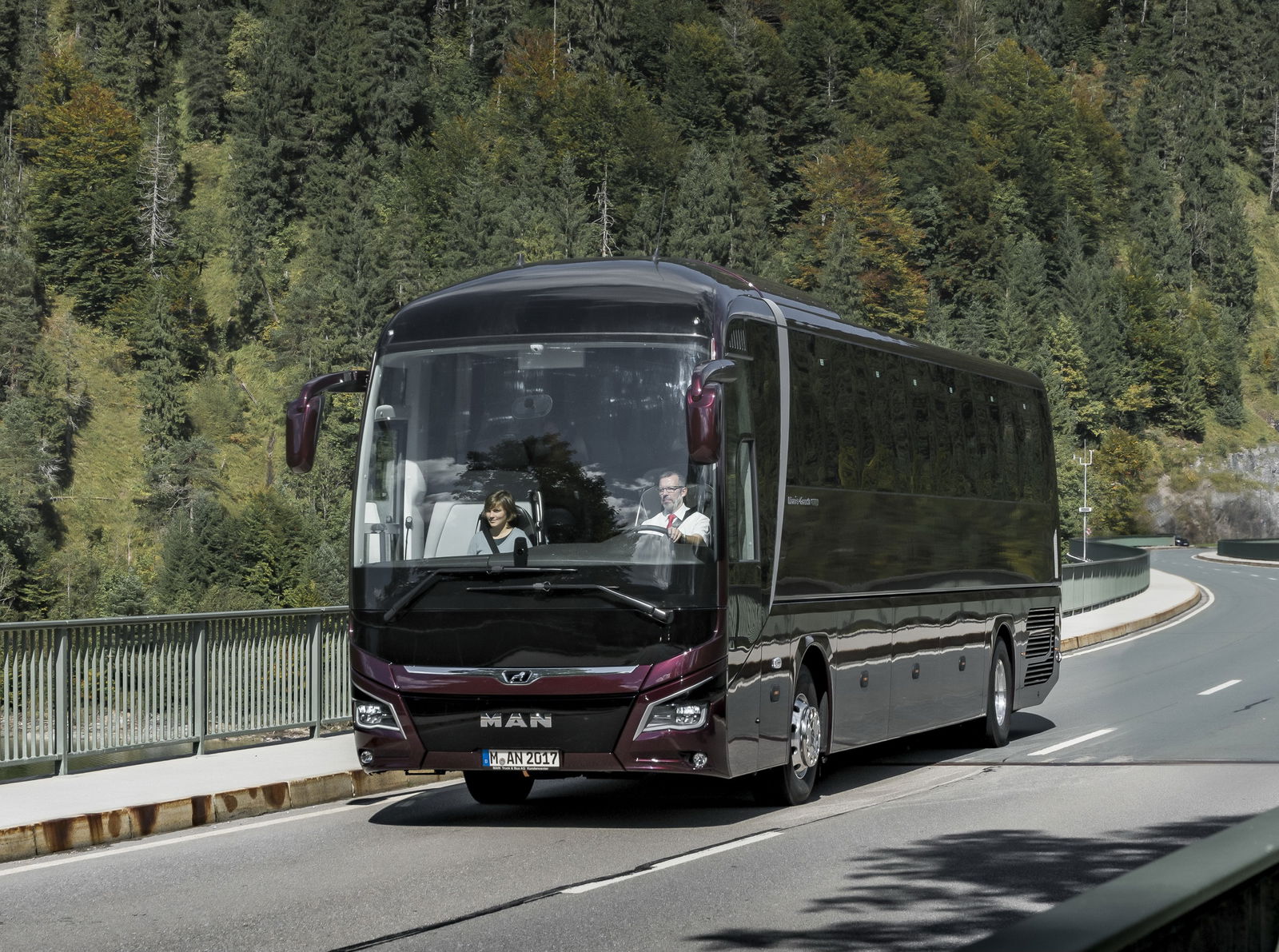
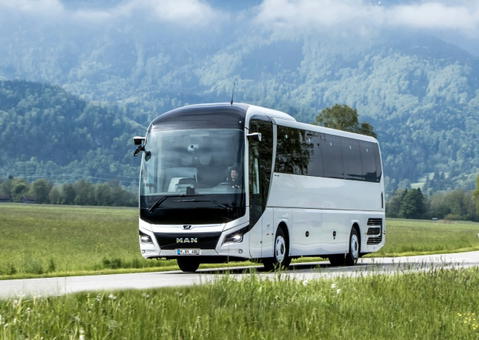
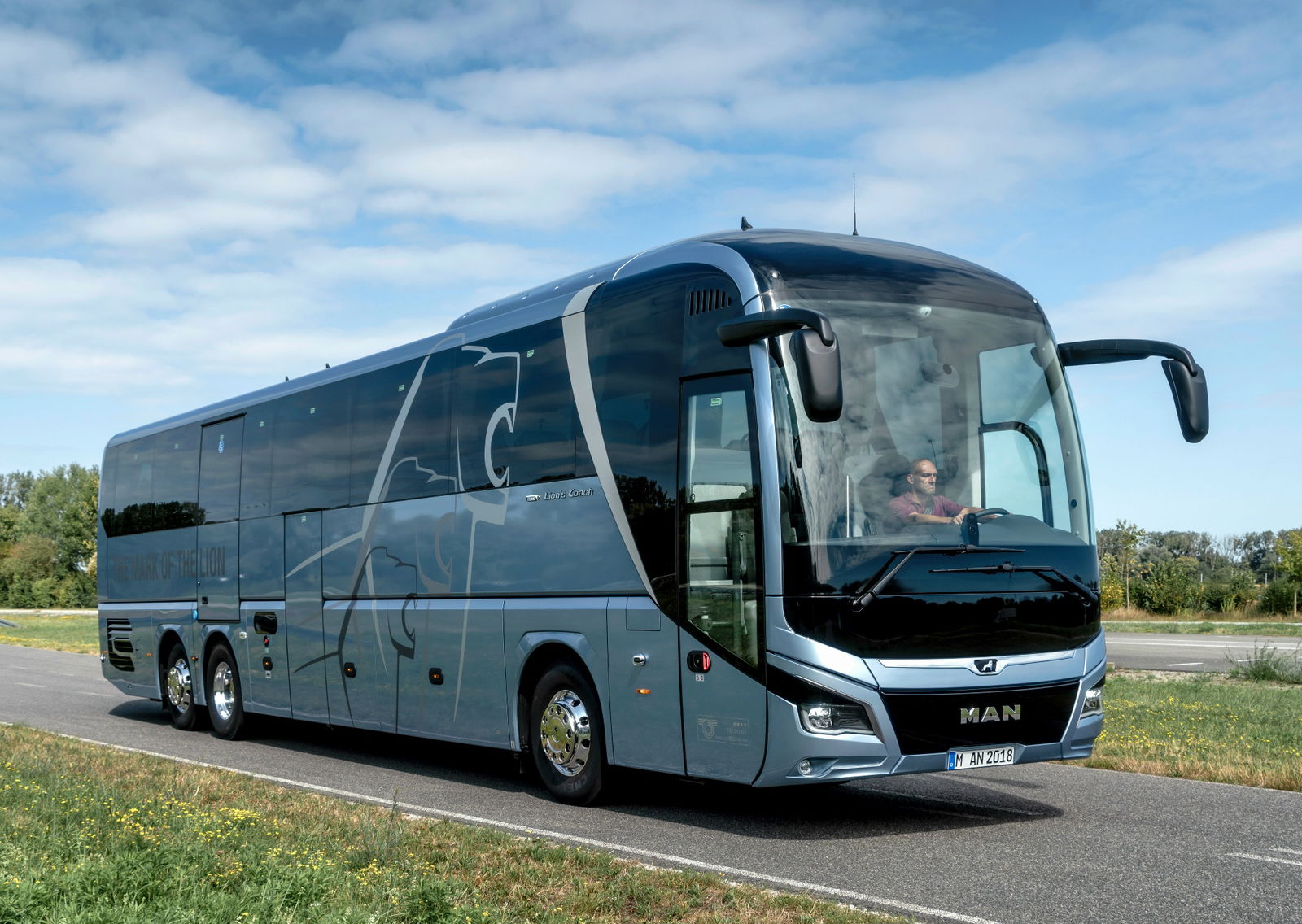
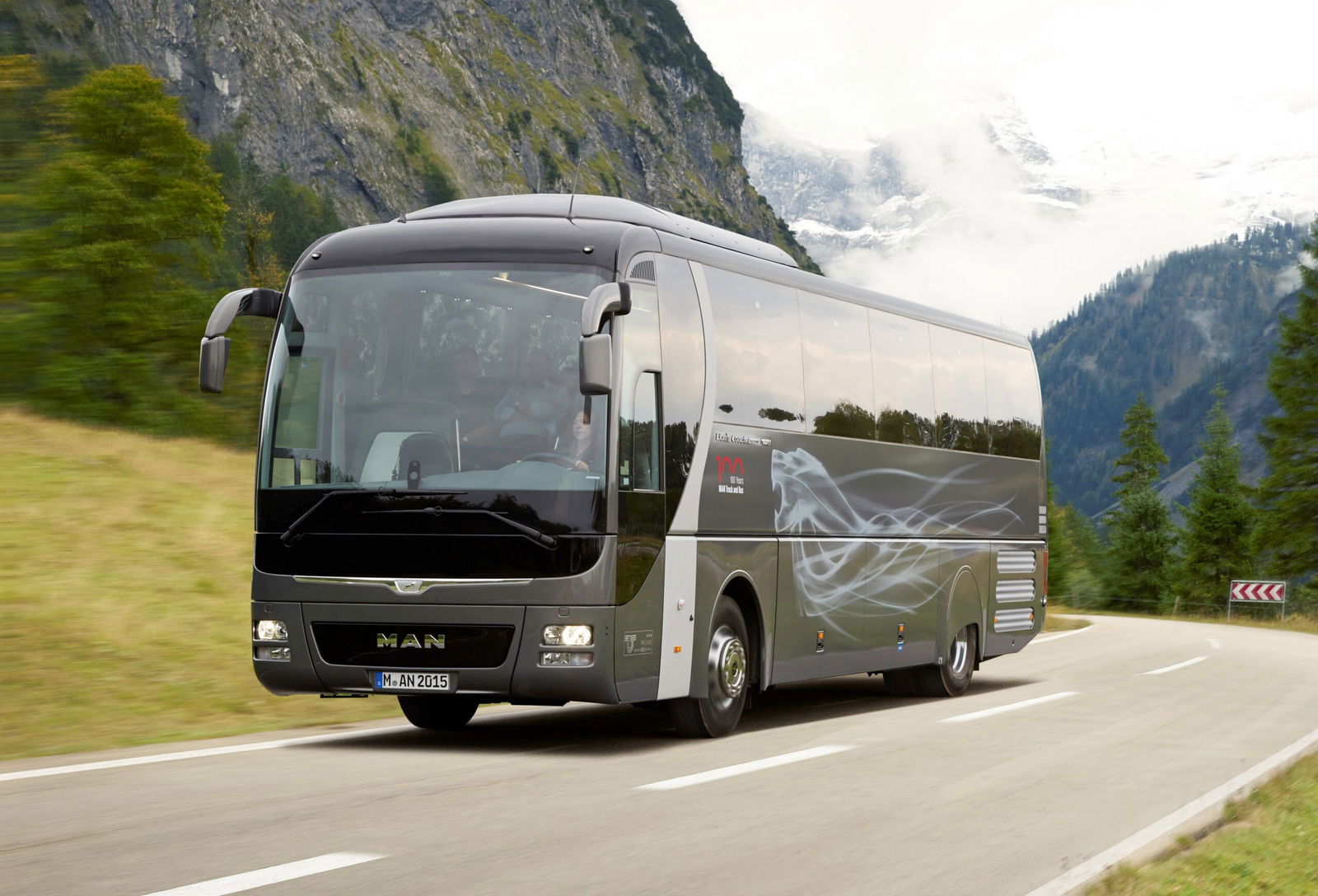
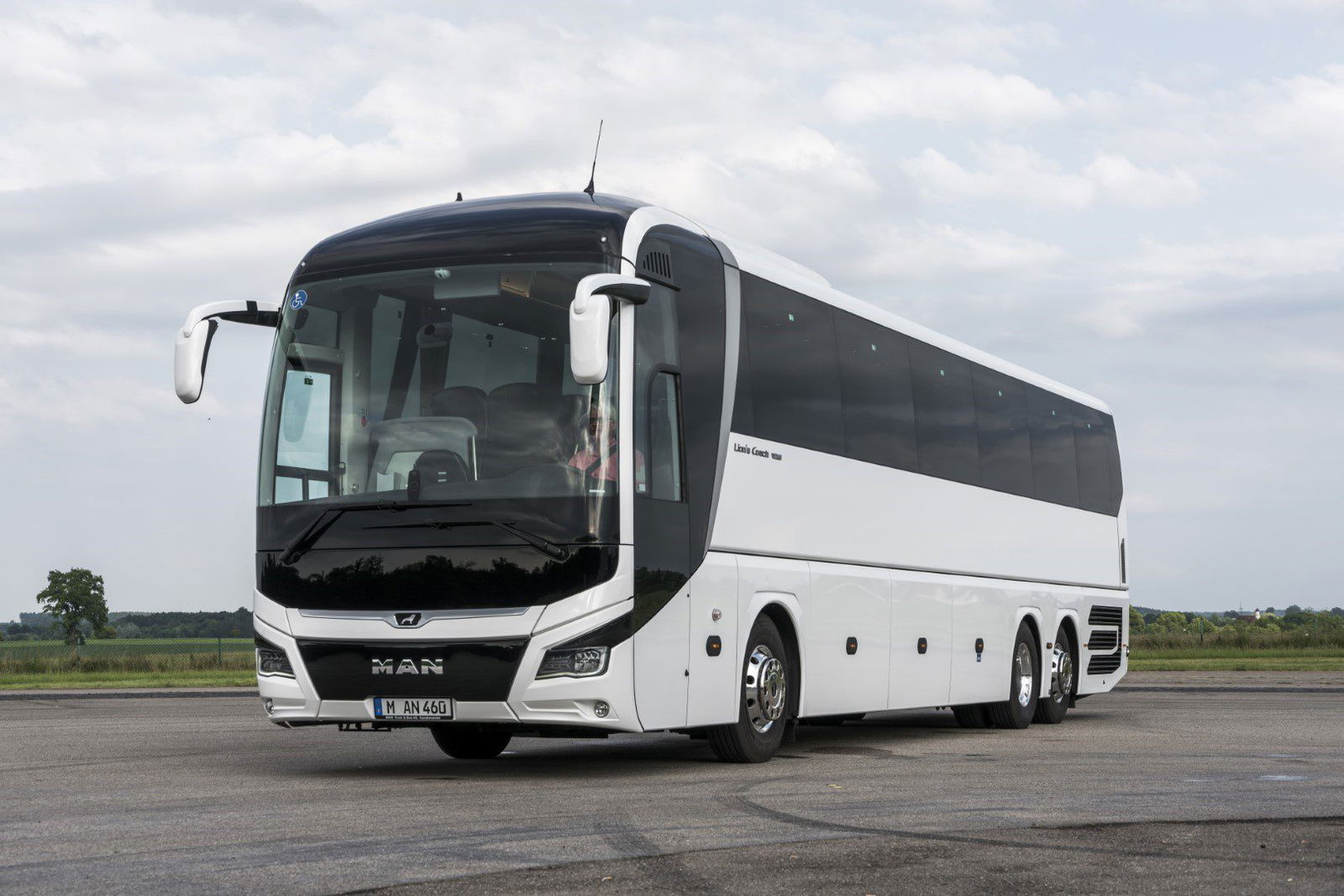
After 15 years, the next generational change arrived in 2017, although MAN still did not completely abandon the proven technical foundations of its predecessor. In many respects, the new Lion’s Coach was based on the further development of the design introduced in 2002, but it underwent such comprehensive renewal in terms of styling, structure and technology that the manufacturer positioned it as the third generation. The model family consisted of four variants: alongside the 12.1-metre two-axle base model, the range included 13.36-metre two-axle and three-axle Lion’s Coach C versions, as well as the 13.9-metre, three-axle Lion’s Coach L. A particularly interesting novelty was the long but only two-axle C, which offered space for up to 59 passengers, while its 14.9-cubic-metre luggage compartment even exceeded the 13.2-cubic-metre figure of the larger three-axle L.
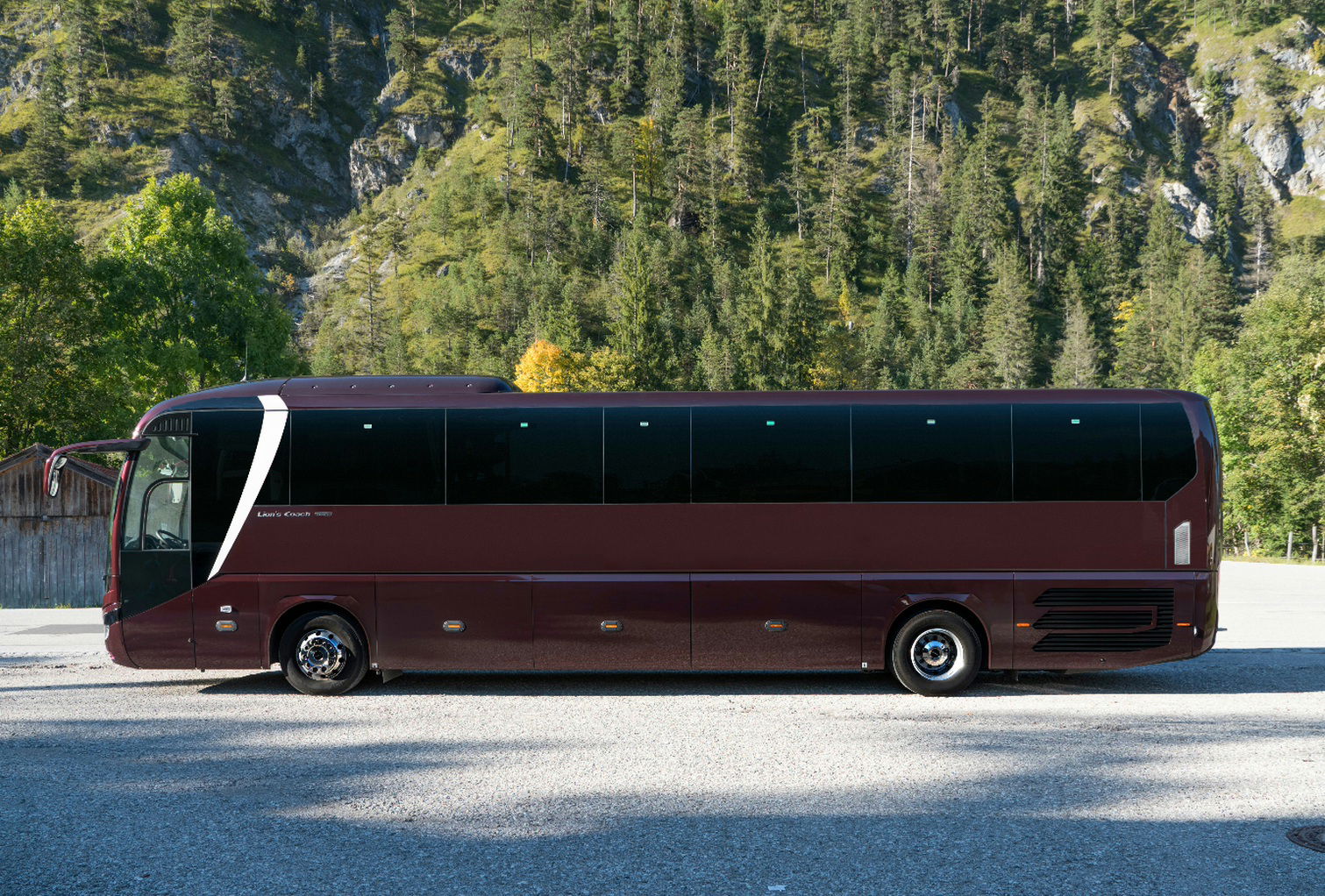
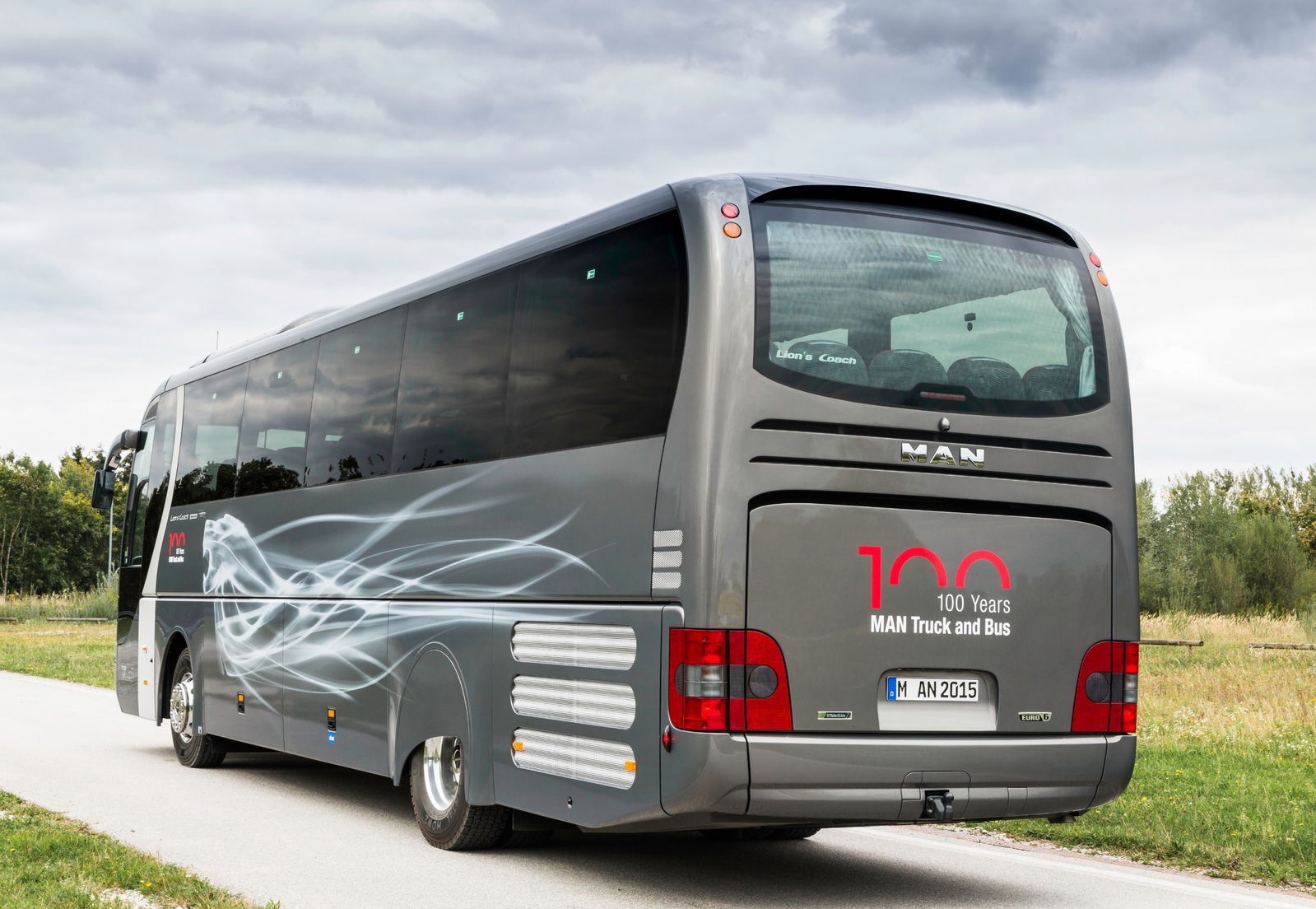
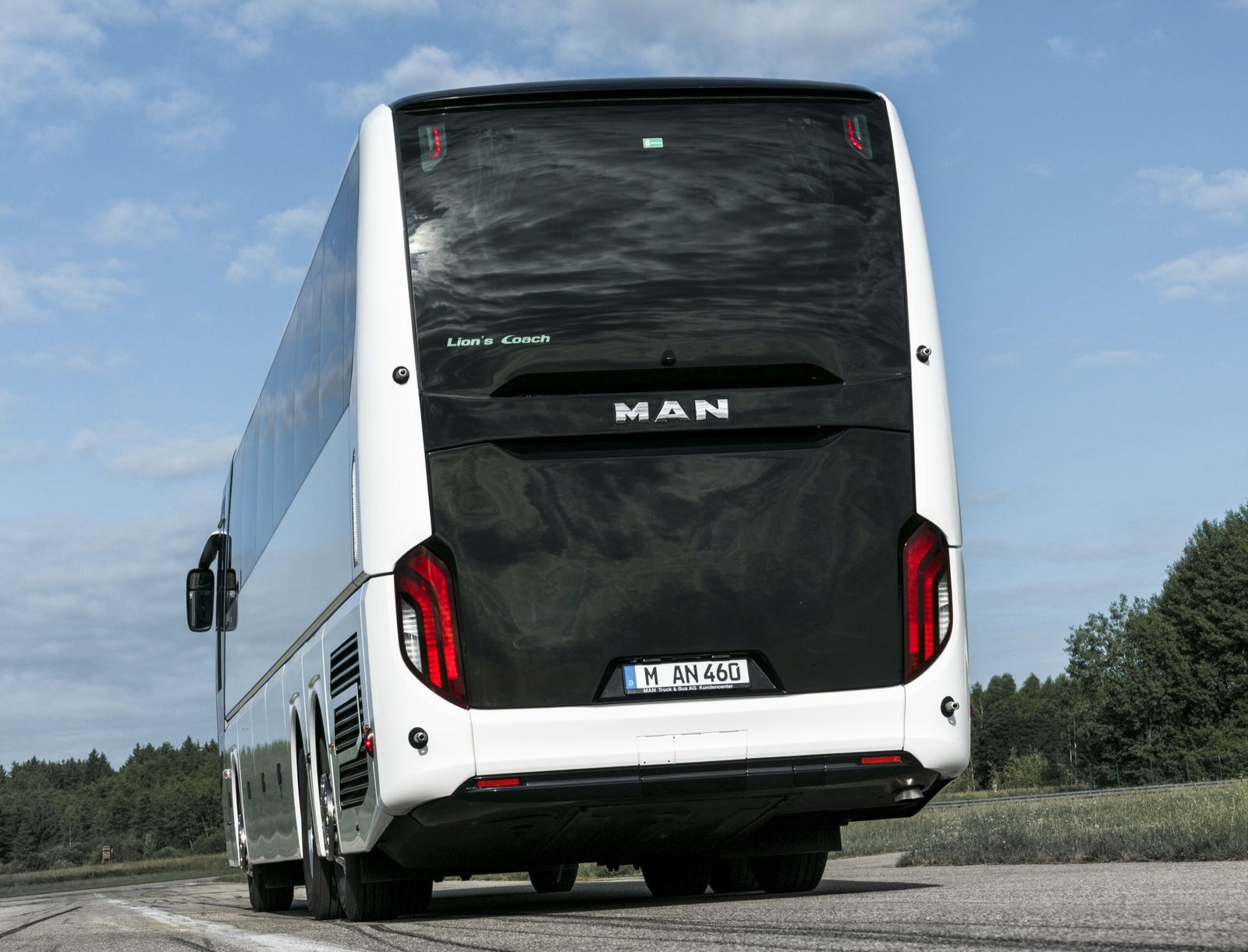
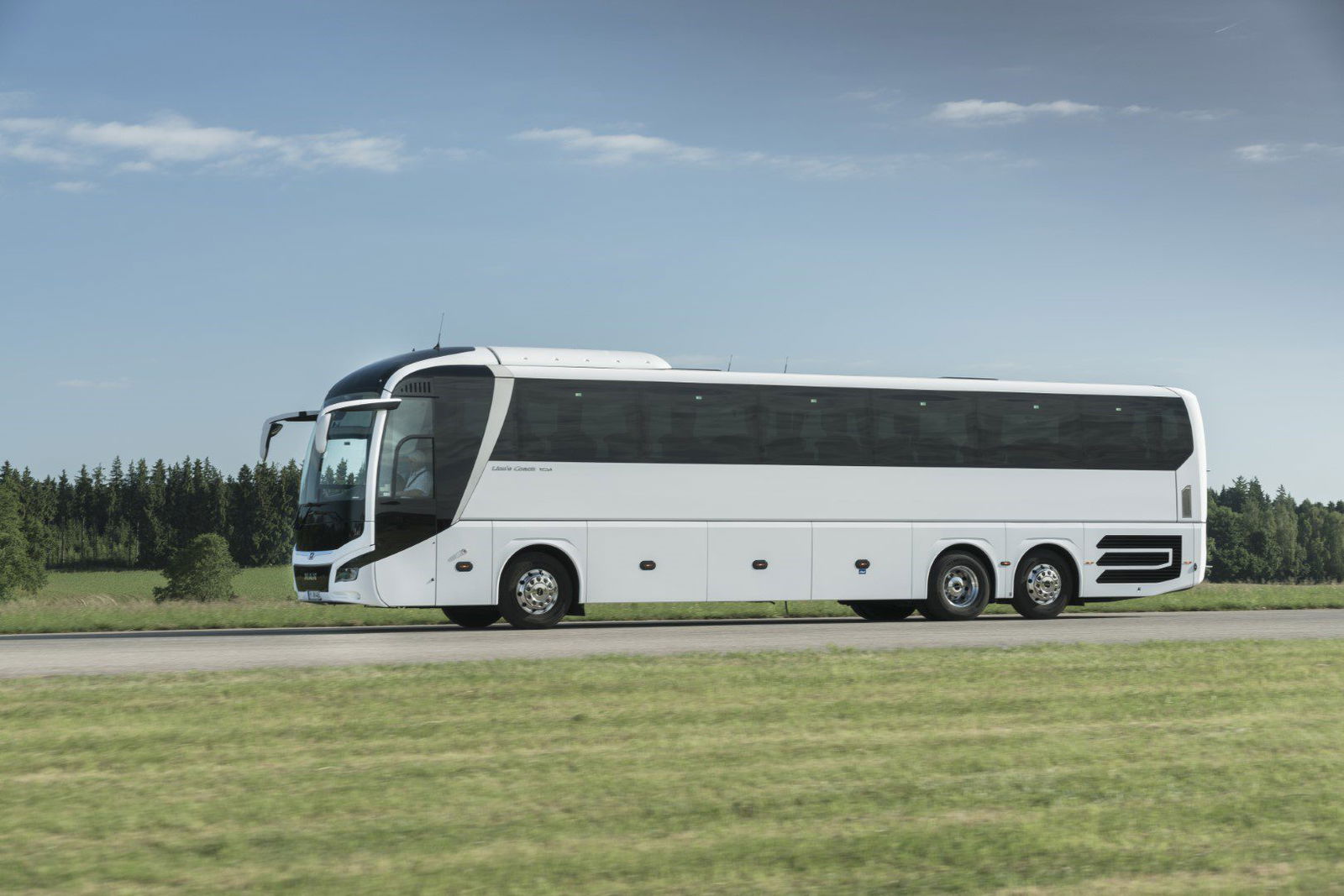
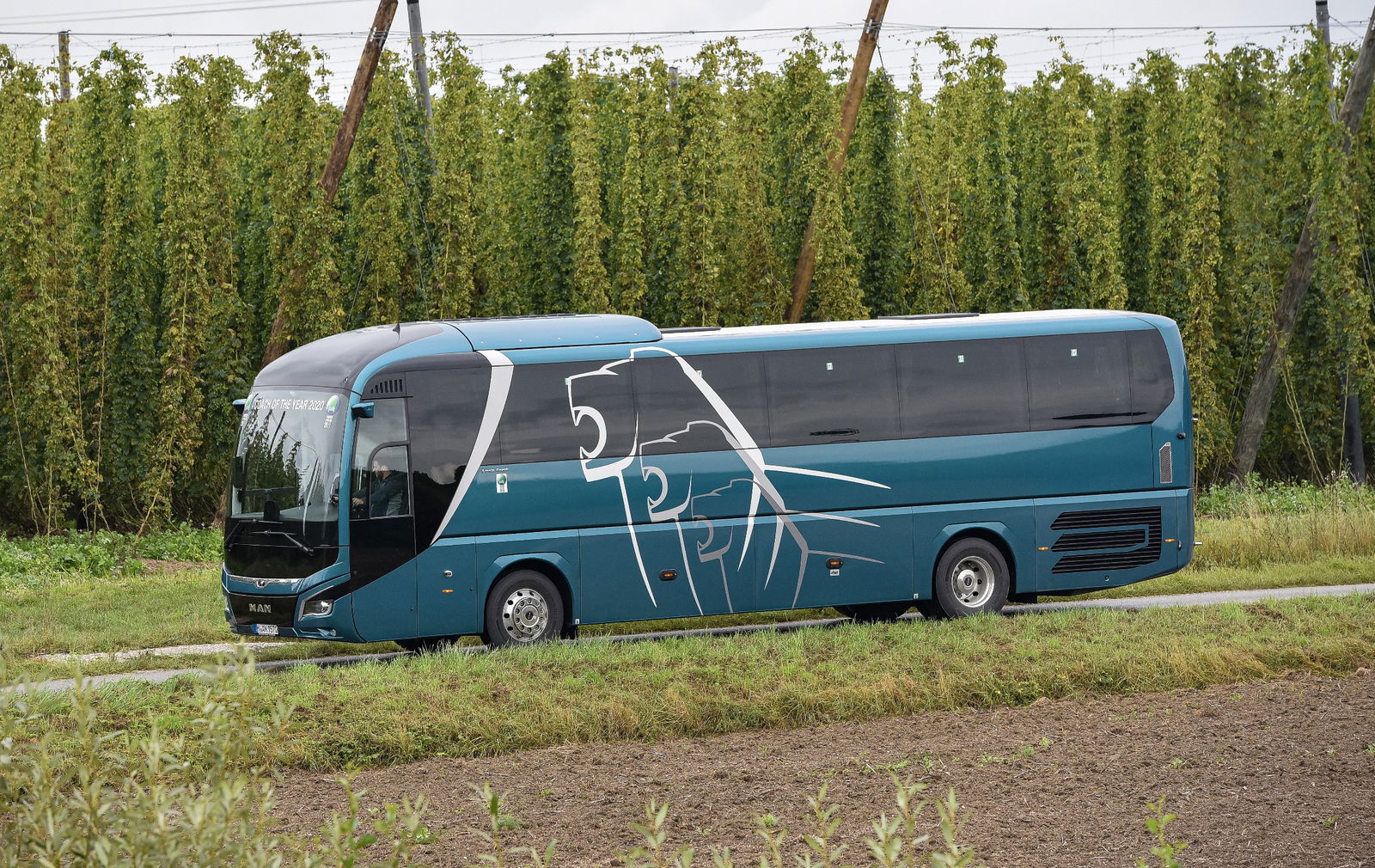
The exterior appearance was fully aligned with MAN’s new design language introduced at the time, which later also appeared on the new generation of the Lion’s City. The more curved details of the predecessor were replaced by stronger, more angular lines, the characteristic black mask element on the front end grew significantly, and the upper line of the headlights was continued by a black strip towards the driver-side window. In side view, however, the well-known proportions and basic character traits of the Lion’s Coach remained. The rear section was also completely redrawn, with the black engine cover intended to create the visual impression of a continuous glass surface. The styling served more than purely aesthetic purposes: aerodynamic refinements reduced drag by around 20% compared with the predecessor.
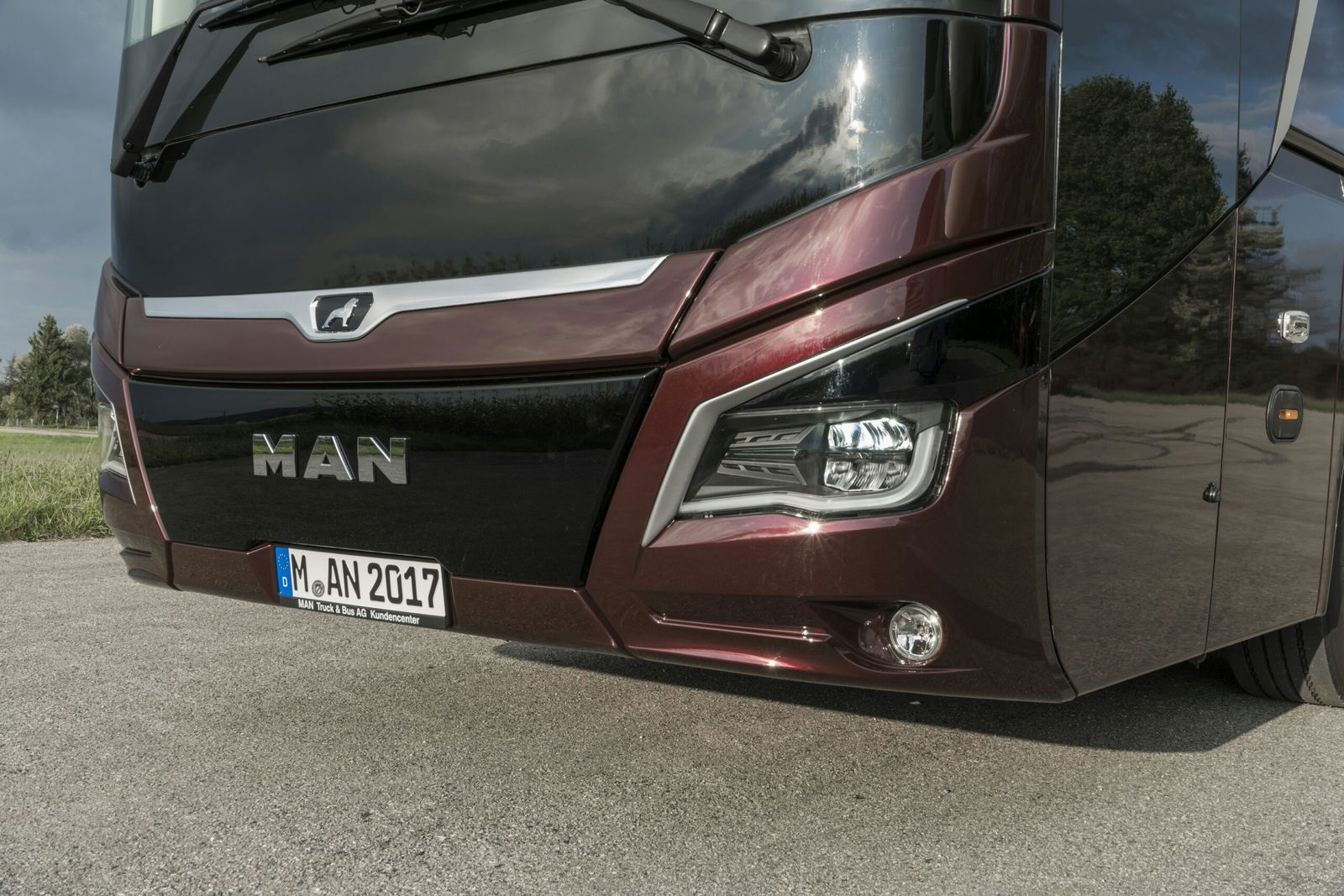
Lighting technology was also renewed with the third generation. The daytime running lights and direction indicators adopted LED technology, while full LED headlights also became available as an option. These provided around 50% greater light output than conventional halogen lighting, with wider and longer-range illumination as well as a longer service life. LED light sources were also used at the rear.
The driveline continued to be based on the well-proven 12.4-litre MAN D2676 with common-rail injection, whose further-developed Euro 6 version offered more power and torque than its predecessor. At the launch of the generation, the output range extended from 440 to 500 hp, while maximum torque ranged from 2,100 to 2,500 Nm. The engines could be paired with a six-speed ZF EcoShift manual gearbox or a 12-speed MAN TipMatic automated transmission.
The TipMatic control system was also further developed. SmartShifting adapted gear changes to driving conditions, while Idle Speed Driving allowed the coach to creep at close to idle speed without the use of the accelerator pedal, easing the driver’s task above all in congestion and during manoeuvring. Economical operation continued to be supported by EfficientCruise, which anticipates the road’s topography.
The performance of the braking system was also increased. The new retarder’s maximum braking torque rose to 4,000 Nm, around 20% more than its predecessor, and as part of MAN BrakeMatic it worked together with the stronger EVBec engine brake. The latter, using electronically controlled exhaust back pressure, could deliver a high braking effect even at lower speeds.
The new Lion’s Coach also offered a broad range of driver assistance systems. Alongside ACC adaptive cruise control and the LGS lane departure warning system, MAN Attention Guard appeared, seeking to identify signs of fatigue from the driver’s behaviour. These were joined by the further-developed EfficientCruise from the previous generation and the range of active safety systems already available.
One of the most important areas of development, though less visible from the outside, was passive safety. Thanks to the new B-pillar and rear pillar structure, the body was already dimensioned to meet the requirements of the ECE R66.02 rollover safety regulation, which had meanwhile become stricter. The revised load-bearing structure can absorb around 50% more energy than the predecessor, while the engineers achieved this without increasing weight. By optimising the structure and using new materials, they even managed to reduce weight in some components; the new engine cover alone became around 15 kilograms lighter.
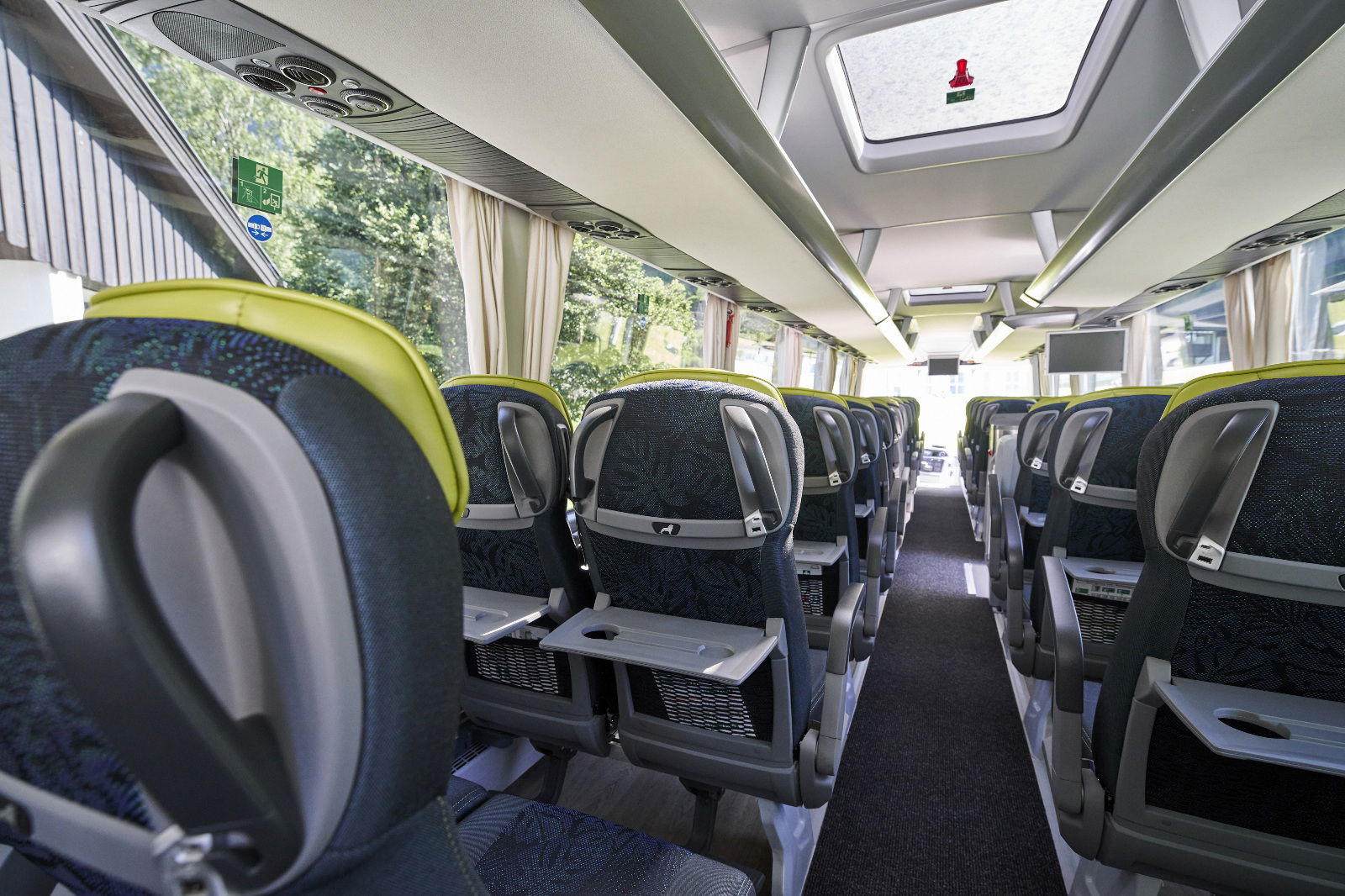
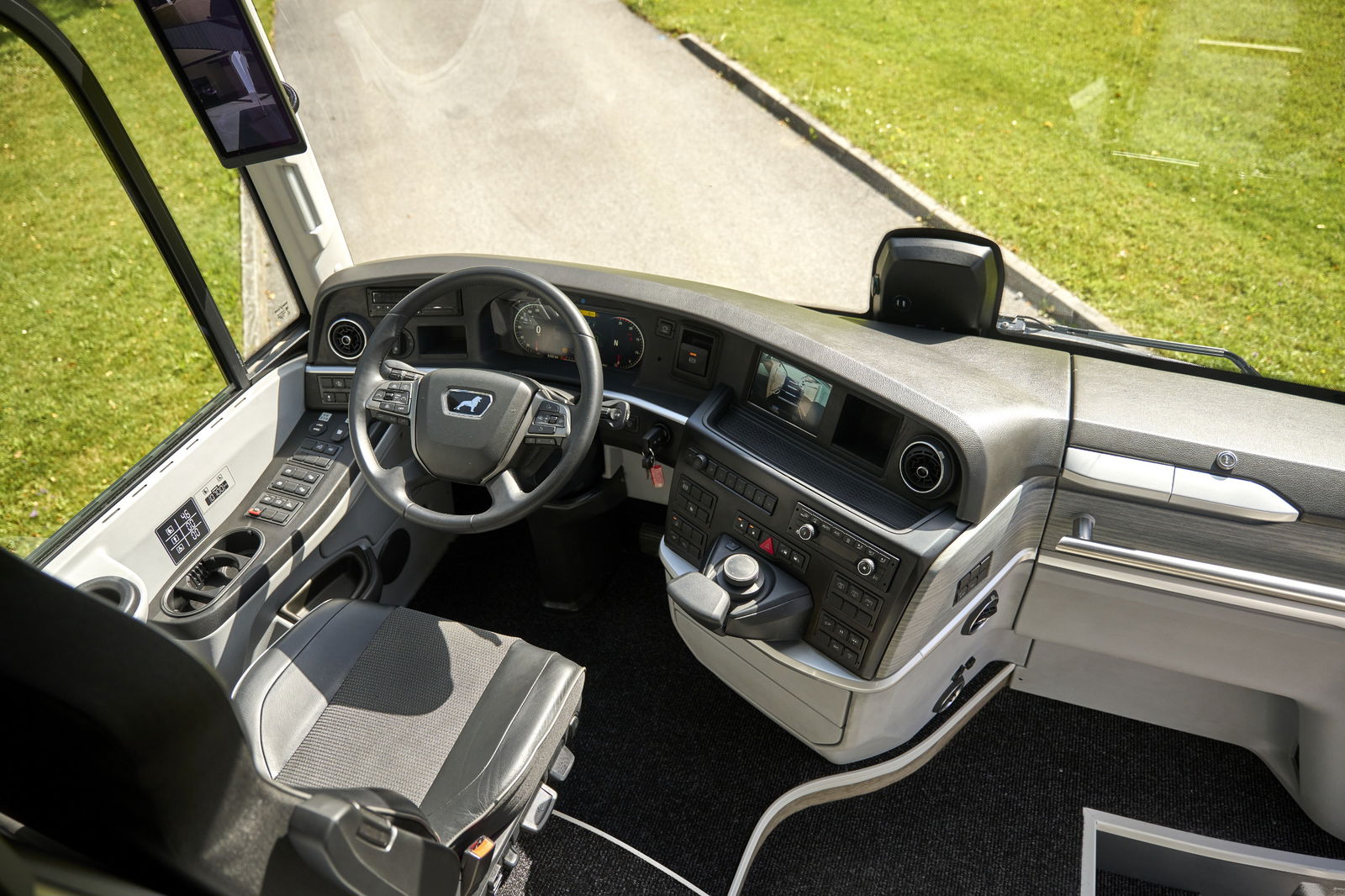
The chassis tuning was also modified and new-generation shock absorbers were used, primarily to improve ride comfort. Greater emphasis was also placed on the functional separation of the driver’s and passenger areas, the luggage compartment and the mechanical units. The passenger compartment received new LED lighting, larger hand-luggage racks and redesigned passenger service panels. The ergonomics of the driver’s workplace were also revised, new storage spaces were created, and the electric heating of the driver-side windscreen was improved as well.
Another important stage in the third generation’s career came with the 2024 model year, when MAN introduced a comprehensive technical update across its range. The changes were driven in part by new European safety and cybersecurity regulations, but the driveline, vehicle electronics, driver’s workplace and driving dynamics systems were also further developed.
As part of the update, the Lion’s Coach received a new electronic architecture with greater computing power that also complies with stricter cybersecurity requirements, while a 12-inch digital instrument cluster, the MMC Advanced infotainment system, the SmartSelect control interface and a new multifunction steering wheel were introduced. At the same time, the range of driver assistance systems expanded significantly: among others, an upgraded emergency brake assist, active lane keeping, blind-spot and turn assist, traffic sign recognition, Traffic Jam Assist and SafeStop Assist became available.
The driveline is still based on the 12.4-litre D26 engine, which gained 10 hp more output and 50 Nm more torque with the update, while MAN says fuel consumption has been reduced by up to 2.5%. The range currently consists of 440, 470 and 520 hp versions. EfficientCruise 3 has been introduced for the 12-speed TipMatic transmission, now taking into account the road’s topography and certain infrastructure elements up to three kilometres ahead.
Further novelties included the electronically controlled VASC air suspension and the new EBS9 braking system. Above 70 km/h, VASC automatically lowers the body by around two centimetres to reduce aerodynamic drag, while EBS9 enables faster and more precise brake control. As a result, the basic design of the third generation introduced in 2017 remained unchanged, but by 2024 its technical content had effectively reached another significant evolutionary step.
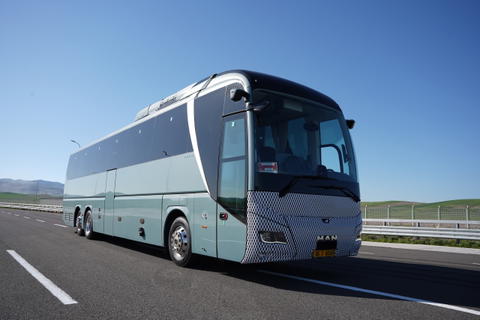
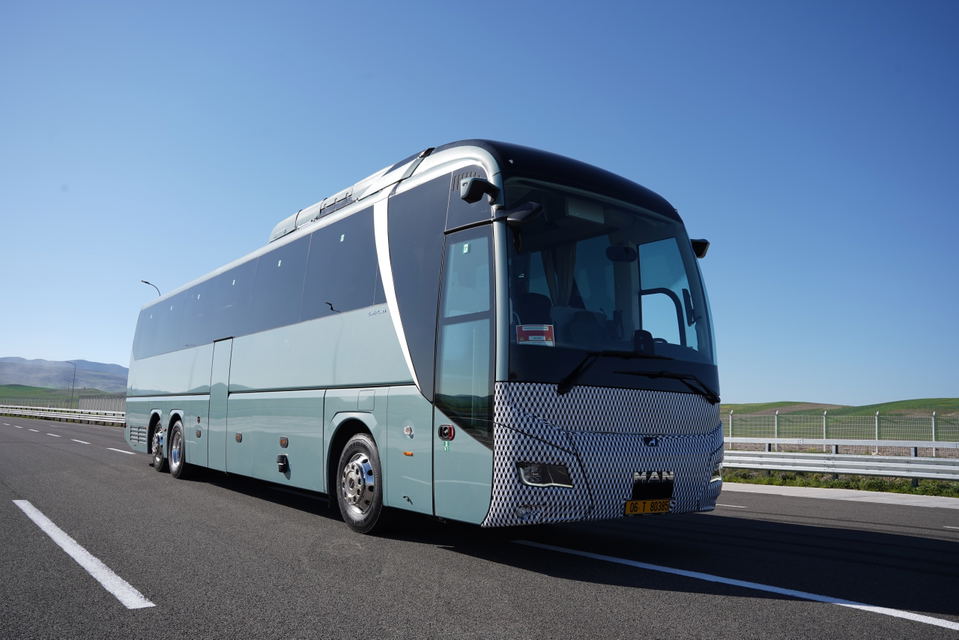
The next major milestone in the history of the Lion’s Coach was the arrival of electric drive. In autumn 2025, at Busworld Europe, MAN presented its first fully electric long-distance coach, the Lion’s Coach 14 E, which is based on the proven design of the diesel version but whose drive system, energy storage and aerodynamics have been specifically adapted to the requirements of electric operation.
The model will first enter the market in an almost 14-metre, three-axle version. The use of three axles is primarily justified by the considerable weight of the batteries: the 27.3-tonne maximum permissible gross weight provides greater weight reserves and makes it possible to install one or two additional energy storage units ahead of the rear axle alongside the four basic battery packs, without having to reduce passenger or luggage space. The three-axle layout is therefore not merely a matter of capacity, but also serves to distribute the weight of the electric driveline more favourably and to preserve full coach usability.
Propulsion is provided by MAN’s in-house-developed eCD330 synchronous electric motor with an output of 330 kW, paired with a four-speed TipMatic 4 automated transmission. Energy storage is supplied by four, five or six NMC battery packs, with installed capacity of 356–534 kWh; with the largest configuration, MAN quotes a range of up to 650 kilometres under favourable conditions. As standard, the type supports 375 kW CCS charging, and it will later be prepared for megawatt charging at up to 750 kW.
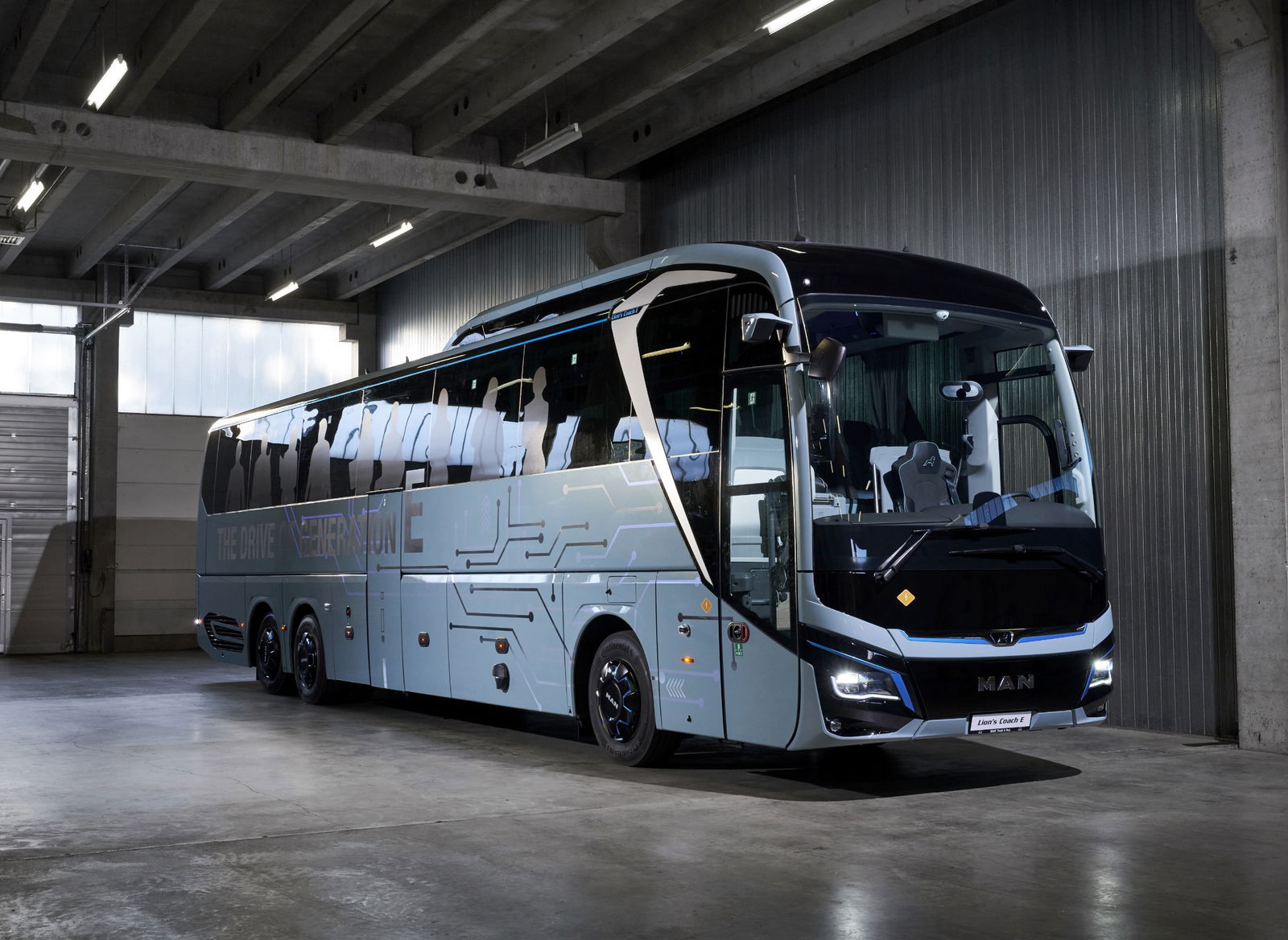
At the same time, the Lion’s Coach E differs from the diesel version not only in its driveline. The new Smart Flow Design language and the aerodynamically revised rear section serve to reduce drag, while the size of the passenger compartment and luggage space has remained essentially unchanged: it provides space for up to 63 passengers and 11–13 cubic metres of luggage.
Series production will begin in Ankara in 2026, initially with a smaller fleet destined for selected European operators. With this, the story of the Lion’s Coach, created 30 years ago as a more affordable alternative to the Lion’s Star, enters a new era, continuing alongside the diesel version with fully electric drive as well.