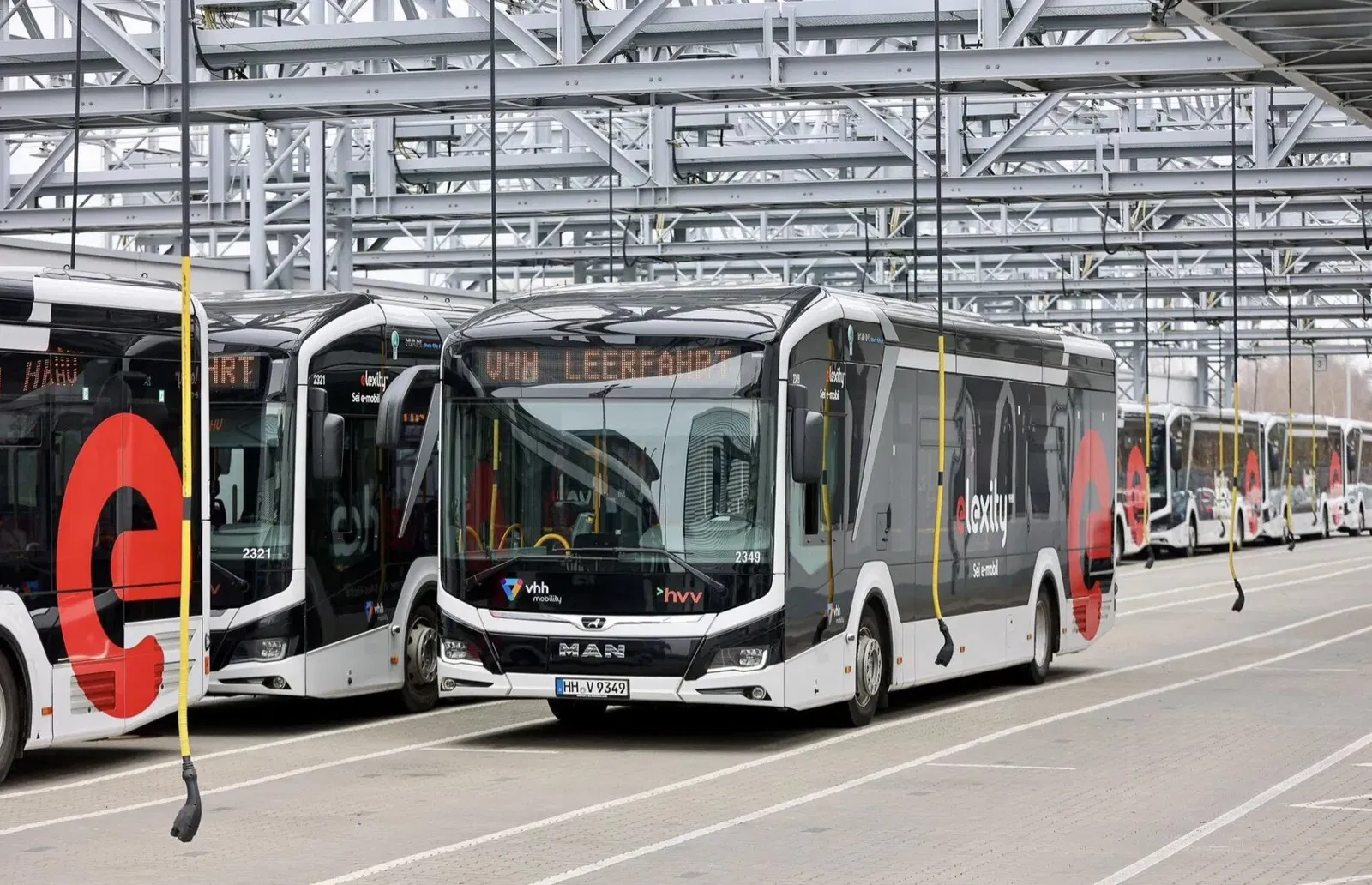
Nearly five thousand zero-emission urban buses now in service in Germany
The electrification of public transport in Germany clearly entered a new phase in 2025. According to the PwC E-Bus-Radar 2026 report, by the end of the year 4,752 buses classified as zero-emission under the Clean Vehicles Directive (CVD)* were in service across the country. The pace of expansion is particularly noteworthy: 1,397 new vehicles entered service in 2025 alone, almost twice the volume of 780 units recorded a year earlier. As a result, nearly half of the new urban buses registered in 2025 were already electrically powered. Across the fleet as a whole, electric drivetrains now account for around 14% of Germany’s urban bus fleet of approximately 35,000 vehicles.
In Germany, the deployment of electric buses is becoming less and less confined to pilot schemes or one-off investments, and is gradually being incorporated into regular vehicle procurement practices. This is clearly demonstrated by the fact that zero-emission buses were already in operation in 222 cities and regions in 2025, compared with 180 in 2024 and 90 in 2020. In terms of the technology’s geographical spread, electrification is no longer concentrated exclusively in metropolitan areas, but is increasingly appearing in medium-sized cities and among regional operators as well.
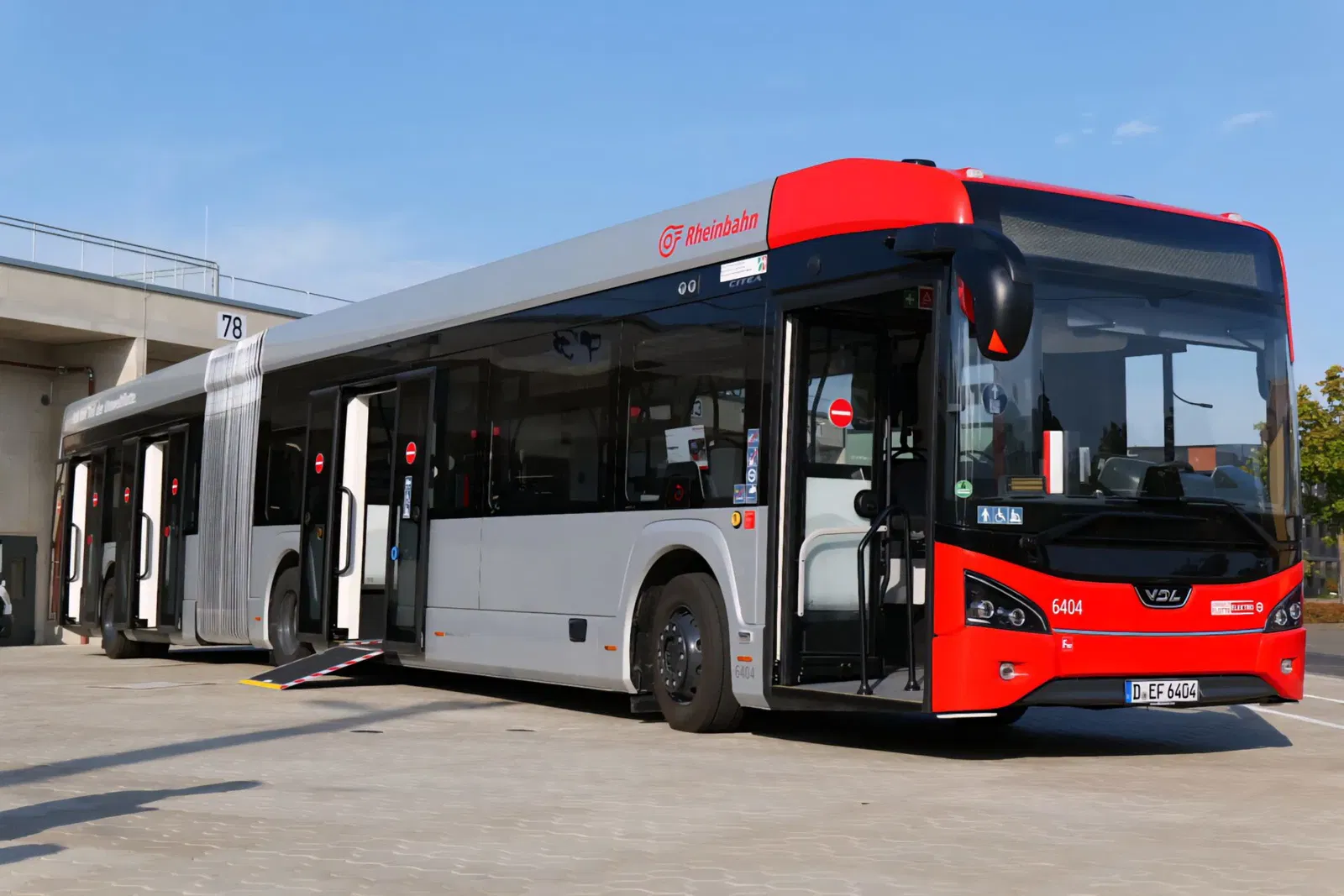
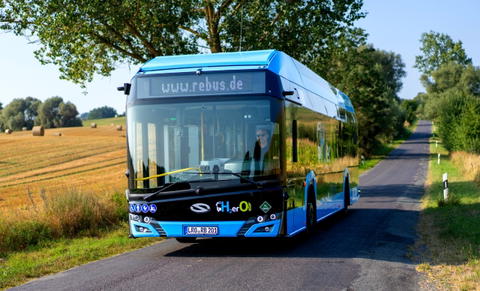
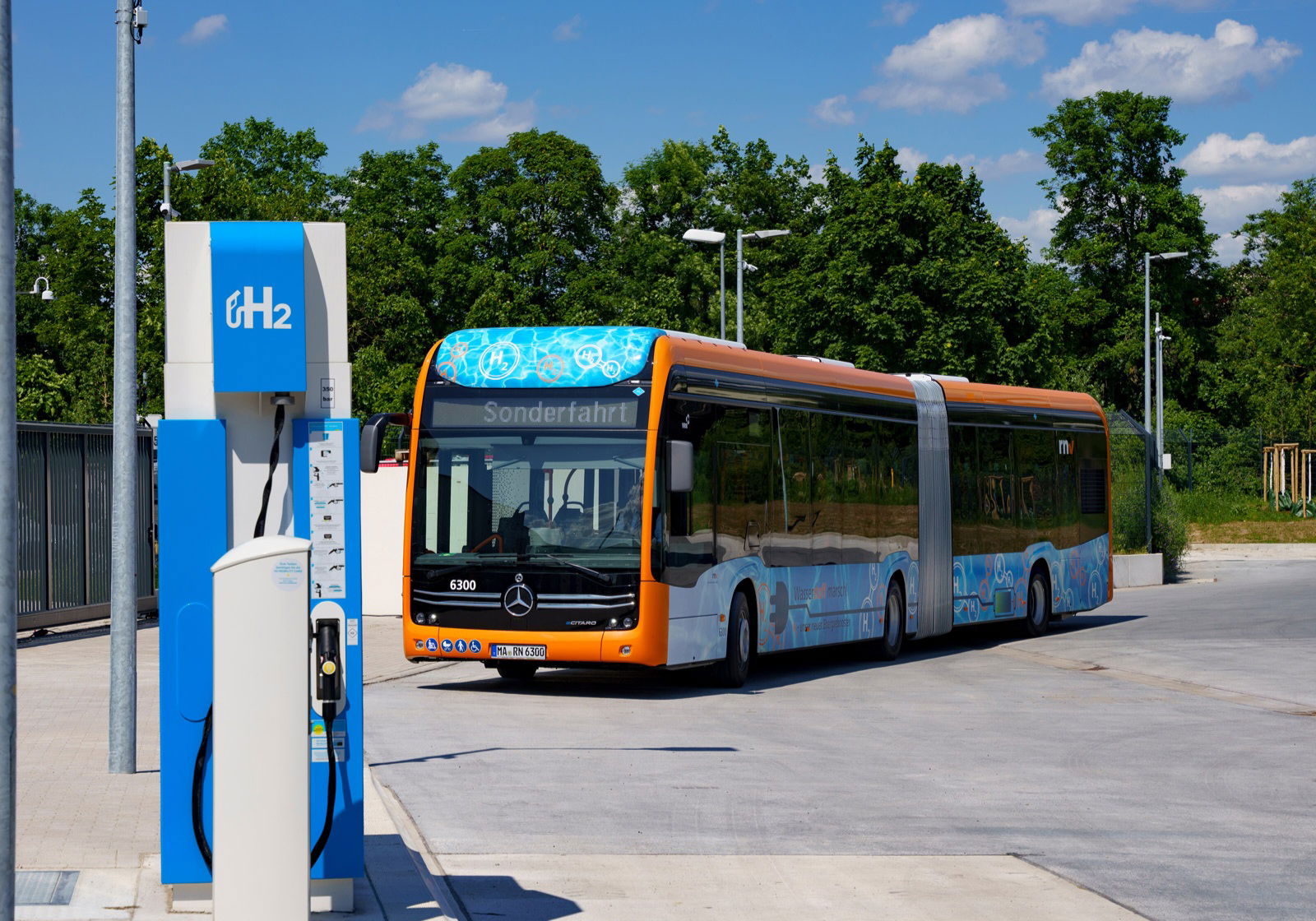
The structure of the German market continues to be decisively shaped by battery-electric buses. Of the 4,752 zero-emission vehicles, 4,034 are fully electric, 628 are hydrogen fuel-cell buses and a further 90 are trolleybuses. The figures clearly show that, although hydrogen buses receive considerable attention in public discourse, actual fleet growth continues to be dominated by battery technology. At the same time, hydrogen propulsion recorded the strongest percentage growth among zero-emission drivetrains in 2025, suggesting that it remains a sought-after technology in certain operating environments. PwC also stresses, however, that strategic reassessments can already be observed at several locations: some previously planned hydrogen projects are being modified, delayed or switched to battery-electric solutions.
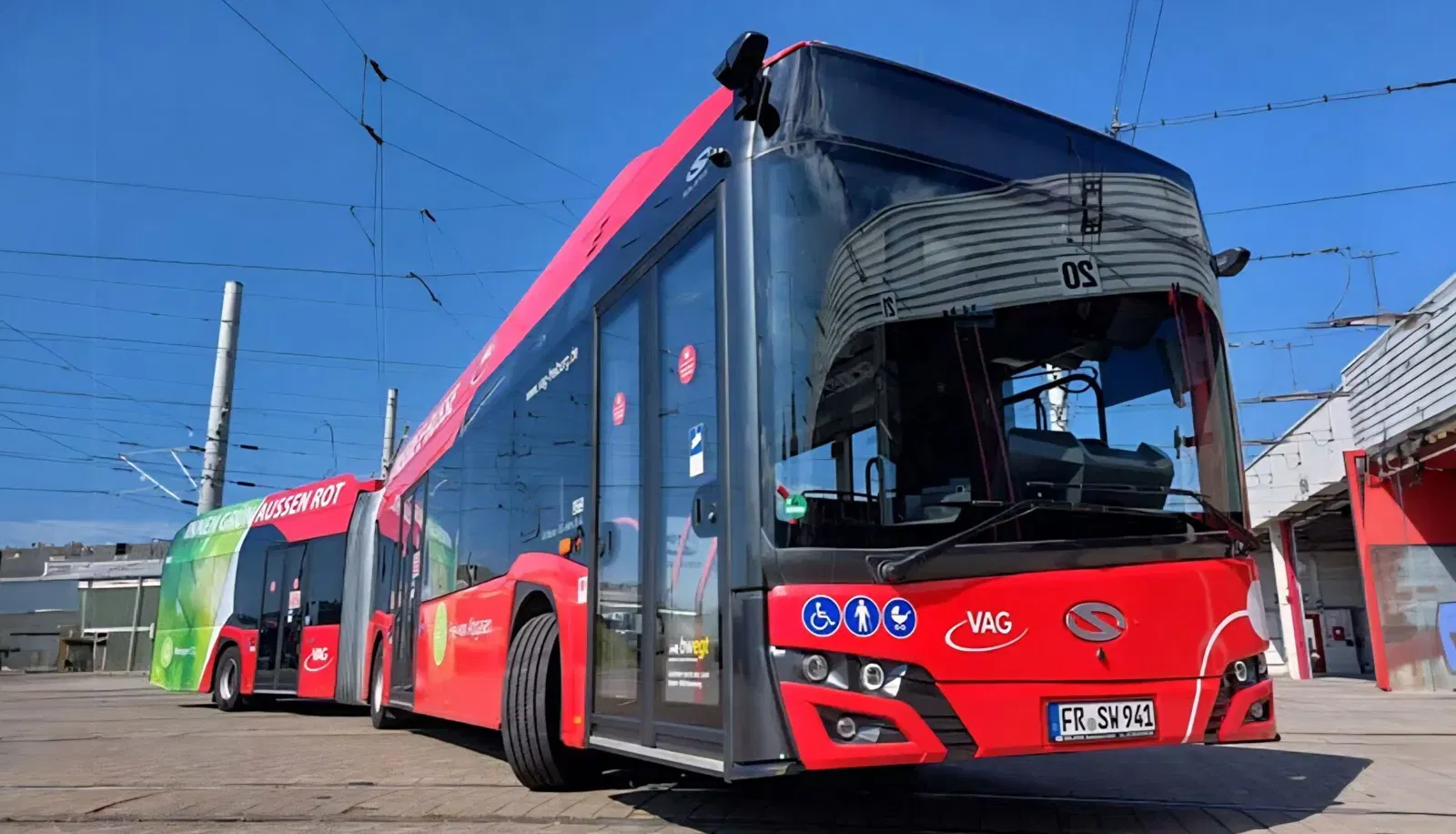
Based on the regional breakdown, North Rhine-Westphalia leads the way with 1,113 zero-emission buses in operation, followed by Hamburg with 709, Bavaria with 598, Baden-Württemberg with 412, Hesse with 409, Lower Saxony with 358, Berlin with 277 and Schleswig-Holstein with 253 vehicles. Particularly noteworthy is that North Rhine-Westphalia was the first to surpass the 1,000-vehicle mark. The Hamburg metropolitan region heads the city and regional ranking with 709 vehicles, followed by Berlin with 277, regional transport in Cologne with 129, Nuremberg with 123, Wiesbaden with 121, Cologne with 118, Frankfurt am Main with 115, Munich with 104, Münster with 97 and Rostock with 83 vehicles.
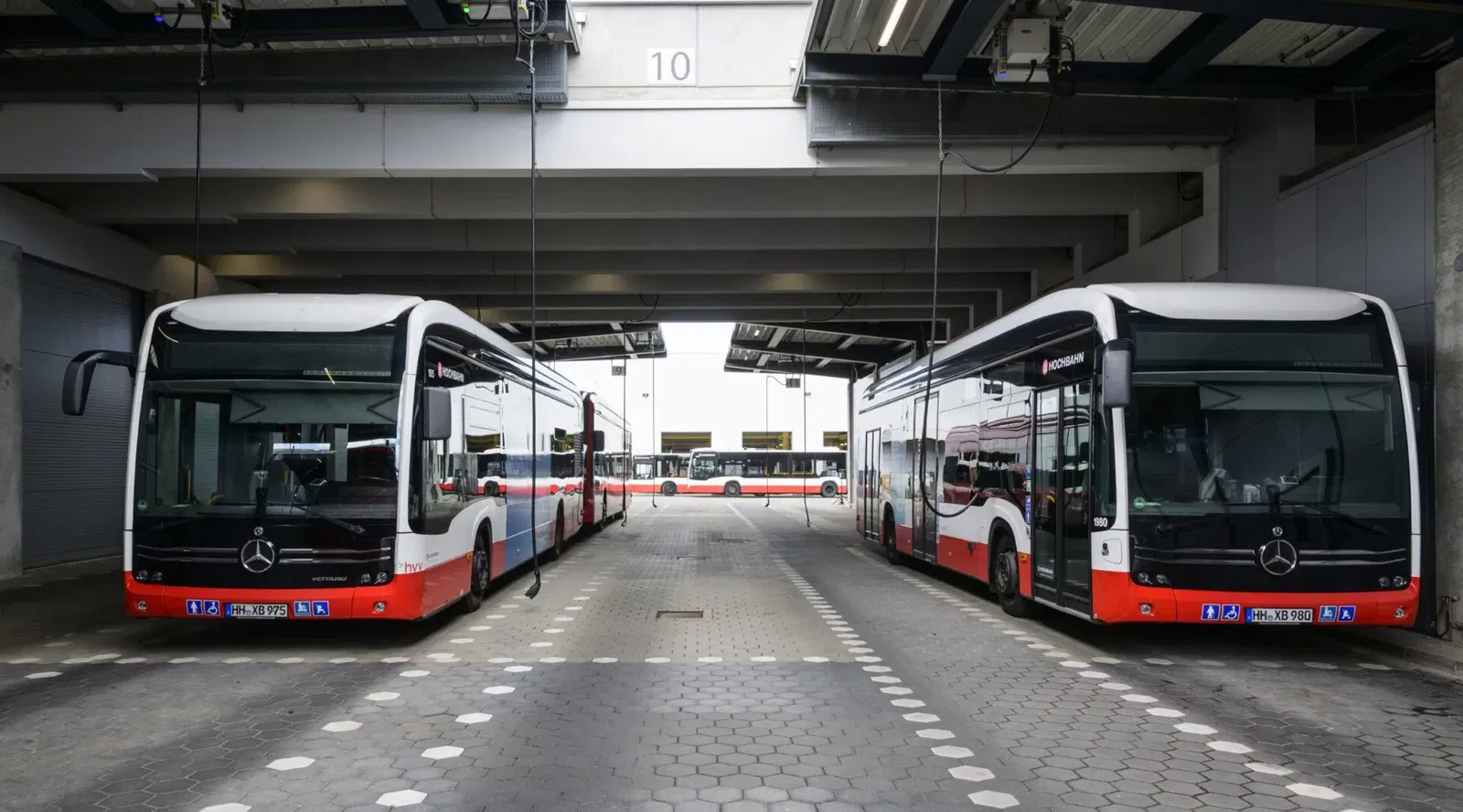
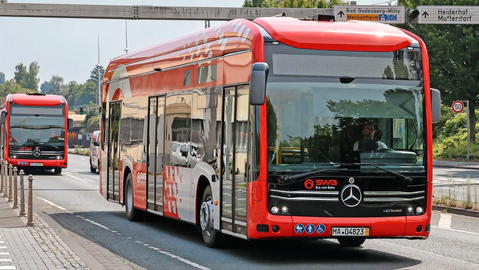
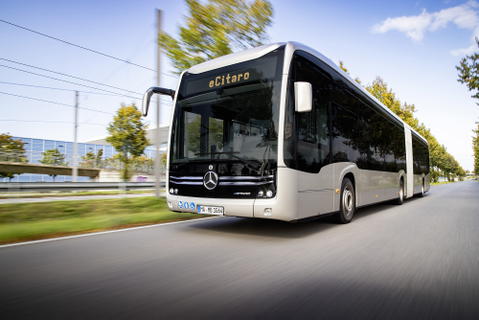
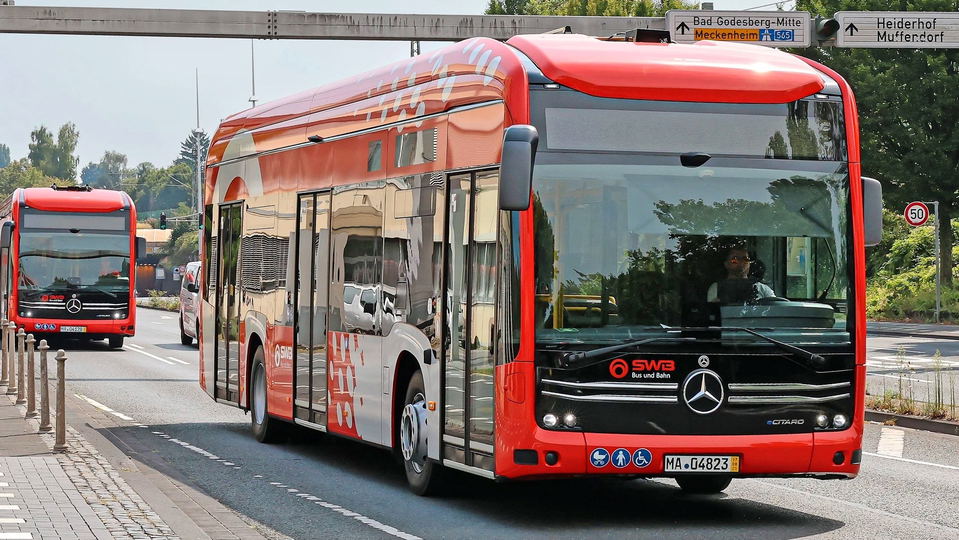
On the manufacturing side, the market remains highly concentrated. The overwhelming majority of zero-emission buses in operation in Germany are shared between six manufacturers. Mercedes-Benz has the largest fleet, with 1,853 vehicles, of which 1,759 are battery-electric and 94 are fuel-cell models. It is followed in the ranking by Solaris with 735 units (including 387 battery-electric and 348 fuel-cell vehicles), then MAN with 723, VDL with 405, Ebusco with 312 and BYD with 247 vehicles. Together, these six players account for around 90% of the market.
While market penetration is growing spectacularly, the study also makes clear that the economic challenges remain considerable. The average purchase price of a 12-metre battery-electric single-decker bus currently stands at around €580,000, while that of a comparable diesel bus is approximately €310,000. In articulated form, a battery-electric vehicle costs an average of €780,000, whereas its diesel equivalent can be procured for around €410,000. Although the prices of conventionally powered buses have also risen, the difference remains substantial. Added to this are the costs of charging infrastructure, grid connections, energy supply, and the expansion and conversion of operators’ depots. In urban environments, securing additional space also represents a separate economic challenge in many cases.
Germany’s fleet transition to date has relied heavily on state support, and a predictable funding environment will remain crucial in the coming years. According to estimates, around 60% of the zero-emission bus fleet expected by 2030 could be realised through some form of federal support scheme, even without taking into account the new programme planned for 2026. This suggests that, although market momentum is strengthening, the full transition still cannot be regarded as economically self-sustaining.
The pace of development is also clearly outlined by the procurement plans already known: the acquisition of around 6,400 additional zero-emission buses is expected in Germany by 2030, which could increase the current fleet of 4,752 vehicles to more than 11,000 by the end of the decade. Taking into account projects already identified for after 2030, documented intentions for additional procurements reach 9,660 units, indicating that electrification is also becoming firmly embedded in public transport at a strategic level. At the same time, the process can increasingly no longer be regarded as an exclusively urban issue. Through public service contracts, more and more regional and partly rural services are being incorporated into the logic of the transition. In parallel, manufacturers are working to develop vehicles suited to longer duties and partly to interurban use, indicating that the spread of zero-emission technology will no longer stop at the boundaries of conventional urban applications in the coming years.
The challenges of the next phase, however, increasingly extend beyond vehicle procurement. Energy purchasing, managing electricity demand, optimising peak loads, depot energy storage, and the coordinated development of charging and grid infrastructure are gaining in importance. One of the keys to the economic viability of electrification will be the extent to which operators can manage their vehicle fleets, charging systems, energy contracts and depot developments in an integrated manner.