![Magyarbusz [Info]](/mbi/header-logo.png)
Six thousand kilometres to a timetable – by bus between two oceans
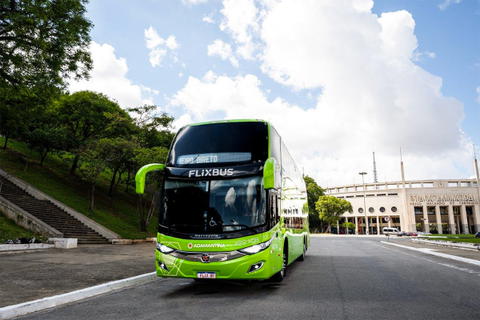
While in Hungary even a 2–3-hour intercity coach journey can feel like a long trip, in other parts of the world that is only the beginning. In South America, for example, there is a scheduled service that covers more than 6,000 kilometres between Rio de Janeiro and Lima – with a single coach carrying passengers all the way, without a vehicle change or transfer, in around five days. In Europe, routes of this length are no longer really typical, although there are exceptions: FlixBus, for instance, offers a direct service between Bucharest and Barcelona over a route of more than 2,700 kilometres, with a journey time of roughly 51 hours.
Scheduled coach services covering several thousand kilometres do exist around the world – some even exceed the 2,000–3,000-kilometre mark – but routes where passengers can travel all the way on the same vehicle, without interruption or transfer, are far rarer. Such services are most commonly found in South America, which is hardly surprising: the continent’s vast distances, the almost complete absence of rail passenger transport and air travel that is often expensive and hard to access all help explain why long-distance coaches still play a fundamental role in mobility.
The role of long-distance coach transport varies greatly from region to region. In Europe, it is mostly present as a supplementary option alongside developed rail and air networks, while in Latin America or Southeast Asia the long-distance coach is often the primary – or indeed the only – realistic alternative. These services not only bridge huge distances, but also offer a surprisingly high level of onboard comfort: reclining or sleeper seats, an onboard toilet, in some cases catering, and multiple drivers to ensure the journey can continue without interruption. Multi-day runs and extremely long routes, however, also require technical, labour and licensing conditions that are not available everywhere. Key questions include how a given country regulates driving and rest times, how flexible its transport policy is, and what the licensing practice is for international routes. In Latin America, these conditions – alongside genuine market demand – are often in place, allowing the operation of truly direct services stretching for several thousand kilometres.
It is therefore no surprise that multi-day, uninterrupted coach services covering enormous distances and placing serious demands on both people and vehicles are most often found in South America – this follows directly from the region’s geography and transport structure. From a European perspective, it may at first seem unusual, even startling, since here long-distance coach travel tends to play more of a regional, or at most national, role. Longer international services do exist, of course, but they generally operate within denser networks, with frequent stops and transfer options. Truly multi-day, direct road travel is more of a rare exception on this continent than standard practice.
Within Brazil, too, there are coach services that stand out clearly from the field in terms of length – one such example is the long-distance route between São Paulo and Belém, one of the country’s longest regularly operated services. Depending on the timetable and stopping pattern, coaches usually cover the more than 2,450-kilometre route in 50–55 hours. The service is operated, for example, by Roderotas and Real Expresso, using high-capacity long-distance vehicles equipped with reclining or partially lie-flat seats, an air-conditioned passenger compartment and an onboard toilet. Passengers travel all the way on the same coach, with no vehicle change or transfer; the journey is interrupted only by the necessary rest stops. Ticket prices, depending on the time of booking and demand in the given period, typically range between 550 and 650 Brazilian reais, equivalent to around 106–122 US dollars. The importance of the route, however, goes beyond its length: it provides a direct link between the industrial regions of southern Brazil and the northern Amazon area, which remains difficult to access in the absence of rail connections and where air travel is still unaffordable for many.
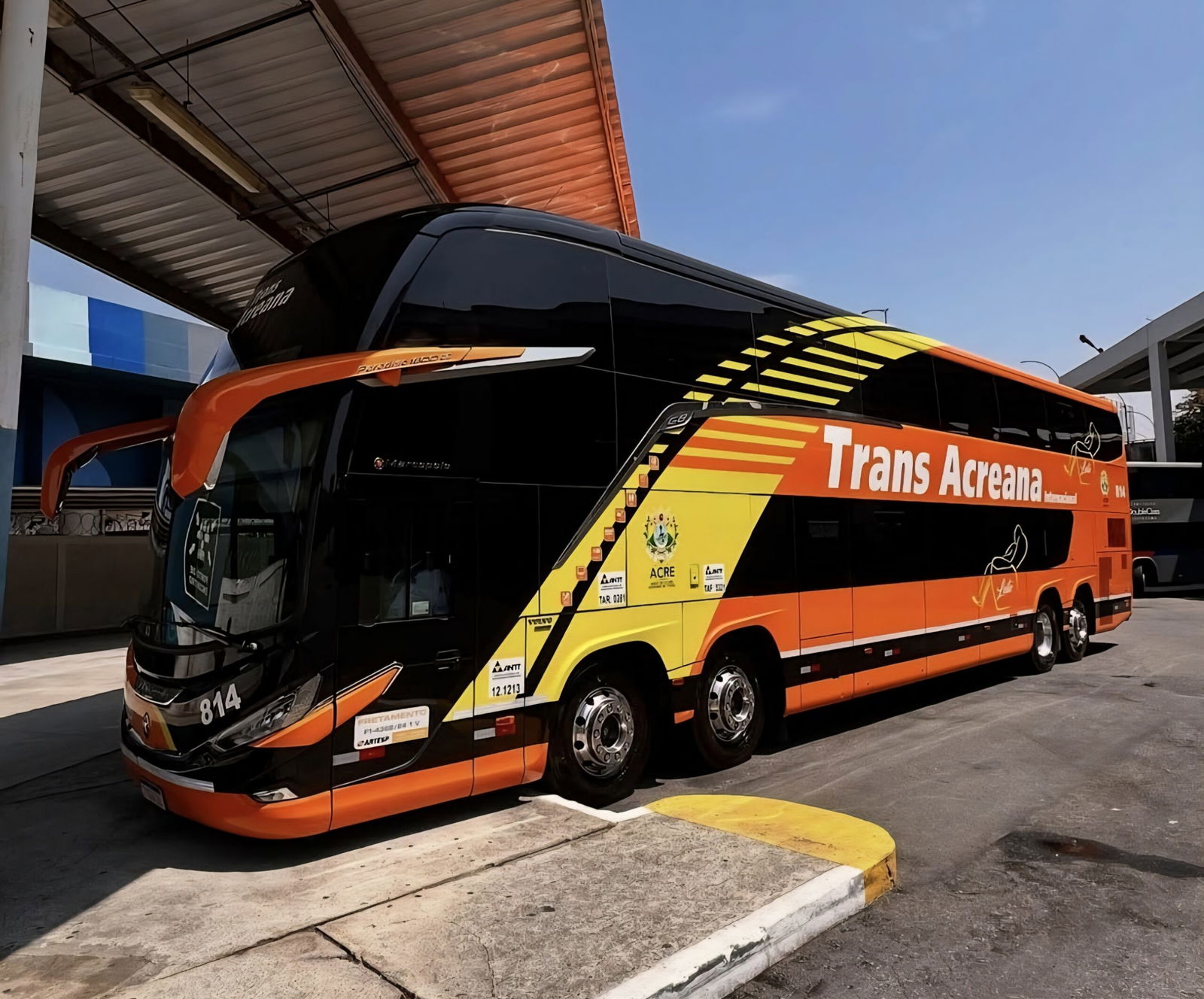
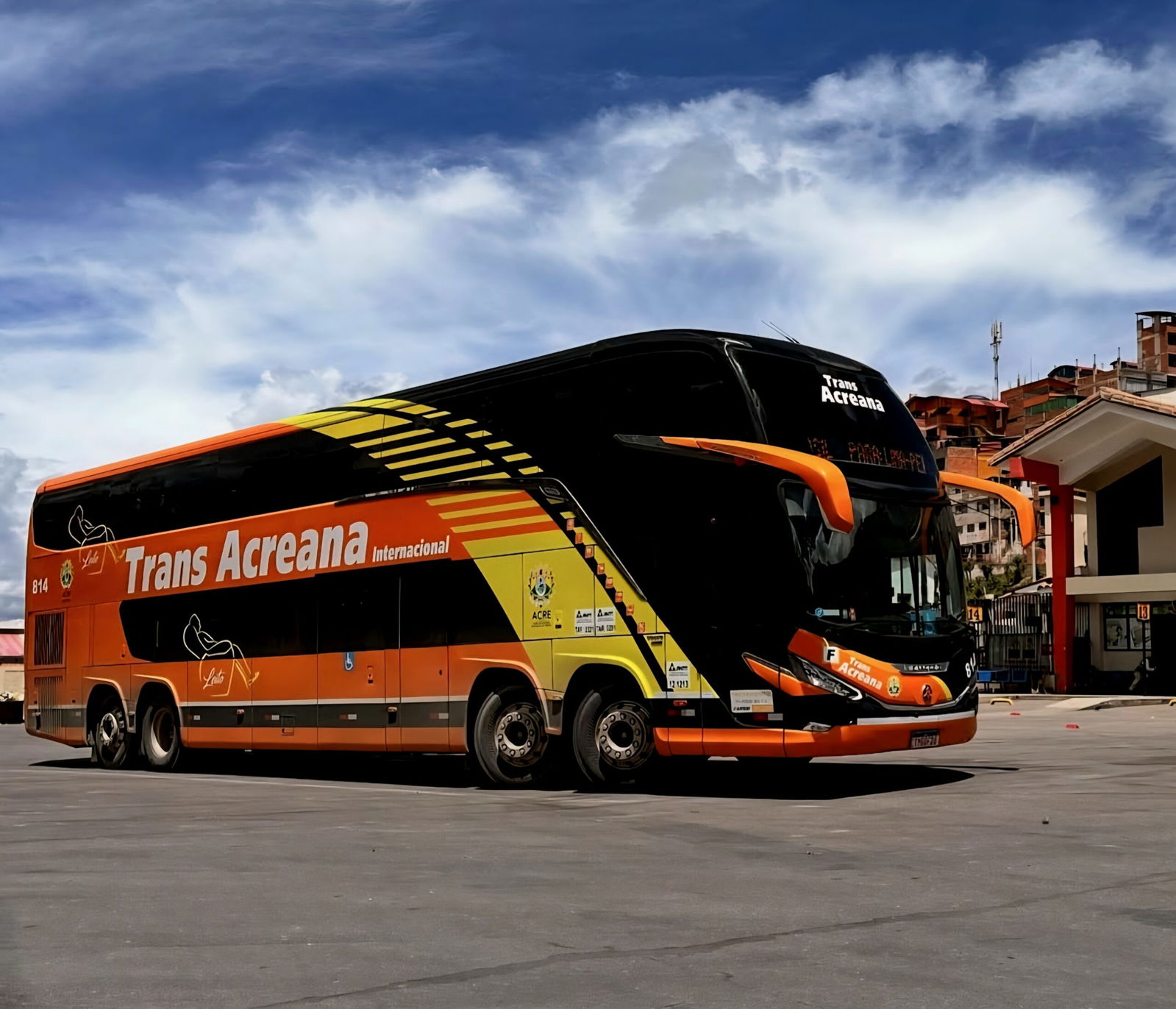
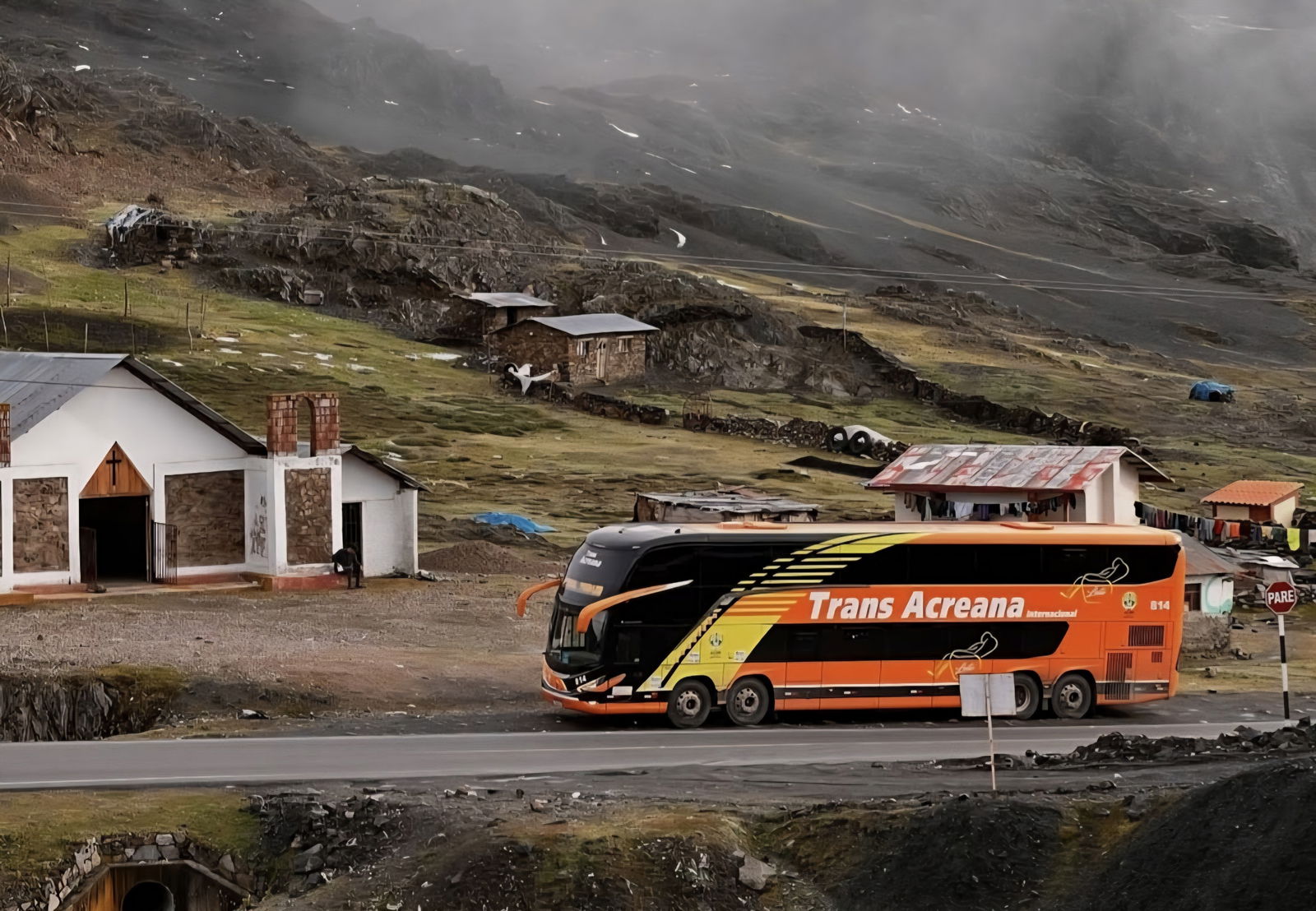
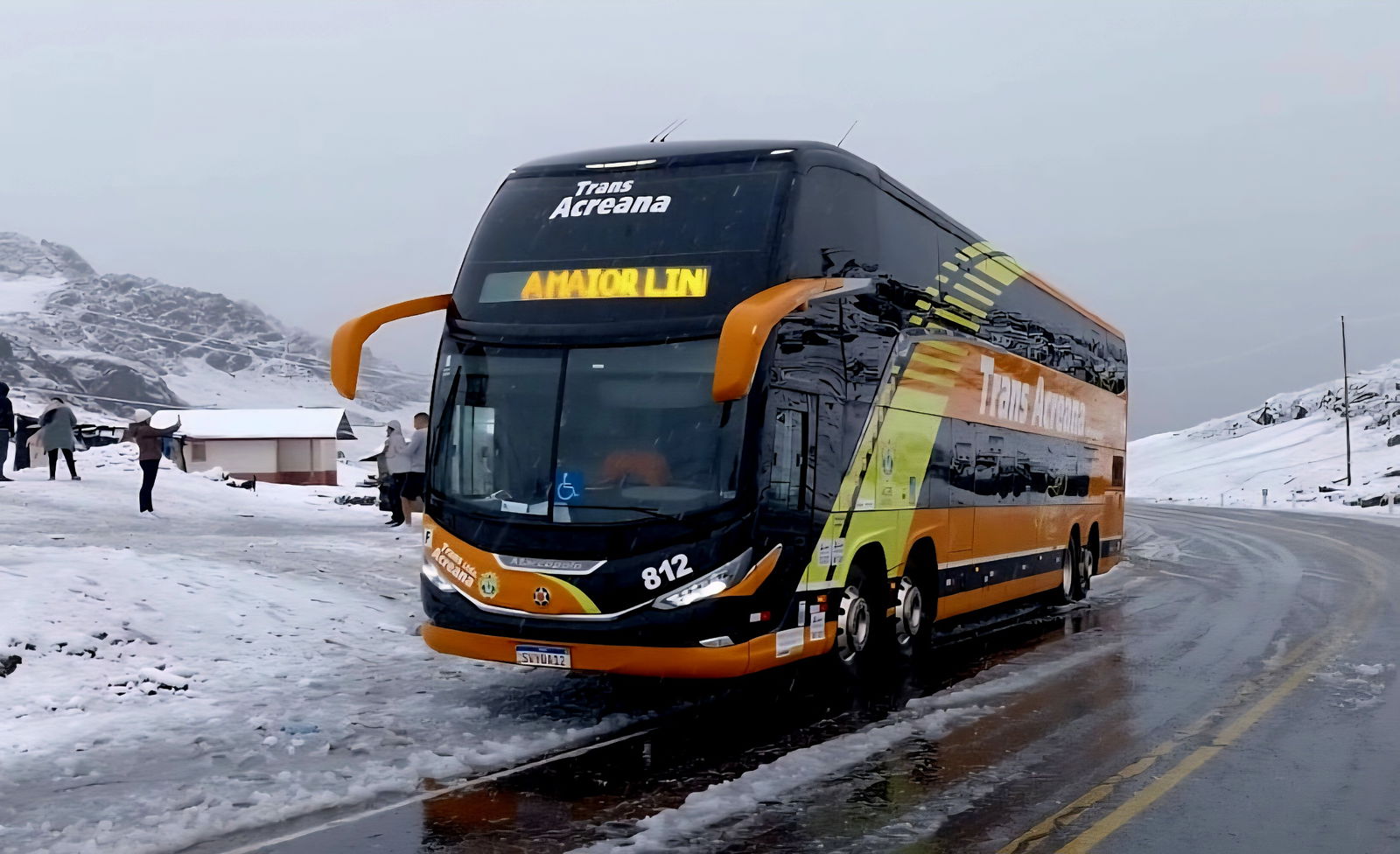
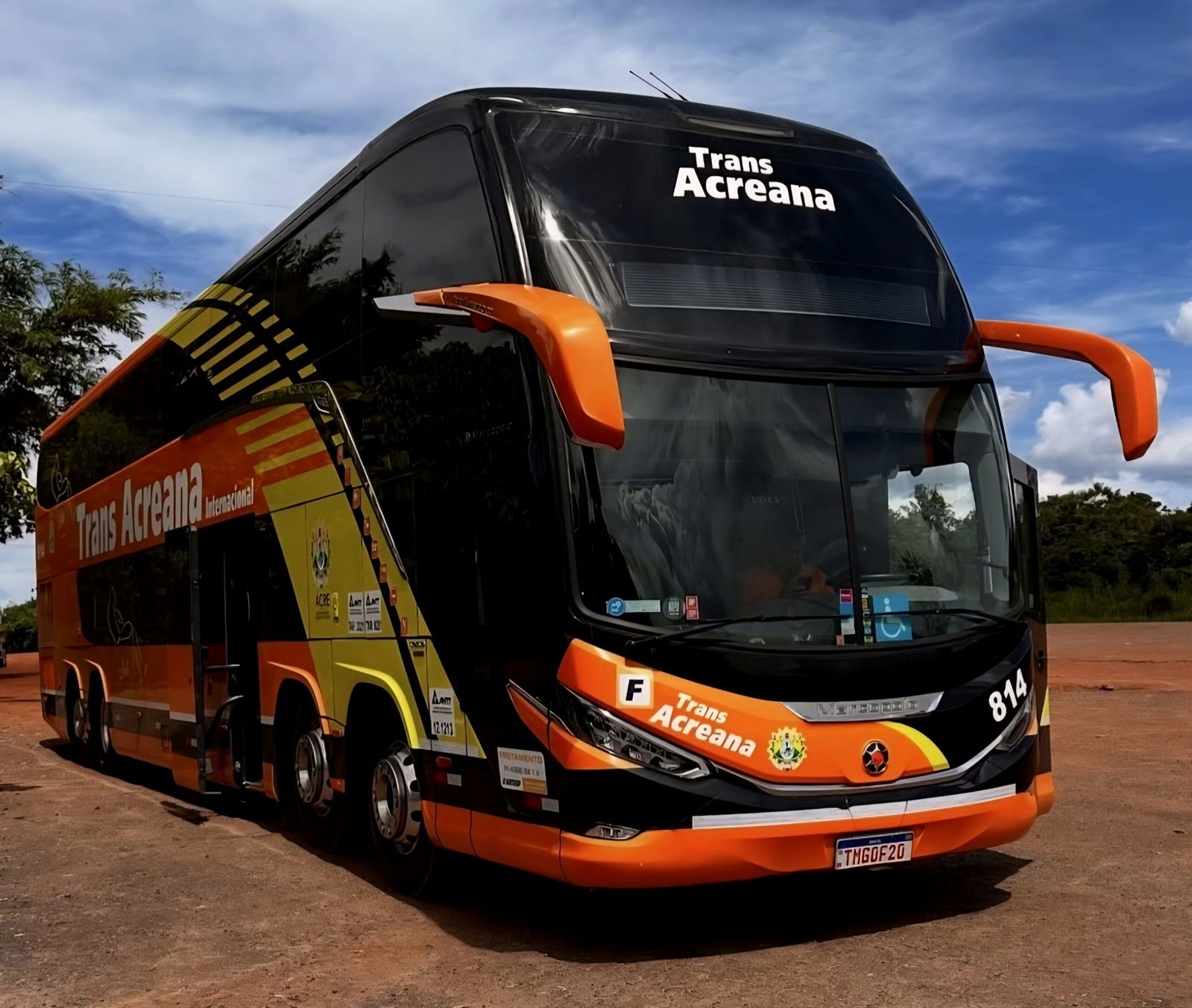
The world’s current longest scheduled direct coach service is also operated by a Brazilian company, Trans Acreana. The service departs from Rio de Janeiro and runs all the way to the Peruvian capital, Lima – covering more than 6,000 kilometres in five days. Along the way it passes through Brazil’s interior, the Andean mountain ranges and the Amazon rainforest. The route is based on the Interoceânica, also known as the Transoceânica corridor, a strategic road link between the Atlantic and Pacific oceans.
The service resumed in spring 2023 after a three-year hiatus, following the bankruptcy of the previous operator, Peru’s Expresso Internacional Ormeño, during the COVID–19 pandemic. The company’s operations were made impossible by the deaths of its owners, who died as a result of coronavirus infection. The route then remained unserved for an extended period, until Trans Acreana formally expressed its interest in taking over the service. Obtaining the necessary operating permits, however, proved highly difficult. During the pandemic, Brazil’s federal transport authority amended the regulations on vehicle insurance, and for a time no domestic insurance company was able to meet the new requirements. Trans Acreana eventually received a temporary, extraordinary permit to operate the route in 2022. The first international run carried an official delegation from the Brazilian city of Rio Branco to Cusco in Peru.
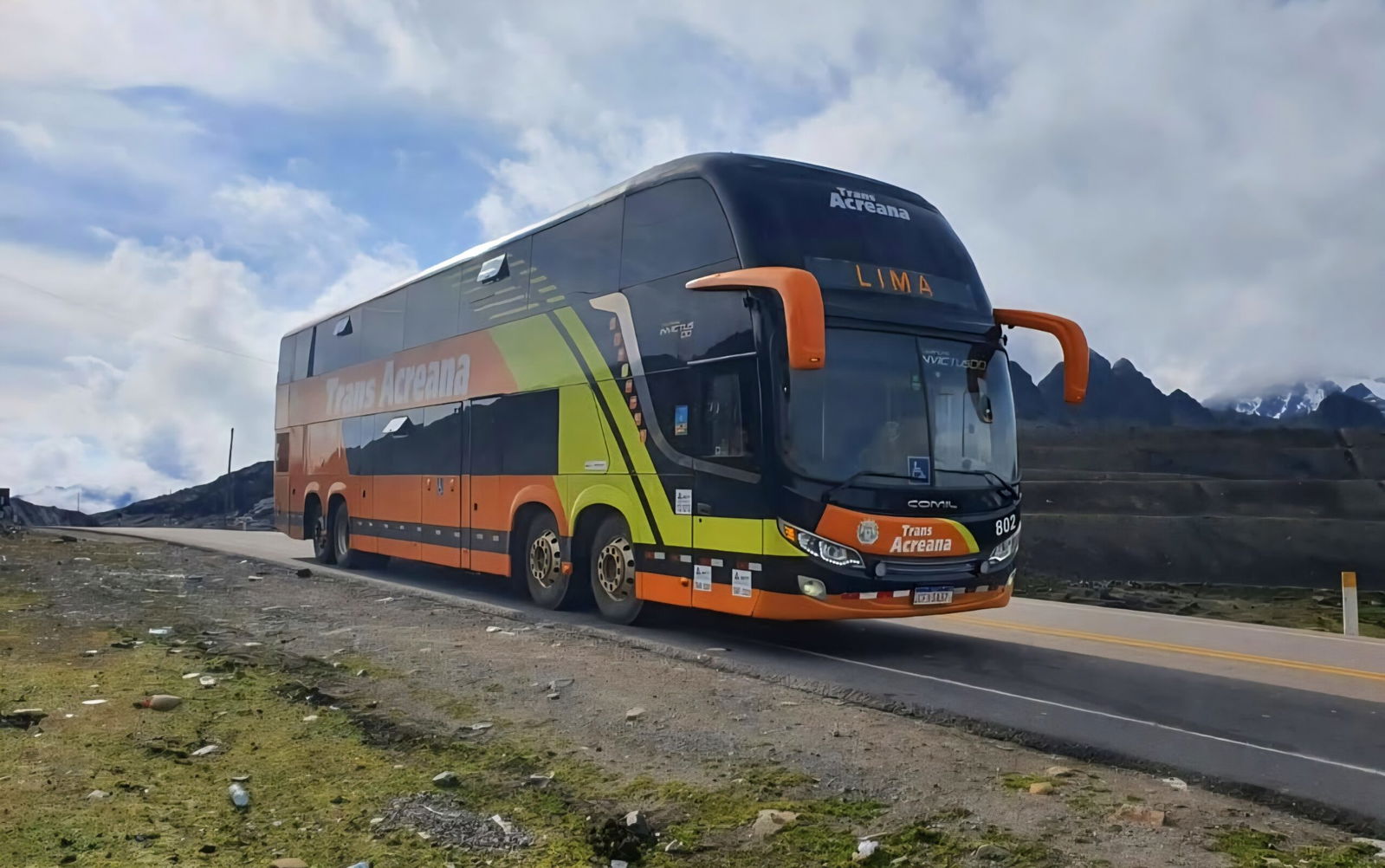
At present, the service operates every two weeks, always departing on a Thursday: one week it leaves Brazil for Lima, and the next it returns. The entire journey is completed by a single vehicle, with no vehicle change or transfer. Operations are supported by a four-person driver rotation, which is essential for maintaining continuous progress.
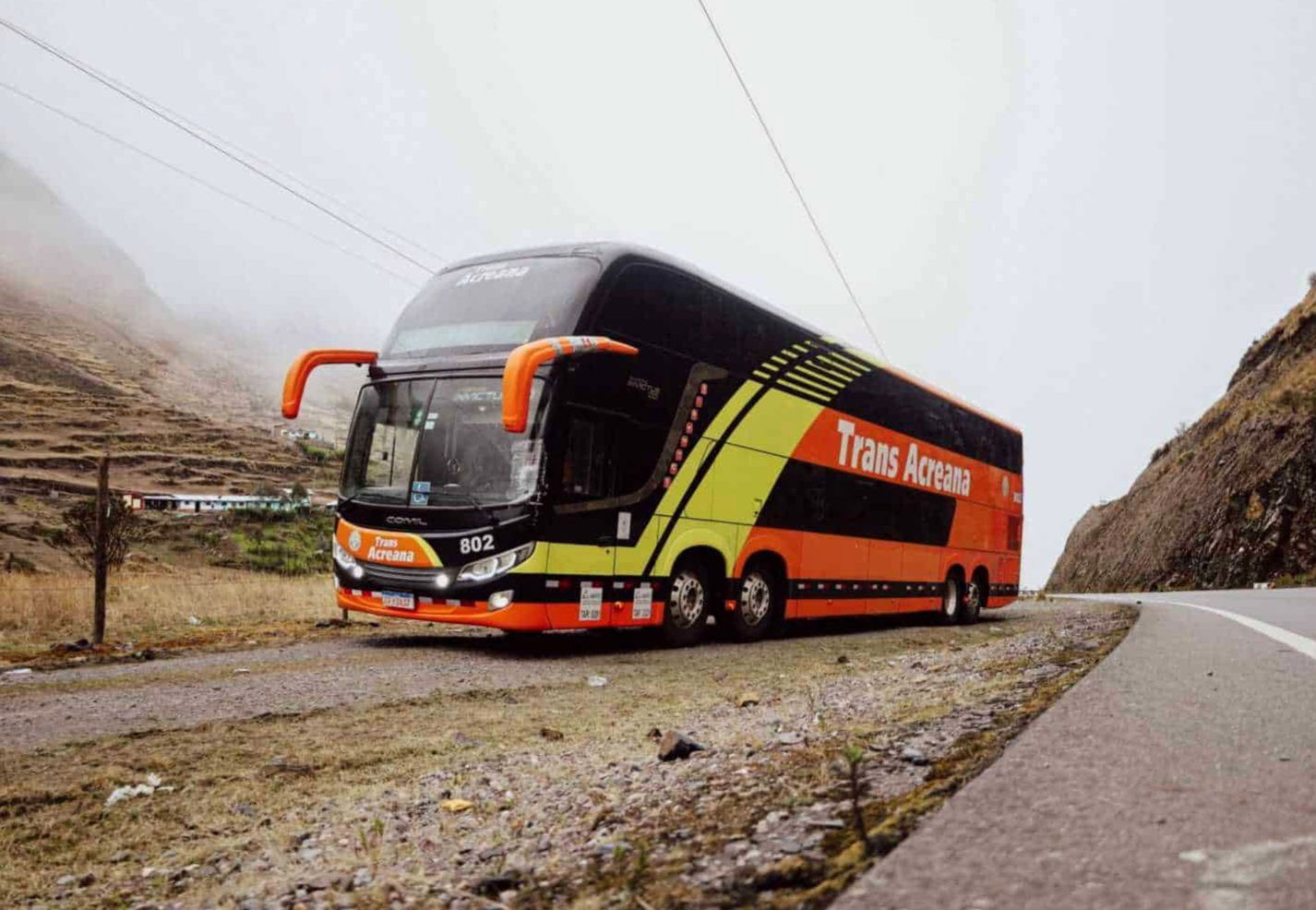
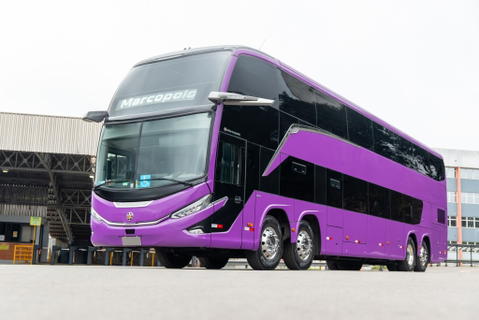
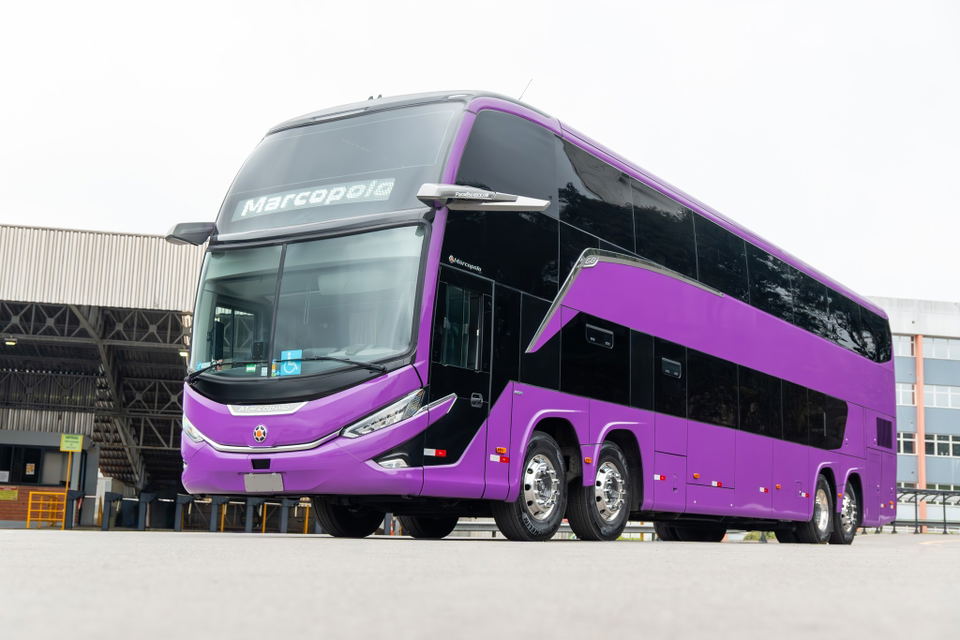
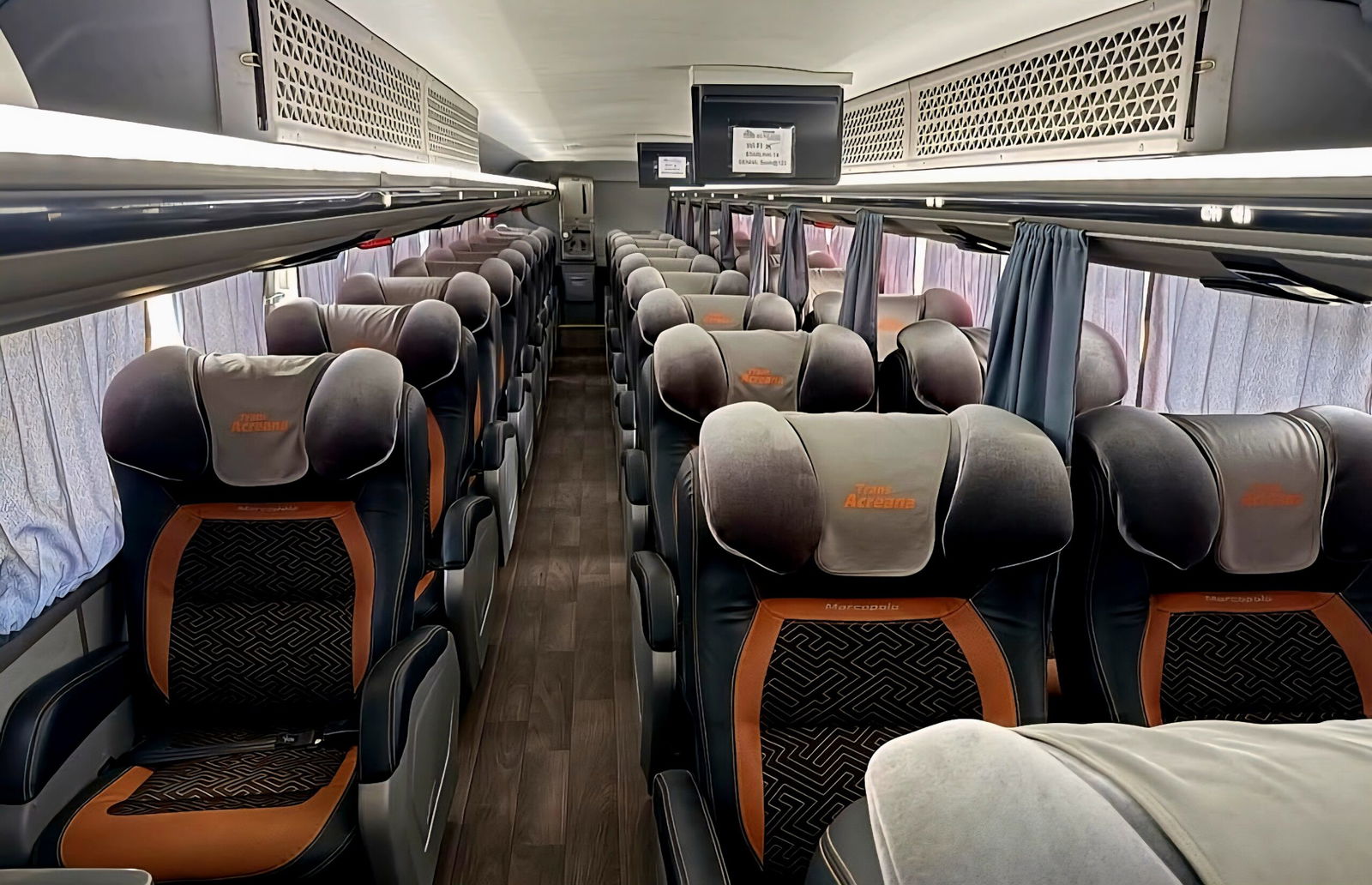
The route is mostly served by double-deck Marcopolo Paradiso 1800 DD and Comil Campione Invictus DD coaches, offering space for 43 passengers and equipped with air conditioning, an onboard toilet and Wi-Fi. Seat comfort varies by specification: the semi-leito version has a 2+1 layout, with seats reclining to 135–140 degrees and footrests also provided. The premium leito version, by contrast, has a 1+1+1 layout, with wide seats arranged in three separate rows and reclining by as much as 160–180 degrees. In the latter case, a sliding privacy curtain is also often provided, which significantly enhances comfort, especially on overnight sections.
The coach service reaches the Peruvian border via São Paulo, Cuiabá and Porto Velho, then continues to Lima via Puerto Maldonado, Cusco, Nazca and Ica. The route also crosses the area of the Nazca Lines and passes directly by the viewpoint from which several geoglyphs can be clearly seen from the roadside.
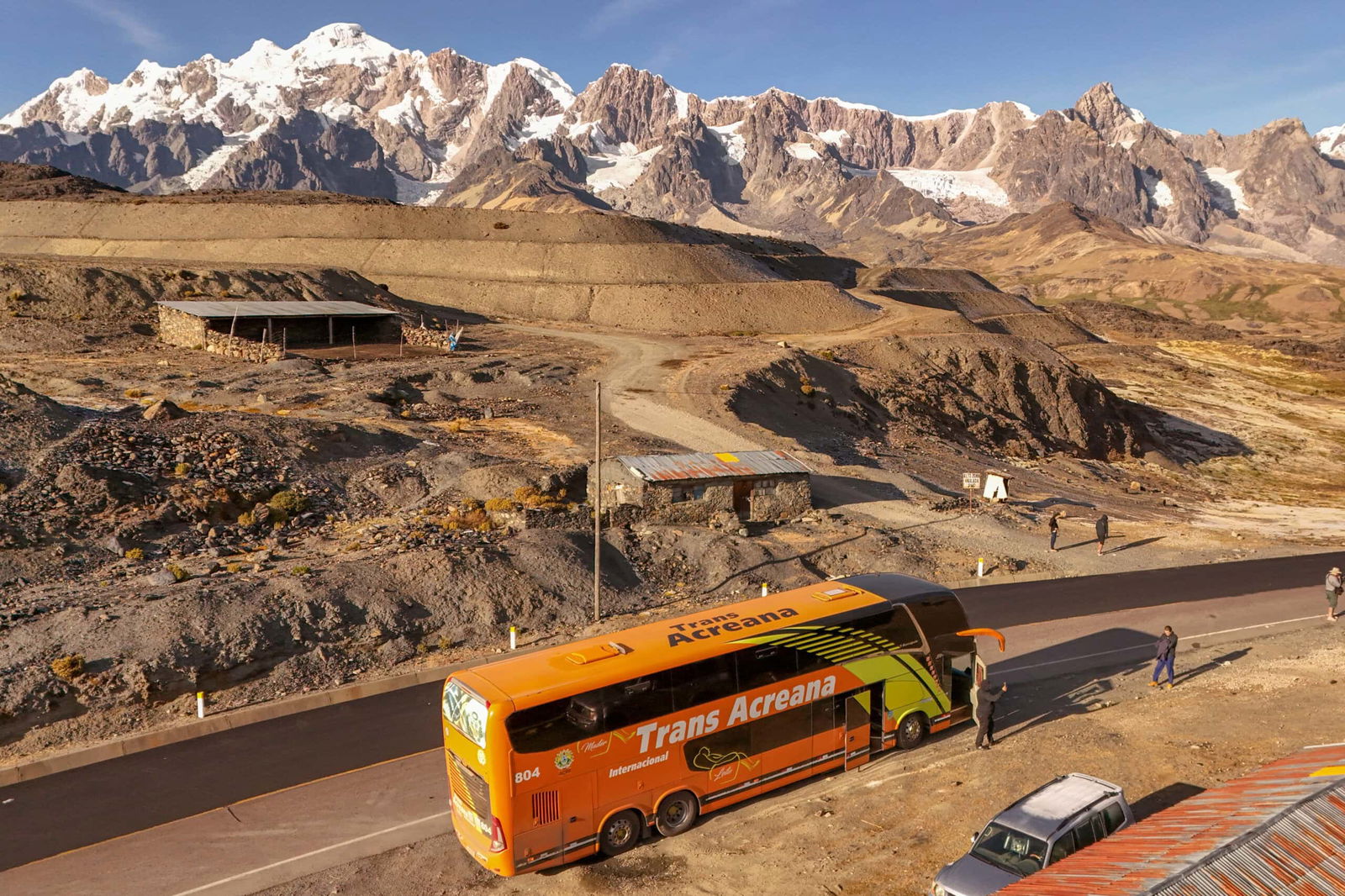
The fare – depending on the time of booking and the current season – is generally between 1,100 and 1,300 Brazilian reais, roughly equivalent to 200–240 US dollars.
The route is remarkable not only for its length: it passes through such varied geographical and climatic zones that they represent serious technical challenges in themselves. Its highest point approaches 4,700 metres above sea level. This service is regarded as one of South America’s most complex road transport operations, made both necessary and viable by the region’s particular transport conditions.
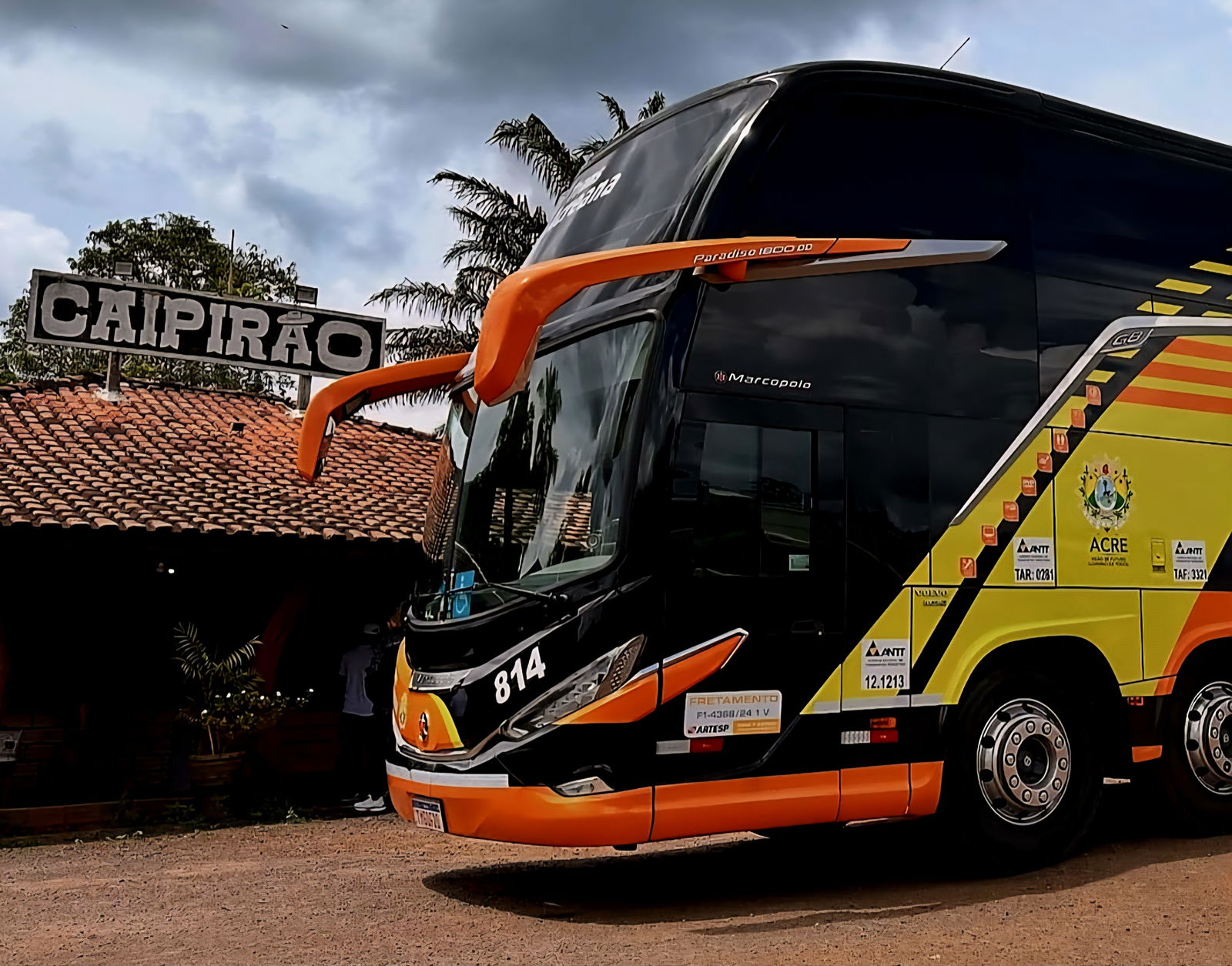
Although coach services covering several thousand kilometres with a single vehicle are now rare, they are not without precedent in transport history. The Rio–Lima route is a good example of how, where there is no railway and flying is too expensive, the long-distance coach remains the only practical option. This is not so much a curiosity as a case of something that is no longer needed elsewhere – but here it still works, because there are people who use it and people who operate it.
Photos: Trans Acreana