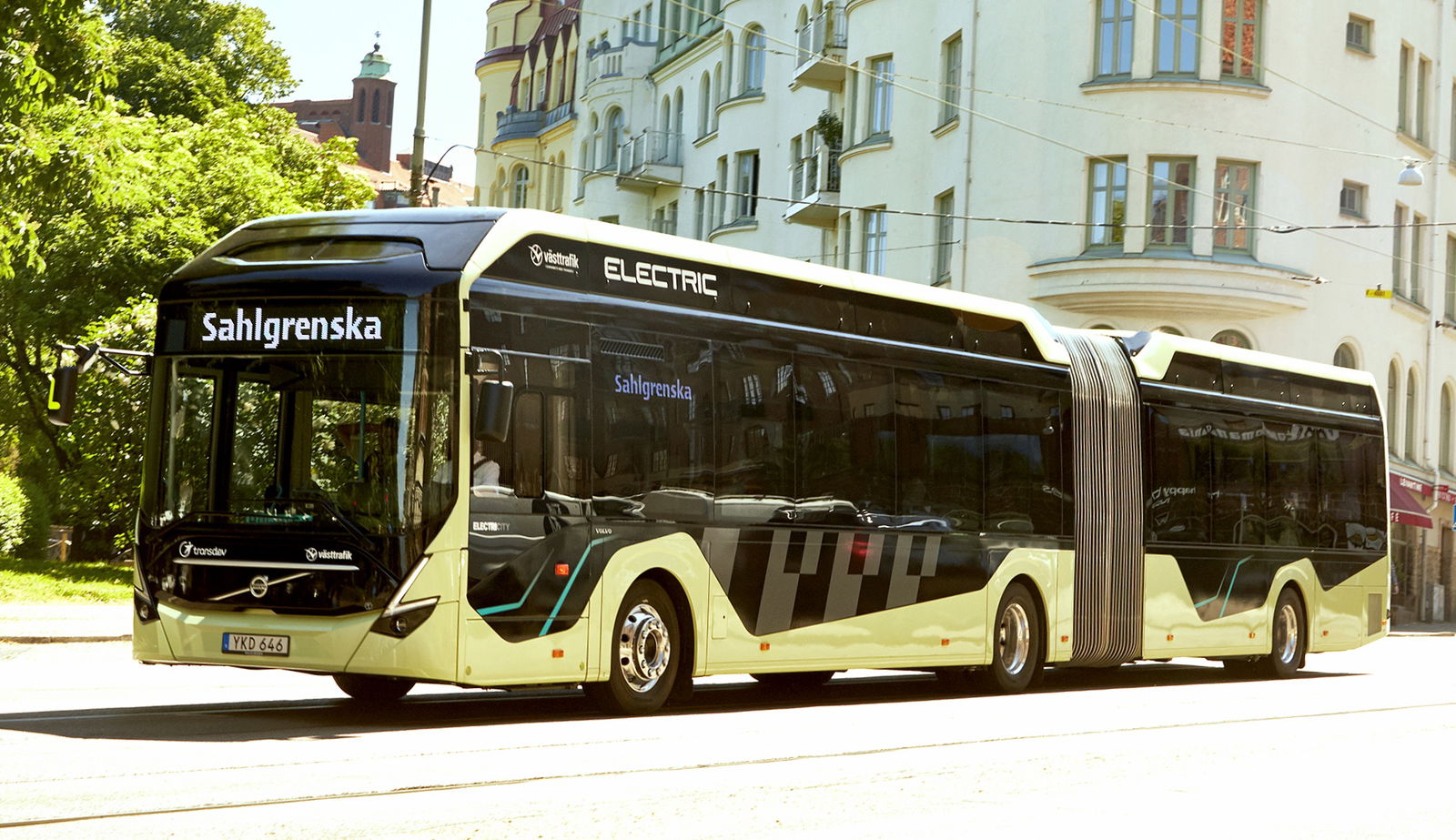
Volvo Buses’ Polish plant closes its history with the production of a Volvo 7900 EA
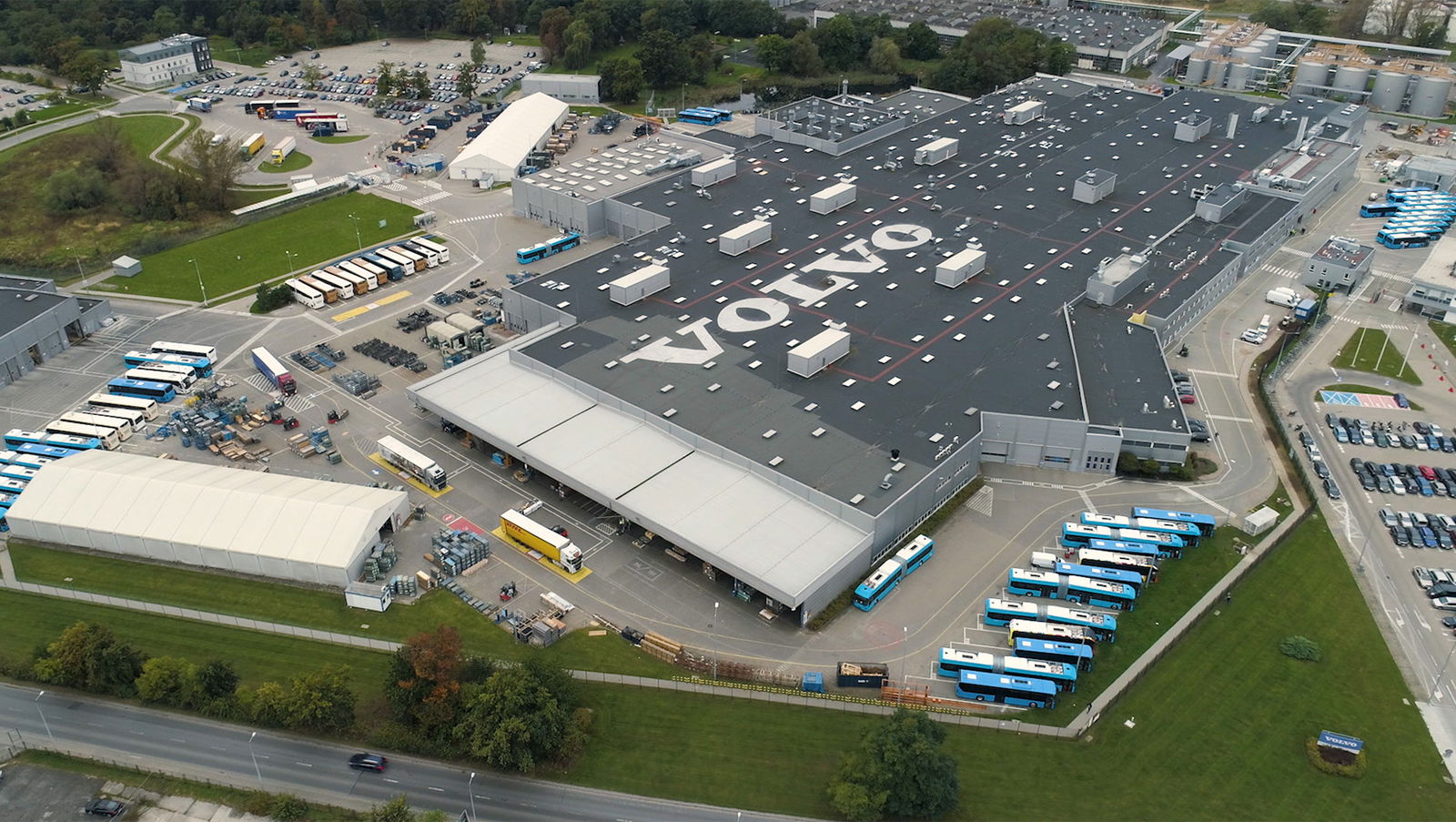
After a quarter of a century, an era in Volvo Buses’ Polish operations came to an end on 29 March, when the Swedish bus manufacturer’s last in-house-built bus rolled out of the group’s last remaining European bodybuilding plant assembling complete buses. Following the end of Volvo’s manufacturing activities, the Polish plant, built as a greenfield investment in 1999, was taken over by the newly established subsidiary of Sweden’s Vargas Holding, Aira, which manufactures heat pump systems.
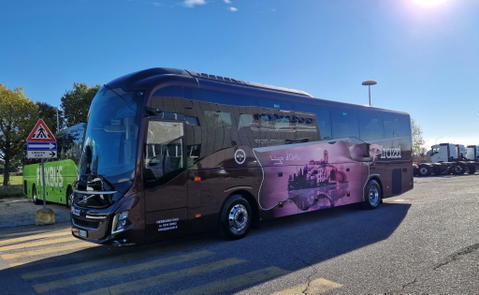
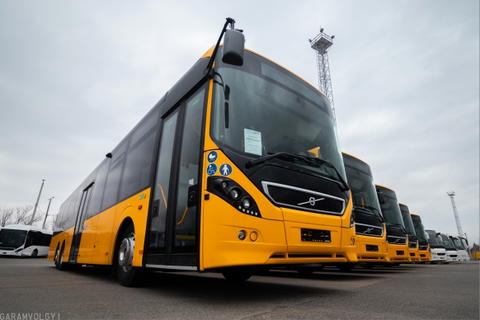
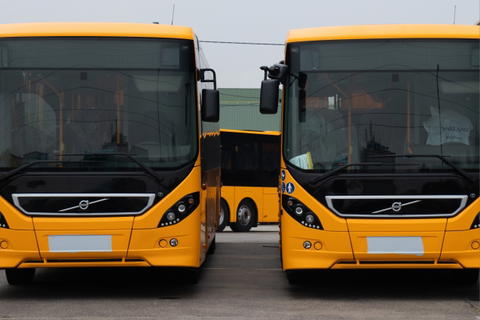
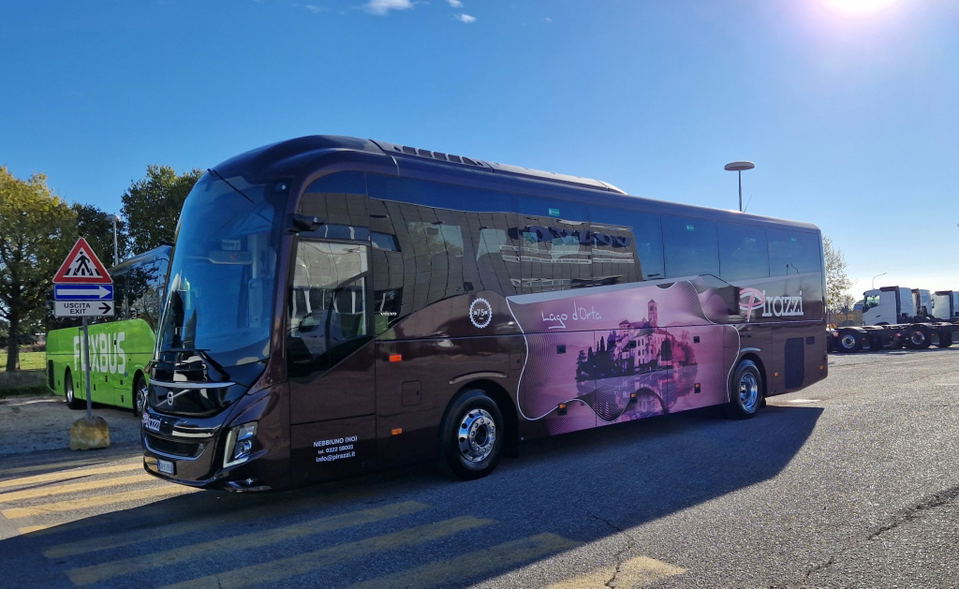
According to the group, Volvo Buses was forced to close its Wrocław plant, the Swedish giant’s only manufacturing facility on the continent still producing buses under the Volvo brand, as part of a structural transformation prompted by its European bus manufacturing operations having operated at a loss for years. With the exception of the Finland-assembled 9700 DD double-decker model, the entire European Volvo product range was built here, regardless of drivetrain: the 7900 and 8900 series, marketed for more than a decade and well known in Hungary, as well as the long-distance 9700/9900 model pair, available since 2018. However, Volvo will not abandon its existing range following the closure of the Polish facility and, albeit through external partners, will continue to manufacture these models; the city and interurban types will be built by Egypt’s MCV, while the long-distance models will be produced at the Spanish Sunsundegui plant from the second half of 2024. Beyond body construction, both partnerships also include the transfer of all current and future design and development activities relating to the models.
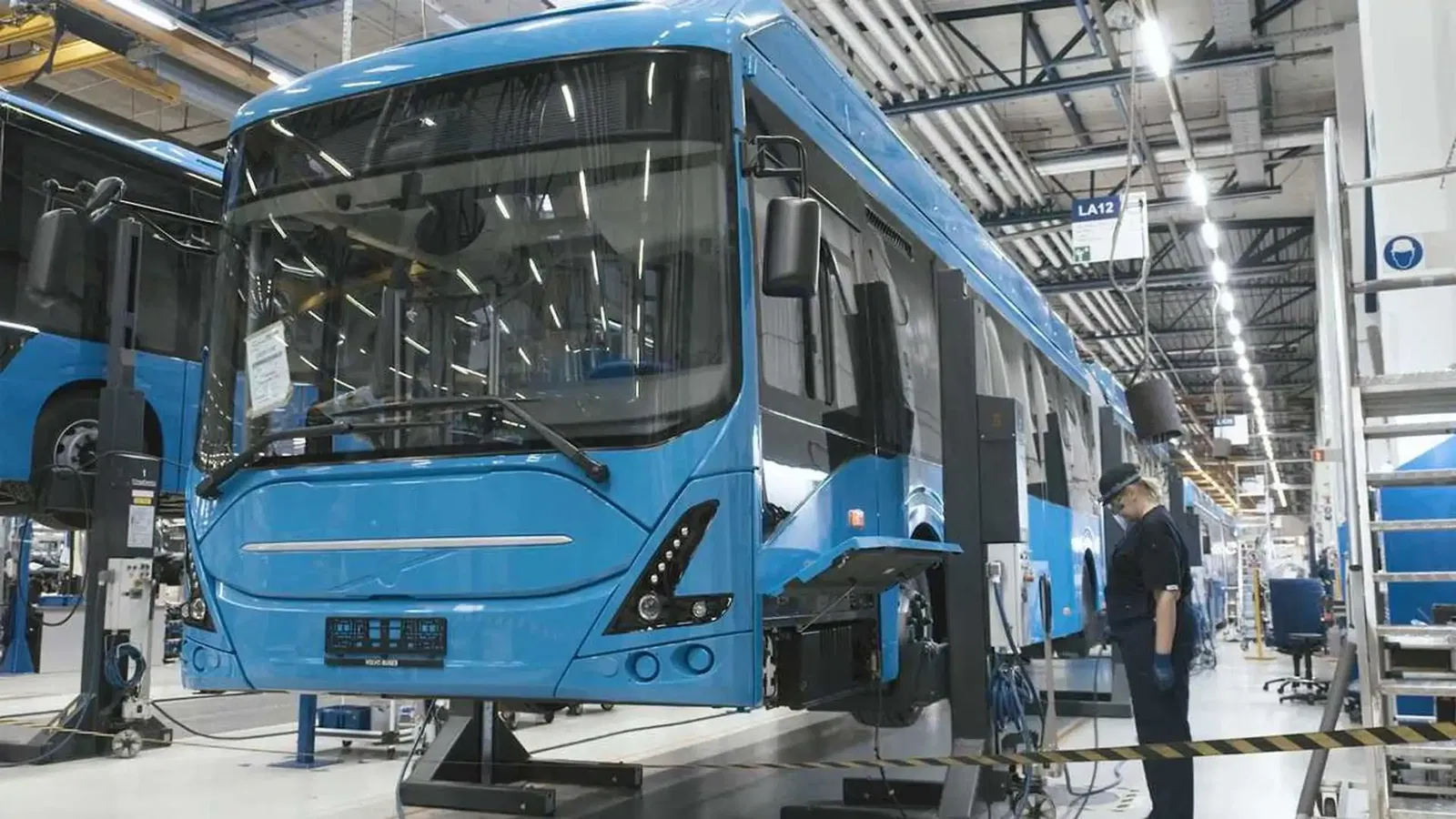
The Polish plant had not accepted orders since autumn 2023; for almost the past year, it had only been fulfilling contracts placed by the first half of 2023. In response to our enquiry, Joakim Kenndal, Volvo Buses’ press chief, said that production in Wrocław ended in March 2024 with the assembly of an articulated Volvo 7900 Electric Articulated electric bus.
Volvo’s decision, which shocked the entire industry, was preceded by a decline lasting more than a decade. In addition to growing competition and price pressure, as well as the economic uncertainty and fall in demand caused by the pandemic, Volvo’s previously misguided market strategy also made a major contribution. Volvo sought to target an enormous market, but these ambitions consumed substantial sums that sales did not offset. In 2014, the group stopped producing diesel-powered city buses and switched exclusively to manufacturing diesel-electric hybrid models, later supplemented by battery-electric buses.
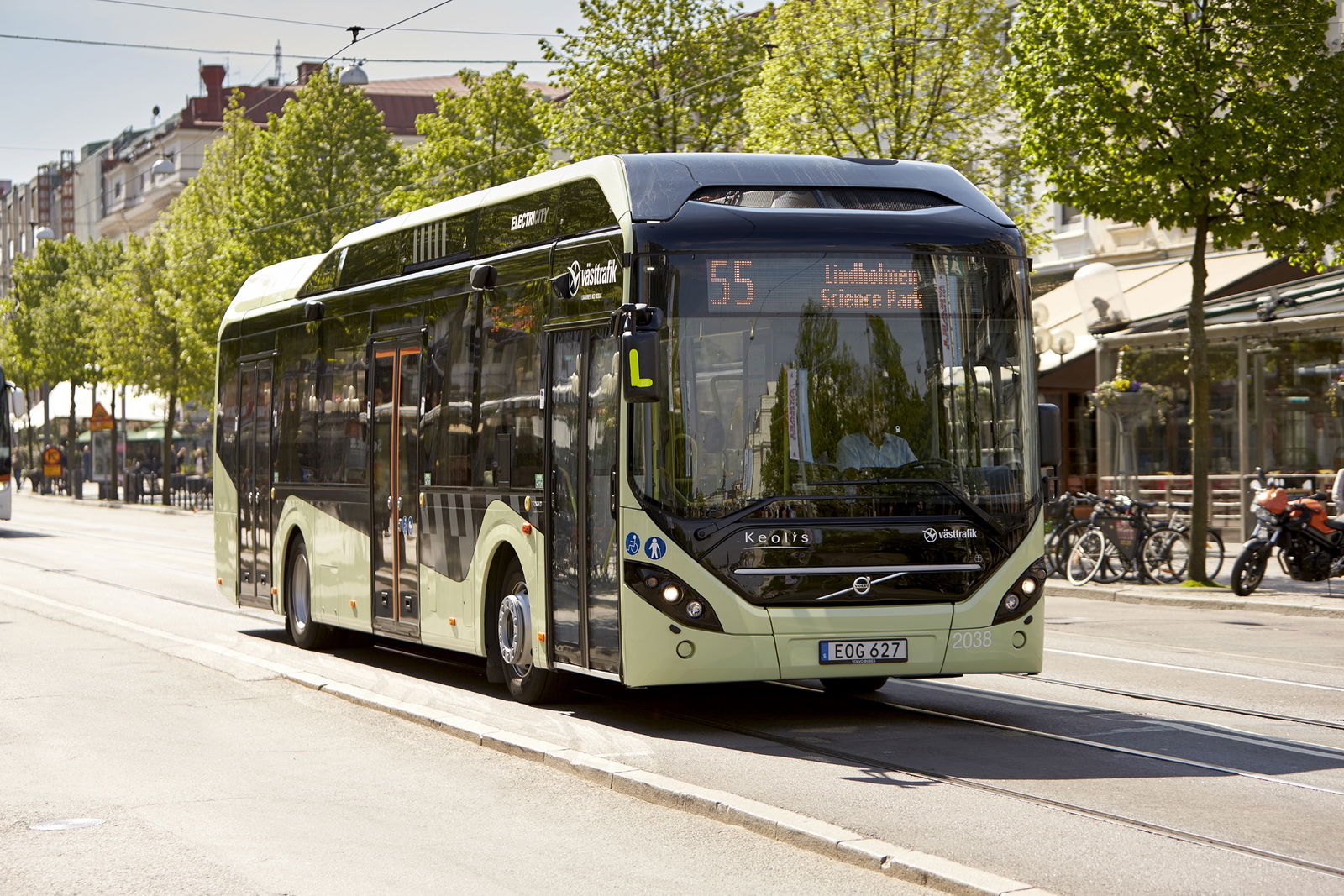
Volvo hoped that its rapid entry into the market for alternatively powered vehicles would secure it a better position against its competitors, but this proved to be a poor decision: by abandoning the diesel city bus line altogether, it in fact lost a huge market, as the year-on-year decline in production figures clearly demonstrated. As many as 1,500 buses rolled off the Wrocław production lines in 2011, but after 2013 the number of buses produced did not even reach 1,000 a year. This volume was no longer sufficient to sustain the profitability of the business. The failure of the widely promoted Volvo 7900 Electric Hybrid plug-in diesel-electric model, together with the introduction of a body made from aluminium profiles—which made Volvo city buses significantly more expensive than competing models—also did the business no favours. In addition, the company was unable to hold its own amid intensifying competition in the purely electric city bus segment, to such an extent that it even fell behind in its own domestic Swedish market.